
HBO Max’s Multiverse of Madness: How the Streamer Dropped Iconic Characters Into the Eerie World of ‘Backrooms’
Main Facts
In an era where streaming service marketing often relies on standard trailers and predictable interview clips, HBO Max has raised the bar with a masterclass in creative cross-promotion. To celebrate the arrival of the surrealist horror film Backrooms onto the platform, the streaming giant launched a viral promotional campaign that seamlessly plunges some of television’s most celebrated characters into the internet-famous, yellow-tinged, endless labyrinth of the Backrooms.
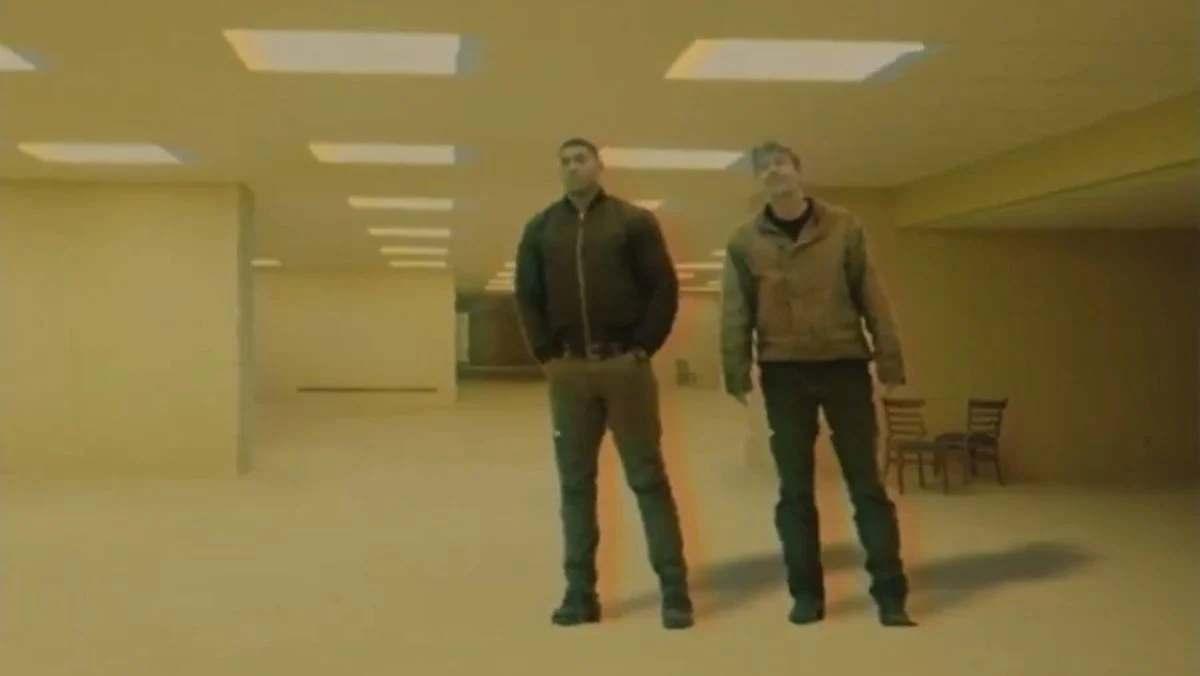
Under the deceptively simple social media caption "Took a wrong turn," the promotional video transports heavy-hitting figures from across HBO’s prestigious and diverse catalog—ranging from gritty crime dramas and prestige fantasy to upcoming sci-fi epics and chaotic comedies. Characters from prestige properties like The Sopranos and Lanterns suddenly find themselves navigating the uncanny, humming fluorescent-lit hallways, the oppressive damp carpets, and the monotonous wallpaper that define the viral internet creepypasta lore.
Rather than treating the crossover as a mere gimmick, the marketing team leaned heavily into character-specific behavioral comedy. Icons of television are forced to react to the psychological dread and infinite geometry of the liminal space. From Dunk and Egg casually lounging on the sterile carpet to Kelvin Gemstone suffering a signature existential meltdown, the campaign has captured the imagination of internet fandoms, sparking widespread conversation across social media platforms and driving massive engagement for Backrooms‘ streaming debut.
Chronology of a Viral Campaign
The rollout of the Backrooms cross-promotional campaign followed a carefully calculated timeline designed to maximize digital shock value and capitalize on current streaming trends.
- Phase One: The Digital Setup (Early October 2026): As Backrooms prepared for its digital premiere on HBO Max, anticipation built within the horror community. The internet had long awaited a cinematic adaptation that could capture the claustrophobic dread of the original creepypasta phenomenon.
- Phase Two: The "Took a Wrong Turn" Drop: Without extensive warning, HBO Max deployed the short-form promotional video across its primary social media channels, including X (formerly Twitter), Instagram, TikTok, and YouTube. The abruptness of the drop contributed to its immediate virality, catching unsuspecting scrollers off guard as they watched Tony Soprano-era aesthetics or medieval fantasy heroes dropped directly into an endless expanse of wet drywall and acoustic tile.
- Phase Three: Fandom Dissection and Fanfare: Within hours of the video’s release, film and television subreddits, fan accounts, and pop-culture outlets began cataloging every single cameo. Viewers began dissecting the micro-interactions between characters who exist centuries or genres apart, turning a routine streaming release into a pop-culture treasure hunt.
- Phase Four: Streaming Surge: Capitalizing on the comedic juxtaposition of beloved characters trapped in an inescapable dimension of psychological horror, viewers flooded to HBO Max to watch Backrooms, cementing the film’s position at the top of the platform’s daily trending charts.
Supporting Data and Crossover Breakdowns
To truly appreciate the scope of HBO Max’s marketing triumph, one must examine the specific pairings and dialogue choices that elevated the video from a basic advertisement to a masterclass in IP synergy. The video succeeds by contrasting the distinct personalities of HBO’s roster against the oppressive, uncanny emptiness of the liminal dimension.
The Highlight Reel: From Westeros to the Gemstone Compound
- Hal and John (Lanterns): Standing side-by-side in a state of utter confusion, Hal looks around the infinite yellow rooms before delivering the deadpan line: "Jazz. That can’t be good." The meta-commentary on the bizarre nature of their environment instantly signals to viewers that the normal rules of reality no longer apply.
- Dunk and Egg (A Knight of the Seven Kingdoms): Transported centuries out of their medieval Westerosi reality into a fluorescent-lit nightmare, our beloved duo provides some of the video’s most humorous beats. Egg calmly notes that he could perhaps chill here for a bit—demonstrating a youthful ignorance to the psychological peril of the space. Moments later, the towering, lovable knight Dunk commits the ultimate physical comedy foul in low-ceiling architecture by predictably and painfully hitting his head on a door frame.
- Kelvin Gemstone (The Righteous Gemstones): True to form, Danny McBride’s emotionally fragile televangelist character handles the cosmic horror with his signature brand of hypochondriac panic. Kelvin is captured mid-spiral, announcing to no one in particular that he is experiencing severe anxiety flashes and "sharp s**t pains in his stomach."
- The Sopranos Legacy Touchpoints: The shadowy presence of The Sopranos aesthetic serves as a chilling reminder of HBO’s long-standing dominance in shaping prestige television, grounding the surreal chaos in the network’s rich history of gritty character studies.
Official Responses and Industry Reception
The advertising industry and entertainment critics alike have been swift to praise HBO Max for its innovative approach to catalog synergy. Traditional film marketing often relies on standalone promotional spots that target a single demographic. However, by weaponizing its massive library of intellectual property, HBO Max managed to cross-pollinate audiences who might otherwise never have considered watching a psychological horror film like Backrooms.
Marketing analysts noted that the campaign taps directly into the modern internet’s obsession with liminal spaces, backrooms lore, and surrealist meme culture. By treating characters from wildly different tones—such as the high fantasy of A Knight of the Seven Kingdoms and the satirical chaos of The Righteous Gemstones—with equal levels of bewildered vulnerability, the promotional spot struck a chord with internet users tired of sterile corporate advertising.
"We love creative mashups, and HBO Max pulled a lot of fandoms together," noted pop-culture commentators, echoing a sentiment shared by millions of viewers online. Executives within the streaming space have privately acknowledged that bridging the gap between legacy prestige content and modern digital creepypastas represents the future of viral film promotion.
Implications for Future Streaming Marketing
The resounding success of the Backrooms crossover promo carries significant implications for how streaming services will market films and series moving forward. As the streaming wars intensify and subscriber acquisition becomes increasingly difficult, standard trailers are yielding diminishing returns. Audiences, particularly younger demographics raised on TikTok and algorithmic content, demand interactivity, humor, and self-aware irony from corporate accounts.
1. The Death of Siloed Marketing
For years, streaming platforms treated their individual shows and movies as isolated islands. A subscriber watching a prestige fantasy drama would rarely see marketing materials bleed over into contemporary comedies or horror films. HBO Max’s campaign proves that breaking down these internal walls can create a powerful "network identity." Viewers are reminded of the sheer breadth and depth of the platform’s library, reinforcing the perceived value of their subscription fee.
2. Nostalgia Meets Modern Lore
By fusing classic prestige television characters with modern internet folklore (the Backrooms creepypasta originated on 4chan in 2019), HBO bridged generational divides. Older prestige television fans and younger internet-native horror enthusiasts found themselves laughing at the exact same joke. This blueprint—pairing high-end intellectual property with grassroots internet culture—will likely become a staple for studios looking to break through the digital noise.
3. The Power of Character-Driven Comedy in Horror
Horror marketing typically relies on jump scares, moody lighting, and ominous voiceovers. By injecting character-driven comedy into a terrifying premise, HBO Max lowered the barrier to entry for viewers who might normally avoid scary movies. Fans tuned in to see how their favorite characters would react to the horror, ultimately discovering a genuinely unsettling film in the process.
As Backrooms continues to dominate streaming charts on HBO Max, the campaign stands as a testament to the power of imaginative, risk-taking marketing. It serves as a reminder that when studios are willing to let their properties playfully collide, the results can capture the collective attention of the internet overnight. Whether you’re a knight from Westeros, a stressed-out televangelist, or an intergalactic cop, the lesson remains the same: watch your step, or you might just take a wrong turn straight into the Backrooms.
