
The Architect of the New DC Universe: James Gunn’s Relentless Creative Momentum
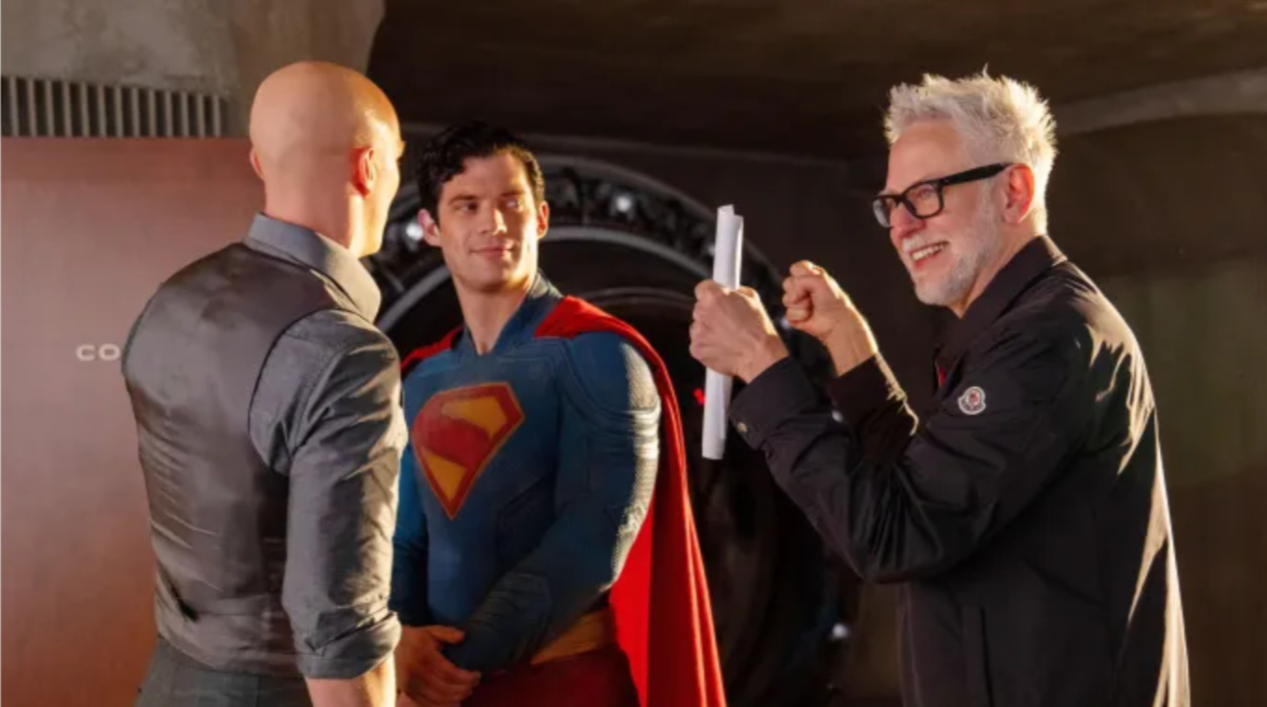
Since stepping into the role of co-CEO of DC Studios alongside Peter Safran four years ago, James Gunn has been the primary engine driving the creative overhaul of one of the world’s most storied intellectual properties. While the industry is accustomed to executive producers managing from the sidelines, Gunn has maintained a hands-on approach that is nothing short of exhaustive. From the gritty, subversive humor of Peacemaker to the animated expansion of the Creature Commandos, Gunn has proven that his tenure at DC will be defined by his singular vision. Now, as his highly anticipated Superman sequel, Man of Tomorrow, enters the critical post-production phase, the director has confirmed that his creative process is far from stagnant.
The State of Play: From ‘Man of Tomorrow’ to New Horizons
The production cycle of Man of Tomorrow has been a masterclass in efficiency. Following the wrapping of principal photography in August, the film has now reached a significant milestone: the completion of the assembly cut. In the language of cinema, the "assembly" is the first rough pass of a film, where all scenes are sequenced in order before the rigorous process of pacing, tone-tuning, and visual effects integration begins.
For a filmmaker as meticulous as Gunn, the assembly stage often involves a period of "hurry up and wait," where the director must allow editors and VFX houses to digest the raw footage. Rather than taking a sabbatical, Gunn has channeled his restless energy back into the screenwriting process. In a recent interaction on the social media platform Threads, when asked by a fan if he was ready to begin his next project, Gunn offered a characteristically direct response: "Already in it. I had to do something while I was waiting for the assembly!"
This revelation confirms what many industry observers have long suspected: Gunn is operating on a multi-year roadmap that does not allow for idle time. As he balances the massive logistical demands of the DC Universe (DCU) with his personal directorial projects, his ability to pivot between administrative duties and creative writing remains his greatest asset.
Chronology of a Vision: Four Years of DC Transformation
To understand the weight of Man of Tomorrow, one must look at the timeline of the DC Studios restructuring. When Gunn and Safran took the helm, the DC brand was in a state of fractured identity. The "Snyderverse" era had concluded, leaving a vacuum that required a bold, cohesive direction.
- 2020–2021: The Foundations: Before his formal appointment as CEO, Gunn’s work on The Suicide Squad and the subsequent Peacemaker series established the "Gunn aesthetic"—a blend of heart, irreverence, and deep-cut comic book lore.
- 2022: The Transition: Gunn and Safran were officially named co-CEOs, tasked with creating a "Gods and Monsters" slate that would unify films, television, and animation into a singular, interconnected tapestry.
- 2023–2024: Development and Casting: This period saw the meticulous assembly of the cast for the new Superman era. The search for the new Man of Steel culminated in the casting of David Corenswet, whose physical presence and screen test convinced the studio that the franchise was in safe hands.
- 2025: Production: Filming for Man of Tomorrow dominated the year, alongside the rollout of smaller-scale, character-driven projects that established the tonal baseline for the new DCU.
- 2026: The New Horizon: With the release of Man of Tomorrow slated for next summer, the focus has shifted toward the expansion of the franchise’s secondary characters and the introduction of new mythologies.
Supporting Data: The Cast of a New Era
Man of Tomorrow is not merely a sequel; it is a narrative pivot point that aims to redefine the stakes for the DCU. The film’s roster of talent reflects a strategic blend of rising stars and established character actors, all curated to flesh out a world that feels lived-in and expansive.
Returning Players
- David Corenswet (Superman/Clark Kent): Corenswet anchors the film, tasked with embodying the moral center of the DCU.
- Rachel Brosnahan (Lois Lane): Returning as the intrepid reporter, Brosnahan’s portrayal is expected to be a cornerstone of the film’s investigative narrative.
- Nicholas Hoult (Lex Luthor): In a subversion of traditional tropes, Luthor is forced into an uneasy alliance with his greatest enemy.
- Supporting Cast: Skyler Gisondo (Jimmy Olsen) and Sara Sampaio (Eve Teschmacher) provide the essential human element of the Metropolis newsroom and the corporate machinations of LuthorCorp.
Expanding the Universe
- Lars Eidinger (Brainiac): The inclusion of Brainiac as the primary antagonist signals a move toward high-concept, science-fiction-heavy threats, moving away from the purely terrestrial conflicts of previous iterations.
- The Superhero Cohort: Isabela Merced (Hawkgirl), Nathan Fillion (Guy Gardner), and Edi Gathegi (Mister Terrific) represent the integration of the Justice League International spirit into the film.
- Kara Zor-El and John Stewart: The return of Milly Alcock (Supergirl) and the introduction of Aaron Pierre (John Stewart) represent the "crossover" potential of the DCU. By pulling characters from the Supergirl tentpole and the Lanterns series, Gunn is ensuring that audiences feel a sense of continuity across various formats.
Official Responses and Strategic Implications
James Gunn’s communication strategy—primarily through Threads—has provided an unprecedented level of transparency for a studio head. By addressing fan questions directly, he manages expectations while maintaining an air of excitement around the production. However, behind the candid social media posts lies a sophisticated strategic maneuver.
The "Assembly" Advantage
The fact that Gunn is already writing his next project suggests that the DCU is being planned in a "rolling production" model. By writing the next film while the current one is in post-production, Gunn ensures that there is no "dead time" in the pipeline. This helps the studio manage its release schedule with a level of predictability that has been lacking in the superhero genre recently.
Implications for the Superhero Genre
The industry is currently experiencing "superhero fatigue," a sentiment often cited by critics and echoed in box-office trends. Gunn’s strategy to counter this is twofold:
- Character-Centric Storytelling: By focusing on the interplay between Luthor, Superman, and Brainiac, Gunn is prioritizing character dynamics over spectacle-heavy set pieces.
- Interconnectivity with Purpose: Unlike the early days of the MCU, where crossovers often felt like marketing requirements, the DCU is positioning its crossovers—such as the inclusion of the Lanterns and Supergirl—as narrative necessities. The appearance of John Stewart (Aaron Pierre) in Man of Tomorrow serves to ground the cosmic threat of Brainiac, providing a bridge between the street-level heroes and the galactic defenders.
The Road Ahead: What to Expect Next?
As the 2026 summer release date approaches, the anticipation for Man of Tomorrow is building, not just for the film itself, but for what it represents: the official "Phase One" maturity of the DCU.
Gunn’s refusal to slow down is the defining characteristic of this new regime. Whether he is directing, writing, or producing, his fingerprints are everywhere. Critics might argue that such a centralized vision carries the risk of homogeneity, but the diversity of the current slate—ranging from the dark, HBO-centric Lanterns to the bright, classic heroics of Superman—suggests that Gunn is more interested in tonal variety than a single, rigid house style.
For the audience, the wait until next summer is an opportunity to revisit the foundational texts of the DCU, particularly the works that inspired this current slate. For the studio, the challenge remains to maintain the quality control that Gunn has promised. With the script for his next film already in the works, James Gunn is not just building a franchise; he is building a legacy, one page at a time.
As he prepares for the inevitable press junkets, promotional tours, and the eventual scrutiny of the global box office, Gunn remains focused on the only thing that has ever mattered to him: the story. Whether that story involves the Last Son of Krypton or a new, unexplored corner of the DC multiverse, one thing is certain—the architect of the DCU is far from finished. The next chapter is already being written, and if the past four years are any indication, it promises to be as ambitious as it is essential.
