
Beyond the Live-Action Bias: The Defining Animated Television Masterpieces of 2026 (So Far)
While mainstream cultural retrospectives—such as The New York Times’ recent cataloging of 21st-century television—continue to suffer from a persistent blind spot regarding the medium of animation, true cinephiles and television critics know better. Animation is not merely a genre for children; it is a boundless artistic vehicle capable of narrative depth, aesthetic experimentation, and emotional resonance that frequently outstrips its live-action counterparts.
For too long, public perception has boxed animation into narrow corners. Mainstream audiences often reduce the medium to either digestible family fare or exclusively look toward the powerhouse juggernaut of Japanese anime for sophisticated, visually striking adult storytelling. However, 2026 has decisively shattered those archaic boundaries. From visionary auteur-driven pulp and terrifying occult comedies to massive franchise revivals and space-faring superhero dramas, this year has proven that the global animation landscape is rich, diverse, and operating at the absolute peak of its creative powers.
Main Facts: A Banner Year for Global Animation
The television landscape of 2026 has been heavily defined by the sheer versatility of its animated offerings. Studios across the globe—from French animation powerhouses to major streaming networks and traditional bastions like Lucasfilm and Adult Swim—have delivered content that challenges viewer expectations.
Key developments shaping the 2026 animation ecosystem include:
- The Return of Auteur Masterpieces: Genndy Tartakovsky has redefined what can be achieved in pulse-pounding, visually arresting fantasy with the unexpected narrative evolution of Primal Season 3.
- International Collaboration: Disney Television Animation successfully tapped French studio Xilam to craft The Doomies, blending international stylistic sensibilities with classic horror-comedy tropes.
- Franchise Risk-Taking: Both Star Wars and the Avatar universe have expanded their horizons by leaning into darker, more serialized, and high-concept storytelling that subverts decades-old tropes.
- Maturing Adaptations: Prime Video’s Invincible found its technical footing in Season 4, successfully balancing budgetary constraints with monumental, universe-shattering cosmic conflicts.
Chronology and Evolution of the Medium in 2026
To understand how the medium arrived at this golden era in 2026, one must look at the shifting tides of television production over the past half-decade. The industry has progressively moved away from episodic, status-quo-resetting cartoons in favor of serialized storytelling, attracting top-tier talent who prefer long-form narrative arcs.
Q1 2026: The Shocking Revival of Prehistoric Horror
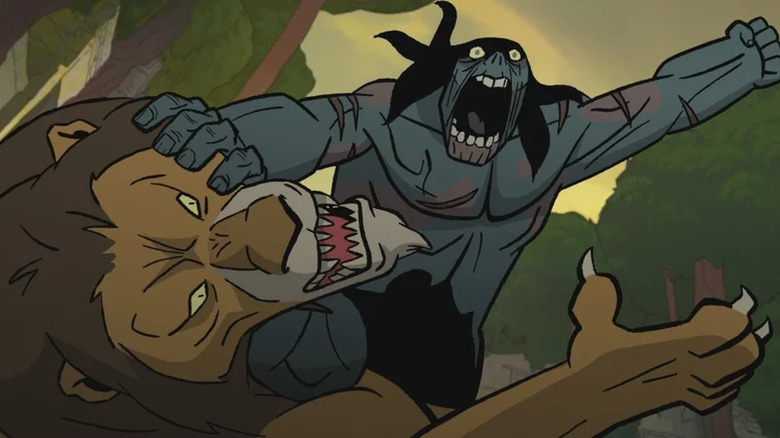
The year kicked off with a major paradigm shift in adult animation. Following the seemingly definitive, tragic conclusion of Season 2—which saw protagonist Spear sacrifice his life—many believed Genndy Tartakovsky’s Primal had reached its natural terminus. However, the debut of Primal Season 3 in early 2026 rewrote the rules. By making the bold creative choice to bring Spear back as a zombie, Tartakovsky opened up entirely new avenues for storytelling, blending visceral, blood-soaked action with surprisingly poignant, quiet character moments.
Spring 2026: Expanding Horizons with The Doomies and Avatar
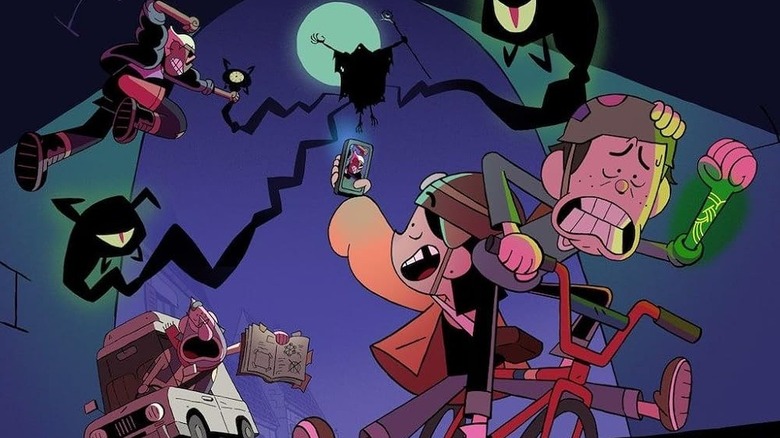
As the television season progressed into spring, platforms began leaning heavily into serialized world-building. Disney introduced The Doomies, an occult comedy-horror series created by Andrés Fernandez, Henry Gifford, and Rémi Zaarour. By marrying the monster-of-the-week charm of Goosebumps with the sprawling serialized mysteries of Gravity Falls, the show captured the attention of both young audiences and horror aficionados alike.
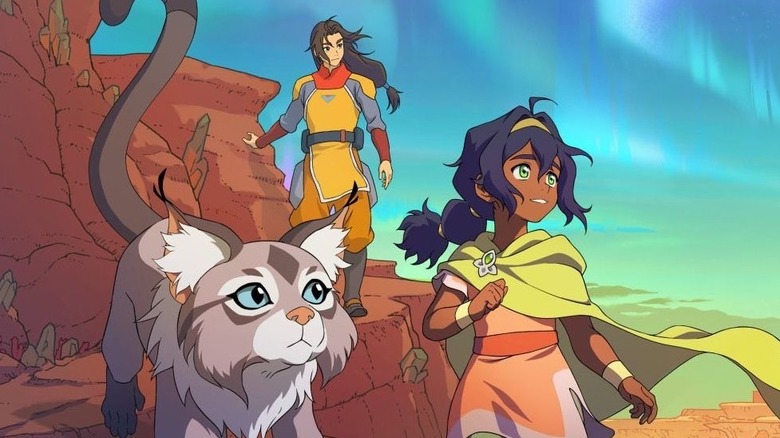
Simultaneously, Avatar Studios launched Avatar: Seven Havens. Set 200 years after the events of The Legend of Korra, the series boldly subverted franchise expectations by placing its protagonist in a post-apocalyptic world where the Avatar is viewed not as a savior, but as a destroyer.
Mid-2026: Cosmic Stakes in a Galaxy Far, Far Away and Beyond
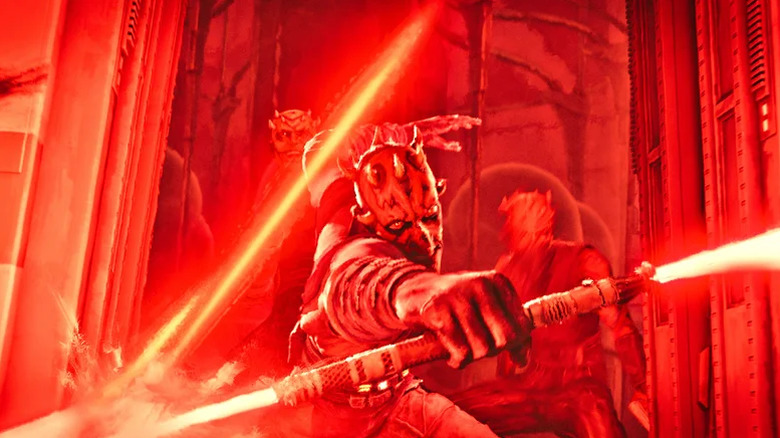
By mid-2026, major intellectual properties reached critical narrative mass. Lucasfilm released Star Wars: Maul — Shadow Lord, a project long demanded by fans that transformed a historically one-note villain into a deeply tragic, psychologically scarred figure. Concurrently, Prime Video’s Invincible returned for its fourth season, treating audiences to the long-awaited, cataclysmic Viltrumite War and grounding massive space opera elements in intimate, existential human drama.
Supporting Data: The 5 Definitive Animated Shows of 2026 (So Far)
1. Primal Season 3 (Adult Swim)
- The Creative Force: Genndy Tartakovsky.
- The Premise: Set within a compressed, highly detailed local geography rather than sprawling across continents, the third season follows a zombie iteration of Spear as he re-experiences the brutal yet beautiful prehistoric world.
- Why It Works: Tartakovsky proves his mastery over visual storytelling. The show retains its signature ultra-violence—where every bone-crushing impact and torn limb carries weight—while injecting a heartbreaking vulnerability into its undead protagonist. It is an exceptional masterclass in economic world-building.
2. The Doomies (Disney Television Animation / Xilam)
- The Creators: Andrés Fernandez, Henry Gifford, and Rémi Zaarour.
- The Premise: Often described as Evil Dead for kids, the series follows two best friends in a sleepy French coastal town who accidentally tear open a portal to the underworld, unleashing a relentless wave of eldritch horrors, zombies, and demons.
- Why It Works: Animated with distinct flair by French studio Xilam, The Doomies bridges the gap between classic spooky children’s television (like Courage the Cowardly Dog) and modern serialized mystery. Its deep respect for horror tropes makes it an essential watch across all age demographics.
3. Avatar: Seven Havens (Avatar Studios)
- The Premise: Taking place two centuries after The Legend of Korra, a global cataclysm has reduced human civilization to seven isolated havens. A young girl named Pavi discovers she is the next Avatar in a world that fears the very title.
- Why It Works: Seven Havens succeeds by weaponizing viewer nostalgia. By deliberately leaving gaps in the lore regarding what happened to Republic City and prior Avatars, the series builds an intoxicating mystery. Furthermore, the dynamic between Pavi and her twin sister Nisha establishes an emotional core unlike anything previously seen in the franchise.
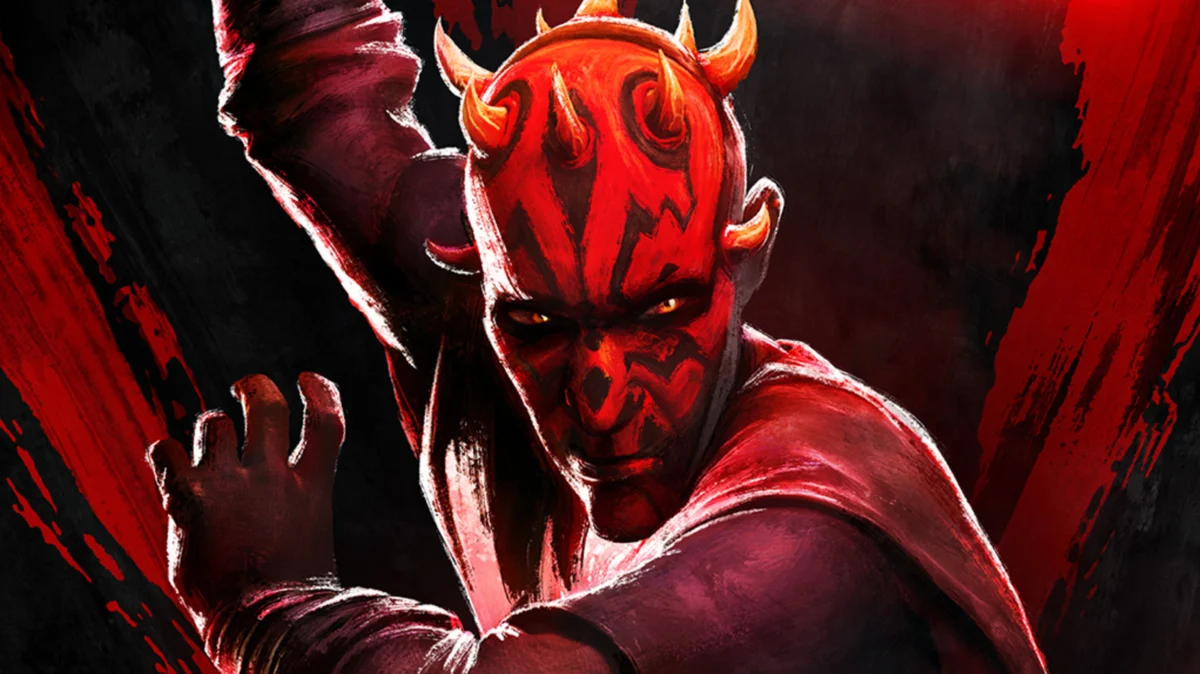
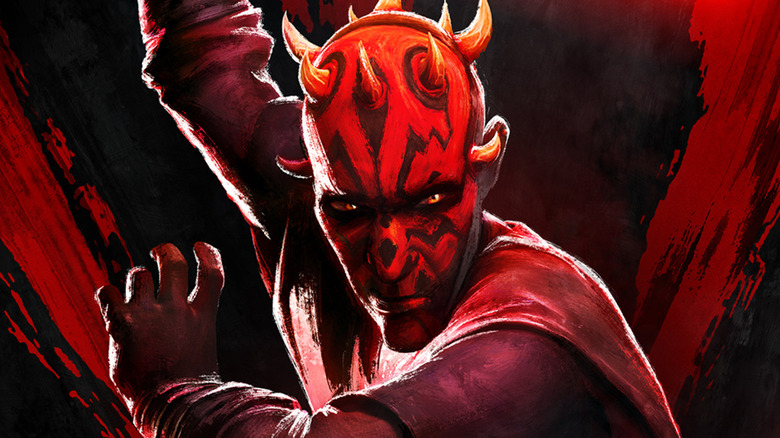
4. Star Wars: Maul — Shadow Lord (Lucasfilm)
- The Premise: A deep-dive character study focusing on the former Sith apprentice during his darkest, most desperate years, exploring the deep psychological trauma inflicted upon him by his Sith upbringing.
- Why It Works: Discarding extraneous side quests in favor of a tightly wound, serialized narrative, Shadow Lord delivers some of the best choreography in Star Wars history (including an unforgettable dream-duel between Sith). Combined with immaculate sound design—utilizing voice actor Sam Witwer’s actual screams for the blade’s audio—and visible paintbrush textures on the lightsabers, it is a technical and narrative triumph.
5. Invincible Season 4 (Prime Video)
- The Premise: Mark Grayson faces his greatest existential and physical trials yet as the devastating Viltrumite War unfolds across the cosmos, bringing massive lore drops about the thinning of the Viltrumite population.
- Why It Works: Past seasons occasionally struggled with pacing and inconsistent animation. Season 4 rectifies this by employing economic visual storytelling—saving its highest-budget animation for the most monumental moments. The result is a seamless fusion of breathtaking cosmic battles and deeply grounded, human character drama.
Official Responses and Industry Reception
Industry analysts and studio executives have taken note of the shifting critical consensus surrounding animation in 2026. While legacy institutions like print literary awards and traditional live-action critics’ circles have historically marginalized the medium, streaming metrics and fan engagement paint a radically different picture.
Representatives from Adult Swim and Lucasfilm have both emphasized in recent press panels that audiences are increasingly fatigued by repetitive live-action formulas that rely on volume over artistic vision. Creators like Genndy Tartakovsky have continually voiced the necessity of creative freedom within animation studios, noting that audiences are rewarding risks—such as turning an iconic protagonist into a zombie or exploring the generational trauma of a Star Wars villain.
Furthermore, international co-productions like Disney’s partnership with France’s Xilam for The Doomies highlight a growing industry trend: cross-border collaboration is no longer just a cost-saving measure, but a deliberate artistic choice designed to inject unique global aesthetics into domestic pipelines.
Implications: What This Means for the Future of Television
The overwhelming critical success of these five animated series in 2026 carries profound implications for the broader entertainment industry:
- The Death of the "Animation is for Kids" Fallacy: As shows like Primal and Star Wars: Maul — Shadow Lord command mature audiences with complex, violent, and psychologically heavy narratives, mainstream platforms are finally realizing that animation is a demographic-spanning medium, not a genre.
- Shift Toward Serialized, Prestige Animation: Traditional episodic cartoons are rapidly taking a back seat to high-concept, serialized storytelling. Shows like Avatar: Seven Havens and Invincible prove that viewers demand overarching mysteries, character arcs, and deep mythological world-building.
- Validation of International Studios: The triumph of European animation houses working on American IP demonstrates that the industry is decentralizing. Hollywood is increasingly reliant on international talent to provide fresh visual palettes that stand out in a crowded streaming market.
- Pressure on Live-Action Blockbusters: As animated projects like Invincible and Primal deliver epic, universe-shattering action sequences with more emotional resonance and visual coherence than multi-million-dollar live-action cinematic universes, studios will be forced to reevaluate where they allocate their production budgets.
Ultimately, 2026 has proven that animation does not need to mimic reality to feel real. By embracing the limitless potential of the pen, the paintbrush, and the digital canvas, these five shows have set a towering benchmark for the rest of the television landscape to follow.
