
The 2026 Grammy Best New Artist Race: How a Quiet Rule Change Upended Music’s Most Coveted Category
By The Hollywood Reporter Staff
Published in the October 7 issue of The Hollywood Reporter
Main Facts
The landscape of the Grammy Awards’ most fiercely contested and career-defining category—Best New Artist—underwent a seismic, albeit silent, transformation ahead of the 2026 voting cycle. In a subtle adjustment that sent shockwaves through artist management teams and label boardrooms alike, the Recording Academy quietly altered its eligibility criteria. Historically, emerging artists were strictly limited to three submissions or "shots" at qualifying for the Best New Artist category. Under the revised guidelines, that threshold has been expanded to four chances.
While appearing minor on paper, this single administrative tweak effectively rewrote the narrative of the current Grammy race, breathing new life into stalled campaigns and rescuing breakout acts who otherwise would have been permanently sidelined. Most notably, the rule change resuscitated the surging career of country sensation Ella Langley, transforming what would have been an ineligible campaign into an outright frontrunner status.
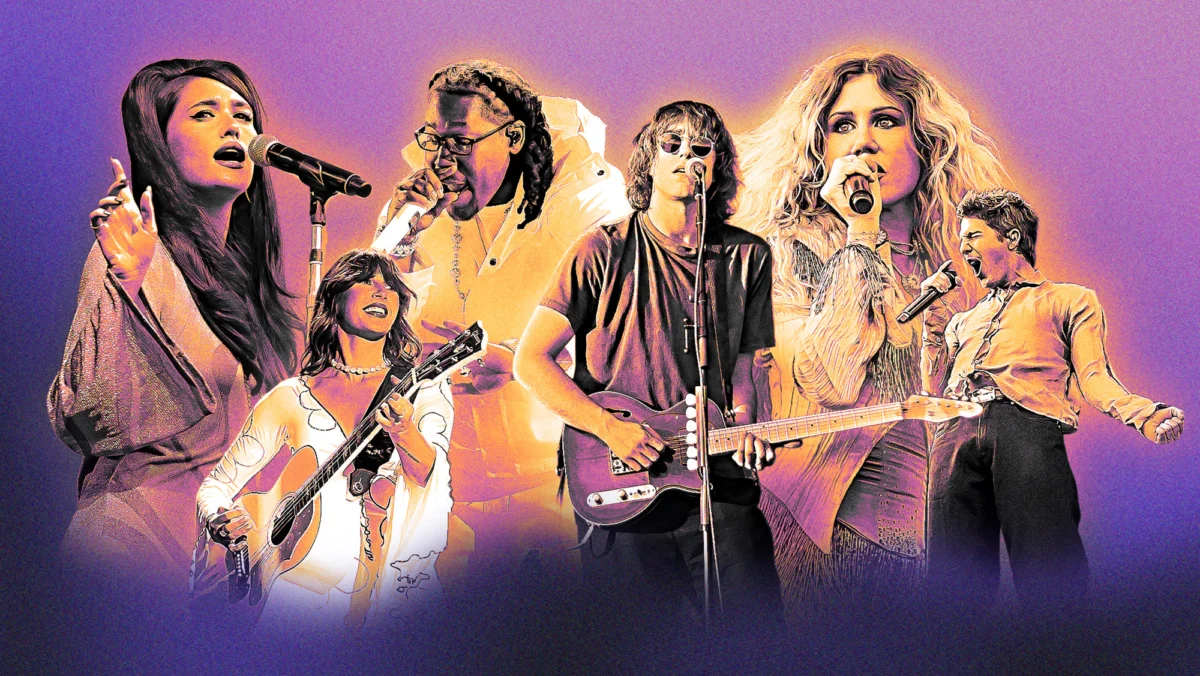
Beyond Langley, the prospective 2026 Best New Artist class presents a kaleidoscopic panorama of contemporary music. While pop music retains its traditional dominance across the charts, a vibrant injection of alternative subgenres—ranging from Brooklyn’s gritty indie-rock darlings Geese and rap powerhouse Don Toliver to the genre-defying hyperpop stylings of Slayyyter—promises a remarkably diverse field. Adding an unprecedented familial dynamic to the proceedings, singer-songwriter siblings Audrey Hobert and Malcolm Todd are projected to secure nominations, setting the stage for a historic brother-sister showdown on music’s biggest night.
Chronology of the Rule Change and the 2026 Race
To understand how the 2026 Best New Artist race reached its current boiling point, one must trace the timeline of administrative updates and commercial milestones that shaped the field over the past twenty-four months:
- Late 2023 – Mid 2024: Artists like Ella Langley begin generating substantial regional and streaming buzz. Under the traditional three-year window enforced by the Recording Academy, industry analysts calculate that Langley’s eligibility clock is rapidly expiring, prompting her team to accelerate project rollouts.
- Summer 2024: Rising indie-pop singer Malcolm Todd achieves viral traction with his breakout single "Earrings," setting the stage for his subsequent studio albums.
- Spring 2025: The Recording Academy quietly updates its rulebook for the 68th/69th Grammy cycles, expanding the Best New Artist eligibility threshold from three submission years to four.
- Mid-to-Late 2025: Tucker Pillsbury, performing as Role Model, achieves mainstream virality with "Sally, When the Wine Runs Out," establishing his staying power ahead of his third album cycle.
- Early 2026: Ella Langley releases her juggernaut single "Choosin’ Texas," which commences a historic, record-breaking run at the top of the charts. Without the Academy’s rule change, Langley would have been disqualified from consideration this cycle.
- Spring/Summer 2026: A wave of heavy-hitting sophomore and debut releases flood the market. Slayyyter drops Worst Girl in America, Sienna Spiro releases her debut album Visitor to critical acclaim, and Geese solidifies its status as the revivalist rock band of the moment.
- August 2026: Role Model releases his third studio album, Chuck Timely & the Hourglass, cementing his transition from internet-era darling to mainstream fixture.
- October 2026: The Hollywood Reporter publishes its definitive early handicap of the Grammy newcomers, spotlighting the unprecedented convergence of country dominance, familial rivalries, and indie-rock critical darlings.
Supporting Data and Contender Profiles
With the field rapidly solidifying, industry forecasters and critics are intensely scrutinizing the commercial data, critical reception, and cultural impact of the primary contenders vying for the 2026 Best New Artist gramophone.
Ella Langley: The Unstoppable Frontrunner
Barring an unforeseen controversy, country powerhouse Ella Langley stands as the overwhelming favorite to capture the Best New Artist trophy—marking the clearest frontrunner in the category since Olivia Rodrigo’s dominant sweep in 2022. Langley’s ascent was catalyzed by her inescapable single "Choosin’ Texas," which shattered modern records by spending an unprecedented 24 consecutive weeks at No. 1 on the Billboard Hot 100.
Her commercial dominance extended deep into the summer months, keeping two additional tracks permanently glued to the top 10: her Morgan Wallen duet "I Can’t Love You Anymore" and the viral sensation "Be Her." Furthermore, her second studio album, Dandelion, materialized as one of the definitive commercial blockbusters of 2026, debuting immediately at the apex of the Billboard 200 albums chart. If Langley secures the win, she will break a sixteen-year dry spell for the genre, becoming the first country act to claim Best New Artist since the Zac Brown Band triumphed in 2010.
Geese: The Indie-Rock Counterculture
Hailing from Brooklyn, the polarizing indie act Geese has defied traditional marketing playbooks to become one of the most talked-about rock groups of the decade. Boasting an enviable roster of high-profile champions—including Hayley Williams, Patti Smith, Mick Jagger, and Courtney Love, all of whom have publicly hailed Geese as the vanguard of modern rock—the band thrives amid controversy.
While purists occasionally debate their authenticity, and sensationalized headlines branding the group as an industry "psyop" designed to manufacture virality have only intensified public curiosity, Geese possesses the elusive "cool factor" that has successfully re-injected vitality back into mainstream rock discourse.
Audrey Hobert: Songwriting Savant Turned Pop Star
Audrey Hobert introduced a desperately needed wave of self-deprecating earnestness to the contemporary pop ecosystem with her debut full-length record, Who’s the Clown? Featuring quirky, lyrically dense compositions that chronicle the awkward humiliations of wanting to sleep with an ex ("Sue Me") or feeling entirely out of place at exclusive Hollywood gatherings ("Chateau"), Hobert has cultivated a fiercely loyal digital following alongside traditional pop enthusiasts.
Initially carving out a formidable reputation behind the scenes as a premier songwriter—penning hits for childhood best friend Gracie Abrams, including the catchy track "Minibar"—Hobert has decisively shifted her primary focus toward her solo performance career. Notably, her creative footprint extends across the broader 2026 Grammy landscape: she also contributed a standout track to the self-titled album of fellow Best New Artist hopeful Malcolm Todd—who happens to be her biological older brother.
Role Model (Tucker Pillsbury)
Operating under the moniker Role Model, singer-songwriter Tucker Pillsbury translated internet virality into sustainable industry longevity. Following the explosive breakout of his single "Sally, When the Wine Runs Out" in 2025, Pillsbury successfully crossed over from niche streaming success into the mainstream consciousness. Any lingering doubts regarding his staying power were decisively silenced with the August release of his third studio album, Chuck Timely & the Hourglass, which showcased refined songwriting and expanded sonic textures.
Slayyyter: The Hyperpop Hustler
Slayyyter’s trajectory toward a Best New Artist nomination has transitioned from a speculative possibility to a statistical certainty. After spending the better part of a decade grinding through the independent underground, her profile underwent a meteoric explosion over the past year. Propelled by her major-label debut album, Worst Girl in America, Slayyyter has secured her highest career debut on the official album charts, proving that uncompromising, hard-to-classify hyperpop can successfully breach the commercial mainstream without diluting its avant-garde edge.
Sienna Spiro: The British Vocal Powerhouse
At just 20 years old, British soul phenom Sienna Spiro has emerged as arguably the most vocally gifted newcomer of her generation, drawing immediate, inevitable comparisons to legendary compatriots Adele and Amy Winehouse. Spiro’s debut album, Visitor, stormed the charts by opening at No. 9 on the Billboard albums chart and peaking at No. 2 in the United Kingdom.
The project housed the Record of the Year contender "Die on This Hill" alongside the ubiquitous TikTok smash "You Stole the Show." Further cementing her commercial footprint, Spiro contributed the emotional anchor and biggest single to the blockbuster soundtrack of The Devil Wears Prada 2 with her soaring vocal performance on "Material Lover."
Malcolm Todd: TikTok’s Indie-Pop Prodigy
Malcolm Todd’s artistic momentum has been nothing short of relentless. His 2024 sleeper hit "Earrings" experienced a massive algorithmic resurgence last year, morphing into a enduring cultural fixture for the 23-year-old musician. At press time, the track maintains a formidable presence at No. 20 on the Billboard Hot 100 and sits at No. 4 on Spotify’s intensely competitive weekly streaming chart. Capitalizing on his dominant presence across short-form video platforms, Todd translated digital engagement into physical album sales with Do That Again, his sophomore studio effort, which debuted at No. 5 on the charts following its June release.
Don Toliver: The Rap Vanguard
In a rare calendar year marked by a noticeable scarcity of breakout hip-hop stars, Don Toliver stands alone as the genre’s definitive commercial and cultural titan. His latest studio album, Octane, debuted at the summit of the Billboard 200, moving an impressive 162,000 equivalent album units in its first week alone. Beyond pure streaming metrics, Toliver has established himself as an undeniable live powerhouse, executing a completely sold-out arena tour across North America that underscores his massive, highly engaged fan base.
Official Responses and Industry Reactions
The silent modification of the Recording Academy’s eligibility bylaws has generated widespread discourse among artist managers, label executives, and Grammy voting members. While the Academy typically operates with administrative opacity regarding internal rule adjustments, industry insiders have been vocal about the profound implications of extending the newcomer threshold from three years to four.
Talent representatives have largely praised the adjustment, arguing that the modern music ecosystem moves at a velocity that frequently penalizes slow-burn artist development. Under legacy streaming algorithms and fragmented playlisting cultures, many authentic singer-songwriters and alternative acts require more than three distinct project cycles to break through the noise of major-label saturated markets.
Conversely, purist factions within the voting body have privately expressed caution, questioning whether expanding the window blurs the strict definition of what constitutes a "new" artist. Nevertheless, the immediate beneficiary of the ruling—Ella Langley—and her camp have embraced the second lease on life, utilizing the unexpected reprieve to mount what many are calling a historic campaign for country music’s representation on the Grammy stage.
Implications for the 69th Grammy Awards
The convergence of this rule change, the staggering commercial success of genre-crossing frontrunners, and unique cultural anomalies—such as the potential sibling rivalry between Audrey Hobert and Malcolm Todd—carries massive implications for the upcoming Grammy Awards ceremony.
- The Country Renaissance: Should Ella Langley convert her frontrunner status into an actual victory, it will shatter a 16-year glass ceiling for country music in the Best New Artist category. This potential win signals a broader industry trend of Nashville-adjacent sounds bleeding seamlessly into mainstream pop and streaming consciousness.
- Genre Diversity on the Ballot: The anticipated inclusion of abrasive indie-rock (Geese), underground hyperpop (Slayyyter), and traditional British soul (Sienna Spiro) guarantees that the 2026 Best New Artist category will reject homogenous pop-star formatting, offering voters a remarkably eclectic slate of nominees.
- The Sibling Showdown: The simultaneous viability of Audrey Hobert and her brother Malcolm Todd introduces an unprecedented narrative hook for entertainment media and casual viewers alike. A head-to-head family competition in a major televised category provides the Academy with an organic, high-engagement storyline that transcends standard music industry reporting.
Ultimately, the 2026 Best New Artist race will be remembered not only for the exceptional caliber of talent inhabiting the ballot, but as the year a single, quiet administrative stroke of a pen completely altered the trajectory of modern music history.
