
A New Command: Tony DiNozzo Takes the Helm in NCIS Season 24
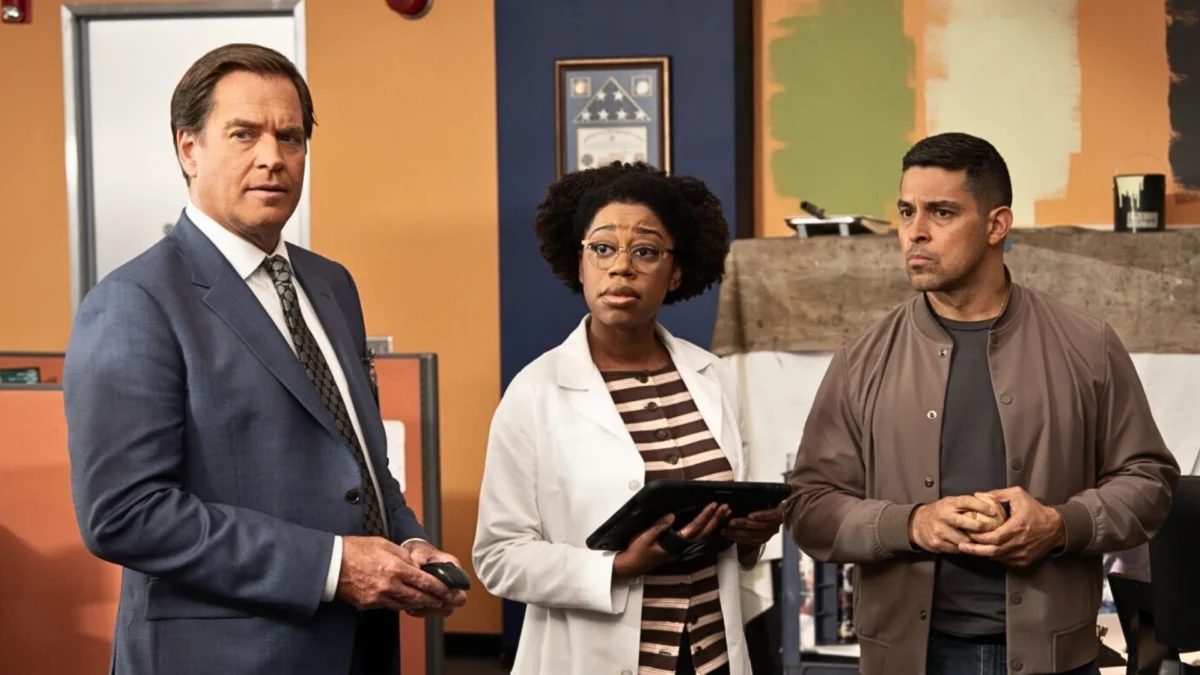
After an unprecedented 23-year run that cemented its status as a cornerstone of American television, CBS’s NCIS has officially entered its most transformative era to date. The Season 24 premiere, which aired earlier this month, did more than just kick off a new season; it fundamentally altered the DNA of the series, bidding a permanent farewell to a long-standing leader and ushering in a fan-favorite return that has completely reshuffled the agency’s hierarchy.
For nearly two and a half decades, NCIS has weathered cast departures, spin-offs, and shifts in network strategy. However, the events of the latest premiere mark a distinct pivot point, signaling that the show is not merely resting on its legacy but is actively seeking to redefine the dynamics of the Naval Criminal Investigative Service.
The Succession: From Special Agent to Director
The narrative seismic shift arrived with the confirmation of Leon Vance’s departure. Following the character’s death in the dramatic conclusion of Season 23, the agency faced a vacuum at the top—a void that necessitated a leader with both deep institutional knowledge and a fresh, unconventional approach. Enter Tony DiNozzo.
Michael Weatherly, who departed the main cast years ago to pursue other ventures and lead his own private security firm, has returned to the fold in a capacity that few viewers predicted. Following a high-stakes case that required the unique expertise of the former field agent, the Secretary of the Navy officially appointed DiNozzo as the new Director of NCIS.

This is not a fleeting cameo or a temporary narrative bridge. Showrunner Steven D. Binder has confirmed that DiNozzo’s elevation is a season-long arc, placing him in the seat previously occupied by the stern and tactical Leon Vance. The transition serves as a bridge between the show’s storied past and its evolving future, testing whether the man who was once known for his movie-quoting, playboy-adjacent antics in the field can command the entire organization.
Chronology of the Shift
To understand the weight of this change, one must look at the progression of leadership within the NCIS universe:
- The Early Years (2003–2008): Under the guidance of Special Agent in Charge Leroy Jethro Gibbs, the team operated with a singular, iron-fisted focus. The agency was largely defined by field operations rather than administrative maneuvering.
- The Vance Era (2008–2026): Leon Vance brought a centralized, strategic, and often bureaucratic discipline to the agency. His tenure was defined by the transition of NCIS from a local unit into a global intelligence powerhouse.
- The Post-Vance Void (Season 23 Finale): The death of Vance left the agency vulnerable. The resulting power vacuum necessitated immediate intervention from the Secretary of the Navy, leading to the selection of a successor who could command the respect of the field agents while navigating the political corridors of Washington D.C.
- The DiNozzo Appointment (Season 24 Premiere): DiNozzo accepts the position, transitioning from a private security consultant back into the government sector. The appointment is finalized, and the new office structure is established, setting the stage for the current season’s procedural and character-driven conflicts.
Official Responses and Creative Vision
The decision to install DiNozzo as Director was a deliberate choice by the NCIS creative team, aimed at shaking up the established "formula" of the show. According to showrunner Steven D. Binder, the objective was to create a dynamic that feels both nostalgic and refreshingly unpredictable.
"Tony is like the kid in high school who pulled the fire alarm, and then you come back 20 years later and he’s the principal," Binder noted in a recent interview with The Wrap. The analogy perfectly encapsulates the tonal shift the writers are aiming for. By replacing a "hardass" administrator like Vance with someone who has a history of field work, humor, and a penchant for pop-culture references, the show is aiming to soften the edges of the administrative office while keeping the stakes high.

The Secretary of the Navy’s reasoning—that the country "needs" someone of DiNozzo’s specific caliber—underscores the idea that the threat landscape in the NCIS world has become too complex for traditional, rigid leadership. DiNozzo brings an "off-beat" competency that the show’s writers believe will reinvigorate the office scenes, which have historically been the most static portions of the series.
The New Dynamic: Found Family and Friction
While the promotion is a significant administrative development, the heart of NCIS remains the interpersonal relationships of its agents. The Season 24 premiere and the subsequent promo for the upcoming episode, "Clean Slate," highlight the inevitable friction between the new Director and his subordinates.
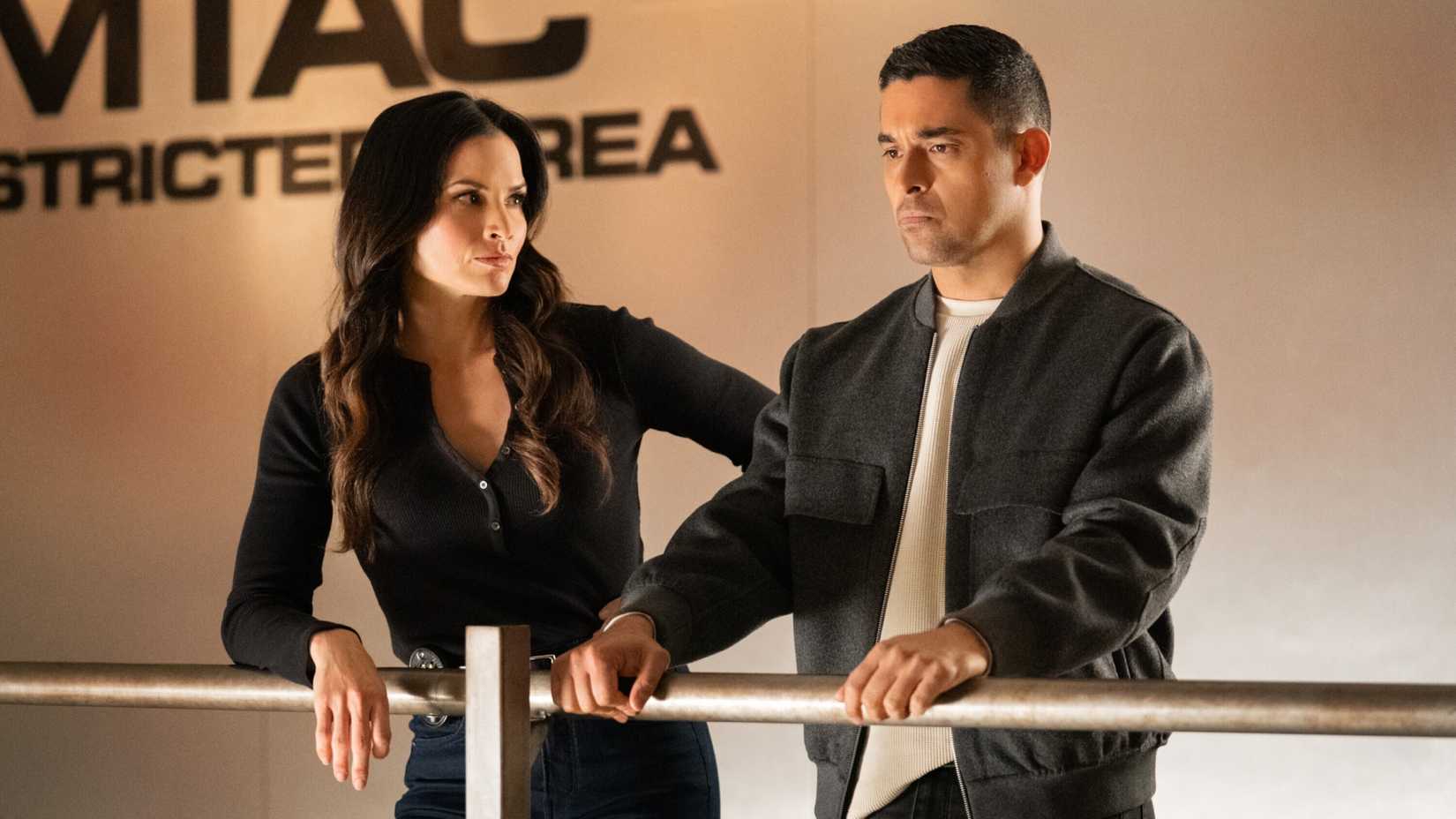
A standout moment in the new episodes involves Special Agent Jessica Knight, played by Katrina Law. In a scene that mirrors the classic camaraderie of the show’s golden era, Knight attempts to curb DiNozzo’s caffeine intake, limiting him to a single latte. This brief exchange serves as a microcosm for the show’s new direction: while the stakes involve national security and solving gruesome crimes, the "found-family" dynamic that has kept fans engaged for 23 years remains the primary driver of the narrative.
DiNozzo’s approach to leadership is characterized by his mantra to his team: "Your job is to solve cases; mine is to make sure nothing gets in your way." This philosophy marks a departure from the oversight-heavy style of previous directors, suggesting a more hands-off, collaborative, and perhaps more chaotic environment.
Implications for the Future of the Franchise
The implications of this move are significant, both for the show’s longevity and its narrative scope. By centering the series around a former protagonist who has "grown up," NCIS is essentially inviting long-term viewers to grow along with it.
1. Retention of Legacy
By bringing back a legacy character like Tony DiNozzo, CBS is doubling down on its most loyal demographic. The move recognizes that while NCIS has successfully introduced new agents, the "soul" of the show is tied to the history built during the early 2000s.
2. Narrative Versatility
A Director who isn’t afraid to break the mold allows for more creative procedural storytelling. If the leader of the agency is prone to off-beat humor and unconventional methods, the episodes can shift away from the "boss-versus-agent" tension and focus more on the external threats and the evolving nature of global crime.
3. Franchise Connectivity
The NCIS universe has expanded significantly with spin-offs like NCIS: Hawaii, NCIS: Los Angeles, and NCIS: Sydney. A Director like DiNozzo—who has deep ties to the entire franchise history—is uniquely positioned to facilitate crossover events that feel earned rather than forced.

4. The Risk of Stagnation
The challenge, of course, lies in balance. If DiNozzo becomes too "soft" or too humorous, the series risks losing the gravity that has kept it relevant in a post-9/11 landscape. However, based on the early reception, the writers seem committed to maintaining the high-stakes tension while allowing the new Director to bring his signature charm to the fore.
Supporting Data and The Path Forward
The series continues to be a juggernaut for CBS. Despite the changing landscape of streaming versus linear television, NCIS remains a ratings titan. Its ability to pivot—as evidenced by this latest leadership change—is a testament to the strength of its writing room and its ability to adapt to the changing cultural climate of the last two decades.
As "Clean Slate" approaches, audiences are eager to see how the team reacts to the first major crisis under the DiNozzo administration. Will his unorthodox leadership style hold up when the pressure of a national security incident mounts? Or will the agency find itself longing for the more predictable, disciplined approach of the past?
One thing is certain: the era of the "Principal" has begun. Tony DiNozzo is no longer the agent pulling the fire alarm; he is the one who has to decide how to handle the fire. For a show that has survived for 23 years, this is not just a fresh start—it is a bold assertion that NCIS still has plenty of stories left to tell.

The transition, while shocking, is a masterclass in long-term character development. It rewards the audience for their patience and provides a narrative hook that is strong enough to carry the show through its 24th season and perhaps well beyond. As we watch the new Director find his footing, one can’t help but appreciate the sheer tenacity of a series that continues to reinvent itself without losing the heart that made it a global phenomenon in the first place.
