
From a $100,000 Pitch to a Seven-Figure Acquisition: How Nicolas Curcio’s Play House Became Horror’s Most Anticipated Indie Breakthrough
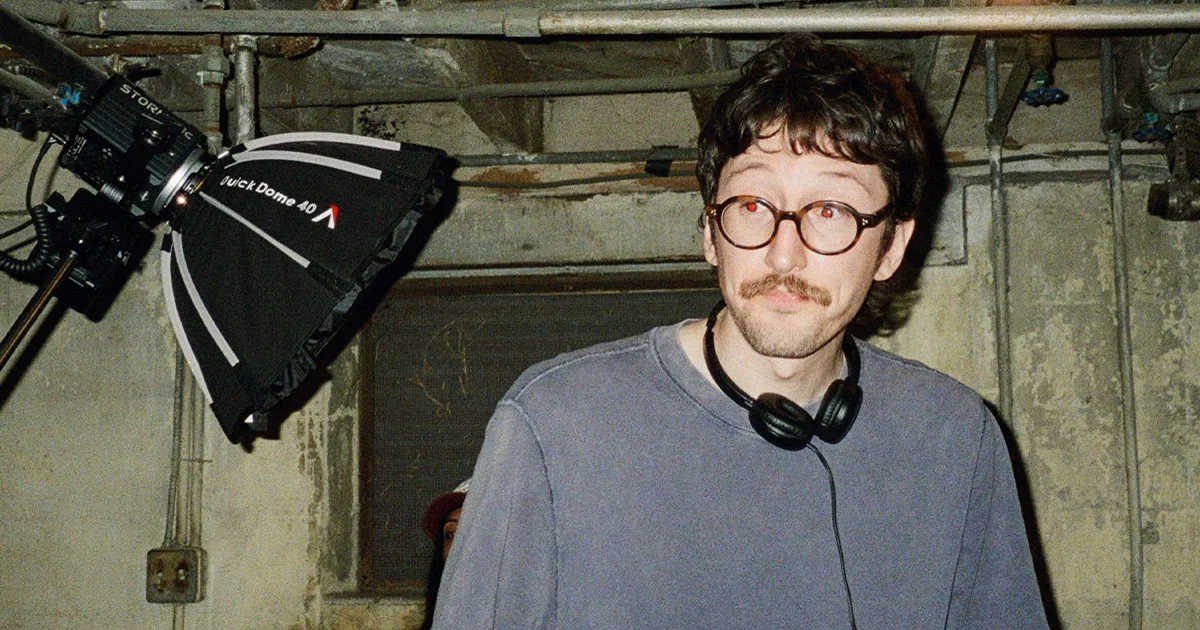
In the hyper-competitive landscape of contemporary independent cinema, turning a shoestring budget into a multi-million-dollar distribution deal is the ultimate Hollywood fairy tale. Yet, for writer-director Nicolas Curcio and producer-writer Kirby Gladstein, that dream has officially materialized. Following its buzzy world premiere at Fantastic Fest, their micro-budget horror feature Play House was acquired in a lucrative, seven-figure worldwide deal by industry powerhouses Focus Features and Blumhouse-Atomic Monster.
Shot for just over $100,000—funding initially secured by winning the inaugural Fantastic Pitches competition—the film has vaulted from a grassroots passion project into one of the most anticipated horror releases on the horizon. With Universal Pictures International slated to handle overseas territories outside of Latin America and India, Play House is officially locked in for a theatrical release in 2027.
As the genre community buzzes over this unprecedented success story, the film represents more than just a smart financial return; it is a masterclass in resourcefulness, atmospheric dread, and the modern viability of indie horror.
Main Facts: The Anatomy of a Blockbuster Indie Deal
The headline-grabbing acquisition, first broken by Deadline, marks a monumental milestone for its principal creators. The agreement grants Focus Features and Blumhouse-Atomic Monster worldwide rights to Play House, excluding Latin America and India, ensuring a massive global footprint for a movie built on a micro-budget. While an exact theatrical release date within 2027 has not yet been pinned down by the distributors, the commitment from two of the premier brands in elevated and commercial horror guarantees a robust marketing and theatrical push.
At its core, Play House is a psychological-supernatural horror film rooted in the unease of forgotten media and domestic desperation. The narrative follows Elliott, a down-on-his-luck protagonist played by Will Harrison, who takes on the daunting task of renovating a decaying house in a last-ditch effort to win back his ex-partner. While cleaning the property, Elliott discovers a series of old VHS tapes hidden behind the water heater.
The tapes contain episodes of Monster Alley, an eerie, unaired children’s television show featuring dead-eyed felt puppets and a dangerously earnest host named Mr. Morton (portrayed with chilling sincerity by James Urbaniak). As Elliott digs deeper into the dark history of the program, the show’s malign influence bleeds out of the television screen, directly sabotaging his fragile chances at reconciliation and turning his life into a waking nightmare.
Rounding out the principal cast are Jessica Sula and Jordan Gonzalez, anchoring a lean, character-driven narrative that prioritizes psychological claustrophobia over cheap jump scares.
Chronology: From Ghost Neighborhoods to Fantastic Fest Glory
The journey of Play House from an abstract concept to a seven-figure property spans years of localized observation, creative hustle, and strategic competition victories.
The Seeds of South Pasadena
The genesis of the film traces back to the empty, ghostly streets of South Pasadena, California. Co-writer and producer Kirby Gladstein detailed to Bloody Disgusting that the aesthetic and thematic foundations of Play House were born from the abandoned homes she and Curcio routinely walked past.

Decades prior, in the 1950s and 1960s, Caltex acquired roughly 400 to 500 residential properties to clear land for a freeway expansion that ultimately never materialized. The resulting ghost neighborhood—homes left to rot in plain sight while urban life rushed past them—served as the physical and metaphorical blueprint for the decaying house in the film, establishing a palpable atmosphere of stagnation and institutional abandonment.
The Pitch That Funded the Frame
Before cameras rolled, Curcio and Gladstein had to clear the eternal hurdle of independent filmmaking: securing capital. The turning point arrived when Curcio entered the inaugural Fantastic Pitches competition, a platform run jointly by Fantastic Fest and Chroma.
By winning the competition, Curcio secured $100,000 in dedicated production financing. Operating under the banner of Skinny Ghost—alongside producers Ben Gojer, Jack Forbes, and Derek Tramont—the team stretched every single dollar, keeping the total production cost just over the initial prize amount.
The Festival Premiere and the Sale
Armed with a finished film that weaponized analog nostalgia and uncanny puppetry, the filmmakers brought Play House to Fantastic Fest. The premiere immediately generated intense word-of-mouth among critics and genre buyers alike. Daily Dead’s glowing festival review highlighted the unsettling nature of Monster Alley and singled out James Urbaniak’s chillingly straight-faced performance as a masterclass in subverting wholesome tropes.
Sensing a crossover hit with immense commercial potential, Focus Features and Blumhouse-Atomic Monster moved quickly, finalizing the seven-figure acquisition that catapulted Curcio’s debut feature into the major leagues.
Supporting Data: Behind the Analog Lens and Puppet-Craft Dread
Understanding Play House requires examining the multi-hyphenate backgrounds of its creators and the deliberate artistic choices that elevated a $100,000 production to studio-tier quality.
Nicolas Curcio’s Multifaceted Rise
Nicolas Curcio did not follow a traditional Hollywood trajectory into feature-film directing. He built his reputation primarily as a talented screenwriter, having penned the animated feature GOAT and the upcoming thriller Sweet Spot.
Furthermore, Curcio carved out a significant digital presence running a popular TikTok account dedicated to the mechanical craft of screenwriting. This digital savvy naturally translated into promotional consulting work for elite indie distributors like A24 and NEON, granting Curcio an acute, contemporary understanding of how modern audiences consume and discuss cinematic media.
The Philosophy of Uncanny Nostalgia
A critical element of the film’s success is its subversion of childhood nostalgia. Speaking to Mama’s Geeky, James Urbaniak explained that he modeled his character, Mr. Morton—the host of the cursed Monster Alley—partly on legendary public television icon Fred Rogers. However, rather than playing the archetype for campy laughs or cynical pastiche, Urbaniak delivered the sincerity completely straight.
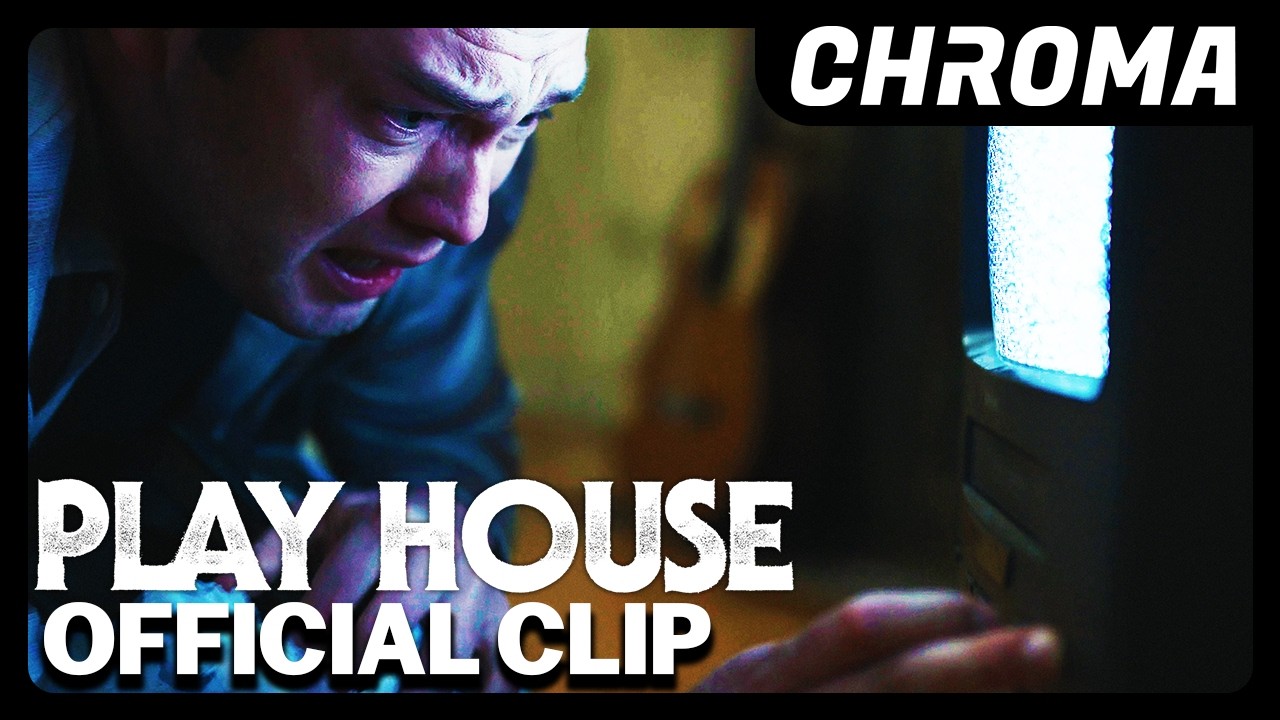
This creative decision aligns precisely with Curcio’s overarching thematic engine. In interviews, the director noted that "when you reexamine the media that you were raised on as an adult, you can see it in a whole new light." By treating the wholesome aesthetic of 20th-century children’s programming with absolute, unyielding earnestness, the horror becomes far more insidious and psychologically resonant.
Official Responses and Industry Context
The acquisition of Play House is part of a broader, highly strategic trend in modern horror distribution, particularly regarding the symbiotic relationship between Focus Features and Blumhouse-Atomic Monster.
A Growing Studio Partnership
Focus Features and Blumhouse have increasingly aligned their considerable resources to capture the bleeding edge of independent horror talent. Their ongoing collaboration has yielded notable acquisitions and release strategies. For instance, the two companies previously paired up on Josh Giuliano’s Occupant following its Toronto International Film Festival (TIFF) premiere.
Furthermore, Focus Features has staked out prime release calendar real estate for similarly edgy genre offerings, scheduling Curry Barker’s Anything But Ghosts for May 7, 2027, while horror visionary Robert Eggers’ Werwulf is positioned for a high-profile Christmas Day release. Landing Play House within this elite pipeline proves that studio executives view Curcio’s micro-budget debut not as a quirky novelty, but as a cornerstone commercial asset for their upcoming horror slates.
Implications: What Play House Means for the Future of Indie Horror
As the industry looks ahead to the film’s 2027 theatrical rollout, Play House carries profound implications for aspiring filmmakers, digital-age creators, and major studios alike.
1. The Death of the Gatekeepers and the Triumph of the Pitch
The film’s origin story—moving from a festival pitch competition win to a seven-figure studio sale—reinforces the viability of alternative financing routes. In an era where traditional studio greenlights are increasingly difficult for unproven talent to secure, platforms like Fantastic Pitches offer a viable springboard. Curcio proves that a compelling concept, absolute clarity of vision, and exceptional execution can bypass traditional development hell.
2. The Power of Tangible, Low-Tech Practicality
In a cinematic landscape often saturated with polished, high-cost CGI, Play House weaponizes the tactile discomfort of practical effects. The film’s greatest aesthetic asset is its puppet cast: dead-eyed, handmade felt creations designed for a show that was never meant to be broadcast. While maintaining dread across a short web video is one thing, sustaining that atmospheric terror across a 90-minute feature is a notoriously difficult tightrope walk. If Play House successfully translates the unsettling aura of its cursed VHS tapes into a sustained feature-length narrative, it could usher in a new wave of analog-horror-inspired theatrical features.
Conclusion
Nicolas Curcio and Kirby Gladstein took an abandoned neighborhood, a $100,000 pitch prize, a handful of actors, and some unnerving felt puppets, and forged a movie that command the attention of the industry’s heaviest hitters. As Play House marches toward its 2027 theatrical debut under the banner of Focus Features and Blumhouse-Atomic Monster, it stands as an inspiring testament to modern independent filmmaking: a reminder that true dread costs very little to manufacture, but can be worth millions when executed with undeniable brilliance.
