
The Evolution of Terror: How Mike Flanagan’s Carrie Reimagines Stephen King’s Iconic Mythos
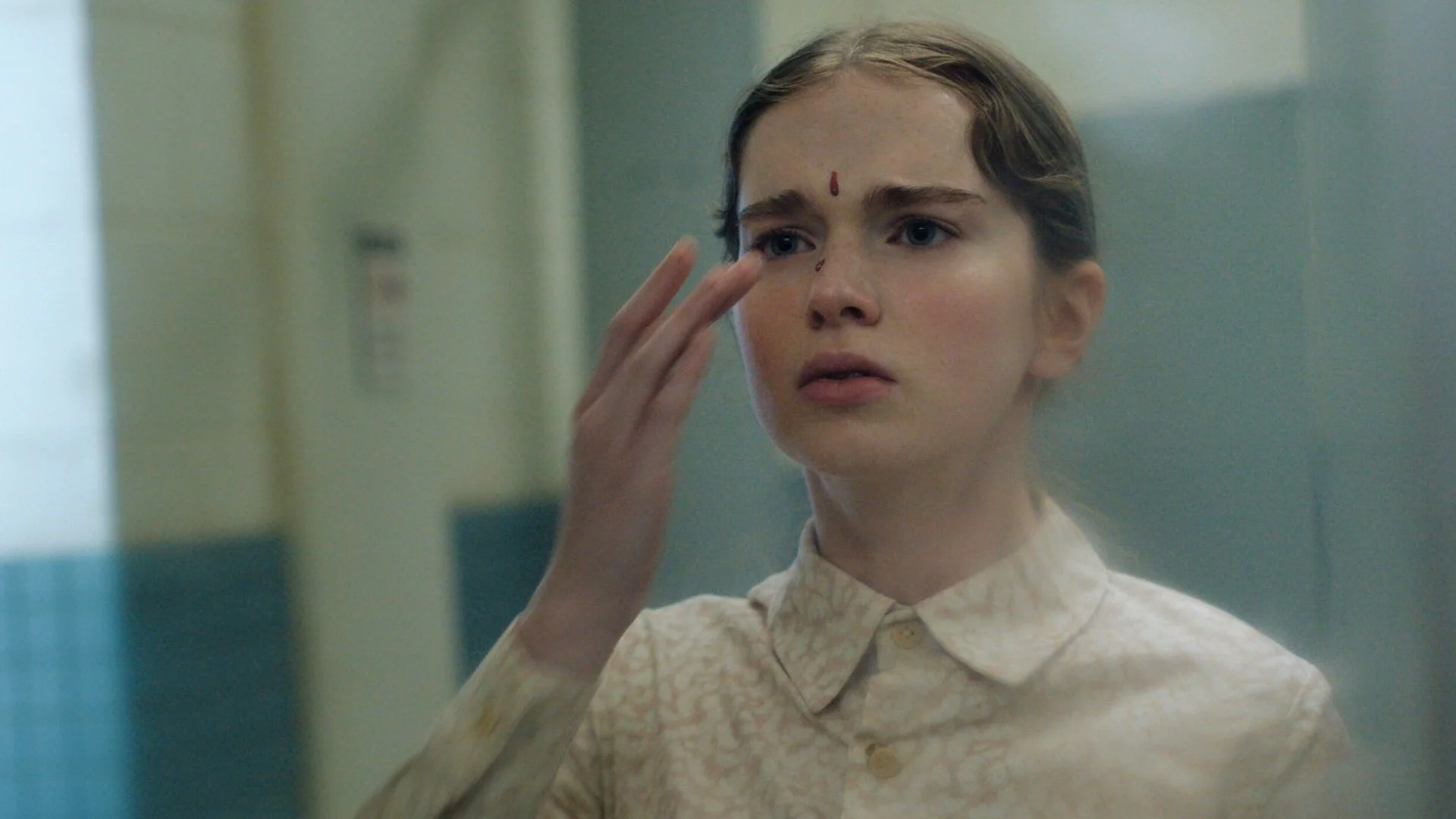
Stephen King’s debut novel, Carrie, has long been considered the gold standard for high school horror. Since its publication in 1974, the tragic tale of Carrie White—a bullied, telekinetic teenager pushed to the breaking point by religious zealotry and peer cruelty—has been adapted for the screen multiple times. Yet, Mike Flanagan, the visionary director behind The Haunting of Hill House and Doctor Sleep, has achieved the seemingly impossible: he has revitalized the source material. By mining a subtle, overlooked detail from the original text, Flanagan’s new Prime Video series introduces a sprawling, supernatural conspiracy that transforms a singular tragedy into a much larger, more ominous mystery.
The Core Transformation: Expanding the Scope of the Supernatural
At the heart of Flanagan’s adaptation is a bold narrative expansion. While the core of the story remains faithful—Carrie White (played by Summer H. Howell) is still the marginalized outcast of Thomas Ewen Consolidated High School—the world she inhabits is no longer isolated.
In previous iterations, Carrie’s telekinesis was treated as a lonely, terrifying mutation. Flanagan, however, reframes her abilities as part of a lineage. The most significant structural change involves the character of Emaline West (Thalia Dudek), a student who seemingly befriends Carrie early in the series. As the narrative progresses, it becomes clear that Emaline is not merely a classmate; she is an astral-projecting entity tasked with monitoring Carrie. This revelation shifts the genre of the series from a straightforward tragedy to a tense supernatural thriller, exploring the question: What happens when a person of mass destruction is discovered by a hidden, organized society?
A Chronology of Discovery: From High School Outcast to Cosmic Pawn
The brilliance of Flanagan’s pacing lies in how the audience learns about this "sorority of gifted women" alongside Carrie.
- Early Episodes: The series establishes the familiar rhythm of Carrie’s life—the isolation at home with her fanatical mother, Margaret, and the relentless torment from Chris Hargensen and her peers. Emaline appears as a beacon of light, a sympathetic ear who encourages Carrie to harness her volatile energy.
- The Mid-Season Pivot: By Episode 5, the "friendship" is deconstructed. The revelation that Emaline is not physically present at the high school, but is instead communicating through astral projection, serves as the series’ primary catalyst.
- The Escalation: With the truth revealed, the narrative trajectory changes. Carrie is no longer just struggling to survive high school; she is being groomed, evaluated, and potentially judged by an external, clandestine force that views her powers as either a resource or a threat.
- The Impending Climax: As the show barrels toward the inevitable, horrific prom night, the viewer is forced to wonder: Is the massacre the result of a girl losing control, or is it the orchestrated outcome of an external agenda?
Supporting Data: The "Sorority" of Gifted Women
Flanagan’s decision to flesh out this aspect of the story is not a departure from the source material, but rather a deep dive into its subtext. In his interview with CinemaBlend, Flanagan clarified that the groundwork for this expansion was always buried within the pages of King’s novel.
"It was all in reaction to something in the book, which was that Carrie is part of this kind of large sorority of gifted women," Flanagan noted. "And she just, in the book, never lives long enough to find that out."
This "sorority" represents a fascinating, untapped well of lore. By positioning Carrie as a young, untrained member of a larger sisterhood, Flanagan provides a logical explanation for her rapid development of powers. It shifts the trope of the "lone freak" to that of a "potential recruit," adding a layer of bureaucratic menace to the supernatural elements. Furthermore, the astral projection aspect mirrors the psychic connectivity explored in Flanagan’s Doctor Sleep, establishing a thematic through-line in his work that suggests psychic phenomena are never truly singular—they are always part of a wider, often dangerous, network.
Official Perspectives: The Philosophy of Adaptation
Mike Flanagan’s approach to Carrie is a masterclass in modern adaptation. Instead of attempting to "fix" what is already a classic, he is illuminating the shadows. By focusing on the characters’ internal psychological landscapes—framed through the lens of Sue Snell’s interviews—Flanagan forces the audience to re-examine the tragedy of the White family.
Flanagan has been vocal about his desire to treat the source material with reverence while simultaneously pushing it into new, uncharted territories. He argues that the horror of Carrie is not just in the telekinesis, but in the institutional failure to protect a vulnerable child. By introducing the society of gifted women, he adds another layer of institutional pressure: the pressure of being watched, analyzed, and categorized by others who possess the same frightening power.
Implications: A New Era for Stephen King Adaptations
The implications of this series are profound for the future of King’s adaptations. Flanagan has demonstrated that there is still immense value in the "King Cinematic Universe," provided the creators are willing to look at the source material through a different lens.
- Re-contextualizing Trauma: By introducing Emaline, Flanagan suggests that Carrie’s suffering was not just a product of her environment, but part of a larger, systemic struggle for those with supernatural gifts.
- The Mystery Element: The inclusion of an "organization" behind the scenes adds a procedural element to the horror. It raises questions about the nature of these powers: Are they inherited? Are they genetic? Or are they something more metaphysical?
- Audience Engagement: Fans are now tasked with re-watching earlier episodes to spot the "clues" regarding Emaline’s true nature. Her lack of physical interaction with the environment—a detail that now seems glaring in retrospect—is a testament to the show’s clever foreshadowing.
Ultimately, this series challenges the audience to consider whether Carrie White was a victim of circumstance or a participant in a larger, darker game. The series does not shy away from the horrific, cathartic violence that made the original book famous, but it provides a "why" that is far more haunting than the "how."
Conclusion: The Tragic Heart Remains
Despite the complex additions of secret societies and astral projection, the series never loses sight of its "tragic heart." Carrie remains the broken, terrified girl looking for a way out of her mother’s shadow. By giving her a peer in Emaline—even one with ulterior motives—Flanagan underscores the tragedy of her situation.
If Carrie had found this sisterhood under different circumstances, perhaps the tragedy of the prom would have been avoided. But in the world of Stephen King, power often demands a sacrifice. As the series continues to captivate audiences on Prime Video, it stands as a reminder that the best way to honor a legendary story is not to retell it exactly as it was, but to find the hidden truths waiting to be excavated from the page. Flanagan hasn’t just adapted Carrie; he has expanded the borders of her world, proving that even after decades, the story of the girl from Chamberlain, Maine, still has the power to surprise, terrify, and break our hearts.
