
The "Other Mommy" Paradox: Why Marketing Magic Couldn’t Save a Fragmented Horror Vision
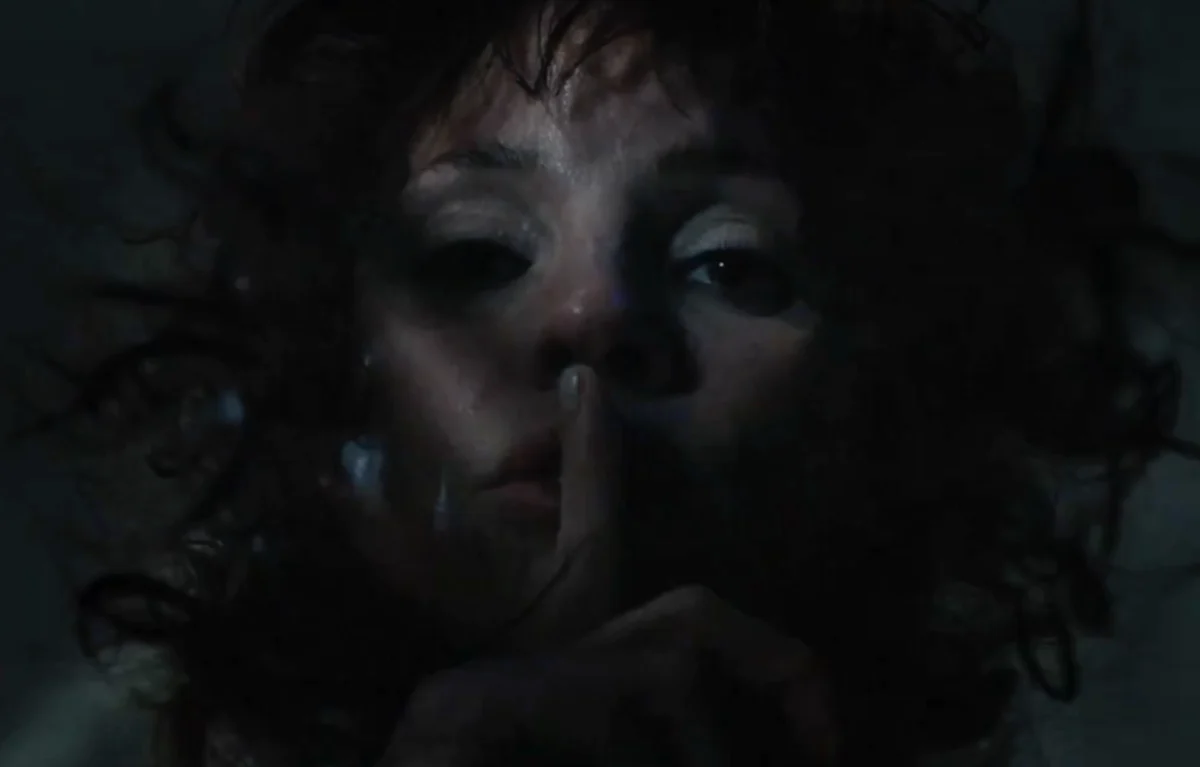
In the landscape of modern horror, the gap between a trailer’s promise and the final film’s reality has rarely been as pronounced as it is with Other Mommy. A high-profile collaboration between Universal Pictures, Blumhouse, and James Wan’s Atomic Monster, the film arrived in theaters with the momentum of a juggernaut. With a powerhouse lead in Jessica Chastain and a marketing campaign that expertly sold a "gateway horror" thrill ride, the film was poised to be the genre’s next major tentpole.
However, as the dust settles on its opening weekend, Other Mommy presents a complex case study in modern film distribution: a commercial success that is nonetheless mired in a critical and audience-driven identity crisis.
The Main Facts: A Box Office Triumph or a Creative Failure?
The numbers tell a story of resilience, if not outright critical acclaim. Directed by Rob Savage, Other Mommy secured an estimated $27.5 million at the domestic box office during its opening weekend. When weighed against its reported $19 million production budget, the film is technically a financial success. In an era where original IP often struggles to find footing against established franchises, clearing the production cost in three days is no small feat.
Yet, these figures exist in a vacuum of commercial logic. The qualitative reception has been, by nearly every metric, disastrous. The film earned a D+ CinemaScore—a grade that historically suggests a steep decline in ticket sales for the weeks to follow. This lukewarm reception is echoed across critical aggregators, with Rotten Tomatoes currently tracking a 20% critics’ score and a tepid 47% audience rating. The tension between the film’s strong opening and its polarizing word-of-mouth creates a paradox: the marketing department succeeded where the creative vision appears to have faltered.
A Chronology of Anticipation and Disillusionment
The trajectory of Other Mommy began months ago, defined by a masterclass in promotional strategy. The initial trailer drops were designed to capitalize on the "fun-scare" demographic—the same audience that propelled films like M3GAN or The Conjuring universe entries to massive heights. By highlighting jump-scares, creature designs, and the star power of Jessica Chastain, the studio successfully positioned the film as an accessible, group-viewing event.
Throughout the lead-up to release, the buzz was palpable. Every TV spot and social media clip seemed calculated to sustain a "must-see" energy. For many, including industry analysts, the expectation was an opening weekend between $30 million and $45 million.
The decline began the moment the first wave of audiences exited the theaters. Unlike films that benefit from "slow-burn" word-of-mouth, Other Mommy suffered from an immediate, sharp drop in enthusiasm. The sentiment shifted within 48 hours: from "the next big horror hit" to a "franken-movie"—a term increasingly used to describe films that feel stitched together from disparate, conflicting creative choices.
Supporting Data: The Anatomy of a Disconnect
To understand why Other Mommy failed to sustain the momentum created by its trailers, one must examine the structure of the film itself. Industry insiders and keen-eyed viewers have noted a jarring inconsistency between the film’s first act and its final two.
The First Act: A Masterclass in Tension
The opening act of Other Mommy is, by most accounts, a success. It introduces the titular antagonist with a ferocity and visual flair that establishes high stakes. The creature designs are tactile and inventive, and the pacing is relentless. For the first thirty minutes, the film feels cohesive and genuinely terrifying.
The Breakdown: The "Franken-movie" Effect
The consensus among critics and dissatisfied viewers is that the film loses its way shortly after the first act. Reports suggest the film underwent extensive, eleventh-hour reshoots. While studios rarely confirm the extent of such changes, the finished product bears the hallmarks of a project that was significantly altered during post-production.

This leads to a "Franken-movie" experience:
- Narrative Dissonance: The tone shifts from a character-driven thriller to a disjointed series of jump-scares.
- Pacing Issues: The momentum built by the introduction is squandered as the film struggles to find a logical progression.
- Inconsistency: Characters’ motivations often feel disconnected from the scenes preceding them, suggesting that pivotal connective tissue was lost in the editing room.
Official Responses and Industry Silence
As of this writing, Universal Pictures, Blumhouse, and Atomic Monster have remained largely silent regarding the critical reception of Other Mommy. In the high-stakes world of blockbuster horror, this is standard protocol; studios rarely engage in public post-mortems for films that are currently in their theatrical window.
However, the lack of an official statement does not mask the reality of the situation. The D+ CinemaScore is a signal that cannot be ignored by stakeholders. While the film is expected to reach a total domestic run of $55–$60 million, this figure is likely to be the ceiling. Without strong audience sentiment, the film will struggle to sustain a long-tail presence in the box office, particularly as it faces stiffer competition in the coming weeks.
The Implications: Lessons for the Horror Genre
The failure of Other Mommy to live up to its marketing potential holds several implications for the future of horror filmmaking.
1. The Trap of the "Gateway" Sell
The marketing for Other Mommy was arguably too successful. By selling a specific type of high-energy, accessible horror, the studio created a set of expectations that the final film could not meet. When audiences enter a theater expecting a roller-coaster ride and receive a fragmented, uneven drama, the backlash is often more severe than if the film had been marketed more honestly as a niche or experimental project.
2. The Dangers of Extensive Reshoots
The "reshoot" culture in Hollywood is often intended to save a film, but in the case of Other Mommy, it appears to have diluted the director’s original vision. When a film feels "stitched together," the audience—even the casual viewer—often senses the lack of a singular voice. It reinforces the importance of pre-production cohesion over the "fix-it-in-post" mentality.
3. The Resilience of the Blumhouse Brand
Despite the disappointment of Other Mommy, the Blumhouse and Atomic Monster brands remain incredibly strong. Their presence at New York Comic-Con, where they teased a slate of upcoming projects like The Exorcist: Martyrs, proves that their influence on the genre is far from waning. For these studios, Other Mommy is a speed bump rather than a roadblock. The audience is still hungry for horror, and the appetite for the next "event" film remains as high as ever.
Final Thoughts: A Missed Opportunity
The tragedy of Other Mommy is not that it is a "bad" movie in the traditional sense, but that it is a missed opportunity. There is clear, undeniable potential in the concept, the creature designs, and the talent involved. Had the film maintained the quality of its first act throughout its runtime, we might be discussing it as a landmark entry in the genre rather than a cautionary tale.
For now, Other Mommy serves as a reminder that while trailers can drive a box office, only a coherent, well-executed vision can drive a legacy. It is a film that exists in the shadow of its own marketing—a ghost of what it could have been, haunting the theaters for a brief, profitable moment before fading into the crowded annals of horror history.
