
The Man in the Mirror: Looking Back at Earl Holliman, Western Icon and Star of The Twilight Zone’s Historic Premiere
Main Facts: The Legacy of a Prolific Hollywood Staple
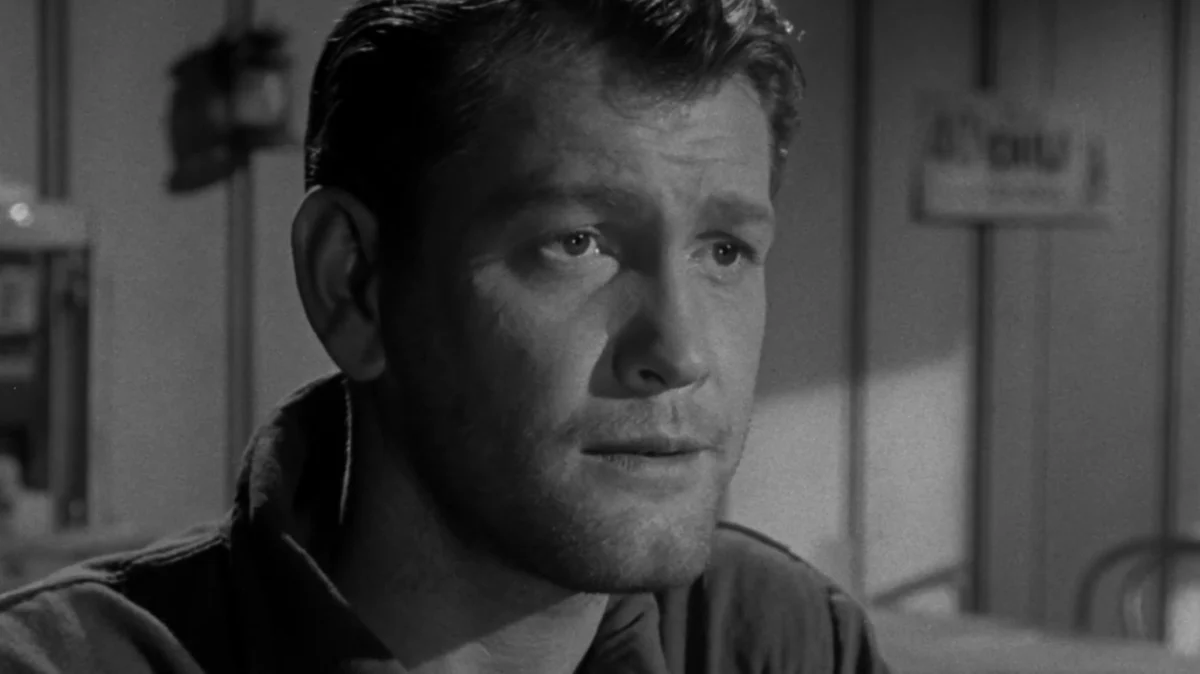
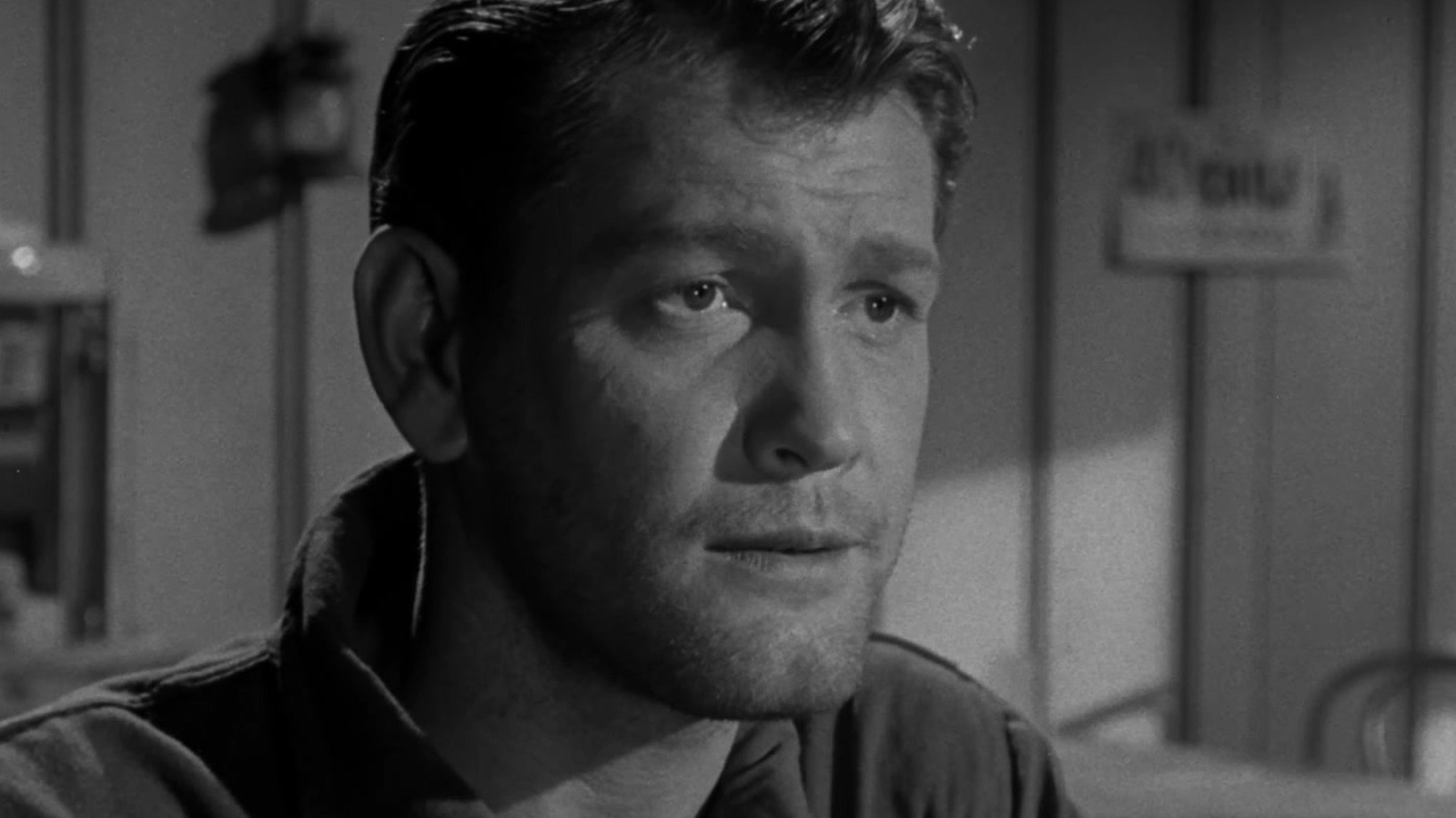
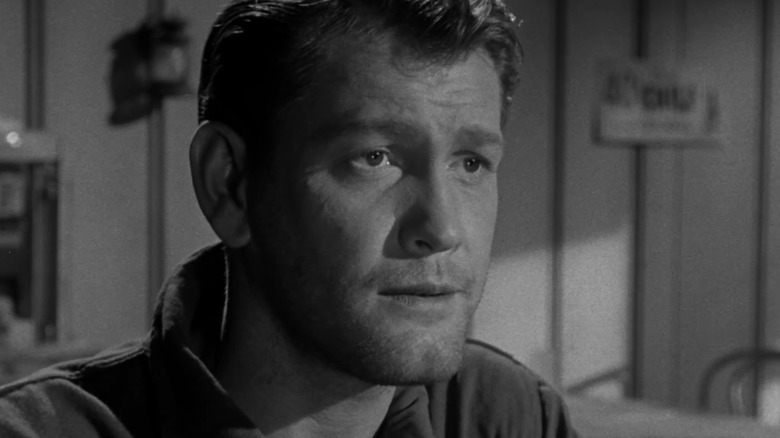
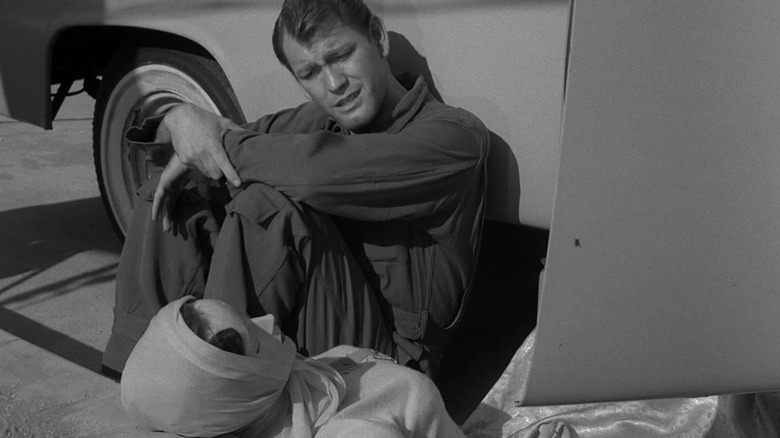
When Rod Serling’s groundbreaking anthology series The Twilight Zone debuted on CBS in October 1959, television history was made. The very first episode, titled "Where Is Everybody?," set a high-water mark for speculative fiction, psychological tension, and narrative ambition. At the center of this eerie, masterclass premiere was a solitary figure: an amnesiac Air Force pilot wandering through a completely deserted American town. Jukeboxes still played, hot coffee sat untouched in local diners, and a passing car revealed a chilling secret—its driver was nothing more than a mannequin.
The man bringing this harrowing tale of isolation to life was Earl Holliman, an actor already well-established as a preeminent fixture of Western cinema and television.
While Holliman’s performance as the space-program candidate Mike Ferris anchors one of television’s most famous psychological twists, it represents only a fraction of a career that spanned nearly half a century. From iconic 1950s sci-fi milestones like Forbidden Planet to gritty television dramas like Police Woman, Holliman carved out a legendary path as one of Hollywood’s most reliable, versatile, and enduring character actors. Following a prolific career that stretched into the year 2000 and retrospective documentary appearances that lasted into the 2020s, Holliman passed away in 2024 at the age of 96. His life and career offer a compelling lens through which to examine the golden eras of both film and television.
Chronology: A Journey Across Genres
Early Success and the 1950s Silver Screen Boom
Earl Holliman’s path to Hollywood stardom began long before he found himself talking to mannequins on the soundstages of The Twilight Zone. Possessing a classic, rugged jawline combined with an everyman charm, Holliman easily slipped into the era’s popular "lovable big lug" archetypes. This versatility made him an immediate favorite among top-tier casting directors during the 1950s.
His filmography reads like a checklist of classic Hollywood cinema. In 1953, he appeared in Devil’s Canyon, followed quickly by prominent roles in a flurry of celebrated Westerns and dramas, including Broken Lance, The Bridges at Toko-Ri, and John Sturges’ legendary Gunfight at the O.K. Corral. His dramatic chops were officially recognized when he won a Golden Globe Award for his stellar work in The Rainmaker (1956).
That same year, Holliman stepped into the realm of science fiction history, portraying the irascible, comedic ship’s cook in Metro-Goldwyn-Mayer’s sci-fi masterwork Forbidden Planet. Demonstrating his incredible range, he seamlessly transitioned from genre pictures to high-art prestige projects, sharing the screen with Elizabeth Taylor and James Dean in George Stevens’ sweeping, Oscar-winning epic Giant (1956).
The Television Explosion of the 1960s and 1970s
As the television landscape expanded rapidly in the 1960s, Holliman became one of the most recognizable faces on the small screen. In 1962, he took on the co-leading role of Mitch Guthrie in NBC’s rodeo drama series Wide Country, starring alongside Andrew Prine as traveling brothers in all 28 episodes.
Like many of the industry’s hardest-working character actors of the era, Holliman maintained a punishing episodic television schedule. He became a ubiquitous presence across the network dials, dropping in for memorable guest-starring arcs on television’s most iconic westerns and dramas. His résumé during this golden age of TV guest spots included multiple appearances on Gunsmoke (where he famously played three distinct characters across three separate episodes), Bonanza, The Virginian, Dr. Kildare, The Fugitive, 12 O’Clock High, and four distinct appearances across various episodes of The F.B.I.
In 1974, Holliman landed his next major, long-running television gig, cementing his place in television history as Sergeant Bill Crowley on NBC’s gritty crime drama Police Woman. Starring alongside Angie Dickinson, Holliman appeared in virtually every episode across the series’ successful four-season run, anchoring the procedural with steady authority and warmth.
Later Career, Voice Acting, and Semi-Retirement
When Police Woman wrapped its run, Holliman showed no signs of slowing down. He reprised his classic television roots in the 1987 television film Gunsmoke: Return to Dodge, proving that his appeal to Western fans had not faded with time.
Throughout the late 20th century, Holliman continued to surprise audiences by branching into unexpected mediums. He took on a 13-episode arc in Glen A. Larson’s short-lived dramedy P.S.I. Luv U, starred alongside Delta Burke in 17 episodes of the sitcom Delta, and even crossed over into superhero animation and sci-fi television by voicing characters in Captain Planet and the Planeteers and landing a regular role in the 1997 live-action series Night Man.
Holliman’s final screen acting credit arrived in 2000 with the low-budget thriller The Perfect Tenant. Rather than disappearing entirely from the public eye, he transitioned gracefully into semi-retirement, regularly participating in retrospective making-of documentaries. He frequently appeared as an insightful interview subject, happily reminiscing about his time working on generational touchstones like Giant and Forbidden Planet. His final cinematic contribution arrived posthumously in spirit via archival interviews featured in the 2021 documentary Journey to Royal: A WWII Rescue Mission. Holliman passed away in 2024 at the age of 96, survived by his husband, Craig Curtis.
Supporting Data: The Anatomy of "Where Is Everybody?"
To fully understand Holliman’s impact on television, one must examine the production and conceptual weight of The Twilight Zone’s pilot episode, "Where Is Everybody?," written by series creator Rod Serling.
| Production Element | Detail |
|---|---|
| Air Date | October 3, 1959 |
| Network | CBS |
| Writer | Rod Serling |
| Director | Robert Stevens |
| Starring | Earl Holliman (as Mike Ferris) |
| Central Premise | An astronaut undergoes prolonged sensory deprivation isolation testing. |
| The Twist | The abandoned town is entirely a hallucination brought on by extreme solitude. |
Behind the scenes, the episode faced significant developmental hurdles. Network executives and creative teams wrestled with how to visually communicate the terrifying psychological toll of total isolation without boring the audience. The solution relied almost entirely on Earl Holliman’s shoulders. With very little dialogue for the first two-thirds of the runtime, Holliman had to convey escalating panic, exhaustion, and creeping madness purely through physical performance, facial expressions, and visceral reactions to empty environments.
The episode’s ultimate thesis—that the human mind cannot abide extreme solitude—served as a terrifying speculative warning about the nascent space race. It immediately established The Twilight Zone not merely as a sci-fi anthology, but as a profound exploration of the human condition.
Official Responses and Industry Reflections
Following his passing in 2024, tributes poured in from classic film historians, television critics, and devoted fans alike. Across social media platforms and entertainment publications, eulogies focused less on red-carpet glamour and more on the indispensable backbone that actors like Holliman provided to the entertainment industry.
Industry analysts frequently pointed out that Hollywood’s golden age was never truly built on the backs of temporary A-list movie stars or headline-grabbing starlets; rather, it was constructed by the relentless, professional output of elite character players.
Colleagues and critics alike noted that Holliman possessed every single trait necessary for a long, prosperous career in show business:
- Reliability: He delivered stellar performances on tight schedules without ego or friction.
- Versatility: He glided effortlessly between classic Westerns, dark film noirs, hard-boiled police procedurals, and surreal science fiction.
- Screen Presence: His rugged features and relatable charm made him an instant audience favorite, capable of playing heroic leads, lovable everymen, or complex supporting players with equal aplomb.
Implications: The Enduring Blueprint of the Character Actor
The life and career of Earl Holliman hold significant implications for how modern television and film study the craft of acting. In an era where streaming services often prioritize short-run series and algorithmic casting, Holliman’s career stands as a monument to the golden era of the working-class actor—professionals who built their reputations on sheer volume, undeniable talent, and relentless adaptability.
Furthermore, Holliman’s involvement in the inaugural episode of The Twilight Zone cemented his status as a permanent piece of television folklore. Every time a new generation discovers "Where Is Everybody?", they are introduced to a masterclass in solo performance.
Earl Holliman may not have always been the household name plastered across the biggest movie posters, but his fingerprints are permanently etched across the bedrock of American entertainment. From the desolate, hallucinatory streets of a phantom town to the bustling saloons of the American West and the gleaming corridors of spaceship Earth, Holliman’s legacy remains secure as one of television and cinema’s most dependable and beloved legends.
