Behind the Creative Clash: How Zoe Saldaña Out-Argued Taylor Sheridan for the Dramatic Lioness Season 3 Finale
Main Facts
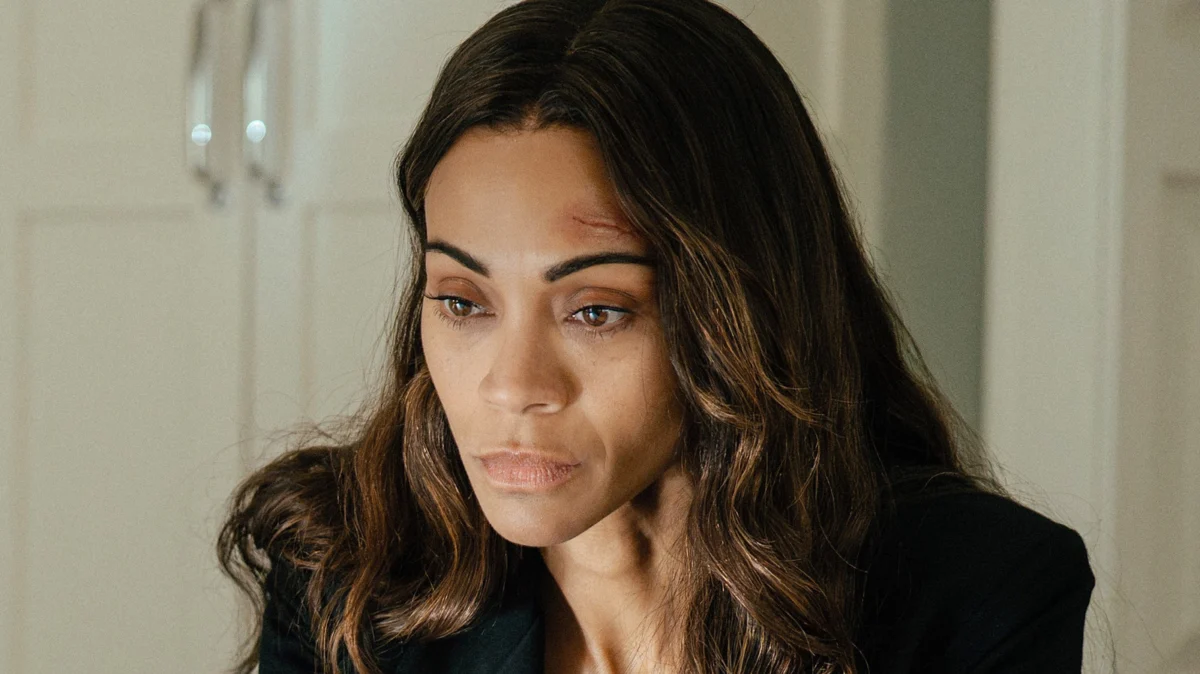
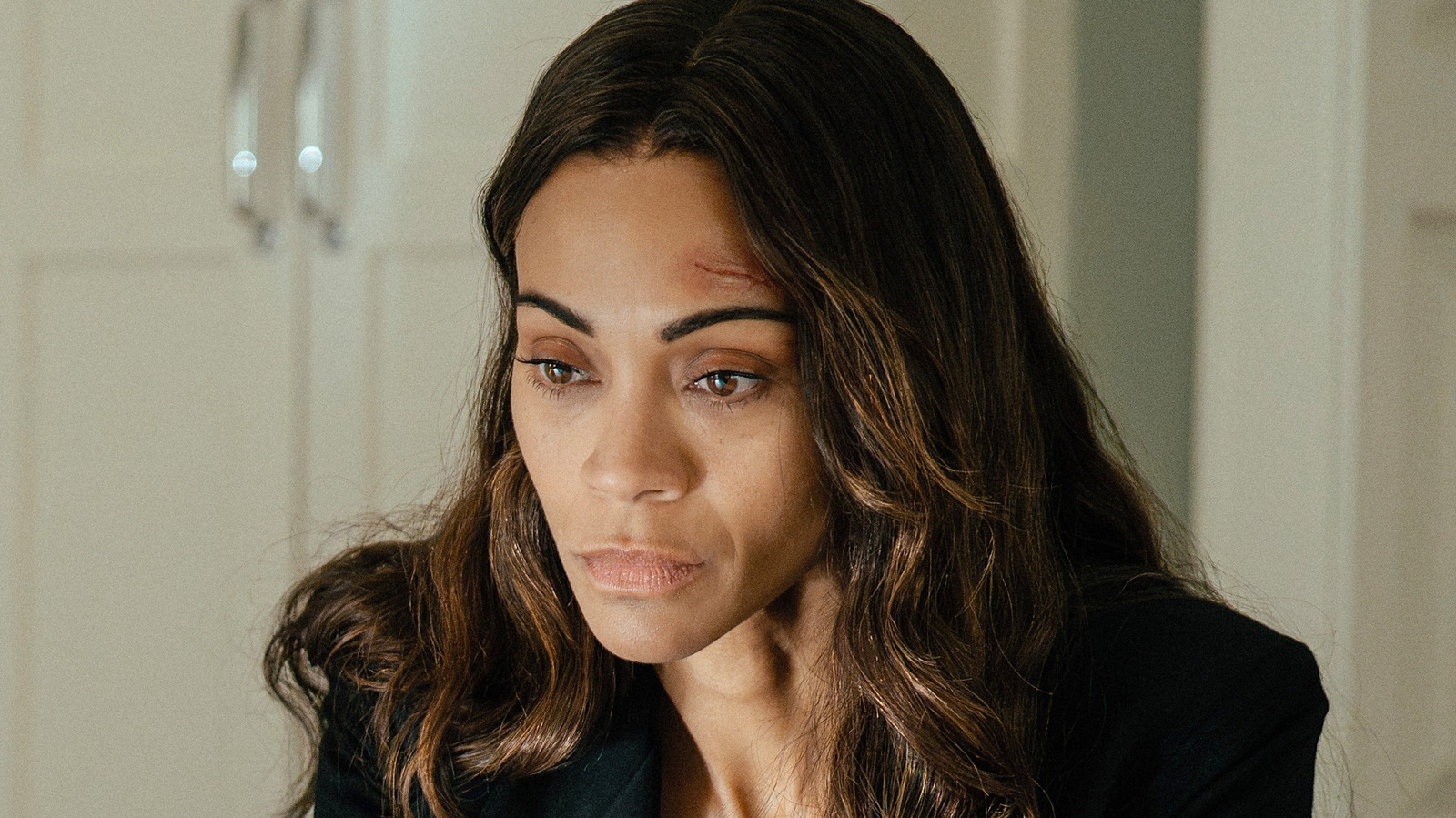
The explosive seasonfinale of Paramount+’s military espionage thriller Lioness left viewers reeling—not just from the high-stakes geopolitical fallout, but from a devastating domestic gut punch delivered to CIA station chief Joe McNamara, played brilliantly by Zoe Saldaña. In the final moments of the episode titled "The Unraveling," Joe returns home following a harrowing kidnapping and rescue, only to find a "For Sale" sign planted in her front yard. Inside, she discovers a completely empty house; her husband, Neal (played by Dave Annable), and their children have packed up and walked out of her life for good.
While the shocking plot twist served as a dramatic climax to the third season, it was not originally envisioned that way by series creator TaylorSheridan. Behind the scenes, Saldaña and Sheridan engaged in a passionate creative tug-of-war over the trajectory of Joe’s marriage. Saldaña actively lobbied the notoriously stubborn showrunner to alter the script, arguing that Neal needed to finally draw a firm boundary against the escalating violence encroaching on their family. Despite Sheridan’s initial romantic notions regarding the couple’s resilience, Saldaña ultimately won the argument—reshaping the emotional core of the series and setting up a poignant, heartbreaking cliffhanger. As fans await word on a potential fourth season, the fallout from this creative disagreement promises to cast a long shadow over the future of the franchise.
Chronology of Events: The Road to "The Unraveling"
To understand the weight of the Lioness Season 3 finale, it is essential to trace the mounting pressure cooker that was Joe McNamara’s domestic life throughout the series.
The Pre-Existing Strain: Even before the events of Season 3, Joe’s balancing act as a high-ranking, covert CIA operative and a mother/wife was hanging by a thread. The demands of the Lioness program routinely pulled her away from home, forcing Neal to shoulder the lion’s share of domestic responsibilities while living in a constant state of anxiety over his wife’s safety.
The Escalation: Season 3 dialed the danger up to eleven. The threats against Joe escalated from abstract professional hazards to direct, physical violence targeting her inner circle. The breaking point arrived when Joe was abducted by unidentified hostile actors, enduring a brutal ordeal that pushed her physical and psychological limits.
The Professional Crossroads: Following her rescue, Joe faced immense pressure to step away from active fieldwork and accept a desk job—a transition that would theoretically offer her safety and allow her to rebuild her family life. However, driven by duty and an unwillingness to compromise her operational ethos, Joe refused to take the desk job.
The Writing Room Debates: As Taylor Sheridan scripted the final episodes of Season 3, Zoe Saldaña maintained an ongoing, direct dialogue with the creator. Recognizing the absurdity of Neal continuing to endure the life-threatening volatility of Joe’s career, Saldaña repeatedly challenged Sheridan’s narrative choices over the phone.
The Finale Twist: Sheridan ultimately yielded to Saldaña’s character logic. In the season finale, Joe walks into her quiet, desolate home to find her family gone. The "For Sale" sign on the lawn symbolizes the definitive severing of their domestic life, driven by Neal’s newfound strength to prioritize the safety of their children, Kate (Hannah Love Lanier) and Charlie (Celestina Harris).
Supporting Data and Production Context
Lioness (originally titled Special Ops: Lioness) has established itself as one of Paramount+’s marquee dramatic properties. Spearheaded by Taylor Sheridan—the creative mastermind behind the Yellowstone universe, Mayor of Kingstown, and Tulsa King—the series relies heavily on high-octane action mixed with gritty, grounded examinations of modern warfare’s toll on personal lives.
The creative friction between Saldaña and Sheridan highlights a rare dynamic in contemporary television: a lead actor successfully reshaping the psychological motivation of a core character against the initial instincts of an established auteur showrunner. Sheridan, known for writing deeply romanticized notions of rugged loyalty and enduring partnerships, initially envisioned Joe and Neal’s bond as indestructible. However, Saldaña’s grounded critique—arguing from the perspective of maternal protection and basic marital survival—proved persuasive.
The production elements surrounding the finale underscored the emotional gravity of the scene. Director Ryan Green and cinematographer Lo Smith captured Joe’s isolation through stark, cold framing inside her empty kitchen, contrasting sharply with the chaotic, sun-drenched violence of her overseas operations. As of press time, Paramount+ has yet to formally greenlight Lioness Season 4, leaving the series in a state of suspended animation while ratings and streaming metrics are evaluated.
Official Responses and Behind-the-Scenes Insights
In a revealing post-finale interview with Entertainment Weekly, Zoe Saldaña pulled back the curtain on her intensive conversations with Taylor Sheridan, detailing how she fought for Neal’s agency and self-preservation.
"I just kept calling Taylor as he was writing this season and sharing with him, ‘I don’t know why he would stay… If violence and threats approach the door of our home because of what my partner does, I would have to put my children first and leave,’" Saldaña explained.
The actress elaborated on Sheridan’s initial creative resistance, noting their differing perspectives on the marriage:
"Taylor and I would have these little micro-disagreements about it. He believes in their love and that their love can withhold and survive everything. And that may very well be the case. I am grateful to Taylor that he gave Neal the f***ing strength to leave her in order for him to make a point."
While Saldaña championed Neal’s departure to preserve the narrative integrity of the show, she also made it clear that she does not view this as a permanent burial for the couple. Speaking on her hopes for a potential fourth season, Saldaña admitted to a softer, more hopeful perspective regarding Joe and Neal’s long-term future:
"I’m selfish, and if we are able to come back and do a Season 4, I wouldn’t want their story to just have ended like that. Because these are two people who really found each other. I feel that Joe and Neal are like doves, they mate for life."
Neither Taylor Sheridan nor Paramount+ executives have released official statements addressing the specific narrative debates behind the scenes, though the reception to the finale’s emotional pivot has been widely praised by critics and fans alike for adding genuine stakes to Joe’s professional choices.
Implications for the Future of Lioness
The creative victory won by Zoe Saldaña carries profound implications for the narrative landscape of Lioness should Paramount+ grant the series a fourth-season renewal.
A New Baseline for Joe McNamara: For three seasons, Joe’s anchor—however frayed—has been her family life. Returning home to a supportive (even if exhausted) husband provided a humanizing counterweight to her ruthless operational decisions. Stripping away that domestic sanctuary fundamentally alters Joe’s psychological profile. Without a home to protect, she becomes a more isolated, potentially reckless figure, wholly consumed by the CIA and the Lioness directive.
The Evolution of Dave Annable’s Neal: By giving Neal the courage to walk away, Sheridan and Saldaña elevated him from a passive, long-suffering spouse to an active participant with boundaries and agency. If the series returns, exploring Neal’s life post-separation—protecting Kate and Charlie away from the shadow of the CIA—could introduce a compelling parallel narrative arc.
The Power Dynamics Between Actors and Showrunners: This high-profile creative dispute underscores a shifting paradigm in prestige television. Modern actors, particularly those with executive producer clout like Saldaña, are increasingly wielding narrative influence to ensure character arcs align with emotional and psychological realism. Saldaña’s refusal to let her character’s husband "stay out of loyalty alone" prevented a potential trap of lazy writing, ensuring that the show’s domestic drama maintained high stakes.
As the industry waits for an official Season 4 announcement from Paramount+, the legacy of the Season 3 finale stands as a testament to the collaborative—and sometimes combative—nature of great television production. Whether Joe and Neal will ever find their way back to each other like "doves that mate for life," or if Joe’s dedication to her country has cost her everything she loved, remains one of the most anticipated questions in modern streaming drama.