
The Final Bow: Why J.K. Coe’s Departure in ‘Slow Horses’ Season 6 Left Both Fans and Star Heartbroken
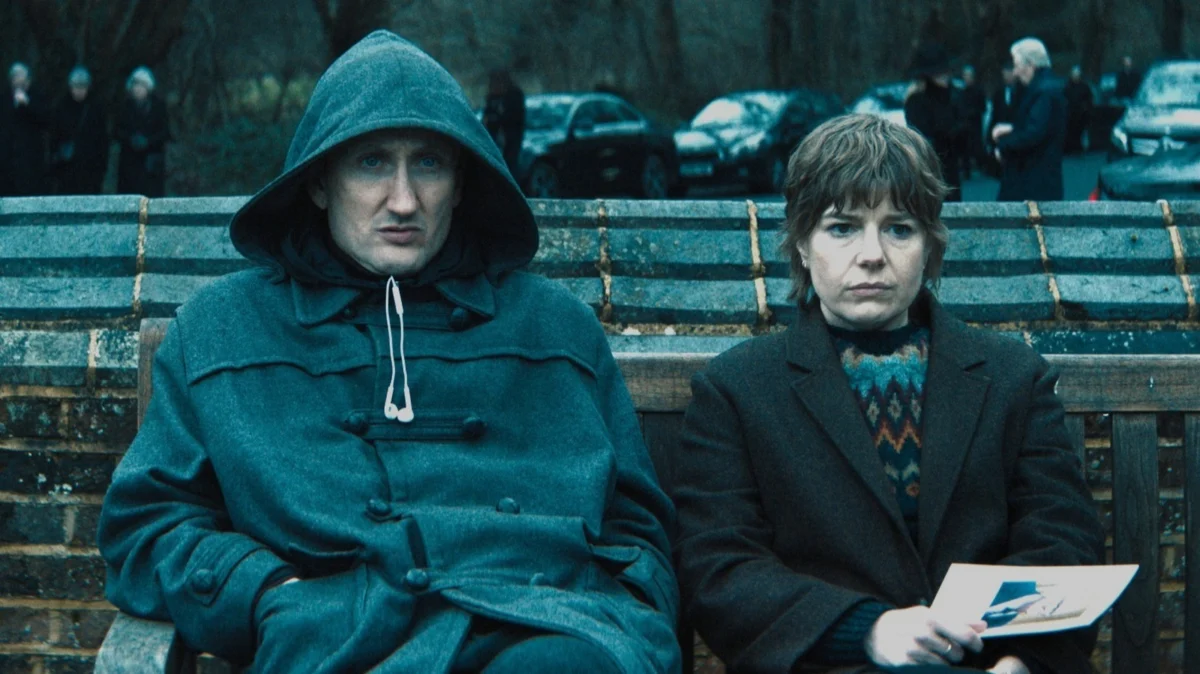
Warning: This article contains major spoilers for "Slow Horses" Season 6, Episode 4, "Lost and Found."
In the ruthless, cynical, and often darkly comedic world of Mick Herron’s Slough House—adapted for the screen as Apple TV+’s hit series Slow Horses—survival is rarely a guarantee. However, even in a show where the "slow horses" are essentially professional rejects living on borrowed time, the loss of a major character hits differently. The fourth episode of Season 6, "Lost and Found," marked the definitive end of the road for J.K. Coe, the stoic, mysterious, and lethal operative portrayed with quiet intensity by Thomas Brooke.
While his death was a narrative inevitability for those familiar with the source material, the emotional fallout has proven to be as profound for the actor who played him as it has been for the show’s devoted fanbase.
The Anatomy of an Exit: A Death Foretold
The death of J.K. Coe occurs in a manner that is quintessentially Slow Horses: abrupt, unglamorous, and deeply haunting. After being dispatched by the Russian assassin Jim (played by Kyle Soller) in a service station bathroom, Coe’s life is cut short in a brawl that occurs entirely off-screen. By the time River Cartwright (Jack Lowden) discovers him, it is already too late.
For Thomas Brooke, the journey to this moment was a long-planned departure. Having joined the cast in Season 4, Brooke was fully aware of the character’s trajectory from the start. He had committed to a three-season arc, knowing that his tenure would conclude alongside the events of Mick Herron’s sixth novel, Joe Country.
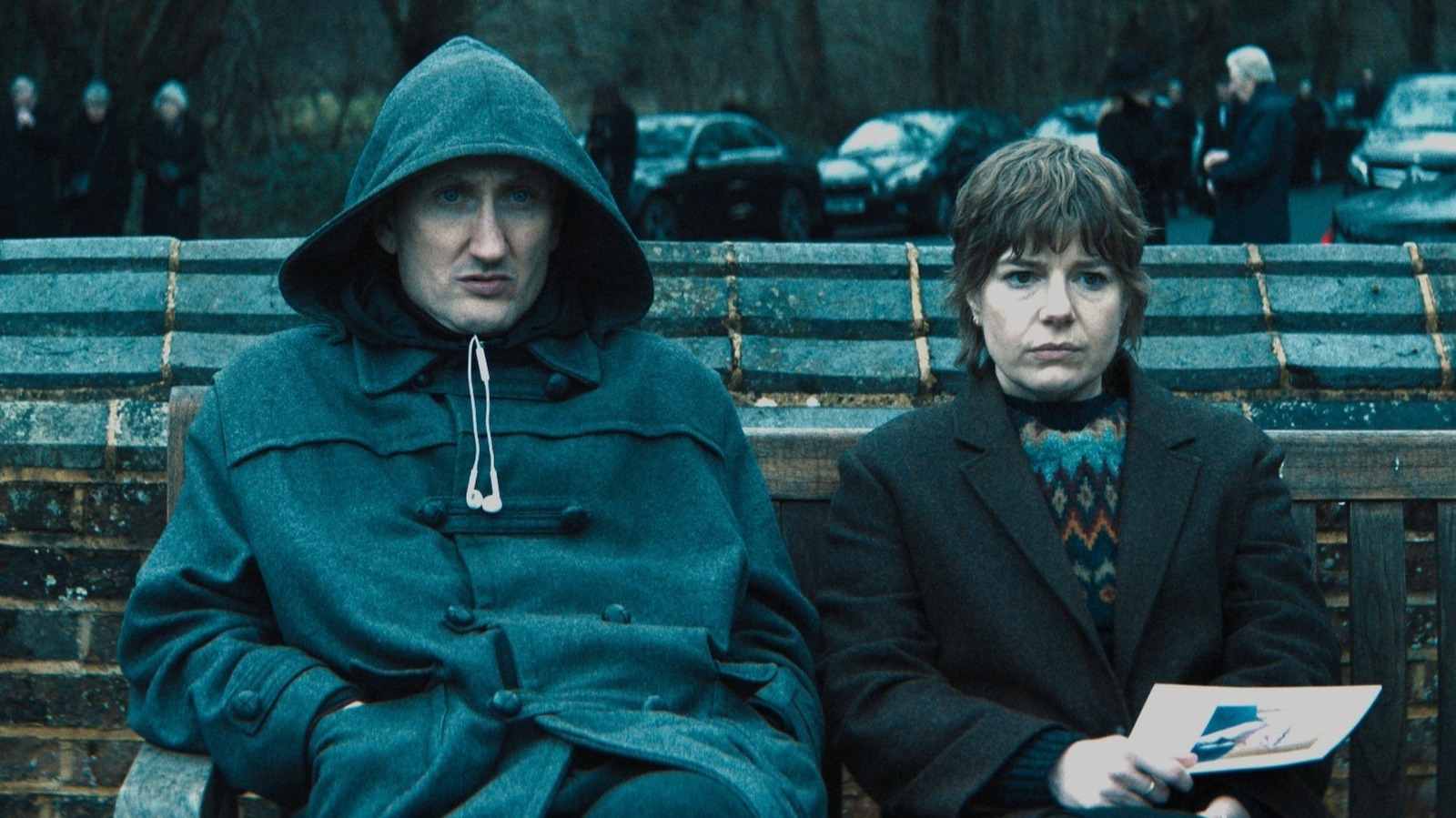
Despite this intellectual preparation, the emotional reality proved far more difficult to navigate. In a revealing interview with Town and Country, Brooke admitted that while he felt prepared to bid farewell to the character during production, the finality of the exit hit him unexpectedly when he returned to reading the series.
"It was lovely to leave," Brooke noted. "Actually, I thought I was all right about it until I picked up Clown Town." The book, which is the ninth installment in Herron’s series, serves as a stark reminder of Coe’s absence. "I read two pages of it… I wouldn’t want to say I burst into tears, but I was like, ‘I can’t read this. I cannot engage with this world again because I’m not part of it.’ And then I was like, ‘Oh, maybe I’m not all right about it.’"
A Creative Collaboration: Ensuring a Fitting Farewell
One of the most compelling aspects of Coe’s final moments is the dialogue. Even as he lies dying, confronted by a Russian GRU operative, Coe manages to inject the scene with the dry, bureaucratic absurdity that defines the show. His casual inquiry into the Russian assassin’s pension plan is a masterclass in dark humor, encapsulating the "mundaneness" that Brooke insisted on preserving.
Brooke was deeply involved in shaping his character’s swan song. When he first joined the series, he suggested that Coe should carry a signature weapon—a push knife—a detail that became iconic to the character’s aesthetic. When it came to his final scene, Brooke worked closely with new showrunner Gaby Chiappe to ensure the tone matched the spirit of Herron’s writing.
"He talks about mortgages with the mercenary," Brooke recalled. "How to get a mortgage self-employed, all of this sort of stuff. And it struck me as there’s such a logic to it that is so Coe because it’s so crazy." By focusing on the administrative realities of life rather than grand, heroic last words, the show honored the grounded, cynical philosophy of the Slow Horses universe.
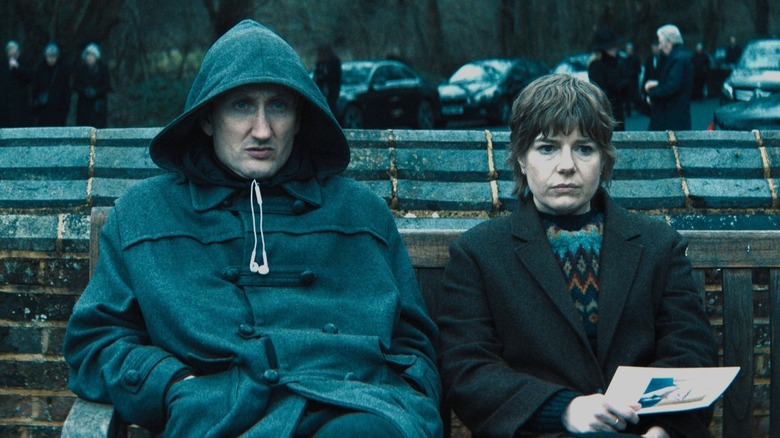
The Chronology of a Cult Favorite
J.K. Coe’s tenure on the show was relatively brief compared to the veterans of Slough House, but his impact was outsized.
- Season 4: Coe is introduced as a mysterious, highly capable, yet deeply damaged asset who finds himself relegated to the basement of MI5.
- Season 5: The character’s internal life is explored through his interactions with the team, particularly the simmering tension between him and his colleagues, revealing layers of trauma and competence.
- Season 6: The narrative arc of Joe Country and Slough House converges, leading to the fateful service station confrontation in Episode 4.
The decision to keep the fight off-screen was a deliberate stylistic choice. By not showing the struggle, the show denied the audience the catharsis of an action-movie climax, instead forcing the viewer to confront the cold, sudden reality of a life extinguished in the margins of a greater conflict.
Official Perspectives: The Showrunner’s Vision
Gaby Chiappe, who took the helm for Season 6 following the departure of longtime showrunner Will Smith, has expressed a deep respect for the legacy Brooke created. In discussions surrounding the production, Chiappe emphasized that the goal was for Coe’s death to "count for people."
The death was not intended to be a shock for the sake of shock, but a necessary pivot for the story. The Slow Horses narrative relies on the idea that no one is safe and that the "slow horses" are expendable in the eyes of the establishment. Coe’s death serves as a poignant reminder that even the most competent agents are susceptible to the brutal, grinding machinery of the espionage world.
The Future: Is This Truly the End for Coe?
While the primary timeline of the series has moved past the life of J.K. Coe, there remains a flicker of hope for fans who aren’t ready to let go. Thomas Brooke himself acknowledged the existence of prequel material in the source novels, specifically novellas like The List and Nobody Walks. These stories dive into the horrific, formative years of Coe’s career—years that explain the man he became.
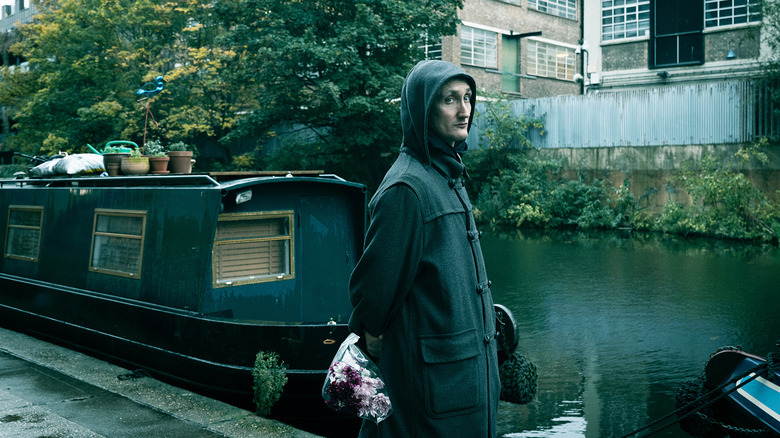
Should Apple TV+ choose to expand the Slow Horses universe into spin-offs or feature-length prequels, the material is there to bring Brooke back. Given the high regard in which the production team holds his performance, it is a possibility that has not escaped the actor’s notice.
"There’s a couple of prequel books where you get to see what happened to [Coe], and it is so awful," Brooke remarked. This tragic backstory is precisely what makes the character so enduring; he is a man shaped by trauma, moving through a world that refuses to acknowledge his value until he is already gone.
Implications for the Series
The departure of J.K. Coe signals a shift in the status quo for Slough House. As the show moves toward the adaptation of Bad Actors in Season 7, the loss of such a pivotal, grounded character forces the remaining cast to reckon with their own mortality.
The success of Slow Horses has always been its ability to balance high-stakes spy craft with the pathetic, human failings of its leads. By allowing Coe to exit with dignity—and by allowing the audience to feel the genuine weight of his absence—the show has solidified its reputation as one of the most sophisticated dramas on television.
For the fans, the loss of Coe is a bitter pill, but one that reaffirms the stakes of the series. As Thomas Brooke proved, the most powerful moments in espionage aren’t always the explosions or the car chases; sometimes, they are the quiet, mundane, and heartbreaking conversations that happen in a bathroom at a service station, just before the world goes dark.
