
Netflix Unveils Chilling Trailer for 90s-Inspired Horror Series The Body Ahead of November Premiere
By Global Entertainment Desk
Published: October 2026
Main Facts
Netflix has officially released the high-anticipated official trailer and first-look promotional images for The Body, a 90s-inspired coming-of-age psychological horror series created by acclaimed filmmaker and writer Quinn Shepherd. Best known for her provocative storytelling in Not Okay and Under the Bridge, Shepherd returns to the screen with a dark, atmospheric exploration of adolescence, religious anxiety, and occult panic.

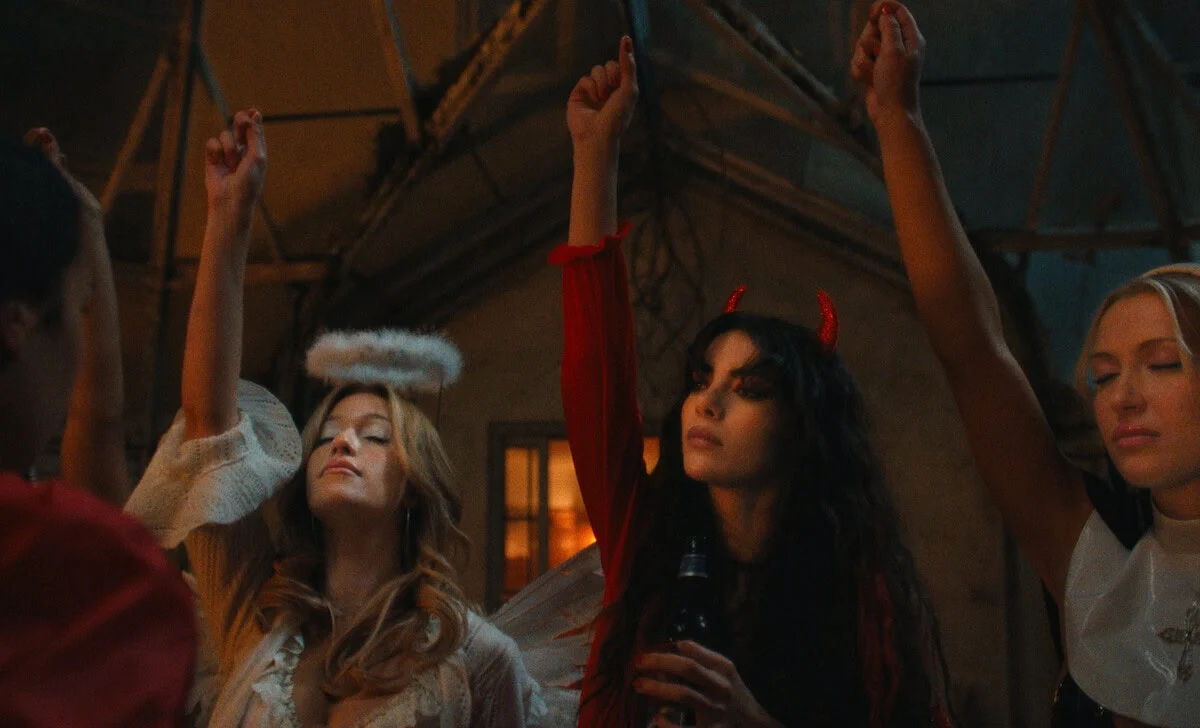
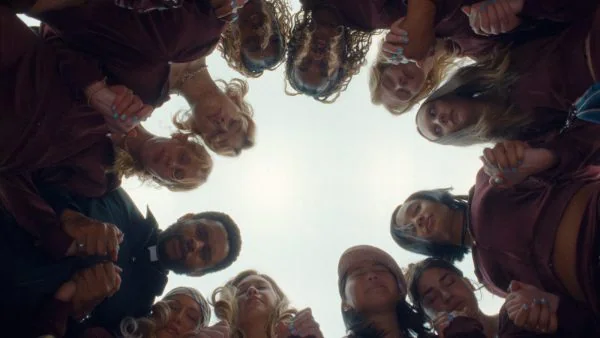
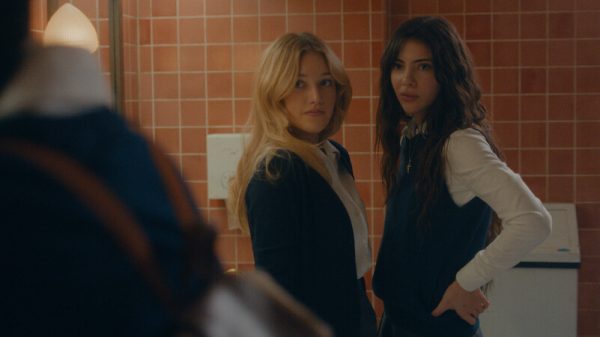
Set to premiere globally on the streaming platform on November 11, The Body centers on an insular, fiercely competitive all-girls high school dance squad. The narrative kicks into gear on Halloween night when a high-stakes team initiation ritual takes a deeply sinister and unholy turn. Following the botched ceremony, the young dancers begin experiencing a terrifying wave of prophetic visions, bizarre psychological phenomena, and what can only be described as mass hysteria, rapidly engulfing their entire suburban community.
The series boasts a talented ensemble cast featuring Kristina Bogic, Sara Boustany, Geena Meszaros, Nnamdi Asomugha, Louisa Krause, Shirley Chen, Jackson Kelly, and Sofia Wylie. Blending the nostalgic aesthetic of the 1990s with visceral, body-horror-adjacent psychological terror, The Body promises to be one of Netflix’s standout autumn releases.
Chronology of Development and Release
The journey toward The Body arriving on screens has been closely watched by horror aficionados and fans of Quinn Shepherd’s distinct directorial voice.
- The Genesis of the Project: Following the critical acclaim of her previous works, Quinn Shepherd began developing a genre-bending project that would capture the claustrophobia of teenage female friendships, the weight of institutional expectations, and the specific brand of cultural panic that defined the late 20th century.
- Casting and Production: Throughout late 2024 and 2025, casting announcements slowly trickled out, revealing a diverse and dynamic mix of rising stars and established talent, including Sofia Wylie, Nnamdi Asomugha, and Louisa Krause. Production took place under strict secrecy, with promotional efforts kept under wraps until late 2026.
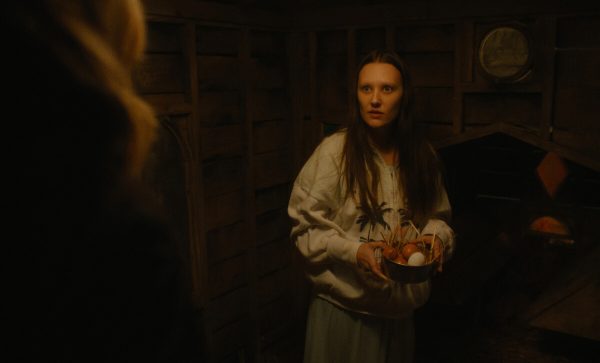
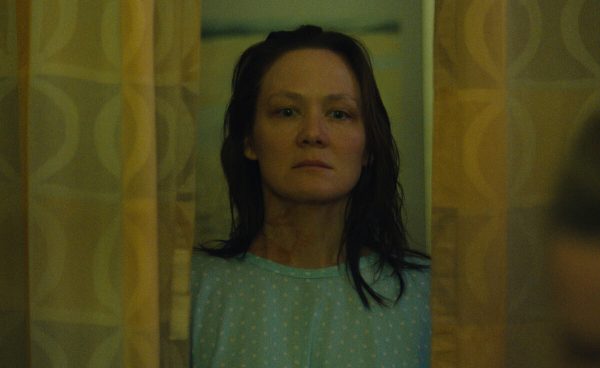
- The First-Look Tease (October 2026): Netflix officially broke the silence by dropping the primary teaser trailer and a gallery of atmospheric production stills. The media rollout immediately drew comparisons to classic 90s psychological thrillers, folk horror, and stories centered around adolescent social contagion.
- Upcoming Premiere (November 11, 2026): The complete first season of The Body is scheduled to drop globally on Netflix, positioning itself as the streaming giant’s premier prestige horror offering for the late-autumn viewing window.
Supporting Data and Production Overview
To better understand where The Body fits into the contemporary television landscape, industry analysts have looked closely at its creative pedigree, stylistic choices, and thematic pillars.
Key Production Metrics & Details
- Platform: Netflix
- Release Date: November 11, 2026
- Creator / Showrunner: Quinn Shepherd
- Genre: Coming-of-Age Psychological Horror / Mystery
- Primary Setting: A 1990s suburban community and high school environment
- Ensemble Cast: Kristina Bogic, Sara Boustany, Geena Meszaros, Nnamdi Asomugha, Louisa Krause, Shirley Chen, Jackson Kelly, and Sofia Wylie.
Thematic Elements Explored in the Series
According to official loglines and early promotional materials, the series leans heavily into intersectional anxieties unique to teenage girlhood:
- Catholic Guilt & Religious Repression: The narrative contrasts the strict moral frameworks imposed by traditional institutions with the unholy, rebellious desires bubbling beneath the surface of youth culture.
- The Occult and Mass Hysteria: Drawing inspiration from historical instances of mass psychogenic illness (such as the dancing plagues of medieval Europe or the satanic panic of the late 20th century), the show examines how fear spreads contagiously through closed social groups.
- Prophetic Visions vs. Mental Breakdown: The blurred line between supernatural possession and adolescent psychological deterioration forms the core engine of the plot’s mystery.
Official Responses and Creative Vision
While comprehensive press junkets are still rolling out closer to the November 11 premiere, early insights into Quinn Shepherd’s creative direction highlight a deliberate choice to ground the horror in emotional reality rather than relying solely on cheap jump scares.
In statements accompanying the trailer release, production insiders emphasized that Shepherd sought to capture the raw, often terrifying intensity of being a teenage girl in the 1990s. The aesthetic of the era—marked by analog technology, muted autumn palettes, and rigid social hierarchies—serves not merely as a nostalgic backdrop, but as a pressure cooker that accelerates the characters’ descent into madness.
Cast members have similarly teased the physical and emotional demands of portraying characters caught in a spiral of collective hysteria. The integration of high-stakes competitive dance choreography with themes of unholy possession required rigorous physical preparation, ensuring that the movement on screen communicates the psychological state of the squad. Netflix marketing executives have expressed immense confidence in the project, noting that The Body fills a vital gap in their catalog for sophisticated, female-led psychological horror.

Implications for the Horror Genre and Netflix
The release of The Body arrives at a fascinating crossroads for both Netflix’s content strategy and the broader horror television landscape.
1. The Resurgence of 90s Nostalgia in Darker Narratives
While the 1980s have dominated retro-themed media over the past decade—largely spearheaded by properties like Stranger Things—cultural focus has steadily shifted toward the 1990s. The Body capitalizes on this transition by utilizing a 90s aesthetic that feels distinct from neon-soaked synthwave, opting instead for a gritty, grunge-adjacent psychological dread that mirrors real-world historical anxieties of the decade, including the tail end of the "Satanic Panic."
2. Elevated Horror and Female-Centric Narratives
Quinn Shepherd’s involvement signals a continuation of the industry-wide trend toward "elevated horror"—genre storytelling that uses supernatural or terrifying premises to explore profound real-world themes, such as trauma, misogyny, peer pressure, and institutional control. By focusing on an all-girls dance team, the series joins a lineage of iconic cinematic explorations of female collective hysteria and dark ambition, echoing thematic elements seen in films like Suspiria, The Craft, and The Faculty, while updating them for a modern streaming audience.
3. Netflix’s Autumn Strategy
Positioned squarely in the competitive November release window, The Body serves as Netflix’s bridge between Halloween-themed horror content and prestige awards-season television. If the series successfully resonates with viewers, it could pave the way for an expanded anthology universe or multi-season narrative arcs, further cementing Quinn Shepherd as a defining voice in modern psychological thrillers.
The Body premieres globally on Netflix on November 11.
