
Symbiote Supremacy: A New Era Dawns for ‘Your Friendly Neighborhood Spider-Man’
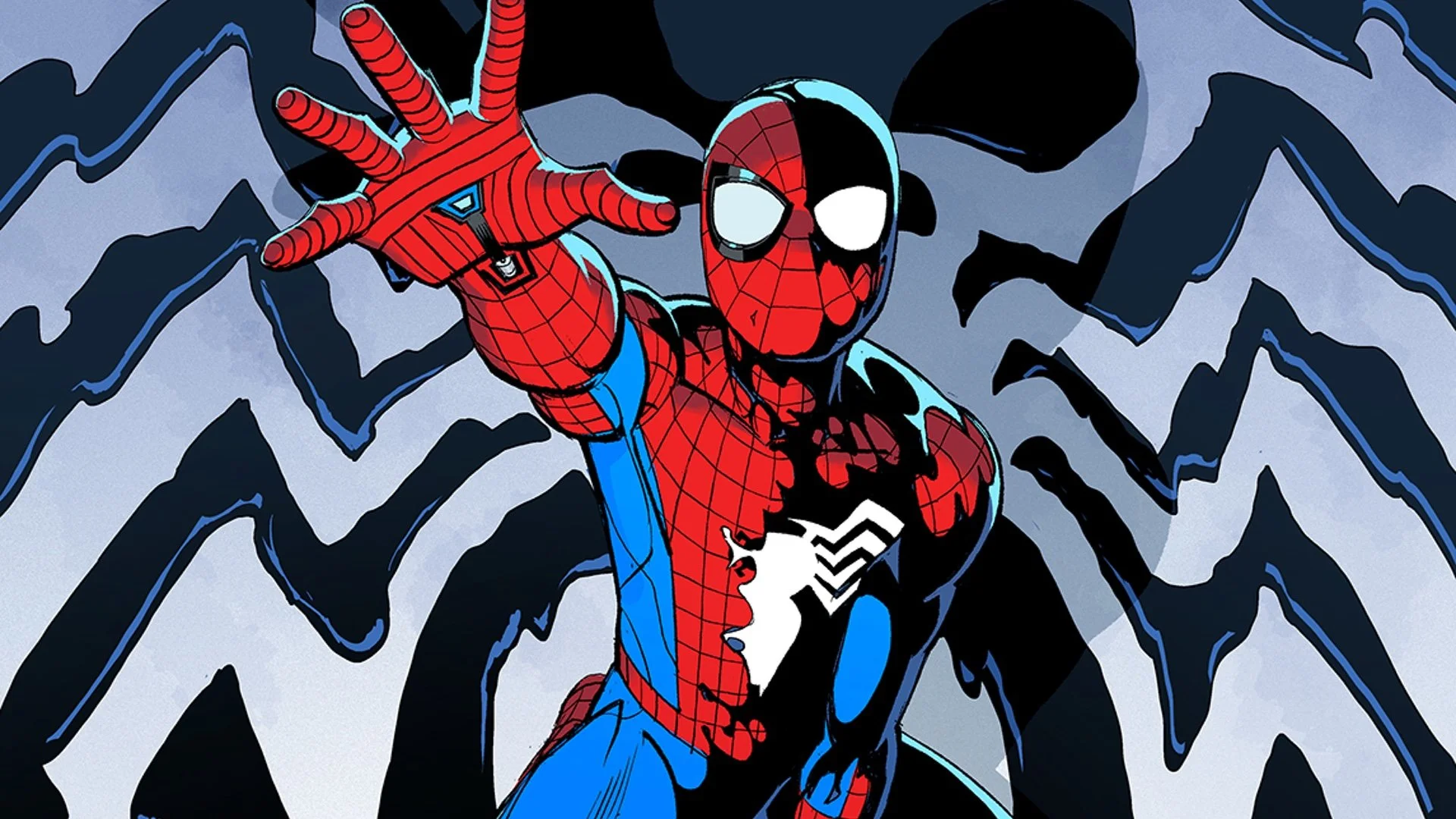
The animated landscape of Marvel is undergoing a seismic shift as anticipation mounts for the second season of Your Friendly Neighborhood Spider-Man. Following a critically acclaimed debut that successfully captured the earnest, retro-inspired charm of Peter Parker’s earliest comic book adventures, the series is poised to pivot toward darker, more complex narrative territory.
Recent footage leaked from Marvel Television’s New York Comic Con presentation has set the fandom ablaze, showcasing a high-stakes, visceral confrontation between a Symbiote-bonded Spider-Man and his long-time nemesis, Doctor Octopus. This revelation confirms that the series is not merely resting on the nostalgia of its first season but is actively accelerating toward the iconic, angst-filled arcs that defined the character’s most pivotal comic book eras.
The Collision: A Clash of Titans
The leaked footage serves as a visceral reminder of why the Spider-Man/Doc Ock dynamic remains the gold standard of superhero rivalries. Fans have been quick to draw comparisons to the cinematic mastery of Sam Raimi’s Spider-Man 2, noting the frantic, kinetic energy of the fight sequence. However, this iteration introduces a terrifying variable: the alien Symbiote suit.
In the clip, as Doctor Octopus lands a series of brutal, mechanical strikes, the audience witnesses the suit’s regenerative capabilities in real-time. The black substance ripples and shifts, sealing the damage to the costume instantly. It is a chilling visual shorthand for the suit’s autonomy and power—a stark departure from the traditional fabric suit that leaves Peter vulnerable to the physical toll of his heroics.
For showrunner Jeff Trammell, this confrontation is a long-gestating payoff. Despite Otto Octavius being a fixture of the first season’s lore, the two never actually locked horns in a direct, physical altercation. "Doc Ock is definitely one of [the future threats]," Trammell noted during the lead-up to the show’s production. "Seeing those two collide, I’m really excited for people to see." The fact that this clash was withheld for the entirety of the first season now feels like a calculated, masterful piece of long-form storytelling.
A Chronology of Escalation: From Origin to Alien Influence
To understand the weight of these upcoming developments, one must look at the trajectory of Your Friendly Neighborhood Spider-Man. The series began as an exploration of the "early days"—a grounded, stylistic homage to the Stan Lee and Steve Ditko era.
- Season 1: Established a young Peter Parker navigating the trials of high school and heroics. It laid the groundwork for a robust rogues’ gallery, including Norman Osborn, while carefully avoiding a direct confrontation with Doctor Octopus, despite his narrative presence.
- The Transition: As Season 1 concluded, the series signaled a maturation of both its tone and its threats. The introduction of the Symbiote represents a departure from the "friendly neighborhood" moniker, suggesting that the stakes are moving beyond local crime-fighting.
- Season 2 (The Upcoming Premiere): With a release date of January 13, the new season promises to bridge the gap between the nostalgic origins of the character and the complex, psychological drama of the mid-2000s comic runs.
The inclusion of Spider-Gwen, who will make her Marvel Animation debut this season, further complicates the narrative landscape. While details regarding her voice actor remain under wraps, her presence suggests a broadening of the "Spider-Verse" elements, even if the show remains firmly rooted in its own distinct continuity.
Supporting Data: The Anatomy of a Hit Series
The critical reception of Your Friendly Neighborhood Spider-Man cannot be overstated. By leaning into a distinct visual style that mirrors the aesthetic of classic comic panels, the series achieved a rare feat: appealing to long-time comic purists while remaining accessible to new, younger viewers.
Critics have lauded the show as a "love letter to the world’s greatest superhero." The production pedigree is equally impressive, featuring a powerhouse team of executive producers including Kevin Feige, Brad Winderbaum, and Louis D’Esposito. The voice cast—anchored by Hudson Thames as Peter Parker and featuring notable talents like Colman Domingo and Charlie Cox—has been instrumental in grounding the show’s heightened reality.
Key Creative Personnel
- Head Writer/Showrunner: Jeff Trammell
- Supervising Director: Mel Zwyer
- Executive Producers: Brad Winderbaum, Kevin Feige, Louis D’Esposito, Dana Vasquez-Eberhardt, and Jeff Trammell.
The production team’s commitment to "fresh spins on origin stories" while maintaining the spirit of the source material has created a loyal audience base that is currently clamoring for more. This excitement has spilled over into other Marvel projects as well, with fans at NYCC continuing to lobby for the release of the Daredevil: Born Again Season 3 trailer, highlighting a broader, sustained interest in the connected—or at least tonally aligned—Marvel Animation and live-action slate.
Implications: The Shadow of the Symbiote
The introduction of the Symbiote is not merely a costume change; it is a narrative catalyst. Historically, the black suit acts as a mirror to Peter Parker’s internal state. As he grows more powerful, he often grows more reckless, more efficient, and ultimately, more isolated.
The "darker territory" mentioned by production insiders suggests that the series is willing to challenge Peter’s moral compass. If the suit can repair his injuries, it can also suppress his conscience. The question remains: how much of the Symbiote’s influence will Peter be able to resist, and at what cost to his relationships with his allies?
Furthermore, the looming shadow of Norman Osborn continues to haunt the periphery of the narrative. Fans have long awaited his transformation into the Green Goblin. While it is unclear if the showrunners plan to pull that trigger in Season 2, the thematic resonance of having both the Symbiote—a source of external corruption—and the Green Goblin—a source of psychological torment—present in the same season would mark an unprecedented height of dramatic tension for an animated Spider-Man series.
Official Responses and Future Outlook
The creative team has been transparent about their desire to challenge the audience’s perception of these characters. Trammell’s insistence on the "insanity" of keeping Doc Ock and Spider-Man apart for a full season speaks to a disciplined writing room that prioritizes long-term arcs over immediate gratification.
In a recent interview snippet, Trammell hinted at the broader implications of these character dynamics: "I think the fact that Doc Ock is such a big fixture of the first season, it’s kind of insane to think about that [they didn’t cross paths]." This suggests a high degree of confidence in the show’s longevity. Marvel Animation is clearly treating this series as a cornerstone of its current output, investing in high-quality animation and voice performances that stand shoulder-to-shoulder with their live-action counterparts.
As the January 13 premiere date approaches, the conversation among fans has shifted from "what will happen" to "how will he survive it?" The Symbiote arc is a rite of passage for every major iteration of Spider-Man, and Your Friendly Neighborhood Spider-Man appears ready to deliver a version of this story that is both respectful of tradition and bold enough to innovate.
Whether this leads to a permanent shift in the tone of the show or serves as a harrowing lesson for Peter Parker, one thing is certain: the "friendly neighborhood" has become a much more dangerous place. As the alien suit begins to influence his decisions, the line between hero and vigilante will blur, and viewers will be there to witness every turn of the screw. With all episodes of the first season now streaming on Disney+, the table is set for what promises to be one of the most consequential chapters in modern Marvel animation history.
