
Beyond the Lightsaber: How Star Wars Zero Company and Galactic Racer Redefined a Galaxy Far, Far Away
By Randy Rhodes
Published October 13, 2026
Main Facts: A Paradigm Shift in Star Wars Gaming
For decades, the cultural footprint of Star Wars in the interactive entertainment space has been defined by a singular archetype: the Force-sensitive hero. From the classic sprite-based adventures of the 1990s to Respawn Entertainment’s modern masterpieces Star Wars Jedi: Fallen Order and its sprawling sequel, Star Wars Jedi: Survivor, players have been conditioned to equate the ultimate Star Wars video game experience with the sweep of a blue or green lightsaber and the telekinetic manipulation of the environment.
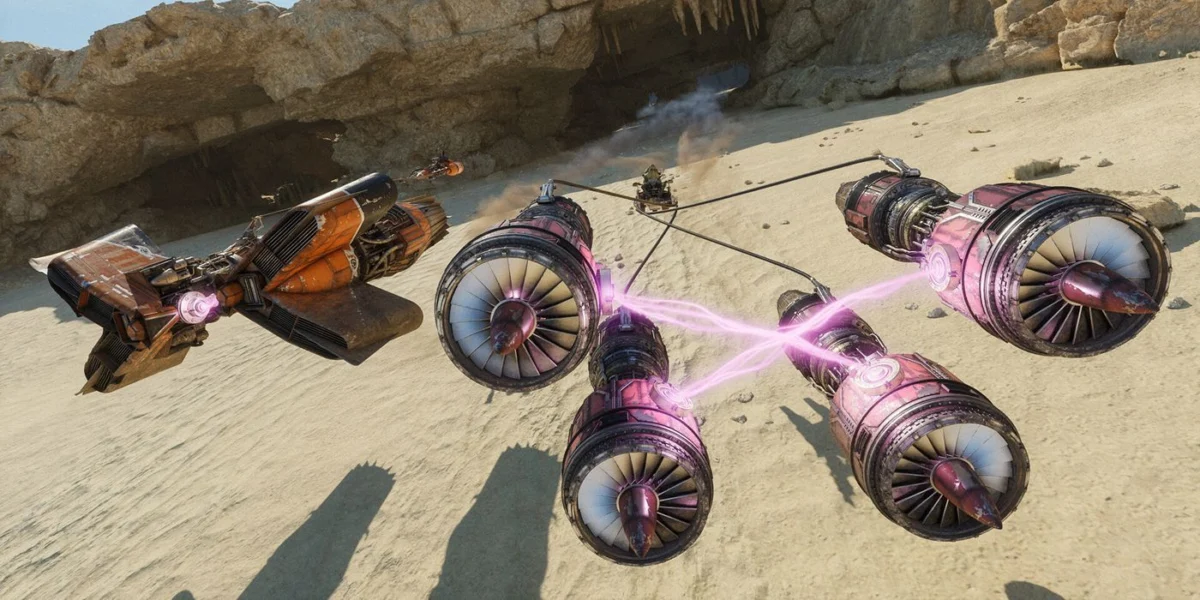
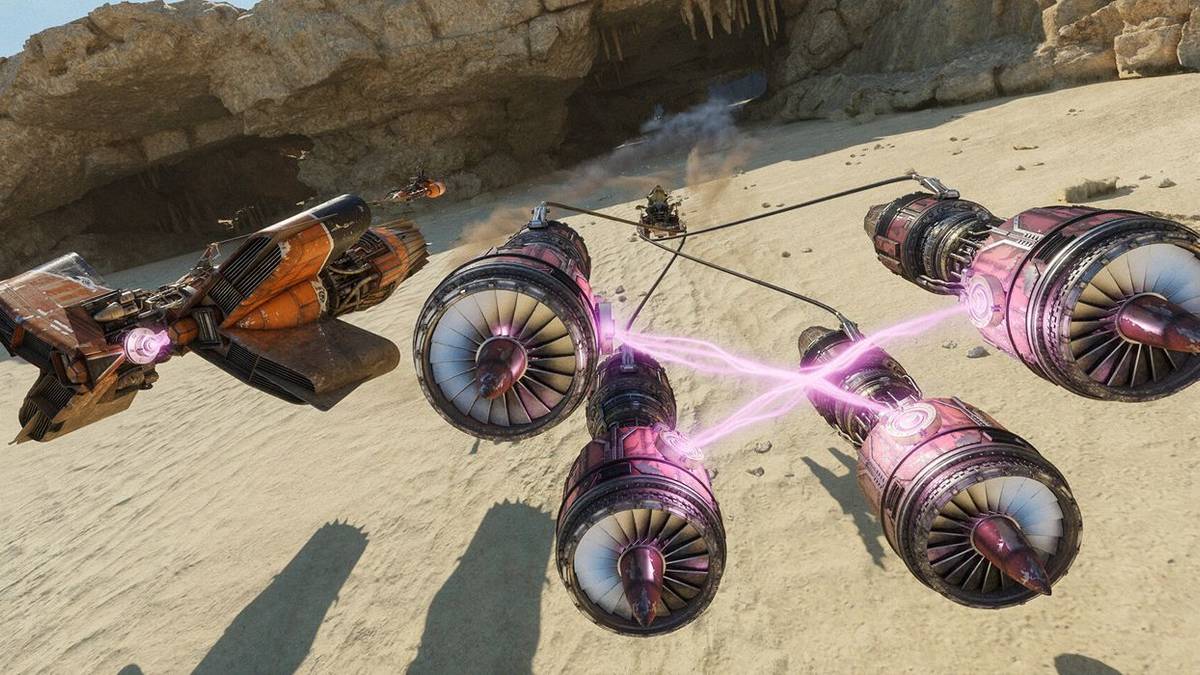
The landscape of Star Wars gaming has experienced a seismic and unexpected shift. In a development that has sent shockwaves through the industry, two 2026 releases have shattered expectations, outperforming Respawn’s critically acclaimed cinematic adventures on Metacritic. Star Wars Zero Company, a tactical military strategy game co-developed by Bit Reactor and Respawn Entertainment, launched in August to an impressive score of 86. It was swiftly followed this month by Star Wars: Galactic Racer, an arcade-style racing title developed by newcomer Fuse Games, which debuted to a stellar 88.
These figures position Galactic Racer as the highest-rated Star Wars video game release since BioWare’s legendary Star Wars: Knights of the Old Republic in 2003. Most remarkably, neither of these critical darlings features a single Jedi, Sith, or Force-sensitive protagonist. Instead, they trade mystical space wizards for expendable mercenary squads and lawless underground street racers, proving that the vast expanses of the Star Wars universe hold infinite potential outside the traditional Skywalker saga.
Chronology: The Road to Creative Liberation
To understand how Zero Company and Galactic Racer reached these critical heights, one must examine the timeline of industry shifts that freed the Star Wars intellectual property from decades of conservative, risk-averse management.
The EA Exclusivity Era (2013–2021)
Following Disney’s acquisition of Lucasfilm in 2012, the conglomerate struck an exclusive, multi-year publishing deal with Electronic Arts in 2013. While this partnership yielded blockbuster successes—most notably DICE’s Star Wars Battlefront series and Respawn’s Jedi duology—it also severely restricted the variety of projects greenlit within the universe. For nearly a decade, the focus remained almost entirely on high-budget, mass-appeal action-adventure titles and first-person shooters. Niche genres, tactical games, and risky sports or racing spinoffs were largely sidelined.
The Decentralization of the License (2021–2024)
As consumer demand for genre diversity grew, Disney and Lucasfilm Games made the pivotal decision to dismantle EA’s exclusivity arrangement. This opened the floodgates for multiple external publishers and independent studios to pitch projects. Ubisoft developed the open-world criminal adventure Star Wars Outlaws, Quantic Dream began work on Star Wars: Eclipse, and strategic minds quietly gathered to form specialized boutique studios.
The Rise of the Genre Specialists (2024–2026)
During this window of creative liberation, industry veterans saw an opportunity. Frustrated by corporate consolidation that left classic franchises dormant, talent from legendary development houses struck out on their own. Greg Foertsch, the art director behind Firaxis’s modern XCOM revival, left to found Bit Reactor, bringing tactical mastery to the Star Wars universe. Simultaneously, Matt Webster, former General Manager of Criterion Games, formed Fuse Games alongside developers who had previously perfected high-speed adrenaline in the Burnout and Need for Speed series.
By 2026, these studios delivered their debut titles: Star Wars Zero Company in August and Star Wars: Galactic Racer in October. Both games successfully bypassed traditional publisher safety nets, relying instead on pure genre execution fused with one of the most recognizable intellectual properties on the planet.
Supporting Data: Among Star Wars Royalty
The critical reception of these two titles places them in extraordinarily rare company. For over two decades, the upper echelon of Star Wars gaming has remained virtually untouched, guarded by untouchable classics of the early 2000s and late 1990s.
An analysis of historical Metacritic scores reveals the magnitude of this achievement:
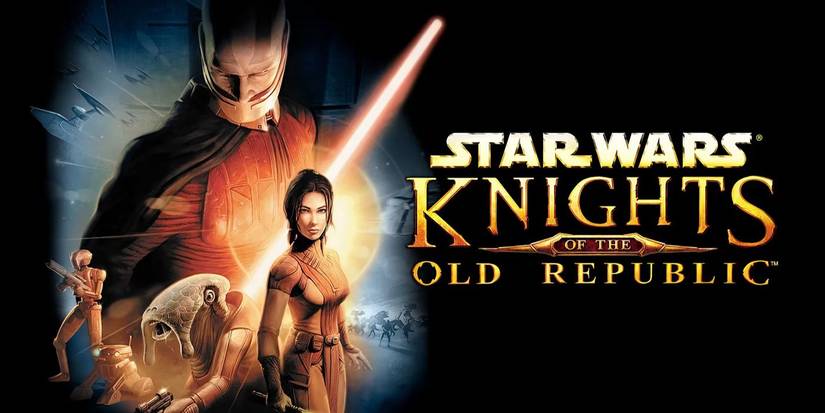
- Star Wars: Knights of the Old Republic (2003) — 94: BioWare’s masterclass in storytelling remains the undisputed gold standard of the franchise, beloved for its complex morality system and iconic narrative twist.
- Star Wars Jedi Knight II: Dark Forces II (1997) — 91: A pioneering first-person shooter that revolutionized early PC gaming by integrating immersive lightsaber mechanics.
- Star Wars Rogue Squadron II: Rogue Leader (2001) — 90: Serving as a defining GameCube launch title, this remains the definitive space-combat flight simulator of the franchise.
- Star Wars Jedi Knight II: Jedi Outcast (2002) — 89: Renowned for offering the most mechanically deep and satisfying Jedi combat simulation in history.
- Star Wars: Galactic Racer (2026) — 88: Fusing high-speed arcade racing with the criminal underworld of the Outer Rim, Fuse Games’ debut sits proudly as the highest-rated release in twenty-four years.
- Star Wars: Knights of the Old Republic II – The Sith Lords (2004) — 85/86: Obsidian’s morally grey deconstruction of the Force.
- Star Wars Zero Company (2026) — 86: Tied with KOTOR II, Bit Reactor’s tactical triumph brings punishing, strategic warfare to the gritty battlefields of the Clone Wars.
By breaking into the top tier of all-time Star Wars releases, Galactic Racer and Zero Company have achieved what a decade of multi-million-dollar EA blockbusters struggled to accomplish: universal critical acclaim rooted in deep, specialized gameplay mechanics rather than cinematic spectacle alone.

Official Responses and Industry Perspectives
The unprecedented success of these titles has prompted internal shifts at Lucasfilm Games and enthusiastic commentary from industry analysts.
Speaking anonymously to gaming journalists following the launch of Galactic Racer, a senior Lucasfilm Games representative noted that the company’s strategy has fundamentally evolved. "We spent many years believing that the path to a successful Star Wars game required a cinematic narrative arc centered around iconic heroic archetypes," the representative stated. "What Bit Reactor and Fuse Games have demonstrated is that the strength of the Star Wars universe lies in its environmental texture. The galaxy is big enough to house stories about mechanics, racers, and soldiers who never touch a lightsaber."
Developers from the newly minted studios have also been vocal about the creative freedom they were afforded. Matt Webster, co-founder of Fuse Games, emphasized in a recent studio briefing that the team was never pressured to dilute their vision for mass market appeal.
"Lucasfilm didn’t ask us to make a safe, homogenized racing game with a Star Wars skin slapped on top," Webster explained. "They looked at our pedigree with Burnout and said, ‘Go make the best arcade racer you possibly can, and build it in the Outer Rim.’ That trust is why the game resonates so strongly with players who missed that specific brand of adrenaline."
Similarly, Greg Foertsch of Bit Reactor highlighted how the tactical genre found a natural home within the brutal realities of the Clone Wars. By incorporating high-stakes tactical decision-making and permadeath mechanics for mercenary units, Zero Company successfully communicated the human cost of galactic conflict—a theme rarely explored in traditional Jedi-centric adventures.
Implications: The Future of the Galaxy Far, Far Away
The triumph of Star Wars Zero Company and Star Wars: Galactic Racer carries profound implications for the future of interactive storytelling within the franchise.
1. The Revival of Dormant Genres
Perhaps the most exciting byproduct of this success is the indirect resurrection of beloved, neglected video game genres. For years, major publishers abandoned strategic turn-based tactics (a la XCOM) and frantic arcade street racers (a la Burnout) in favor of live-service multiplayer games and cinematic open-world action-adventures. By funneling these classic game styles through the lens of Star Wars, independent developers have proven that a dedicated audience exists for these gameplay loops if executed with uncompromising quality.
2. Proof That Niche Can Coexist with Mass Market
In the modern gaming industry, ballooning development budgets often force publishers to target the broadest possible demographic, frequently resulting in safe, repetitive design. Zero Company and Galactic Racer achieved critical glory precisely by catering to passionate, historically underserved niche communities. The inclusion of the Star Wars brand did not water down their mechanical complexity; rather, it acted as a welcoming bridge, introducing newcomers to genres they might otherwise have ignored.
3. A Blueprint for Lucasfilm Games moving forward
Moving past the era of single-publisher exclusivity, Lucasfilm Games has established a working blueprint for future licensing agreements: hand the keys over to genre specialists, give them creative autonomy, and allow them to explore the dark corners, lawless underworlds, and untold military campaigns of the galaxy.
While players can rest assured that Cal Kestis and future Force-wielding protagonists will return in subsequent installments from Respawn, the cultural monopoly of the Jedi has been broken. The success of 2026 proves once and for all that the most compelling stories in a galaxy far, far away are often found far away from the Jedi Temple—leaving the door wide open for developers to take Star Wars into every corner of the gaming universe imaginable.
