
The Day the Earth Stood Still (1951): A Timeless Masterpiece of Sci-Fi Hubris and Human Folly
Main Facts: The Enduring Legacy of a Sci-Fi Milestone
Released nearly three-quarters of a century ago, Robert Wise’s 1951 science-fiction masterwork The Day the Earth Stood Still remains an untouchable pillar of cinematic history. Far more than a simple creature feature or B-movie pulp adaptation of the Cold War era, the film functions as a profound cautionary tale regarding human hubris, technological self-destruction, and mankind’s inherent inhumanity toward itself.
The American Film Institute (AFI) has repeatedly recognized the cultural and artistic significance of the film, cementing its status across multiple prestigious lists. The Day the Earth Stood Still earned coveted spots among America’s greatest cinematic cheers, its most harrowing thrills, and stood proudly as one of the definitive entries in the science-fiction genre.
At the helm of this landmark production was director Robert Wise, a towering figure in Hollywood history who later received the ultimate American filmmaking accolade: the AFI Life Achievement Award in 1998. Beyond his directorial triumphs—which include other cinematic milestones like West Side Story and The Sound of Music—Wise was a passionate advocate for the future of the medium. He dedicated immense time and energy to nurturing the next generation of storytellers as the Chair of the AFI Conservatory, which was known at the time as the Center for Advanced Film Studies.
Chronology: From Pulp Origins to Silver Screen Immortality
The Genesis: Farewell to the Master (1940)
The intellectual DNA of The Day the Earth Stood Still traces back to science-fiction literature. The film was adapted from Harry Bates’s iconic 1940 short story "Farewell to the Master." While Bates’s original narrative focused heavily on the complex, twist-laden relationship between a futuristic emissary and his formidable robotic bodyguard, Hollywood saw an opportunity to pivot the narrative toward pressing geopolitical anxieties.
Post-War Production and the Atomic Shadow (1950–1951)
By 1950, the global landscape had been permanently altered by the conclusion of World War II and the harrowing dawn of the nuclear age. Screenwriter Edmund H. North was tasked with adapting Bates’s story for 20th Century Fox, injecting a heavy dose of atomic-era dread. Directed by Robert Wise and produced by Julian Blaustein, the film went into production under the looming shadow of the burgeoning Cold War and the red scare.
The Premiere and Critical Reception (September 1951)
The Day the Earth Stood Still premiered in September 1951 to a world teetering on the edge of nuclear proliferation. While initially greeted by some contemporary critics as high-concept genre entertainment, audiences and astute reviewers quickly realized the film possessed a deeper philosophical gravity. It bypassed the typical bug-eyed monster tropes of early sci-fi, presenting instead an alien visitor who looked, spoke, and reasoned like a human being.
The Decades of Re-evaluation (Late 20th Century to Present)
As generations passed, the film’s reputation only grew. Its inclusion in the Library of Congress’s National Film Registry in 1995 for being "culturally, historically, or aesthetically significant" solidified its place in American high art. Decades later, its thematic resonance—warning against the dangers of unchecked technological power and mutual assured destruction—feels eerily prophetic in the 21st century.
Supporting Data: Critical Acclaim and Institutional Recognition
The numerical and institutional data surrounding The Day the Earth Stood Still underscores its monumental stature in film history:
- AFI’s 100 Years… 100 Cheers: The film was honored among America’s most inspiring and uplifting movies, recognized for its ultimate message of peace, unity, and hope amidst despair.
- AFI’s 100 Years… 100 Thrills: It secured a place among the most pulse-pounding cinematic experiences, driven by psychological tension rather than cheap jump scares.
- AFI’s 10 Top 10 (Science Fiction): Out of the entire history of cinema, the American Film Institute named it one of the absolute greatest science-fiction films ever made.
- The Robert Wise Connection: Wise’s association with AFI—culminating in his 1998 Life Achievement Award and his leadership at the AFI Conservatory—ties the film directly to the preservation and education of American cinema arts.
Official Responses and Critical Analysis: Decoding Klaatu and Gort
Upon its release, studio executives at 20th Century Fox were somewhat anxious about how audiences would respond to an overtly pacifist message delivered by an extraterrestrial figure during a period of intense American nationalism. However, the film’s creators stood firm, utilizing allegory to bypass direct political censorship.
The Philosophy of Klaatu
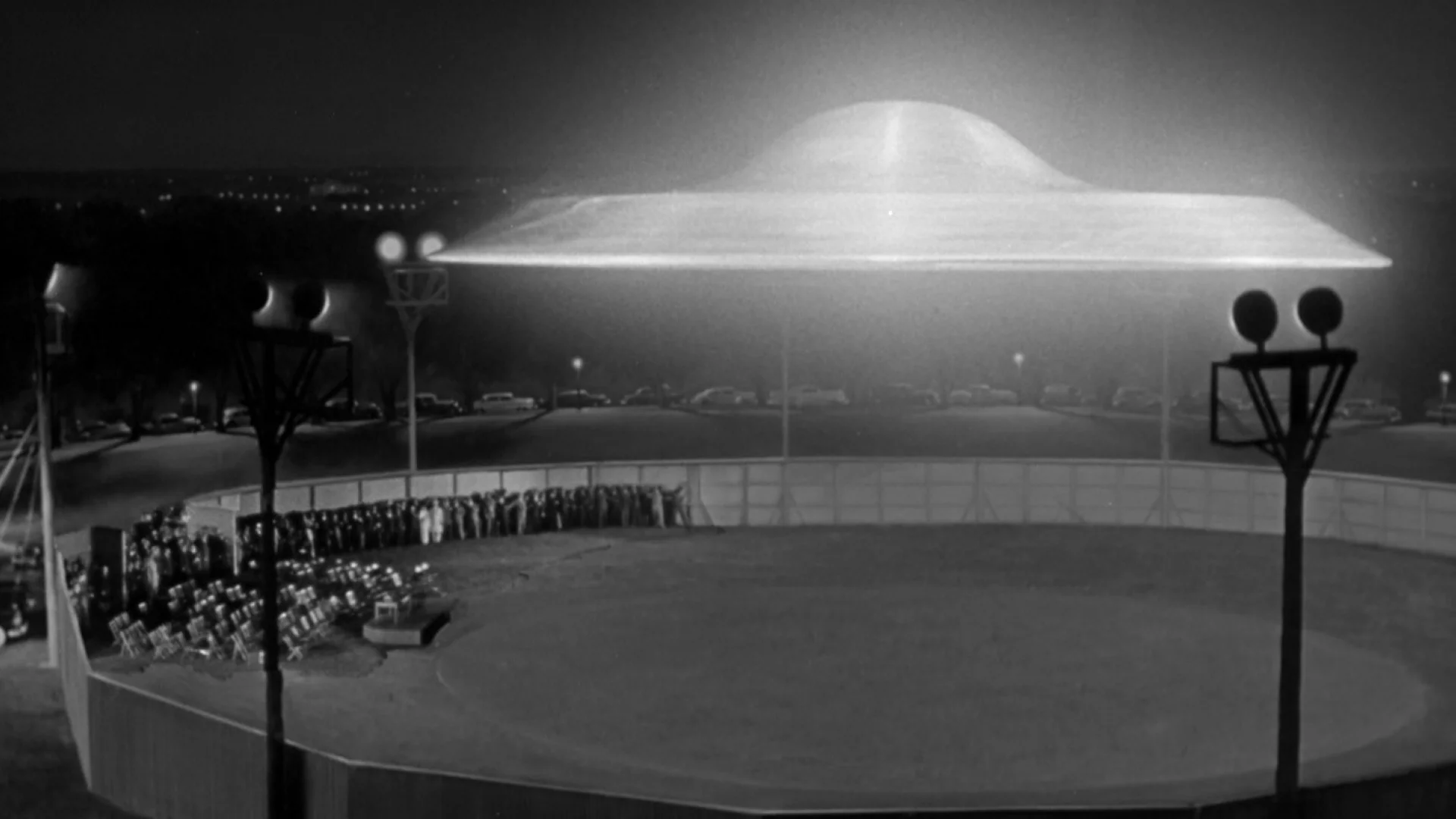
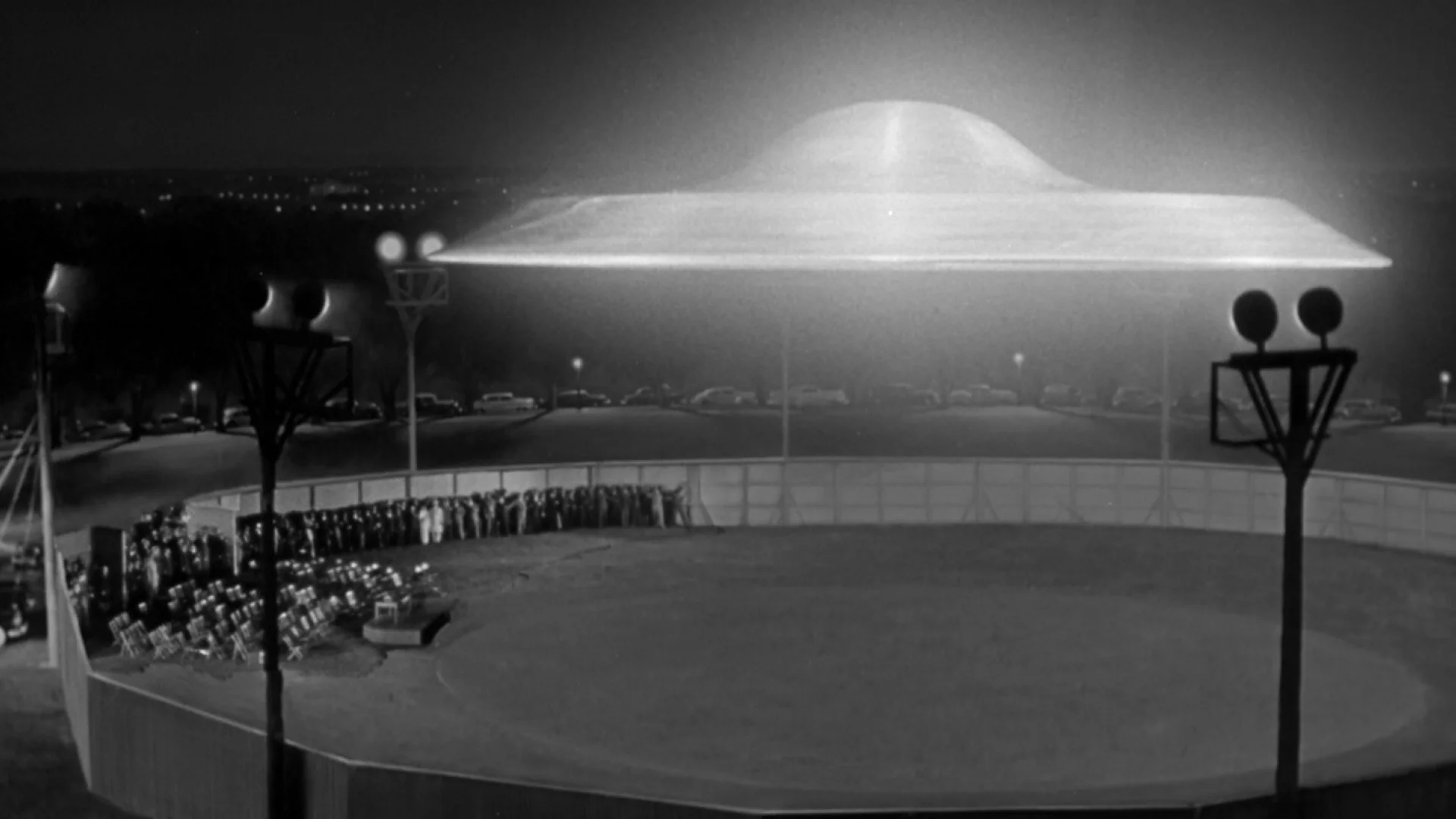
Played with stoic, calm authority by Michael Rennie, the extraterrestrial emissary Klaatu arrives in Washington, D.C., bearing a simple, terrifying message: humanity must abandon its violent ways and join an interstellar coalition of peace, or face total annihilation.
Film historians and critics have long noted the heavy Christological parallels embedded within Klaatu’s narrative arc. He arrives from the heavens, adopts an earthly name (Mr. Carpenter), performs acts that confound mortals, is ultimately killed by the authorities, and is resurrected before ascending back into the cosmos.
Gort and the Ultimate Deterrent
No discussion of the film is complete without mentioning Gort, the towering, silver automaton played by towering actor Lock Martin. Gort serves as an impassioned commentary on militarism. As Klaatu explains, Gort and his fellow invincible robots are part of an interplanetary police force designed to eliminate violence entirely. If humanity takes its nuclear ambitions into space, the Earth will simply be burned out of existence to protect the rest of the galaxy.

Famous lines like "Klaatu barada nikto" have transcended the medium, embedding themselves permanently in global pop culture as symbols of sci-fi lore and cinematic history.
Implications: Why The Day the Earth Stood Still Matters Today
Nearly three-quarters of a century after its theatrical debut, the implications of The Day the Earth Stood Still resonate louder than ever. In an era defined by artificial intelligence expansion, escalating geopolitical tensions, nuclear re-armament fears, and global environmental crises, the core question posed by Robert Wise’s masterpiece remains unanswered: Will humanity evolve past its self-destructive tendencies before it is too late?
The film challenges viewers to look past national borders and ideological divides, urging collective responsibility. It warns that technological advancement without ethical maturation is a recipe for extinction.
Preserving the Cinematic Art
Organizations like the American Film Institute continue to champion masterworks like The Day the Earth Stood Still to ensure that contemporary and future storytellers understand the profound power of the moving image. By examining the past through initiatives like the AFI Catalog and educational programs at the AFI Conservatory, the cinematic community ensures that films remain not just sources of entertainment, but moral and philosophical compasses for society.
As audiences continue to stream and rediscover The Day the Earth Stood Still, the flying saucer parked on the National Mall remains a haunting monument to our potential—both for magnificent progress and utter ruin.
