
I Love Paris: How an Improvised Micro-Budget Vampire Mockumentary Redefines 2026 Horror
Main Facts
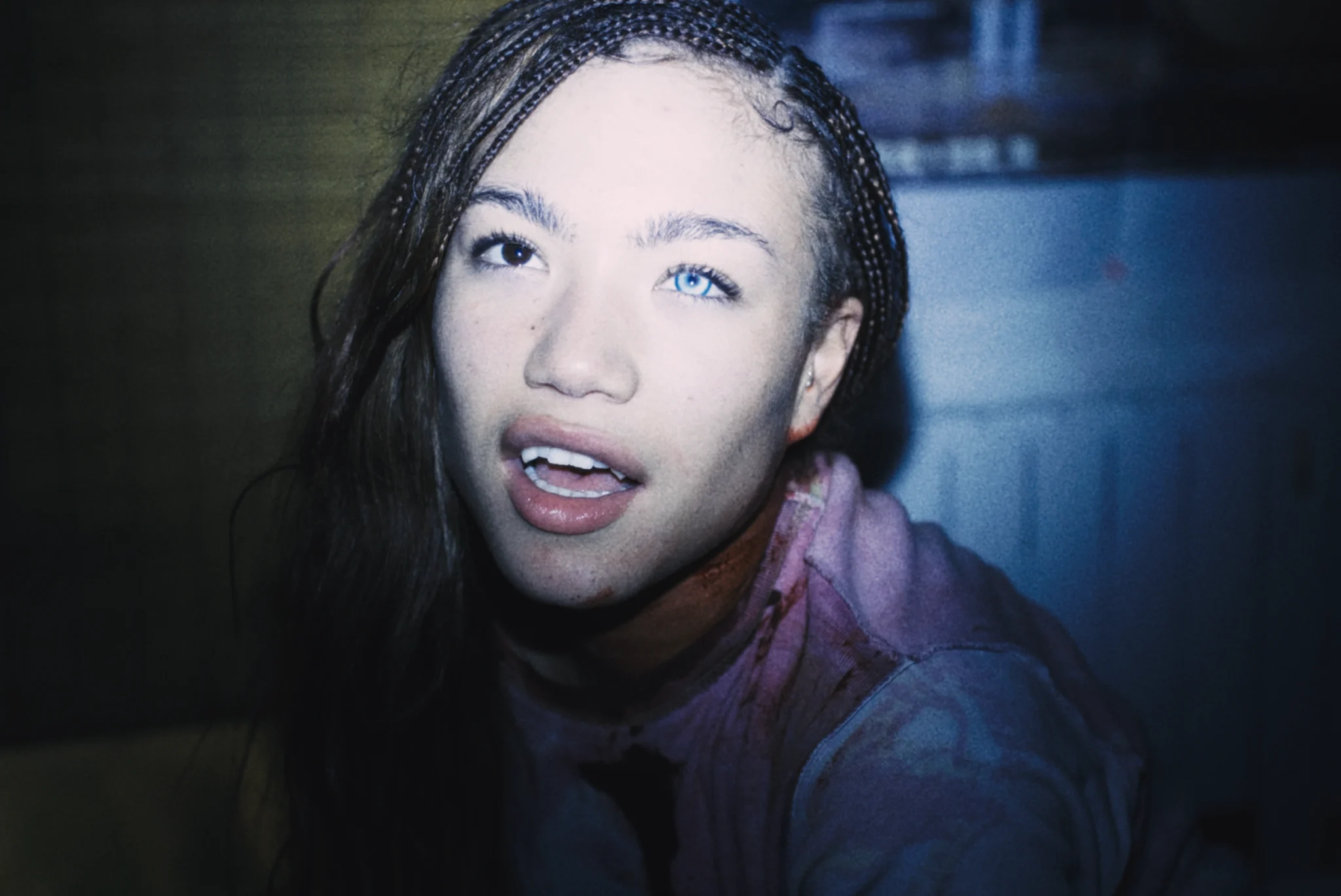
The cinematic landscape of 2026 has witnessed the arrival of a fiercely original, boundary-pushing independent feature: the French-language mockumentary horror-comedy I Love Paris. Directed by Murphy—who also operated the camera, co-wrote the screenplay, and helped shape its distinct visual identity—the film follows Paris (Aminata Thiboult), an unabashedly self-absorbed underground singer and aspiring internet personality whose obsessive quest for a bigger social media following takes a horrific detour. While filming a TikTok video in a dimly lit Parisian tunnel, Paris crosses paths with Lutèce (Leonor Oberson), a cynical, world-weary vampire. An accidental, chaotic encounter leaves Paris undead, thrusting her into a blood-soaked nocturnal existence that she quickly weaponizes to feed her relentless hunger for fame.
Rather than relying on traditional studio pipelines, computer-generated effects, or a locked-down script, I Love Paris was forged through an unorthodox guerrilla production. Shot over the course of just 26 nights with a skeletal crew and minimal budget, the film emerged organically from improvisational scene work, rough character outlines, and spontaneous linguistic translation. Actors routinely took sketched English-language dialogue and adapted it natively into French on the fly.
The movie is slated to make a high-profile premiere as the opening-night selection of the prestigious Brooklyn Horror Film Festival on October 15, 2026. Merging the raw, documentary-style visual language of The Blair Witch Project and Chronicle with the deadpan social satire and interpersonal friction of The Office and Man Bites Dog, I Love Paris offers a gritty, lived-in portrait of contemporary ambition twisted by supernatural intervention.

Chronology of Production and Release
The Genesis of a Guerrilla Horror
The conceptualization of I Love Paris began long before a single frame was captured on digital sensors. Director Murphy, alongside co-writer and star Aminata Thiboult, sought to craft a narrative that combined the modern anxieties of hyper-connectivity and social media clout with the timeless mythology of the undead. Eschewing the conventional months-long pre-production cycles typical of narrative features, the creative team opted for a fluid, reactive blueprint.
The 26-Night Shoot
Principal photography was executed under strenuous, nocturnal conditions. Over a concentrated period of 26 night shoots, the micro-budget production relied heavily on improvisation. Scenes were frequently constructed from basic behavioral prompts rather than rigorous scene directions. Performers were encouraged to lean into naturalistic overlap, conversational digressions, and mundane arguments, allowing the supernatural elements of the story to crash awkwardly against the drab reality of modern urban existence.
The Festival Circuit and Premiere
Following its grueling post-production phase—where Thiboult notably expanded her creative footprint by composing the film’s original score—I Love Paris caught the attention of festival programmers. Its selection as the opening-night film for the Brooklyn Horror Film Festival on October 15, 2026, marks a major milestone for the ultra-low-budget indie. The premiere positions the picture as one of the most daring and unconventional genre offerings of the autumn festival circuit.

Supporting Data and Creative Framework
Cast and Crew Contributions
The production’s multifaceted talent pool was essential to maintaining its cohesive yet chaotic aesthetic. Behind and in front of the camera, key contributors shaped the film’s gritty ecosystem:
- Murphy: Director, co-writer, cinematographer, and operator. Murphy’s dual role as filmmaker and camera operator creates an immersive voyeurism that mirrors Paris’s own obsession with being watched.
- Aminata Thiboult: Co-writer, co-producer, composer, and lead actress playing Paris. Thiboult wears an unprecedented number of hats, ensuring that the musical cues, narrative beats, and character psychology align seamlessly with her fierce performance.
- Leonor Oberson: Portrays Lutèce, the seasoned vampire whose reluctance to act as a traditional mentor forms the emotional backbone of the picture.
- Louiza Aura: Appears as Mimi, rounding out a vibrant, hyper-ambitious creative scene in Paris where every participant appears desperate to leave a mark.
Cinematic Influences and Technical Execution
According to production notes and director statements, I Love Paris derives its stylistic tension from a deliberate cross-pollination of genres and visual methodologies:
- Tonal Touchstones: The Office (for its cringe-inducing interpersonal dynamics and observational awkwardness) and Man Bites Dog (for its unflinching integration of violence into a mockumentary format).
- Visual Touchstones: The Blair Witch Project and Chronicle, both of which weaponize unstable, diegetic camera framing to build intimacy, claustrophobia, and a creeping sense of inevitability.
- The Soundtrack: Composed entirely by Aminata Thiboult, the musical landscape shifts between ethereal electronic hums and sharp, discordant beats that underscore the relentless momentum of youth culture in perpetual motion.
Character Dynamics and Official Perspectives
The Unlikable Protagonist: Paris
Mainstream cinema often conditions audiences to root for protagonists who undergo a moral redemption arc or possess clear, empathetic vulnerabilities. I Love Paris intentionally flouts this convention. Paris is unapologetically self-absorbed, stubborn, and manipulative, treating friends, acquaintances, and even fatal encounters as stepping stones for her eventual biographical myth-making.

Critics and early reviewers have praised Thiboult’s refusal to soften Paris for the sake of audience approval. When she contracts vampirism, her core priorities do not shift toward moral salvation or existential dread; instead, she views immortality and supernatural strength simply as upgraded tools to amplify her social media presence. The mockumentary format creates a brilliant layer of meta-irony: by continuously feeding footage to the invisible camera crew (and by extension, the audience), Paris achieves her ultimate dream of being watched, even as her life spirals into a bloody spectacle.
The Complex, Prickly Guidance of Lutèce
If Paris represents the relentless, superficial appetite of modern fame-chasing, Lutèce embodies the exhausted, deeply guarded pragmatism of an immortal existence. Played with understated depth by Leonor Oberson, Lutèce shatters the genre cliché of the wise, paternalistic vampire mentor who patiently walks the newbie through the dark rules of the underworld.
Lutèce has her own schedule, grievances, and personal objectives that exist entirely independent of Paris. Yet, a strange, prickly maternal bond slowly develops between them. In one particularly poignant and subtly layered scene, Lutèce warns Paris that human narcotics have no physiological effect on vampires—a claim the narrative later proves to be false—prompting Paris to defiantly continue smoking. Oberson plays the moment with a quiet ambiguity, suggesting a protective, panicked lie told by an older guardian attempting to shield a reckless ward from hazards that logic cannot fix.

Implications for Independent Horror
The Resurgence of Guerrilla Mockumentaries
The critical buzz surrounding I Love Paris highlights a broader shift in contemporary horror filmmaking. As studio budgets balloon and audience fatigue sets in regarding sterile, over-polished franchise entries, micro-budget guerrilla projects are proving that raw human performance and narrative unpredictability can yield far richer dividends. By stripping away complex lighting setups and strict script adherence, Murphy and his cast captured an authentic rhythm of conversation that high-end productions frequently struggle to fake.
Redefining the Monster Narrative
Traditionally, vampire narratives explore themes of addiction, alienation, or the loss of humanity. I Love Paris sidesteps these heavy moralistic tropes by leaning into comedy and social satire without losing its teeth. By examining how modern influencer culture and digital narcissism intersect with predatory immortality, the film serves as a darkly humorous commentary on visibility. It asks a chilling question: In an era where millions of people willingly document every waking moment for algorithmic approval, how different is an influencer from a blood-sucking predator searching for their next audience?
As I Love Paris prepares to open the Brooklyn Horror Film Festival on October 15, 2026, it stands as a testament to the power of resourceful filmmaking. It proves that a horror movie does not need a pristine script or millions of dollars to feel thoroughly alive—it just needs characters who refuse to stay inside the frame.
