
Breaking News on the Ground: How Top Brands Are Trading Feeds for Ink in the Experiential Renaissance
By Event Marketer Bureau
Published: September 2026
Main Facts: The Analog Revolution in Experiential Marketing
In an era dominated by hyper-targeted digital feeds, algorithmic fatigue, and endless scrolling, top-tier global brands are orchestrating a surprising plot twist: they are heading back to the printing press.
From the sun-drenched shores of the French Riviera to the bustling corridors of Grand Central Terminal, custom-printed newspapers, zines, and glossy magazines are staging a massive comeback. Experiential marketing professionals are leveraging physical print publications not as relics of a bygone era, but as cutting-edge engagement tools. Far from being mere paper weights, these brand-owned periodicals are operating as educational swag, high-value tangible keepsakes, and interactive storytelling companions.
Whether featuring custom cocktail recipes, high-fashion spreads, thought-leadership insights, or product deep-dives, printed collateral has transformed into the ultimate VIP credential. Brands spanning spirits, automotive, beauty, entertainment, and e-commerce are discovering that tactile media commands a level of attention and emotional resonance that digital banner ads simply cannot replicate.
Chronology: A Timeline of Print-Driven Brand Activations
The resurgence of print in the experiential space has accelerated rapidly throughout 2026, punctuated by a series of high-profile brand activations across cultural, sporting, and entertainment landscapes:
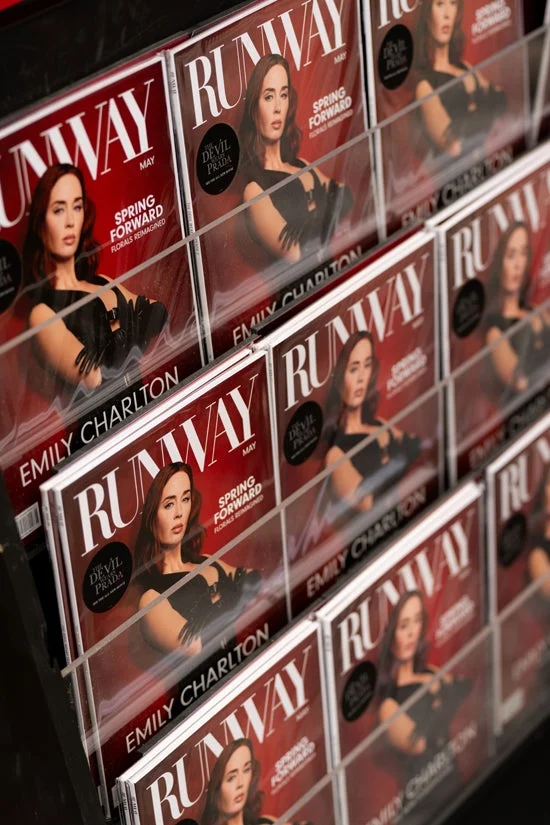
- May 2026 (The Hollywood Tease): Walt Disney StudiosMotion Pictures launches an aggressive experiential marketing blitz to promote The Devil Wears Prada 2. The campaign features towering high-heel installations across six major cities, anchored by a historic first: the fictional in-movie magazine Runway is printed as a real, 90-plus-page collector’s item distributed via street-level newsstands.
- June 2026 (Global Industry Insights at Cannes): During the Cannes Lions 2026 festival, Amazon Ads constructs a French village footprint dubbed “Le Boulevard d’Amazon.” Nestled among the storefronts is a bespoke newsstand showcasing The Amazon Ads Gazette (localized as La Gazette des Partenaires), compiling tactical insights from 30 different industry partners.
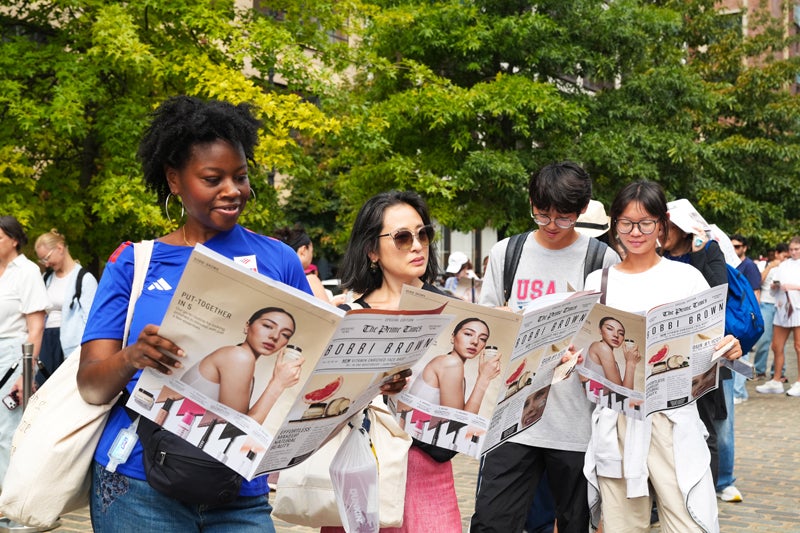
- Summer 2026 (Music, Fashion, and Sweat Solutions): Dove joins forces with pop icon Charli xcx for her high-profile Music, Fashion, and Film Tour. To promote its Whole Body Deo, Dove drops a tabloid-style newspaper across three cities, utilizing interactive Peel & Reveal stickers to hand out free concert tickets.
- August 2026 (Automotive Culture in Venice): Mattel-owned Hot Wheels marks the launch of its inaugural "Class of Legends" campaign—featuring co-designs by music star Maluma, creator Supercar Blondie, and soccer star Robert Lewandowski—with a popup in Venice, California. The event plays host to the debut of Hot Wheels Zine, the brand’s first-ever print publication.
- Late Summer/Fall 2026 (Sports and Heritage Activations): Grey Goose rolls out multiple iterations of The Goose Gazette. The publication pops up at the U.S. Open during the brand’s "Last Serve Bar" activation and serves as an immersive touchpoint during the exclusive Grey Goose Hôtel experience in Picardie, France. Simultaneously, SheaMoisture launches the third annual edition of its Yes, And magazine, embedding it directly into the "Sheaversity on the Yard" HBCU campus tours across five distinct universities.
Supporting Data: Why Physical Print Resonates in a Digital World
The strategic pivot toward print is underpinned by shifting consumer psychology and data-backed advantages in experiential engagement:
- Tangible Retention: According to experiential marketing metrics, physical keepsakes boast a retention rate significantly higher than digital promotional materials. Attendees are far more likely to keep, display, or share a beautifully designed zine or newspaper than they are to save a digital PDF or bookmark a URL.
- Dwell Time: Studies tracking consumer behavior at brand pop-ups indicate that physical reading material increases dwell time at activations by an average of 35% to 50%. Consumers pause, sit down, and leaf through pages, anchoring themselves to the physical footprint rather than quickly moving through a photo-op line.
- Integrated Digital Bridges: Modern brand gazettes do not reject the digital age—they enhance it. By strategically placing QR codes throughout print issues, brands are successfully bridging the physical-digital divide. For instance, Grey Goose’s gazette utilized QR codes to seamlessly funnel readers from print pages to curated Spotify playlists and localized Parisian travel guides.
- Tiered Scarcity: Print runs are frequently managed as exclusive commodities. Dove’s limitation of its Charli xcx newspaper to the first 300 people in line created immediate urgency, driving long queues and amplifying social media organic reach as fans flaunted their limited-edition scores online.
Official Perspectives: How Brands Are Deploying Print Media
Behind these strategic print campaigns are deliberate brand narratives designed to deepen consumer connection through storytelling.
Grey Goose and the Art of Heritage
For Grey Goose, The Goose Gazette serves as an educational bridge connecting the consumer’s glass to the brand’s agricultural roots. During the Picardie hotel takeover, brand representatives emphasized that the publication was designed to transport guests directly to the French countryside where the wheat for the vodka is harvested. By blending cocktail recommendations for key European summer hotspots with deep dives into French heritage, the gazette functions as both a lifestyle magazine and an authentic heritage document.
Hot Wheels and the Elevation of Car Culture
Mattel’s introduction of the Hot Wheels Zine marks a deliberate evolution for a brand traditionally associated strictly with molded metal toys. By collaborating with cultural heavyweights like Maluma and Supercar Blondie, the brand used its debut zine to position itself at the intersection of high fashion, automotive design, and contemporary culture. The publication acts as a critical anchor, giving intellectual and artistic weight to a physical toy line.
SheaMoisture and Empowerment Through Storytelling
SheaMoisture’s Yes, And magazine represents a masterclass in community-centric content creation. Deployed across Historically Black Colleges and Universities (HBCUs) as part of the "Sheaversity on the Yard" initiative, the publication serves as a mirror for its audience. By partnering directly with campus ambassadors, the brand ensures that the magazine’s content—ranging from leadership journeys to specialized haircare needs—is profoundly authentic, validating the multidimensionality of Black women on campus.
Disney’s Immersive World-Building
For Walt Disney Studios, printing a physical edition of the fictional Runway magazine for The Devil Wears Prada 2 promotional tour crossed the line between fiction and reality. By placing the 90-plus-page magazine on open-air newsstands alongside towering red heels in major cities, Disney gave fans an interactive prop from the cinematic universe they could physically hold, thumb through, and showcase on social media.
Implications: The Future of Experiential Print Strategy
The unexpected renaissance of print within experiential marketing carries profound implications for brands, event producers, and media agencies moving forward.
1. The Redefinition of "Swag"
For decades, event giveaways consisted of cheap plastic trinkets, branded pens, or low-quality t-shirts that frequently ended up in landfills. The rise of brand gazettes, zines, and newspapers represents a maturity in experiential gifting. Consumers no longer want branded clutter; they want culture, art, and utility. A beautifully bound magazine or a stylish tabloid newspaper functions as lifestyle media, elevating the perceived value of the brand giveaway.
2. Combating Digital Fatigue
As artificial intelligence generates an unprecedented volume of digital content and social media feeds become increasingly saturated with programmatic ads, consumers are experiencing severe digital fatigue. Physical print offers a sensory respite. The smell of ink, the texture of heavy-stock paper, and the deliberate pacing of turning a page provide a restorative, distraction-free brand experience.
3. Deepening Omnichannel Integration
Print is no longer an isolated medium; it is the ultimate omnichannel hub. By utilizing augmented reality (AR) triggers, NFC chips embedded in paper stock, and dynamic QR codes, brands are discovering that print can drive high-intent digital actions. Whether unlocking exclusive ticket giveaways via Peel & Reveal stickers or directing users to curated travel playlists, print serves as the physical anchor for sprawling digital ecosystems.
4. What Lies Ahead for Event Professionals
As we look further into the future of brand activations, event profs are challenged to think beyond screens and architectural builds. The success of these print campaigns proves that audiences still crave tactile storytelling. Moving forward, integrating a bespoke publication into an experiential marketing strategy will no longer be viewed as an eccentric novelty, but as a sophisticated, high-impact standard for brands striving to make a lasting impression in a noisy world.
