
The Tale of Two Sci-Fi Seasons: Analyzing the Rotten Tomatoes Dichotomy of Nathan Fillion’s Firefly and Lanterns

Throughout a career spanning decades, actor Nathan Fillion has cemented his status as a sci-fi icon. From leading desperate crews on the ragged edge of space to wielding the cosmic power of the DC Universe, Fillion’s journey through speculative fiction offers a fascinating case study in television reception. Nowhere is this more apparent than in the critical and popular reception of two single-season television milestones separated by more than two decades: Joss Whedon’s cult-classic space Western Firefly (2002) and HBO and DC’s blockbuster superhero series Lanterns (2026).
While both shows feature Fillion in prominent roles and both boast truncated lifespans that left fans wanting more, their Rotten Tomatoes profiles present a striking paradox. Lanterns captured the hearts of professional critics while leaving a portion of the audience cold, whereas Firefly endured a lukewarm critical reception only to ascend to mythic, universally adored status among viewers. Examining these contrasting scores opens a broader conversation about the eternal disconnect between professional reviewers and general audiences in modern television.
Main Facts: A Tale of Two Critiques
The core of the discussion lies in the stark numerical divide recorded on review-aggregation platform Rotten Tomatoes. Lanterns, HBO’s gritty and grounded DC Universe series that aired earlier this year, achieved a stellar 91% critics’ score, positioning it among the most critically acclaimed comic book adaptations of the decade. Yet, its Popcorn Meter—representing the audience approval rating—sits at a divisive 67%.

Conversely, Firefly, Fox’s ill-fated 2002 space opera that was famously canceled before airing its entire first season, holds a modest 77% critics’ score. However, its audience score soars at a near-flawless 96%.
Rotten Tomatoes Score Comparison
| Series | Critics’ Score | Audience Score (Popcorn Meter) |
|---|---|---|
| Lanterns (2026) | 91% | 67% |
| Firefly (2002) | 77% | 96% |
These numbers expose a fundamental truth about modern media consumption: critical acclaim does not guarantee audience adoration, and cult status is rarely handed down by professional reviewers. For Nathan Fillion, these statistics represent two entirely distinct paths to television immortality.
Chronology and Evolution: From the Black to the Emerald Light
To understand how these two series arrived at their current cultural standings, it is helpful to look at their timelines—both production and reception.

The Firefly Phenomenon (2002–Present)
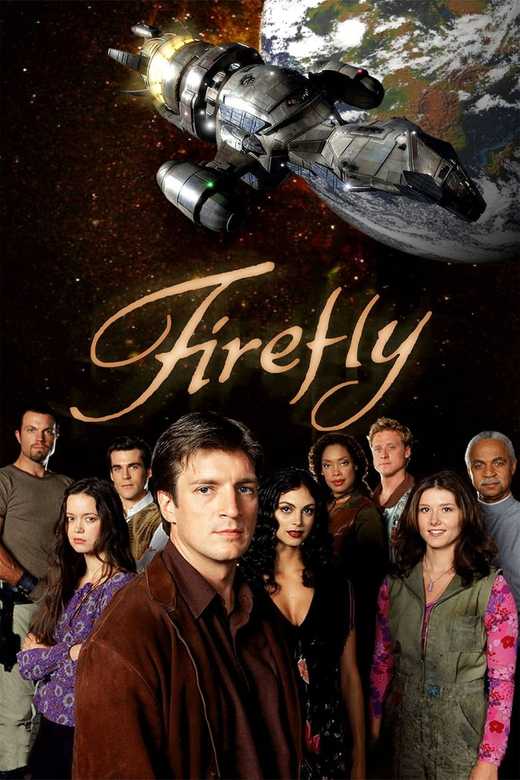
- Fall 2002: Fox premieres Firefly, created by Joss Whedon. The network airs episodes out of order, struggles to market its unique sci-fi/Western hybrid, and schedules it in the notoriously deadly Friday night "death slot."
- December 2002: Fox officially cancels Firefly after airing only 11 of its 14 produced episodes, leaving a passionate core fanbase devastated.
- 2003–2005: Fueled by unprecedented early-internet grassroots campaigns, DVD sales skyrocket. The overwhelming demand convinces Universal Pictures to fund a cinematic continuation, Serenity, released in 2005.
- Present Day: Over two decades after its cancellation, Firefly is routinely cited as one of the greatest canceled shows in television history. Rumors and reports regarding potential revivals—including discussions of an animated continuation spearheaded by Fillion and his collaborators—continue to circulate.
The Lanterns Era (2026)
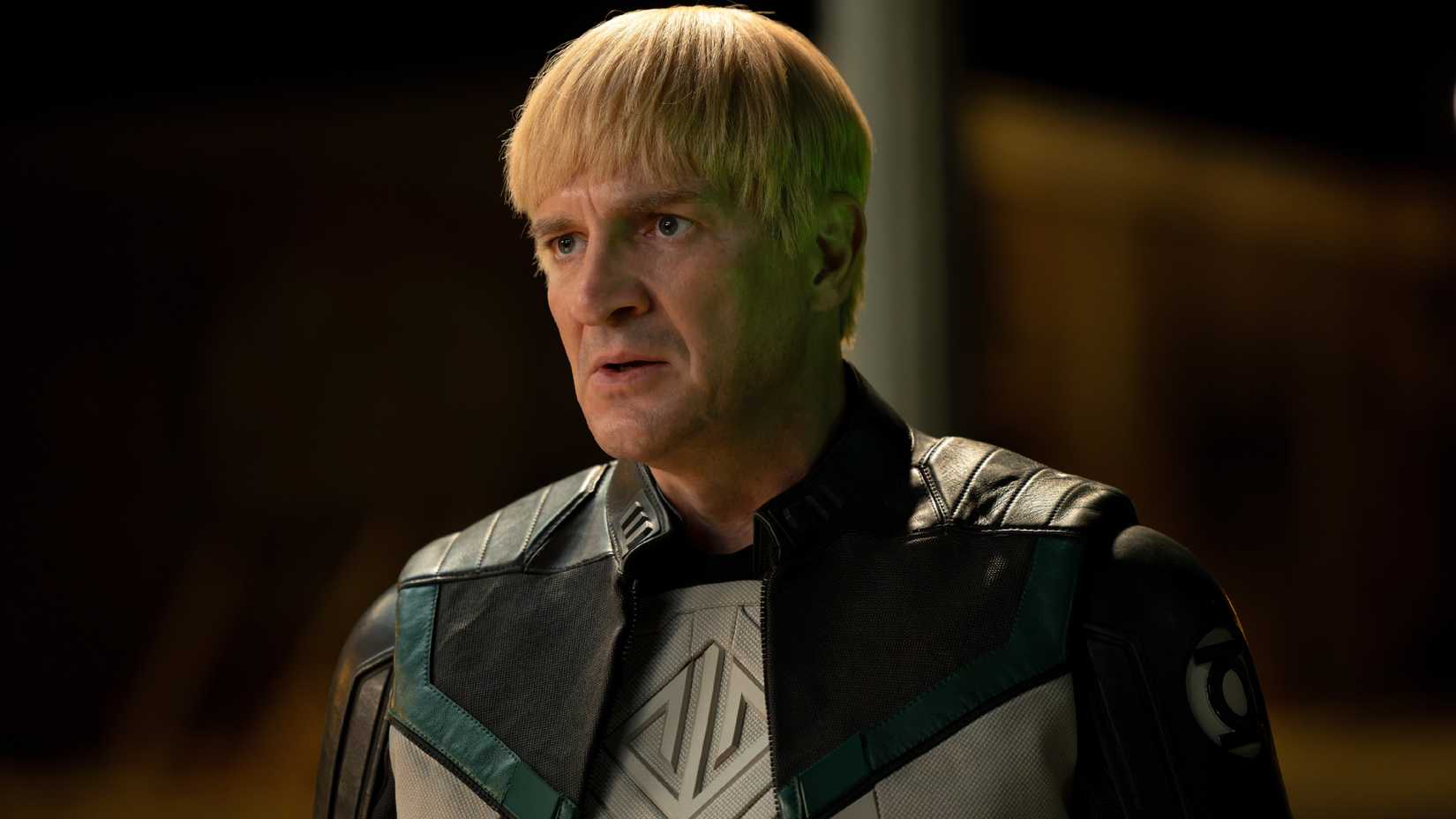
- Early 2026: HBO and DC roll out Lanterns, one of the most anticipated television events of the year. Starring Nathan Fillion as Guy Gardner alongside a high-profile cast, the series promises a mature, detective-style approach to the Green Lantern mythology.
- Spring 2026: Upon release, Lanterns sweeps professional critics off their feet. Reviewers praise its grounded tone, intricate mystery plotting, and character-driven focus, pushing its Rotten Tomatoes score to an impressive 91%.
- Summer/Fall 2026: As episodes stream on HBO Max, viewer reactions roll in. While streaming charts soar, audience forums reveal a fracture. Traditional comic book fans express frustration over the grounded, earth-bound narrative choices, driving the audience score down to 67%.
Supporting Data: Why Critics and Audiences Diverge
The 24-percentage-point chasm between Lanterns’ critical and audience scores, contrasted with the 19-percentage-point inverse gap for Firefly, underscores deep-seated differences in how reviewers and fans evaluate media.
Professional critics typically prioritize formal execution, writing quality, thematic depth, pacing, and subversion of genre tropes. By choosing to frame Lanterns as a grounded, human-centric mystery rather than a CGI-heavy cosmic spectacle, the showrunners earned high marks from reviewers who appreciated the restraint and maturity of the storytelling.
General audiences, however—particularly genre enthusiasts—often prioritize world-building, adherence to source material mythologies, and sheer entertainment value. For viewers tuning into a Green Lantern property, the expectation is often grand cosmic vistas, sprawling alien societies, and ring-slinging space battles. When a series spends a significant portion of its runtime anchored to Earth dealing with earthly investigations, a segment of the fanbase feels underserved, leading to a cooler audience score.
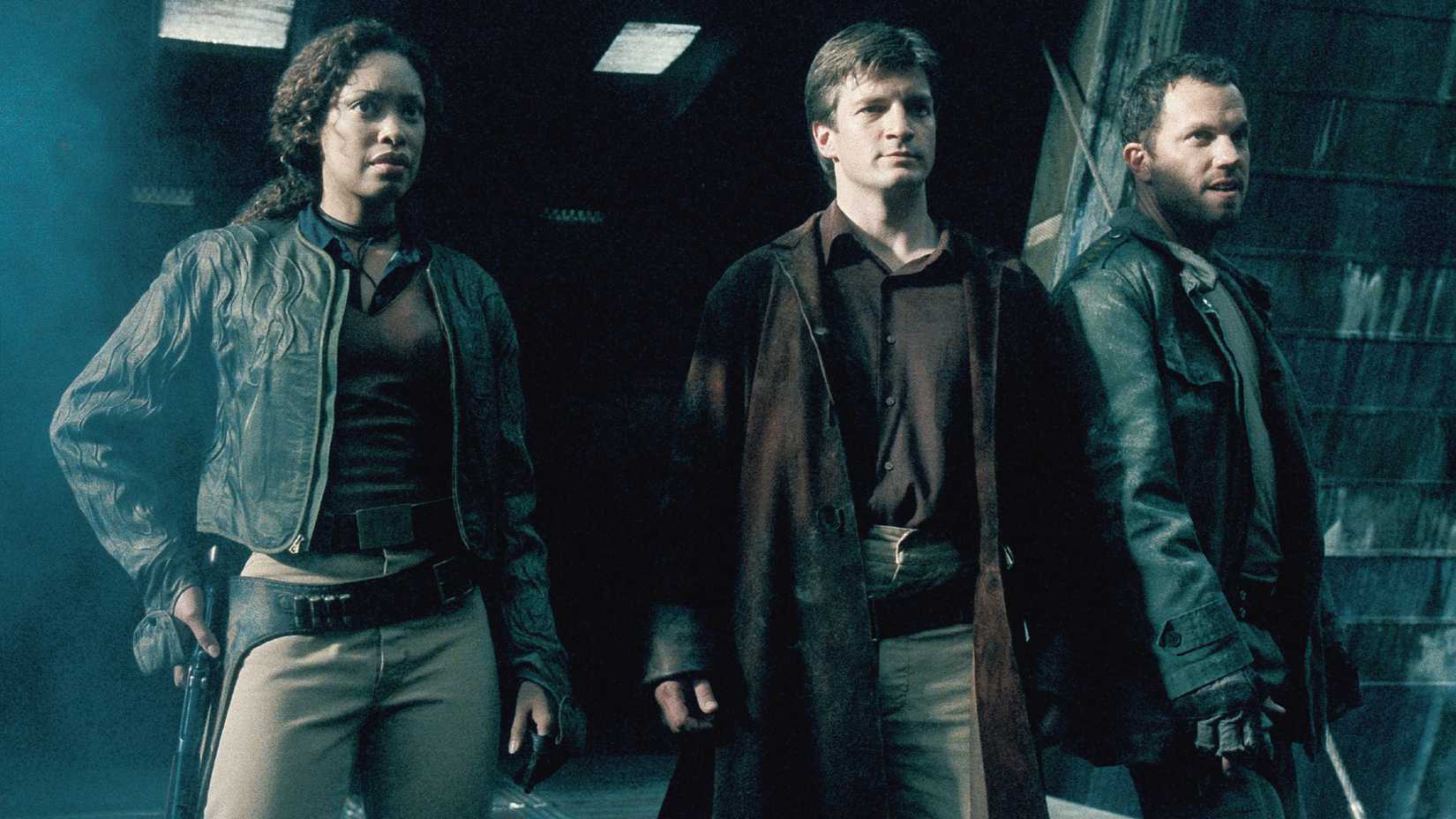
Conversely, Firefly suffered with 2002 critics precisely because its genre-blending style felt eccentric and risky for network television. Reviewers accustomed to traditional space procedurals like Star Trek or sweeping military dramas like Battlestar Galactica found the frontier-dialogue and down-and-dirty aesthetic jarring. Audiences, meanwhile, fell in love with the found-family dynamics, charismatic ensemble cast led by Fillion’s Malcolm Reynolds, and the lived-in, unpolished charm of the Serenity.
Official Responses and Industry Perspectives
The creative teams behind both projects have frequently spoken about the unique pressures of navigating genre expectations.
Industry analysts point out that high-budget fantasy and science fiction properties face an uphill battle when trying to please both pre-existing fanbases and general demographic reviewers. When HBO took on the DC property, the goal was to broaden the appeal beyond traditional comic book readers—a strategy that successfully won over professional critics.
Speaking about his long career in science fiction, Nathan Fillion has often reflected on the loyalty of sci-fi fans. In past interviews discussing the enduring legacy of Firefly, Fillion emphasized that the passion of the audience transcends standard ratings metrics. "When people connect with characters who feel real, flaws and all, that connection doesn’t expire when a network cancels a show," Fillion noted during a retrospective panel.
While HBO and DC executives have celebrated the strong streaming metrics and critical accolades driving Lanterns up the charts in late 2026, they remain attuned to the vocal reactions of the comic book community, acknowledging that adapting beloved source material always involves walking a tightrope between innovation and tradition.
Implications: The Future of Sci-Fi Television
The contrasting Rotten Tomatoes trajectories of Firefly and Lanterns carry significant implications for the future of science fiction and comic book television.
- The Death of the Traditional Pilot-to-Hit Pipeline: Networks and streamers are learning that critical validation no longer guarantees cultural ubiquity. Conversely, cult status can be forged long after a show’s initial broadcast window closes, heavily aided by subscription video-on-demand (SVOD) platforms like Prime Video, Hulu, and HBO Max.
- Genre Subversion vs. Fan Expectations: Studios must constantly weigh the benefits of subverting expectations against the risk of alienating core fans. While critics applaud creators who deconstruct superhero or space opera tropes to tell grounded human stories, audiences investing their time in established universes often want spectacle and fidelity to lore.
- Nathan Fillion’s Enduring Blueprint: For Fillion, these two shows bookend a remarkable era of television. Whether playing a cynical, silver-tongued space captain fighting a bureaucratic megacorporation or stepping into the vibrant, abrasive boots of a DC cosmic hero, Fillion remains a lodestar for genre entertainment. His ability to anchor both critically lauded prestige dramas and deeply cherished cult classics demonstrates an uncanny knack for choosing projects that spark passionate debate.
Ultimately, whether a show earns a 91% critics’ seal of approval or a 96% audience-driven badge of honor, the true measure of science fiction television lies in its staying power. As Firefly continues to captivate new generations two decades after its demise, and as Lanterns dominates current streaming conversations, Nathan Fillion’s place in the sci-fi pantheon remains secure—validated equally by the pens of critics and the fierce loyalty of fans.
