
The Architecture of Prestige: Looking Back at the Groundbreaking HBO Pilots That Redefined Television
Before the modern streaming wars fractured audience attention across dozens of competing platforms, HBO stood alone as the undisputed gold standard of exceptional television. Operating outside the restrictive parameters of traditional broadcast network censors and commercial constraints, the premium cable network fostered an environment of daring, boundary-pushing storytelling.
Long before series could build legendary, multi-season cultural footprints, however, they had to pass the ultimate stress test: the pilot episode. An exceptional pilot must simultaneously world-build, introduce complex ensemble casts, establish a unique tonal vocabulary, and hook viewers enough to tune in a week later.

Here is a comprehensive look back at the most groundbreaking, near-perfect pilots in HBO history—episodes that didn’t just launch successful shows, but fundamentally changed the DNA of modern television.
I. Main Facts: The Blueprint of Prestige Television
The era of cinematic television was built on the back of meticulously crafted first episodes. An HBO pilot is rarely a simple introductory chapter; it is an ambitious thesis statement. Whether introducing a mob boss in the middle of a panic attack or plunging audiences directly into a historical nuclear disaster, these premieres established that small-screen narratives could match—and often exceed—the depth and visual fidelity of feature films.
Across genres ranging from gritty Westerns and dark family dramas to dystopian science fiction and sprawling high-fantasy epics, HBO’s premier episodes shared a common denominator: uncompromising creative vision. They trusted audiences to piece together complex mythologies without hand-holding, setting a high bar for what television could achieve.
II. Chronology of Excellence: A Timeline of Groundbreaking Premieres
To understand how HBO shaped the television landscape over three decades, one must trace the chronological evolution of its most iconic debuts:

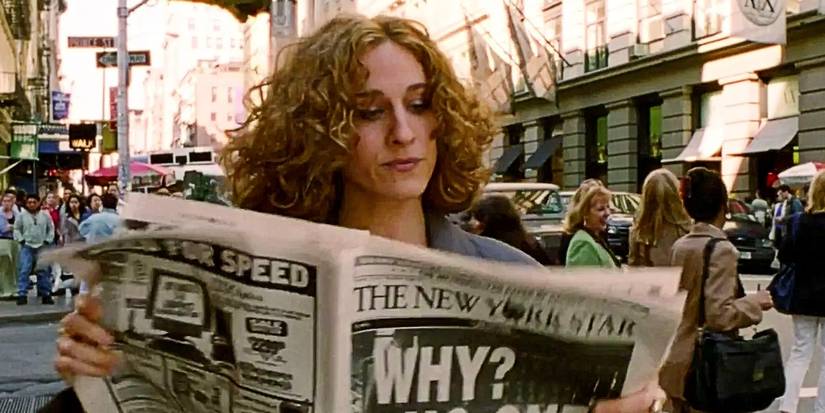
- 1998: Sex and the City — Challenged conventional depictions of female friendship, sexuality, and urban independence, pioneering a distinct narrative voiceover style.
- 1999: The Sopranos — Shattered television tropes by introducing a protagonist who was both a brutal mafia capo and a therapy-seeking patient struggling with panic attacks.
- 2001: Six Feet Under — Redefined the family drama by anchoring its premise around a death-centric business and surreal, macabre family dynamics.
- 2004: Deadwood — Launched the 21st-century Western renaissance with a gritty, Shakespearean frontier drama exploring law, order, and capitalism.
- 2011: Game of Thrones — Set a new benchmark for fantasy scope and scale, introducing a massive political ensemble capped off by a shocking, paradigm-shifting cliffhanger.
- 2012: The Newsroom — Brought Aaron Sorkin’s signature whip-smart dialogue and rapid-fire walk-and-talks into the high-stakes world of cable news production.
- 2014: The Leftovers — Explored the profound psychological fallout of a global mystery where 2% of the world’s population suddenly vanished.
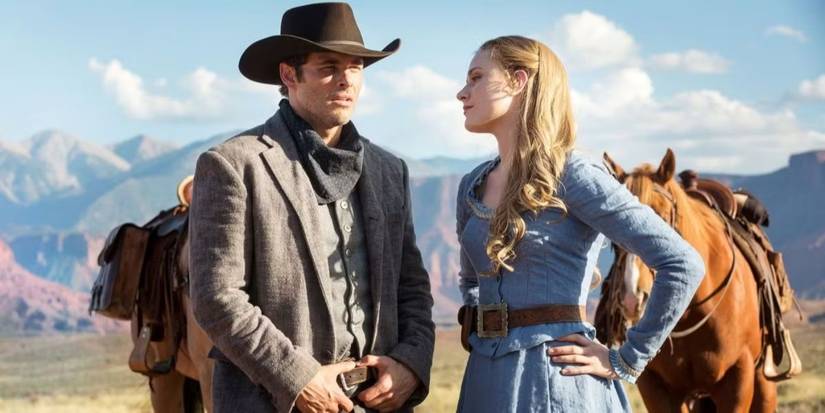
- 2016: Westworld — Blended dystopian science fiction with the Western genre, questioning the boundaries of artificial consciousness and human cruelty.
- 2019: Watchmen — Boldly remixed a beloved comic book source material to tackle American history, systemic racism, and masked vigilantism.
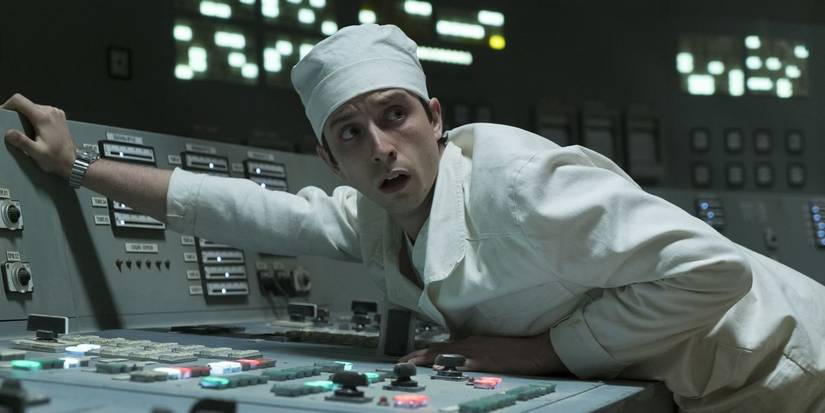
- 2019: Chernobyl — Delivered a harrowing, meticulously researched dramatization of the 1986 nuclear disaster, examining the devastating cost of systemic lies.
III. Supporting Data: Breakdown of Legendary HBO Pilots
1. The Sopranos (1999–2007)
- The Premise: New Jersey mob boss Tony Soprano (James Gandolfini) secretly seeks psychiatric help after suffering a series of debilitating panic attacks.
- Pilot Impact: Created by David Chase, the premiere dismantled the romanticized cinematic gangster archetype. By humanizing a brutal killer through the vulnerability of the therapist’s office (with Lorraine Bracco as Dr. Jennifer Melfi), it proved that audiences would embrace deeply flawed, morally bankrupt protagonists.
2. Six Feet Under (2001–2005)
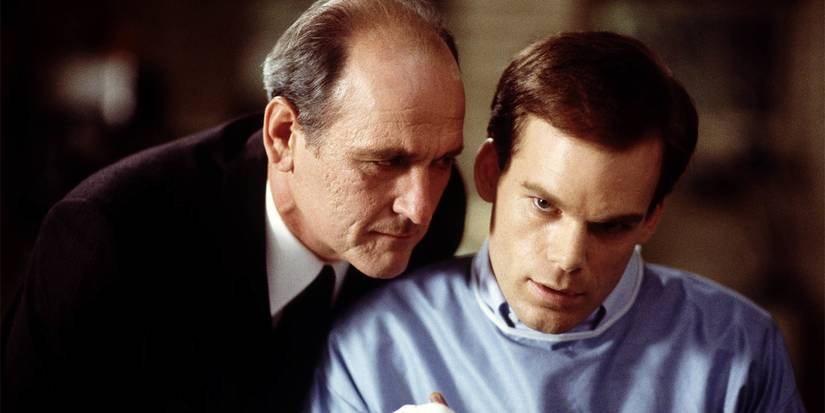
- The Premise: Following the abrupt Christmas Eve death of the family patriarch, estranged siblings Nate (Peter Krause) and David (Michael C. Hall) inherit Fisher & Sons Funeral Home.
- Pilot Impact: Created by Alan Ball, the pilot threw "everything but the kitchen sink" into its premiere—including familial infidelity, closeted identity struggles, and frequent ghostly manifestations—establishing a dark, darkly comedic meditation on mortality.
3. Deadwood (2004–2006)
- The Premise: Set in an illegal, lawless frontier camp in the Dakota Territory, former lawman Seth Bullock (Timothy Olyphant) and gold-seeking prospectors cross paths with cutthroat saloon proprietor Al Swearington (Ian McShane).
- Pilot Impact: Written by David Milch, the series jump-started the modern television Western. The pilot established a dusty, hyper-verbal, and morally ambiguous world where civilization was forged at the barrel of a gun and the edge of a knife.
4. Game of Thrones (2011–2019)
- The Premise: Based on George R.R. Martin’s A Song of Ice and Fire, the series introduces the noble houses of Westeros vying for control of the Iron Throne.
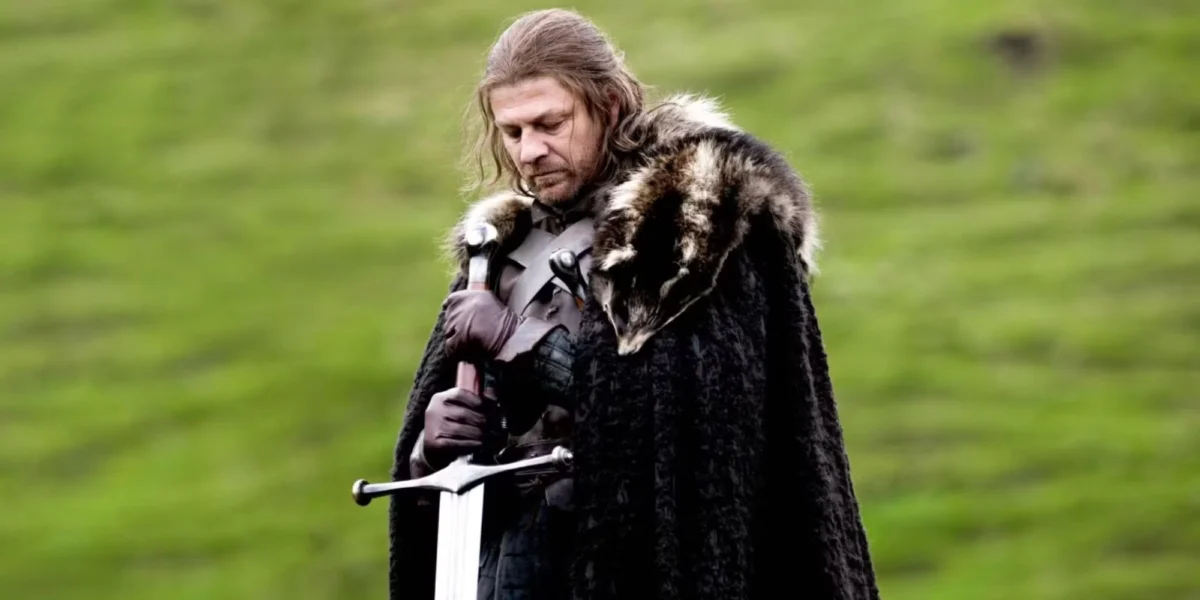
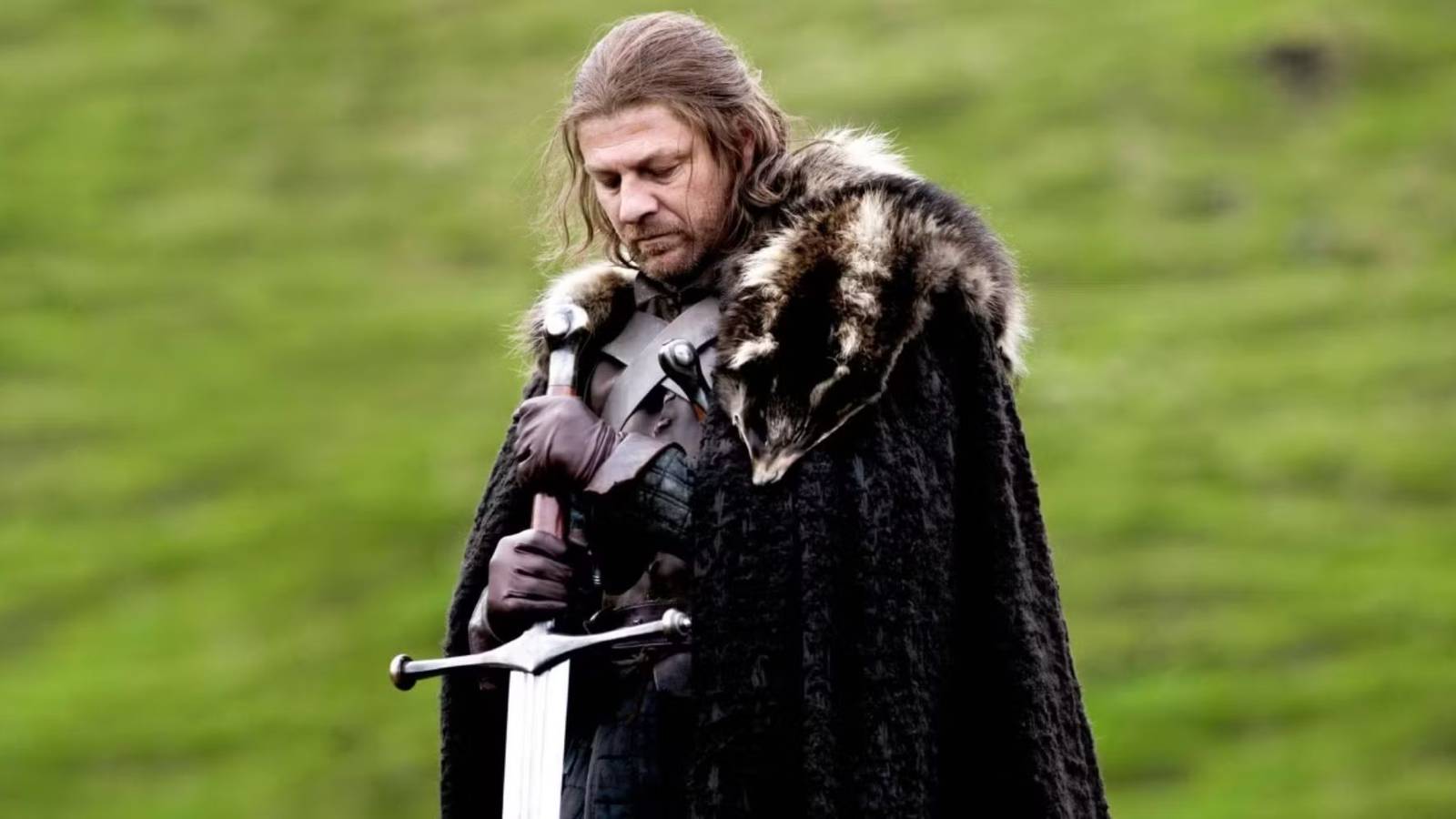
- Pilot Impact: Titled "Winter Is Coming," the pilot successfully untangled a massive web of complex political subplots, supernatural threats beyond the Wall, and dynastic intrigue. Its unforgettable closing moment—Jaime Lannister pushing young Bran Stark from a tower window—signaled that no character was safe.
5. Watchmen (2019)
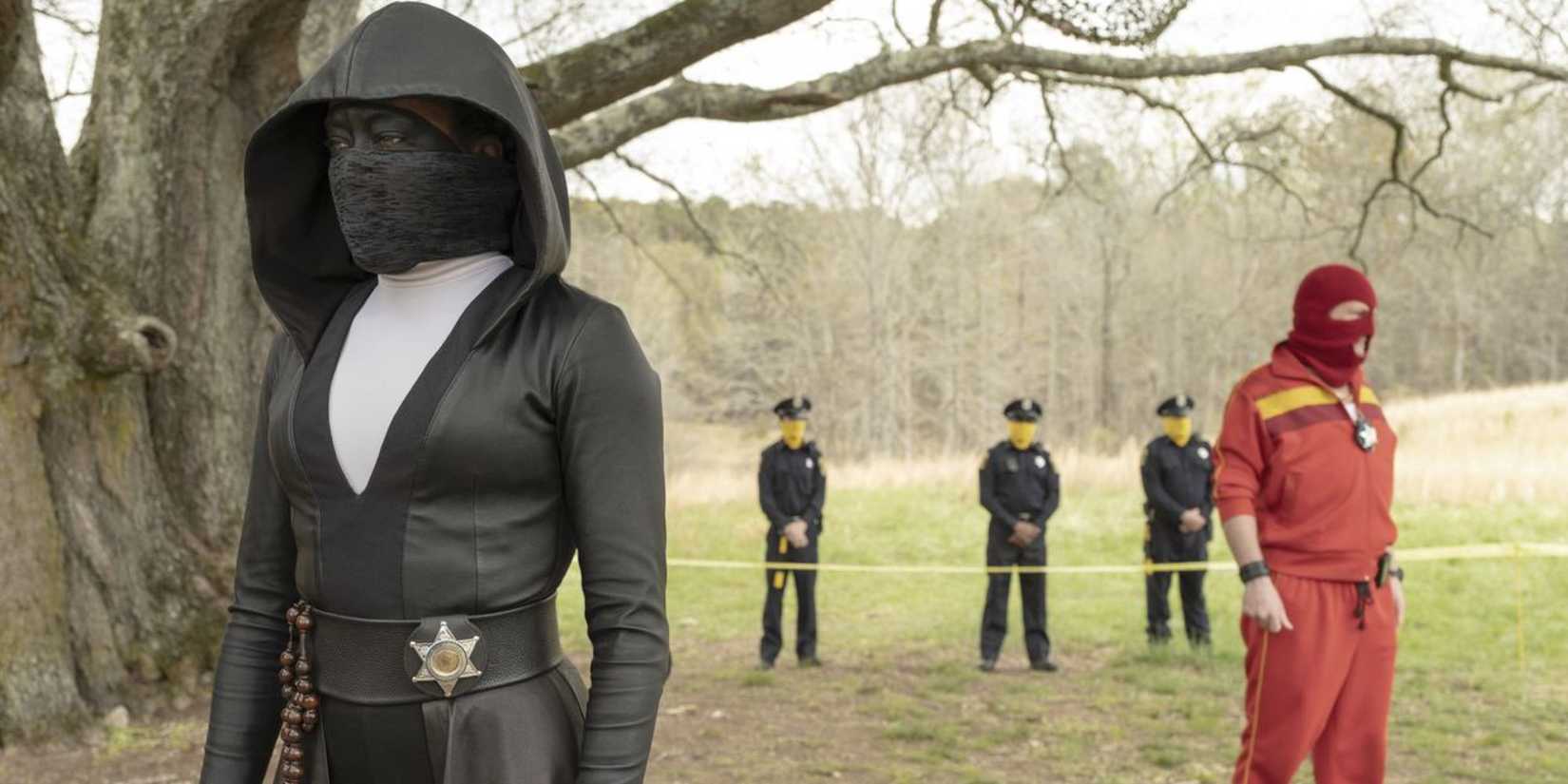
- The Premise: Set in an alternate-history contemporary America, Damon Lindelof’s series acts as a thematic remix of Alan Moore’s legendary graphic novel, centering on masked police officers and rising white supremacist terror in Tulsa.
- Pilot Impact: "It’s Summer and We’re Running Out of Ice" immediately grounded its superhero-adjacent mythos in the harrowing reality of the 1921 Tulsa Race Massacre, delivering a bold, politically charged narrative that subverted expectations at every turn.
IV. Official Responses and Industry Reception
The critical and commercial reception of HBO’s pilot episodes consistently altered the trajectory of the entertainment industry. When The Sopranos debuted in 1999, television critics immediately recognized that the medium had crossed a threshold. Broadcasters and emerging cable networks alike began reevaluating their development strategies, shifting away from episodic, easily digestible formulas toward serialized, character-driven prestige dramas.
Showrunners and creators frequently cite these pilots as masterclasses in economy and exposition. For instance, Damon Lindelof’s work on both The Leftovers and Watchmen demonstrated how high-concept science fiction and fantasy could be anchored by deep, grief-stricken human emotion right out of the gate. Similarly, Craig Mazin’s writing on Chernobyl proved that historical horror could be communicated with staggering precision and emotional weight in a single hour of television.
V. Implications: The Enduring Legacy of the HBO Pilot
The structural triumphs of these HBO pilots left permanent implications for the modern entertainment landscape:

- The Rise of the Antihero: By forcing audiences to empathize with mob bosses, serial-adjacent figures, and morally compromised lawmen in the opening hours of shows like The Sopranos and Deadwood, HBO paved the way for decades of complex, flawed protagonists across television.
- Cinematic Budgets on the Small Screen: Pilots like Game of Thrones and Westworld proved that expansive world-building, high production values, and feature-film cinematography could yield massive commercial returns on television, permanently erasing the stigma that small-screen projects were inferior to theatrical releases.
- Audience Trust in High-Concept Mysteries: Shows like The Leftovers and Watchmen demonstrated that viewers are willing to embrace ambiguity, non-linear storytelling, and profound thematic depth if a pilot establishes an engaging and emotionally resonant foundation.
Ultimately, while the distribution models have evolved and streaming services have flooded the market with endless content, the gold standard established by HBO’s foundational pilots remains unmatched. They remind us that when a story is told with uncompromising vision, stellar casting, and narrative bravery, the first hour can change television forever.
