
A New Era for Qatari Cinema: Naomi Kawase to Preside Over Doha Film Festival Jury
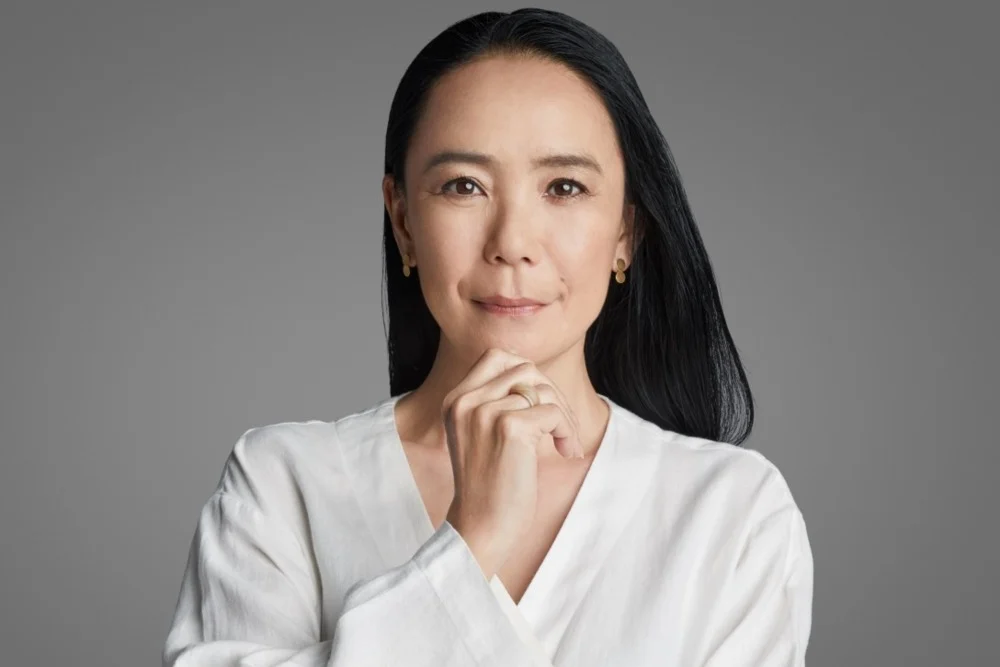
The global cinematic landscape is set to converge on the Qatari capital this November as the Doha Film Festival (DFF) prepares for its most ambitious iteration to date. Organizers have confirmed that the esteemed Japanese auteur Naomi Kawase will lead the main competition jury for the festival, which is scheduled to run from November 19 to 27. This appointment signals a significant shift in the festival’s stature, moving beyond its roots as a regional youth-focused event toward becoming a formidable hub for international independent cinema.
The Visionary at the Helm: Naomi Kawase’s Artistic Legacy
Naomi Kawase is widely regarded as one of Japan’s most influential contemporary filmmakers, known for her lyrical, deeply personal approach to storytelling. Her connection to the Doha Film Institute (DFI) is long-standing; she previously lent her expertise to the DFI’s prestigious Qumra program in 2016, where she mentored emerging filmmakers from around the globe.
Kawase’s career is defined by a consistent, meditative exploration of nature, memory, and the human condition. Based in her ancestral home of Nara, Japan, she first gained international acclaim at the 1997 Cannes Film Festival, where she made history by winning the Caméra d’Or for her debut feature, Moe no Suzaku. This victory set the stage for a prolific career defined by critical success. She continued to capture the attention of the Cannes jury with films like Mogari no Mori (2007) and Hikari (2017). Her reach extends beyond France, as evidenced by the FIPRESCI award she earned at the Locarno Film Festival in 2000 for Hotaru.
Most recently, her artistic evolution was on full display with the 2025 premiere of Yakushima’s Illusion at Locarno. Given her extensive background—which includes serving on the main competition jury at Cannes in 2013—Kawase brings a rare blend of technical mastery and narrative empathy to the Doha Film Festival, ensuring that the selection process will be guided by an eye for authentic, transformative cinema.
A Global Jury of Visionaries
While Kawase serves as the figurehead, she will be joined by a diverse and distinguished panel of industry veterans and rising stars. The selection reflects the DFI’s commitment to bridging cultural divides through the lens of global cinema.
The jury includes:
- Adam Bessa: A rapidly emerging French-Tunisian talent, best known for his powerful work in Ghost Trail. His presence underscores the festival’s focus on the next generation of acting talent.
- Dora Bouchoucha: A pioneering Tunisian producer whose career has been instrumental in placing North African cinema on the global map.
- Gianfranco Rosi: The award-winning Italian documentarian behind the searing Fire at Sea. Rosi’s inclusion signals the festival’s high esteem for non-fiction storytelling.
- Kamal Aljafari: A prominent Palestinian filmmaker, celebrated for his evocative work such as With Hasan in Gaza.
Together, this group represents a multi-continental perspective, equipped to evaluate films that balance aesthetic innovation with urgent social commentary.
Evolution of the Festival: From Ajyal to Global Prestige
The current iteration of the Doha Film Festival represents a strategic transformation of the DFI’s legacy. For years, the Doha Film Institute was primarily recognized for the Ajyal Film Festival, an event dedicated to youth and family-friendly programming. While Ajyal successfully fostered a new generation of Qatari cinephiles, the DFI has now pivoted toward a more expansive, ambitious international model.
This year’s festival marks the second edition of this revamped, broader event. By shedding the limitations of a youth-only focus, the organizers are positioning DFF as a primary destination for global premieres and high-stakes competition. This transition is not merely cosmetic; it is a declaration of intent to participate in the "A-list" circuit of international film festivals.
The strategic importance of this change cannot be overstated. By attracting top-tier talent like Kawase and curating a highly competitive slate, Doha is effectively positioning itself as a cultural anchor in the Middle East, rivaling established festivals in the region and abroad.
Opening Night and the Competitive Stakes
The tone for this year’s festival will be set by the opening film, The Station, a timely and poignant drama from Yemeni-Scottish filmmaker Sara Ishaq. The film serves as a poignant exploration of the devastating impact of the Yemeni civil war, mirroring the festival’s broader commitment to showcasing stories that are both culturally rooted and universally resonant.
The stakes for the competition are equally significant, with a prize pool designed to incentivize high-level craftsmanship:
- Best Narrative Film: $75,000
- Best Documentary Film: $50,000
- Best Artistic Achievement: $45,000
- Gender-Neutral Performance Award: $15,000
These financial awards, supported by the DFI and its key partners—Katara, Media City Qatar (Film Committee), and Visit Qatar—provide meaningful support for filmmakers whose work often falls outside the mainstream commercial ecosystem.
Official Perspectives: The Philosophy of the DFI
The leadership at the Doha Film Institute views the festival as more than just a screening schedule; it is an infrastructure for cultural diplomacy. Fatma Hassan Alremaihi, CEO of the Doha Film Institute, articulated this vision in a recent statement:
"We are immensely proud to welcome friends of the Institute who share our vision and have dedicated their lives to nurturing independent cinema. Their collective experience and artistic integrity embody the spirit of DFI and DFF: championing original voices, creating space for bold ideas, and ensuring that powerful stories find their way to audiences around the world."
This philosophy highlights the DFI’s role as a patron of the arts. By fostering an environment where filmmakers feel supported rather than exploited, the institute has cultivated a reputation as a safe harbor for challenging, provocative, and independent narratives.
Chronology and Industry Implications
The progression of the Doha Film Festival reflects the broader growth of the Qatari media landscape over the last decade.
- 2016: Naomi Kawase first collaborates with the DFI via the Qumra program, laying the groundwork for her eventual leadership role.
- Pre-2023: The Doha Film Institute builds its reputation primarily through the Ajyal Film Festival, focusing on education and regional youth engagement.
- 2023/2024: The restructuring process begins, signaling a move toward a broader, adult-oriented international festival format.
- November 2025: The festival reaches a new milestone, hosting its second edition as a revitalized, global-facing event with a star-studded jury.
The implications of this move are twofold. First, for the Middle Eastern film industry, it provides a localized platform that carries the prestige and funding necessary to attract international talent. Second, for the global industry, it provides a new, essential venue for discovering voices that might otherwise be sidelined by the dominant Western-centric festival circuits.
Looking Ahead: The Future of Doha as a Cultural Hub
As the festival approaches in November, the eyes of the international film community will be fixed on Doha. The combination of Naomi Kawase’s intellectual rigor and the DFI’s robust financial and infrastructural backing creates a unique ecosystem.
For the filmmakers whose works will be screened, the festival offers more than just a prize; it offers a megaphone. In an era where the democratization of filmmaking has led to a saturation of content, the role of a curated, high-stakes festival is more vital than ever. By honoring works like The Station and inviting jurors who prioritize "artistic integrity," the Doha Film Festival is not just hosting an event; it is participating in the ongoing curation of global cinema history.
As the program details continue to emerge, the industry expects a mix of experimental narrative features, hard-hitting documentaries, and retrospective discussions that will cement Doha’s reputation as a vital link in the global cinematic chain. For Kawase and her fellow jurors, the task ahead is daunting but necessary: to sift through the noise of modern cinema and identify the stories that will define the next generation of the medium.
