
The Ultimate Cinematic Eras: Ranking the 15 Greatest Years in Movie History
Determining the single greatest year in cinema history is a loaded, paradoxical exercise. Does a milestone year represent a box-office gold rush where the populace happily flocked to theaters, or is it defined by bold industry-shifting disruptions? Is it measured by the sheer concentration of enduring classics, or by the advent of technological breakthroughs that forever changed the lexicon of visual storytelling?
While brilliant films emerge every twelve-month cycle, rare calendar years arrive feeling entirely saturated with excellence. These are eras so dense with foundational works, critical darlings, and massive audience-pleasing spectacles that cinephiles are left either pining for a golden age or realizing how spoiled moviegoers were.
To unpack this cinematic riddle, we have analyzed the historical landscape of film to rank the 15 best years in movie history.
The Chronology of Cinematic Mastery
15. 1927: The Dawn of Talkies and Visual Innovation
The year 1927 stands as one of the most volatile and pivotal watersheds in modern cinema. This was the moment the industry broke the sound barrier, fundamentally forcing Hollywood to overhaul its production pipelines. When The Jazz Singer debuted in October featuring synchronized songs and sparse spoken dialogue, the clock began ticking on the silent era.
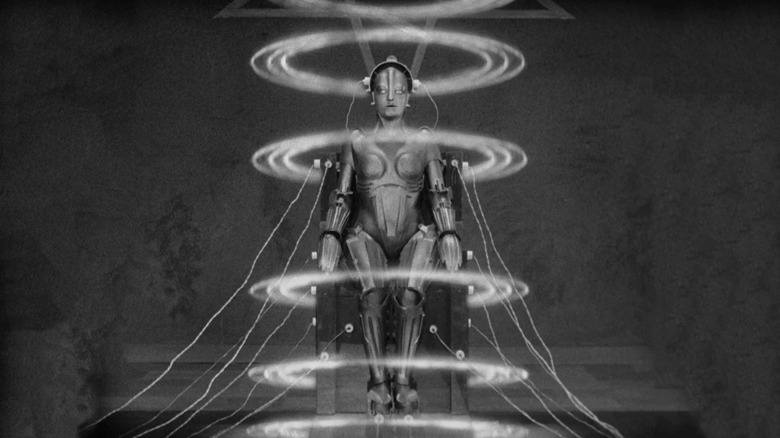
Yet, before silent filmmaking vanished, it achieved a breathtaking creative zenith. Fritz Lang delivered Metropolis, a towering science-fiction cornerstone whose visual DNA permeates nearly every futuristic dystopia produced today. F.W. Murnau offered the swooning, fluid romance Sunrise, while William Wellman’s Wings captured the inaugural Best Picture trophy at the Academy Awards. Coupled with Abel Gance’s technical epic Napoléon, 1927 proved that the silent form had mastered visual grammar just as sound knocked at the door.
14. 1957: Cultural Shifts and Existential Brooding
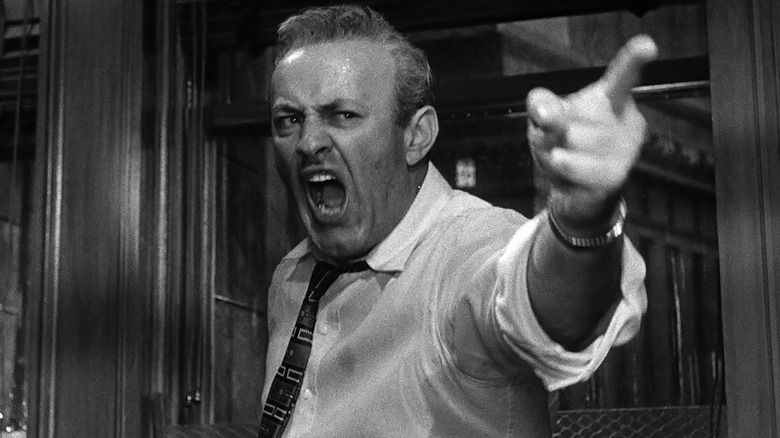
Against a backdrop of shifting global cultures, the films of 1957 possessed a sobering, highly critical sensibility. Sidney Lumet made a stellar feature directorial debut with 12 Angry Men, a masterclass in tension centered on a sweaty jury room’s ethical deadlock. Meanwhile, David Lean’s sweeping World War II epic The Bridge on the River Kwai dominated the Oscars with seven wins, including Best Picture.
On the international stage, Ingmar Bergman released The Seventh Seal—and followed it with Wild Strawberries in the same year—cementing his legacy as cinema’s ultimate existential philosopher. Akira Kurosawa brilliantly transposed Shakespeare’s Macbeth to feudal Japan in Throne of Blood, while Federico Fellini’s Nights of Cabiria claimed the Oscar for Best Foreign Language Film.
13. 1939: The Zenith of Classical Hollywood
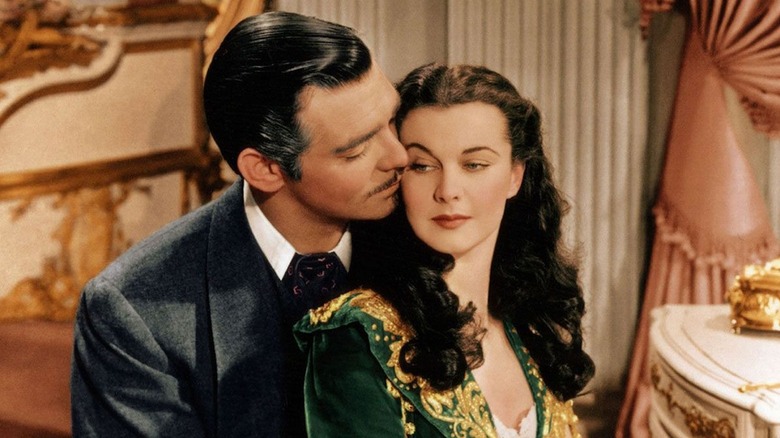
Often heralded as the absolute peak of the Hollywood studio system, 1939 was a victory lap of unprecedented proportions. The studio machinery was firing on every cylinder, delivering an iconic slate of 10 Best Picture nominees. Gone with the Wind swept the Academy Awards, securing eight competitive trophies and a historic win for Hattie McDaniel, the first Black performer to win an Oscar. Victor Fleming helmed that juggernaut alongside The Wizard of Oz, arguably the most enduring fairy-tale adaptation ever filmed.
Simultaneously, Frank Capra’s Mr. Smith Goes to Washington gave audiences Jimmy Stewart’s exhausted, hoarse-voiced filibuster, while John Ford’s Stagecoach transformed John Wayne into an enduring Western icon right on the precipッジ of a global war.
12. 1975: The Birth of the Modern Blockbuster
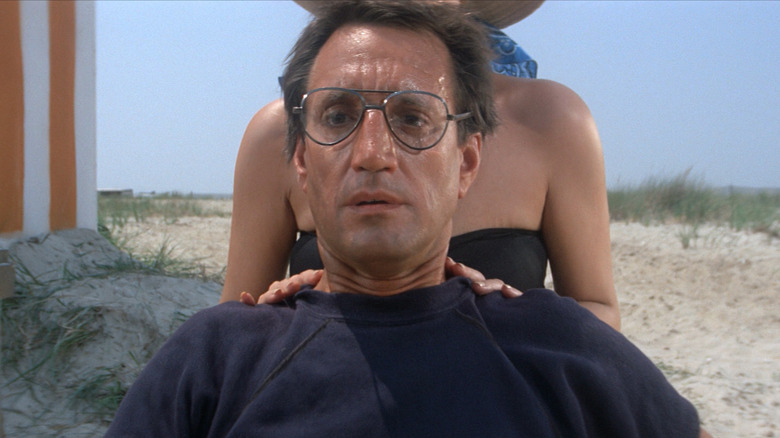
By 1975, the "New Hollywood" movement was in full swing, and the modern summer blockbuster was officially born. Steven Spielberg’s Jaws forever altered how studios marketed and distributed high-concept spectacles, sparking an era of franchise filmmaking. Concurrently, One Flew Over the Cuckoo’s Nest swept the Academy’s "Big Five" major categories.
Artistic risk-taking flourished elsewhere: Stanley Kubrick utilized NASA-developed lenses to shoot Barry Lyndon entirely by candlelight, and Chantal Akerman directed Jeanne Dielman, 23 quai du Commerce, 1080 Bruxelles, a monumental three-hour study of domestic routine that topped Sight & Sound’s greatest films poll decades later.
11. 1967: Tearing Down the Old Studio Mold
If 1975 represented New Hollywood at its box-office apex, 1967 kicked the door open. It challenged audiences with provocative, counter-cultural narratives that completely shattered the rigid old studio-system code. The cultural shift was vividly illustrated at the Oscars, where the conventional In the Heat of the Night won Best Picture alongside nominations for relics like Doctor Dolittle.
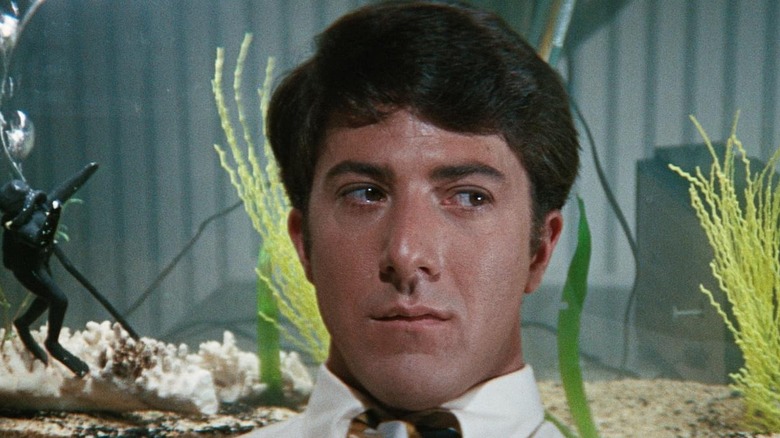
However, real paradigm shifts belonged to Bonnie and Clyde and The Graduate, films that openly questioned societal mores. Across the Atlantic, Catherine Deneuve anchored Luis Buñuel’s Belle de Jour and Jacques Demy’s candy-colored musical The Young Girls of Rochefort, accelerating cinema’s stylistic vocabulary.
10. 1982: Sci-Fi Masterpieces Ahead of Their Time
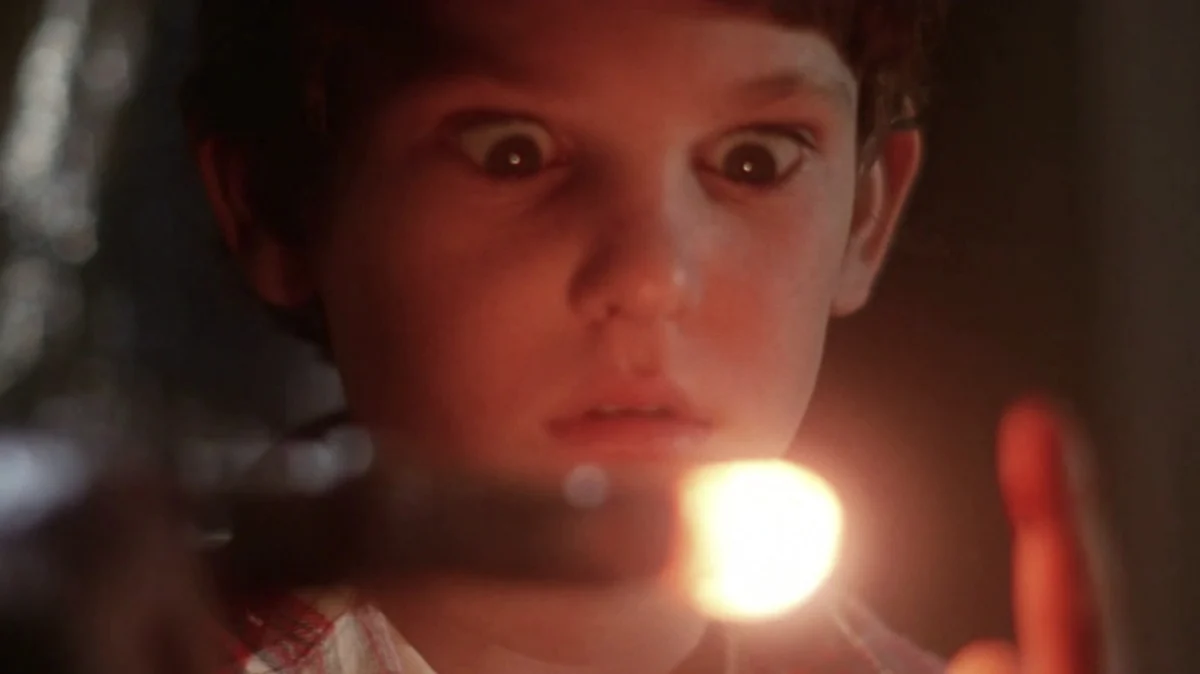
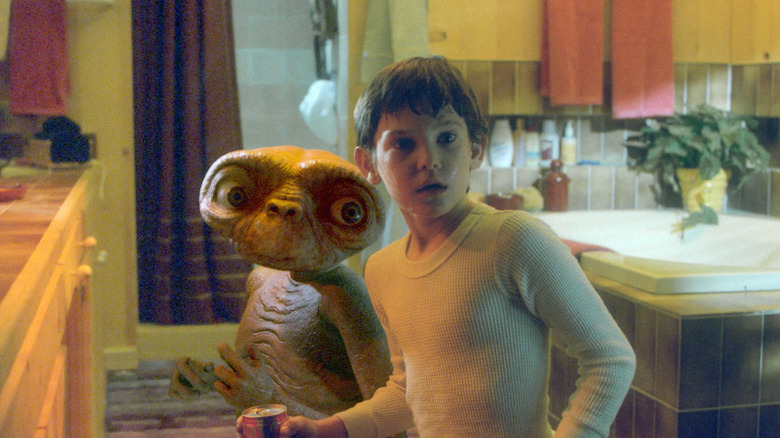
The year 1982 was defined by genre-movie masterpieces that contemporary audiences and box-office analysts largely misunderstood. Steven Spielberg dominated the cultural consciousness with E.T. The Extra-Terrestrial while also producing Tobe Hooper’s Poltergeist.
However, foundational sci-fi landmarks like Ridley Scott’s Blade Runner and John Carpenter’s The Thing initially stumbled commercially before securing status as two of the most influential films ever made. It was also the year that introduced audiences to Sylvester Stallone’s haunted Vietnam veteran in First Blood, and Martin Scorsese’s blistering satire The King of Comedy.
9. 1995: Mid-90s Adult Drama and Blockbuster Prowess
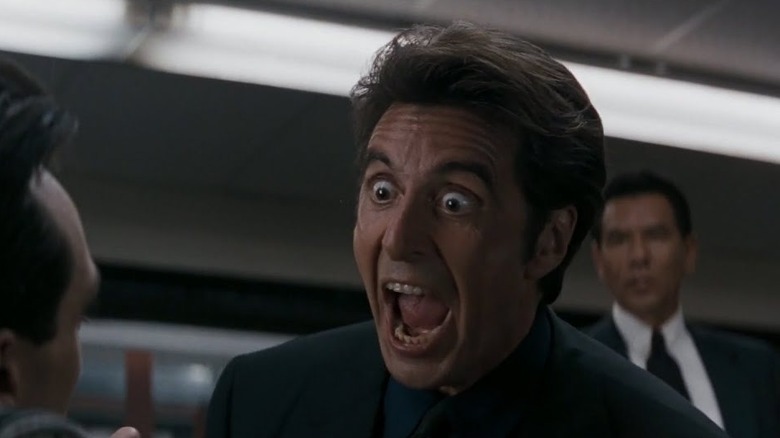
The mid-1990s represented a golden window for adult-oriented, star-driven studio filmmaking. Michael Mann’s crime epic Heat pitted Al Pacino and Robert De Niro against each other in an existential cat-and-mouse game across Los Angeles. David Fincher’s grim, apocalyptic procedural Se7en terrified audiences, while The Usual Suspects sparked a wave of twist-ending imitators.
Blockbusters were equally stacked: Pierce Brosnan breathed new life into the spy genre with GoldenEye, Bruce Willis and Samuel I. Jackson teamed up for Die Hard with a Vengeance, and Amy Heckerling’s Clueless redefined the teen comedy genre.
8. 1977: A Galaxy Far, Far Away and Horror Masterpieces
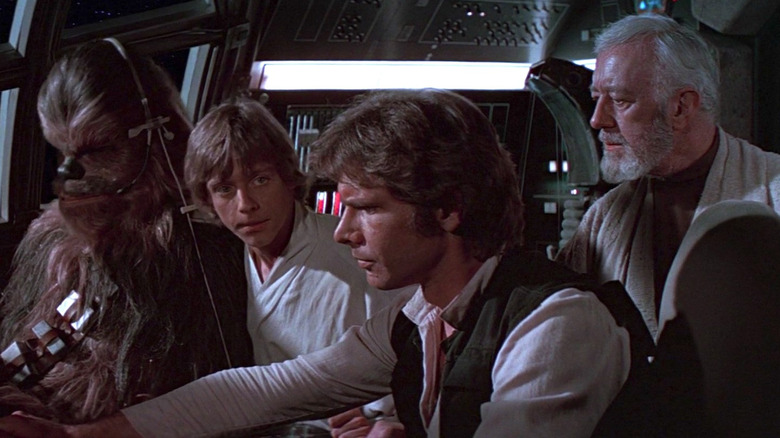
The release of George Lucas’s Star Wars in 1977 single-handedly justifies the year’s inclusion on this list. Half a century later, its cultural tentacles still dictate merchandise, franchise structures, and cinematic scope.
The year also birthed daring genre works, including William Friedkin’s gritty thriller Sorcerer, Dario Argento’s psychedelic horror masterwork Suspiria, and David Lynch’s surreal midnight-movie phenomenon Eraserhead.
7. 1987: Peak Action and Smart Comedies
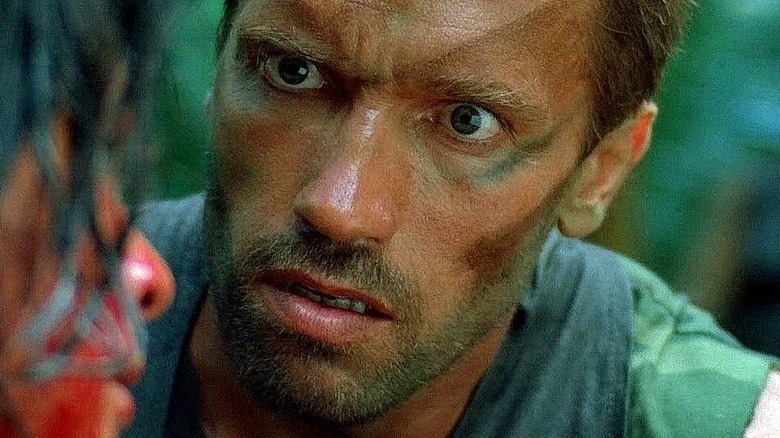
For action aficionados and comedy fans, 1987 was a feast. Arnold Schwarzenegger shouldered the jungle-set sci-fi horror of Predator, while Paul Verhoeven delivered a biting, ultra-violent corporate satire with RoboCop.
On the comedy front, The Princess Bride captured fairy-tale magic, the Coen brothers unleashed the Looney Tunes energy of Raising Arizona, and John Hughes paired Steve Martin and John Candy in Planes, Trains and Automobiles.
6. 1974: The Grungy Apex of New Hollywood
In 1974, directors operating under the New Hollywood banner held near-total creative freedom, using it to craft bleak, uncompromising masterpieces. The Godfather Part II achieved the impossible by matching—and arguably surpassing—its predecessor, becoming one of the rare sequels to win Best Picture. Roman Polanski’s Chinatown offered an unsparingly nihilistic view of municipal corruption.
Meanwhile, Mel Brooks released two of the greatest comedies ever made back-to-back (Blazing Saddles and Young Frankenstein), and Tobe Hooper delivered the visceral terror of The Texas Chain Saw Massacre.
5. 1994: Indie Innovation Meets Crowd-Pleasing Scale
The year 1994 saw independent filmmaking collide with Hollywood crowd-pleasing instincts in spectacular fashion. Quentin Tarantino’s Pulp Fiction swept the Cannes Film Festival and permanently altered pop-culture dialogue, while The Shawshank Redemption quietly entered theaters on its way to claiming the #1 spot on the IMDb Top 250 for decades.
Disney also achieved cultural dominance with The Animated Masterpiece, The Lion King, while Jim Carrey dominated multiplexes with a historic three-film comedy run (Ace Ventura, The Mask, and Dumb and Dumber).
4. 2001: The Modern Blockbuster and Epic Fantasy Take Shape
Fantasy and world-building dominated 2001 as Peter Jackson’s The Lord of the Rings: The Fellowship of the Ring and Chris Columbus’s Harry Potter and the Sorcerer’s Stone simultaneously launched multi-billion-dollar franchise ecosystems. Animation celebrated triumphs with the inaugural Best Animated Feature Oscar going to Shrek, alongside Pixar’s Monsters, Inc. and Hayao Miyazaki’s masterwork Spirited Away.
Simultaneously, the avant-garde thrived through David Lynch’s haunting Mulholland Drive and Richard Kelly’s cult phenomenon Donnie Darko.
3. 1971: Fearless Auteurs and Unapologetic Grift
Fearlessness defined 1971. Studios handed blank checks to cinematic renegades, resulting in Stanley Kubrick’s highly controversial A Clockwork Orange and William Friedkin’s gritty The French Connection.
The era also birthed tender, idiosyncratic character studies like Robert Altman’s McCabe & Mrs. Miller and Hal Ashby’s Harold and Maude, alongside the directorial debuts of both Steven Spielberg (Duel) and George Lucas (THX 1138).
2. 2007: A 21st-Century Masterpiece Harvest
No year in the 21st century matches the critical density of 2007. The Coen brothers finally secured Best Picture gold with No Country for Old Men, sharing the cinematic landscape with Paul Thomas Anderson’s sprawling opus There Will Be Blood.
David Fincher’s meticulous Zodiac and Andrew Dominik’s elegiac Western The Assassination of Jesse James by the Coward Robert Ford rounded out a year that also produced modern comedy staples like Superbad and Pixar’s transcendent Ratatouille.
1. 1999: The Undisputed King of Movie Years
Topping the list is 1999, universally recognized by critics, historians, and fans as the ultimate year in movie history. The release calendar defies belief: The Matrix rewired global visual effects and action choreography; The Sixth Sense introduced a generation to the modern cinematic twist; and The Blair Witch Project revolutionized viral indie marketing.
From David Fincher’s subversive Fight Club and Sam Mendes’s Best Picture-winning American Beauty to Stanley Kubrick’s haunting posthumous swansong Eyes Wide Shut, 1999 represented a moment when Hollywood studios, indie upstarts, and international auteurs pushed storytelling to its absolute breaking point right at the turn of the millennium.
Supporting Data & Industry Implications
The concentration of wealth, critical acclaim, and cultural staying power across these specific years reveals a fascinating pattern in entertainment economics: innovation thrives during periods of economic or technological disruption.
- The Sound Transition (1927): Spurred structural reorganizations that weeded out non-adaptable talent, leading directly to the studio-system golden age.
- The New Hollywood Boom (1967–1975): Proved that alienated young audiences favored gritty, morally gray storytelling over sanitized studio output, permanently shifting artistic control from executives to directors.
- The Indie-Commercial Crossover (1994 & 1999): Demonstrated that mid-budget adult films and experimental indie features could sit comfortably alongside tentpole spectacles without cannibalizing box-office returns.
As the industry faces modern transitions toward streaming, artificial intelligence, and franchise fatigue, historians frequently look back at these monumental calendar years. They serve as enduring reminders of what cinema can achieve when raw artistic ambition collides with a willing global audience.
