
A Century of Grace: Celebrating the Legacy of Eva Marie Saint Through Her Cinematic Masterpieces
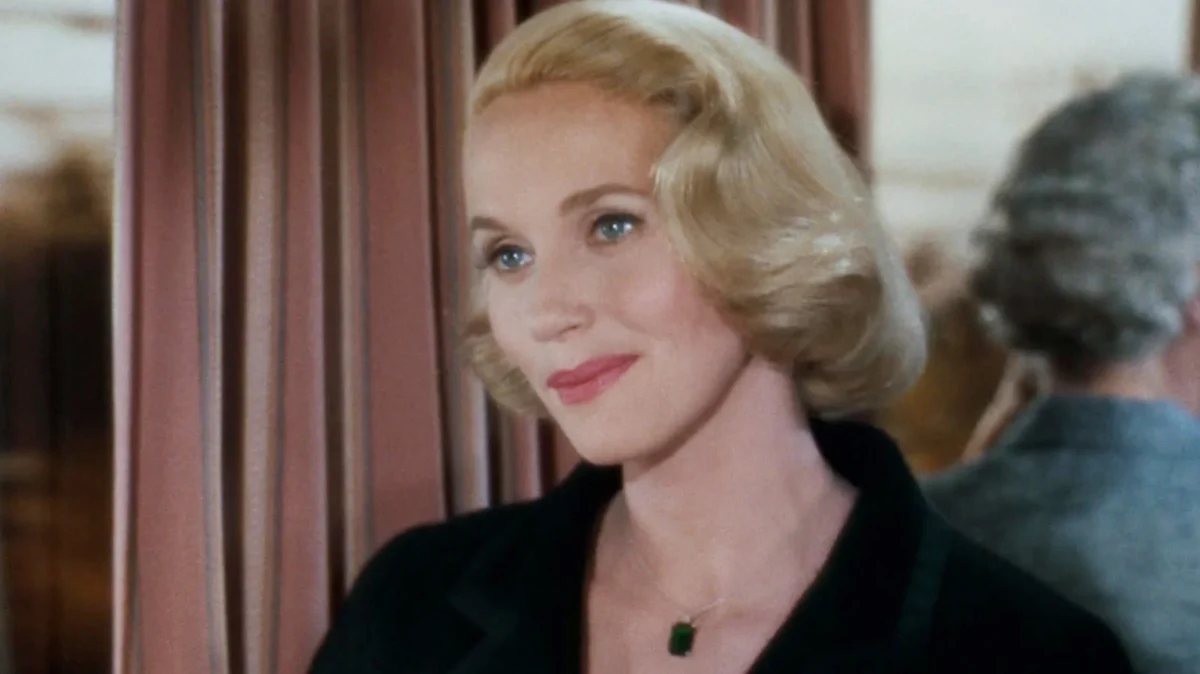
The world of cinema lost one of its most enduring icons on October 6, 2026, when Eva Marie Saint passed away at the remarkable age of 102. A performer of rare luminosity and profound dramatic range, Saint’s career spanned the Golden Age of Hollywood through to the modern era, leaving behind a legacy defined by technical precision and emotional authenticity. While her filmography is vast, two titles stand as towering monuments to her craft: On the Waterfront and North by Northwest. These films, both boasting near-perfect scores on Rotten Tomatoes, serve not only as the pinnacle of her artistic achievements but as essential chapters in the history of American filmmaking.
A Career Defined by Excellence: Chronology of a Star
Eva Marie Saint’s ascent in Hollywood was nothing short of meteoric. Born in Newark, New Jersey, and a graduate of Bowling Green State University, Saint brought a grounded, intellectual approach to her acting that set her apart from the stereotypical starlets of the 1950s.
The 1950s: The Golden Debut
Her arrival on the silver screen in 1954’s On the Waterfront remains one of the most celebrated debuts in motion picture history. Cast opposite the raw, revolutionary talent of Marlon Brando, Saint did not merely hold her own; she provided the moral heartbeat of a gritty, noir-tinged drama. Her portrayal of Edie Doyle earned her an Academy Award for Best Supporting Actress, an immediate validation of her immense talent.
Following this triumph, Saint demonstrated versatility, moving from the intensity of On the Waterfront to the lighthearted charm of That Certain Feeling alongside Bob Hope. However, she quickly returned to her dramatic roots, delivering nuanced performances in films such as A Hatful of Rain (1957) and the sprawling epic Raintree County (1957). By 1959, she reached the zenith of her stardom with Alfred Hitchcock’s North by Northwest, a film that solidified her status as a global screen icon.
The Mid-Career Transition and Longevity
Throughout the 1960s and 70s, Saint remained a consistent presence in high-quality projects, though she famously took a 14-year hiatus from feature film acting starting in 1972. During this period, she pivoted toward theater and television, mediums that allowed her to explore complex characters away from the glare of the studio system. Despite the intermittent nature of her film appearances, her reputation never waned. Her return to the screen in later decades was always met with critical acclaim, proving that her "star power" was not a fleeting product of the studio era, but a reflection of her enduring skill.
Supporting Data: The Critical Consensus
The longevity of Eva Marie Saint’s career is best quantified by the reception of her work. In an era where critical consensus is often volatile, her two most iconic films have maintained their status as "near-perfect" cinematic experiences.
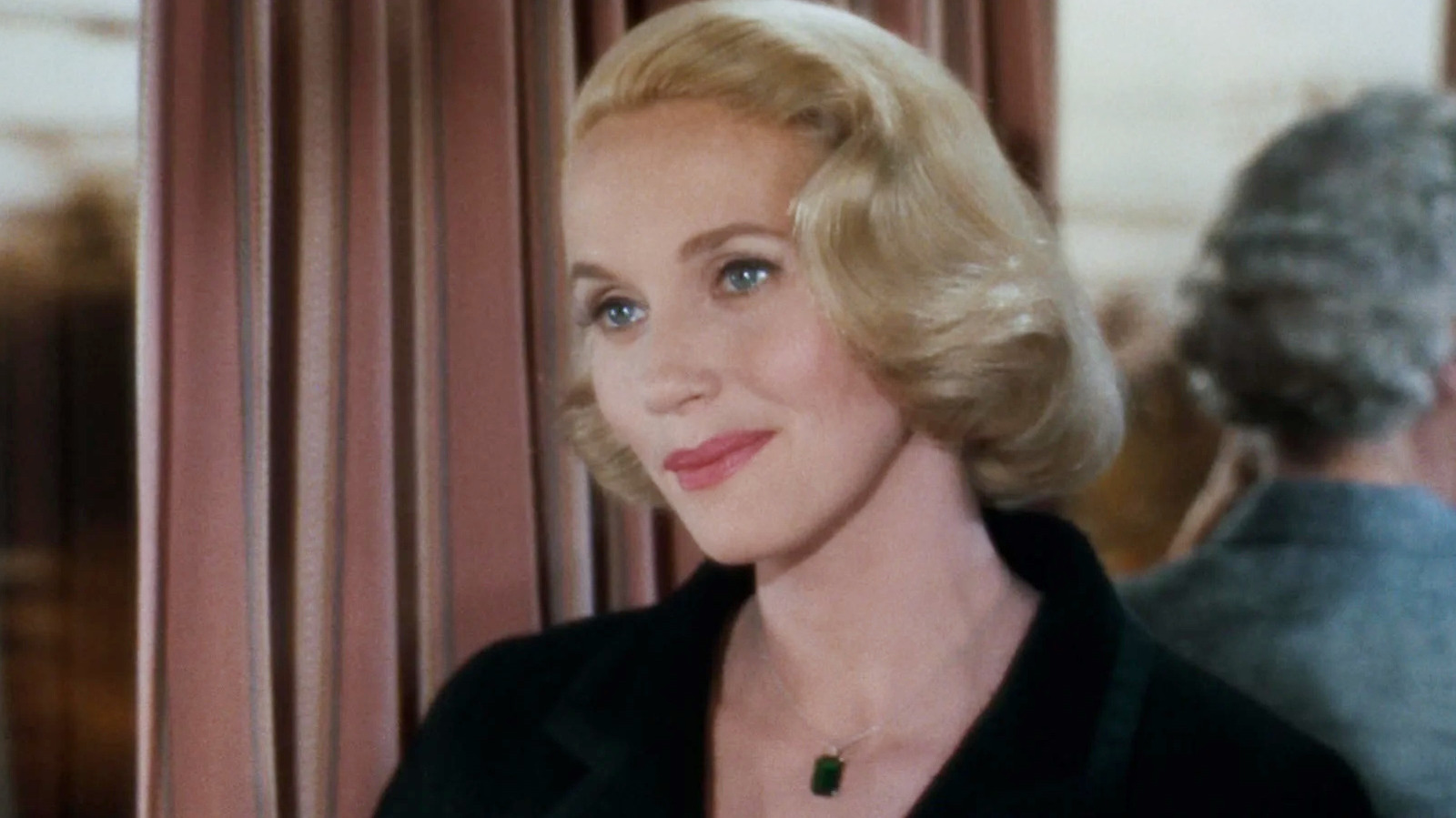
- On the Waterfront (99% on Rotten Tomatoes): A searing exploration of corruption and redemption, this film is widely considered one of the greatest American movies ever made. Critics have consistently praised the synergy between Elia Kazan’s direction, Budd Schulberg’s screenplay, and Saint’s understated, powerful performance.
- North by Northwest (97% on Rotten Tomatoes): Hitchcock’s definitive thriller of mistaken identity remains a masterclass in pacing and suspense. Saint’s role as Eve Kendall—the mysterious, alluring, and ultimately heroic double agent—is frequently cited as the gold standard for the "Hitchcock blonde" archetype, subverting the trope with intelligence and agency.
These scores reflect a rare consistency. While many films of the 1950s are viewed today as historical artifacts, these two titles remain vibrant, tense, and deeply engaging, thanks in large part to Saint’s ability to imbue her characters with modern sensibilities.
The Craft: Analyzing the Performances
The Vulnerable Strength of Edie Doyle
In On the Waterfront, Saint’s Edie Doyle is the catalyst for Terry Malloy’s (Marlon Brando) moral awakening. The famous "playground scene"—where the two characters share a moment of quiet, desperate intimacy amidst the backdrop of corruption—is a masterclass in restraint. Saint portrays Edie with a mixture of profound grief and unwavering resilience. She is not a damsel in distress; she is the conscience of the film, pushing Terry to confront his demons. Her performance is quiet, almost whispered at times, yet it carries the weight of the entire narrative.
The Seductive Mystery of Eve Kendall
Conversely, North by Northwest sees Saint operating in the realm of high-stakes espionage. As Eve Kendall, she is the mirror image of Cary Grant’s Roger Thornhill. Where Thornhill is bewildered and reactive, Kendall is composed, secretive, and manipulative. Saint’s chemistry with Grant is palpable; she matches his rapid-fire wit and provides a sophisticated foil to his panic. Her ability to pivot from a seductive stranger on a train to a terrified pawn caught in a deadly game is the engine that keeps the film’s high-velocity plot grounded in human stakes.
Official Perspectives and Industry Tributes
Following the news of her passing, the film community erupted in a chorus of tributes, underscoring the profound impact she had on her peers and successors. The Academy of Motion Picture Arts and Sciences recognized her as "a trailblazer who brought a rare, naturalistic sensibility to the screen."
Industry analysts have pointed to Saint’s career as a template for longevity. Unlike many of her contemporaries, Saint refused to be typecast. She maintained a professional distance from the "celebrity machine," focusing instead on the craft of acting. Even as she entered her later years, she remained a sought-after voice, frequently participating in retrospectives and film festivals. Her commitment to the art form served as an inspiration to generations of actors who saw in her a model of dignity and professional excellence.
The Implications of Her Legacy
The passing of Eva Marie Saint at 102 marks the closing of a chapter in cinematic history. She was one of the last remaining links to the true Golden Age of Hollywood—a time when actors were trained in repertory theater and brought a distinct, stage-honed precision to their film work.
Preserving the Archive
The accessibility of her work on modern streaming platforms (such as Prime Video, Apple TV, and Tubi) ensures that her legacy is not merely a footnote in textbooks. The fact that her best work remains highly rated by modern audiences suggests that her performances were ahead of their time. She eschewed the melodramatic flourishes common in the 1950s, opting for a psychological realism that feels just as relevant in the 2020s.
A Lesson for Future Generations
Eva Marie Saint’s career offers a profound lesson for aspiring performers: talent is only half the equation; the other half is the intelligence to choose the right projects and the resilience to sustain a career over a century. Her ability to move seamlessly between the intense, gritty drama of On the Waterfront and the sophisticated, stylish thrills of North by Northwest demonstrates a range that few actors have ever matched.
Conclusion: A Cinematic Double Feature
In the wake of her passing, there is no better way to honor Eva Marie Saint than to engage with the medium she mastered. For those looking to understand why she remains a titan of the screen, a double feature of On the Waterfront and North by Northwest is an essential experience.
These films represent more than just critical successes; they are a window into the soul of a performer who could command a room with a glance and captivate an audience with a line of dialogue. Eva Marie Saint did not just act; she inhabited. She leaves behind a body of work that is not merely "near-perfect"—it is timeless. As we look back on her 102 years of life, we are reminded that while the stars may eventually fade, the light they cast on the silver screen continues to burn with an undiminished intensity.
