
The Renaissance of the Bay Theatre: Paramount and Caruso Forge a New Era for Pacific Palisades Cinema
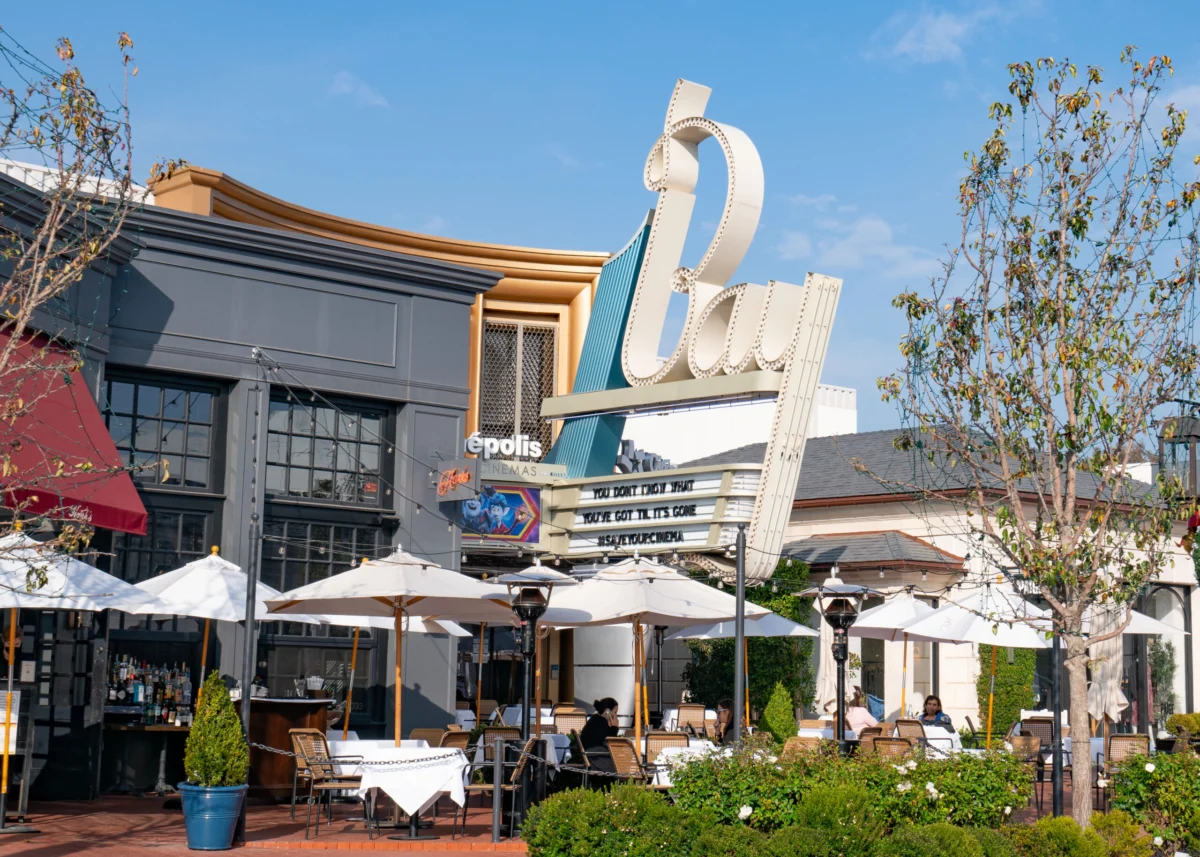
The cinematic landscape of Los Angeles is undergoing a profound transformation, and the latest chapter is being written in the upscale enclave of Pacific Palisades. Following a period of uncertainty and physical restoration, the historic Bay Theatre is set to return to life. In a move that signals a renewed investment in the traditional theatrical experience, Paramount Pictures has officially entered into an agreement to take over operations of the five-screen multiplex located within Rick Caruso’s Palisades Village shopping district.
This transition marks the latest evolution for the venue, which has previously been operated by industry giants including Netflix and Cinepolis. Under the new stewardship of Paramount, with operational support from San Diego-based hospitality experts The Lot, the theater is scheduled to reopen its doors later this year. The announcement serves as a symbolic milestone for a community that has spent much of the past year rebuilding following the devastating wildfires that swept through the region in January 2025.
The Chronology of a Community Anchor
To understand the significance of the Bay Theatre’s return, one must look at the deep-rooted history of the location. The current iteration of the theater—a modern, five-screen luxury multiplex—was designed as a tribute to the original Bay Theatre, which stood as a cultural touchstone on Sunset Boulevard until its closure in 1978. The vintage-inspired signage and architecture of the current venue serve as a deliberate nod to that mid-century legacy.
The theater’s journey in recent years has been one of high-profile management changes. Initially opened under the Cinepolis banner, the venue was later utilized by Netflix as a hub for its prestige theatrical releases and industry screenings. However, the venue’s momentum was abruptly halted in January 2025, when wildfires tore through Pacific Palisades, causing significant damage to both the shopping center and the theater itself.
The subsequent months were marked by a massive remediation effort spearheaded by developer Rick Caruso. As the Palisades Village shopping district underwent extensive repairs, the theater remained dark, leaving a palpable void in the social fabric of the neighborhood. The reopening of the shopping area in August 2025 served as the first step toward normalcy, and the announcement of the Paramount deal now acts as the capstone to that recovery process.
Strategic Vision: Beyond the Silver Screen
The partnership between Paramount Pictures and Rick Caruso is built on a philosophy that rejects the idea of the theater as a dying medium. Instead, they envision the Bay Theatre as a “dynamic entertainment destination.”
The facility is being positioned to offer more than just standard blockbusters. The programming slate will include:
- First-Run Theatrical Releases: Ensuring the Palisades community has immediate access to major studio films.
- Classic Cinema: Curated series that honor the history of film.
- Event Programming: Leveraging the space for industry panels, live Q&As, and community-focused gatherings.
The physical experience is designed to rival the most exclusive private screening rooms in Hollywood. With state-of-the-art projection and sound systems, the theater will continue to offer in-theater dining and signature cocktails, emphasizing a “hospitality-first” approach. As the companies noted in their joint statement, the goal is to “extend the theatrical experience beyond the screen,” incorporating experiential activations and immersive moments that turn a night at the movies into a comprehensive social outing.
Official Perspectives: A Shared Commitment to Los Angeles
The deal represents a significant personal and professional alignment between two of the most influential figures in Los Angeles business: David Ellison, Chairman and CEO of Skydance, and developer Rick Caruso.
David Ellison, who has been at the forefront of the shifting tides in the entertainment industry, framed the acquisition as a duty to the community. “Together with Caruso, we are proud to help bring the Bay back to life as a place for the Pacific Palisades community to gather around the shared experience of cinema,” Ellison said. “This theater has always meant more than movies alone—it’s woven into the fabric of this neighborhood, and helping restore it is a privilege. We’re inspired by the resilience of Pacific Palisades residents, and we’re honored to help support this community’s comeback.”
Rick Caruso, whose developments often aim to recreate the “town square” feel of mid-century American cities, echoed these sentiments. “Paramount is one of the world’s leading entertainment studios, with an extraordinary legacy of cinematic storytelling and, importantly, a deep commitment to the City of Los Angeles and to the future of the theatrical experience,” Caruso remarked.
He further emphasized the emotional weight of the project, adding: “The Bay has always been at the heart of the Palisades, and its return is one of the most meaningful signs yet that this community, following the reopening of the Palisades Village this summer, is coming back stronger than ever. David Ellison and I have a shared ambition to make it one of Los Angeles’ premier moviegoing destinations.”
The Wider Industry Context
The takeover of the Bay Theatre by Paramount comes at a time of intense volatility within the film industry. As major studios grapple with the rise of streaming platforms and the changing habits of modern audiences, the “boutique” theatrical experience has emerged as a potential savior.
By anchoring the theater in a high-traffic, luxury retail environment like Palisades Village, Paramount is betting on the value of premium, localized cinema. This strategy moves away from the “mass-market” multiplex model and toward a “destination” model. In this ecosystem, the audience is paying for an experience that cannot be replicated in a home theater—namely, high-end food service, social atmosphere, and the shared communal energy of a live audience.
Furthermore, the involvement of The Lot, a company renowned for managing luxury screening facilities, suggests that the operations will be highly specialized. This is not merely a venue for showing movies; it is a venue for hosting guests.
Implications for Pacific Palisades and the Local Economy
For the residents of Pacific Palisades, the return of the Bay Theatre is a powerful indicator of resilience. The wildfire season of 2025 left deep scars, both physical and economic, on the community. The systematic revitalization of the Palisades Village area, culminating in the reopening of its premier cultural anchor, suggests that the neighborhood has successfully navigated its post-disaster recovery.
Economically, the theater serves as a primary driver of foot traffic for the surrounding retail stores and restaurants. A vibrant, evening-active theater ensures that the shopping center remains a destination after sundown, which is vital for the health of the local businesses that call the village home.
Looking Ahead: The Future of the Bay
As the theater prepares for its grand reopening later this year, the industry will be watching closely. If the partnership between Paramount and Caruso proves successful, it could serve as a blueprint for how other studios might reclaim their connection to local communities.
The Bay Theatre, once a local cinema that barely survived the ravages of fire, is now being recast as a cornerstone of modern film culture. With a blend of studio-backed resources, expert hospitality management, and a renewed local commitment, the theater is poised to fulfill its potential as one of the most significant and meaningful entertainment hubs in Southern California.
For the residents of the Palisades, the return of the marquee lights will be more than just a convenience—it will be a celebration of a community that refused to be defined by the disasters that threatened to pull it apart. As David Ellison noted, the theater is “woven into the fabric of the neighborhood,” and soon, that fabric will be stitched back together with the glow of the silver screen.
