
Beyond the Wardrobe: Greta Gerwig’s Ambitious Vision for ‘Narnia: The Magician’s Nephew’
Greta Gerwig, the visionary director behind the cultural phenomenon Barbie and the critically acclaimed Lady Bird and Little Women, is officially stepping into the realm of high-fantasy epic filmmaking. Her latest project, an adaptation of C.S. Lewis’ The Magician’s Nephew, is not merely another entry in the long-dormant Chronicles of Narnia franchise—it is a $200 million statement piece that marks a historic turning point for Netflix.
By securing a wide theatrical release for the film, Netflix is signaling a fundamental shift in its distribution strategy, betting on Gerwig’s proven ability to balance intimate character work with massive, world-building spectacle. With a star-studded cast, a legendary soundtrack, and a production scale that pushes the boundaries of modern visual effects, The Magician’s Nephew is poised to be the most significant fantasy release of the decade.
The Genesis of a Prequel: Context and Chronology
C.S. Lewis’ The Magician’s Nephew, first published in 1955, serves as the prequel to the more widely known The Lion, the Witch and the Wardrobe. While written near the end of the series, the narrative functions as an origin story, detailing the creation of Narnia and the origins of the iconic lamp-post that serves as the gateway to the world.
The novel’s development was famously arduous for Lewis, taking five years to complete—a stark contrast to the relative ease with which he penned the other volumes in the septet. Set approximately 1,000 years before the Pevensie children find the wardrobe, the story follows Digory Kirke and Polly Plummer as they are swept into an interdimensional journey orchestrated by Digory’s eccentric uncle, Andrew Ketterley.
For decades, the Narnia franchise struggled to maintain consistent momentum following the initial success of the Disney-backed films. By opting for The Magician’s Nephew, Gerwig has chosen a narrative that is less of a traditional "war" fantasy and more of an origin myth. It is a story about the birth of a world, the danger of curiosity, and the complex morality of those who seek to manipulate the fabric of reality.
The Production Powerhouse: Why This Film Matters
The production of The Magician’s Nephew is significant for several industry-defining reasons. First, the $200 million budget places it among the most expensive projects ever undertaken by Netflix. Second, the decision to prioritize a theatrical rollout indicates that the streamer is looking to compete directly with traditional studio tentpoles.
The Power of A-List Casting
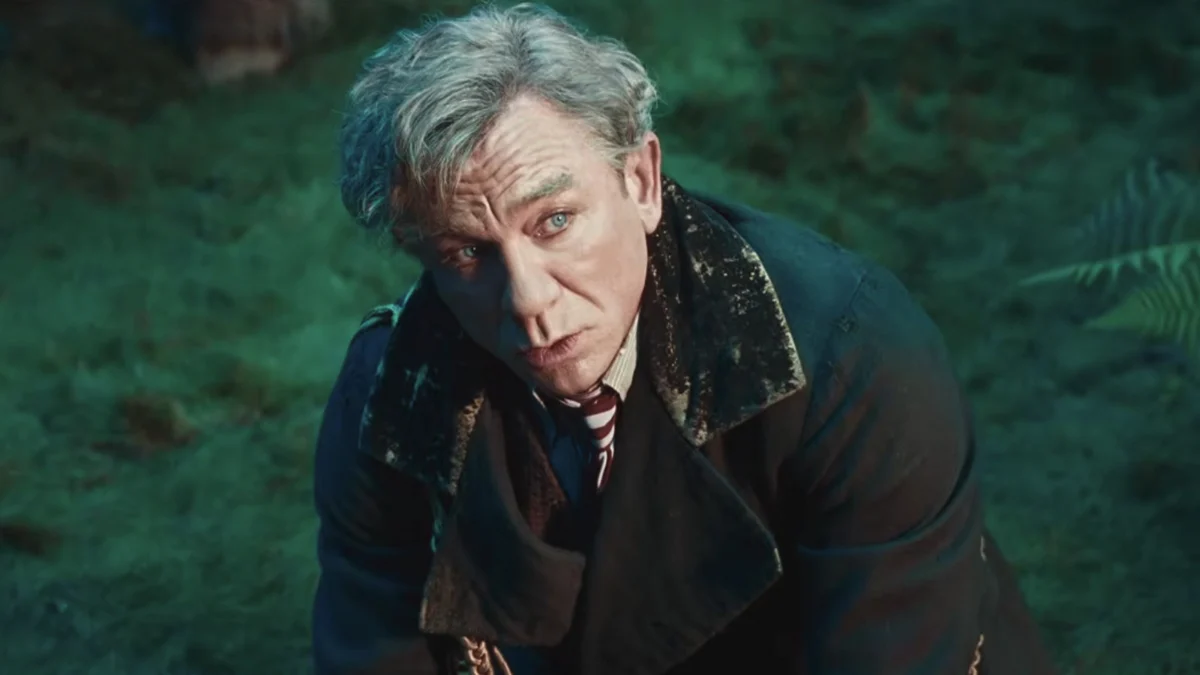
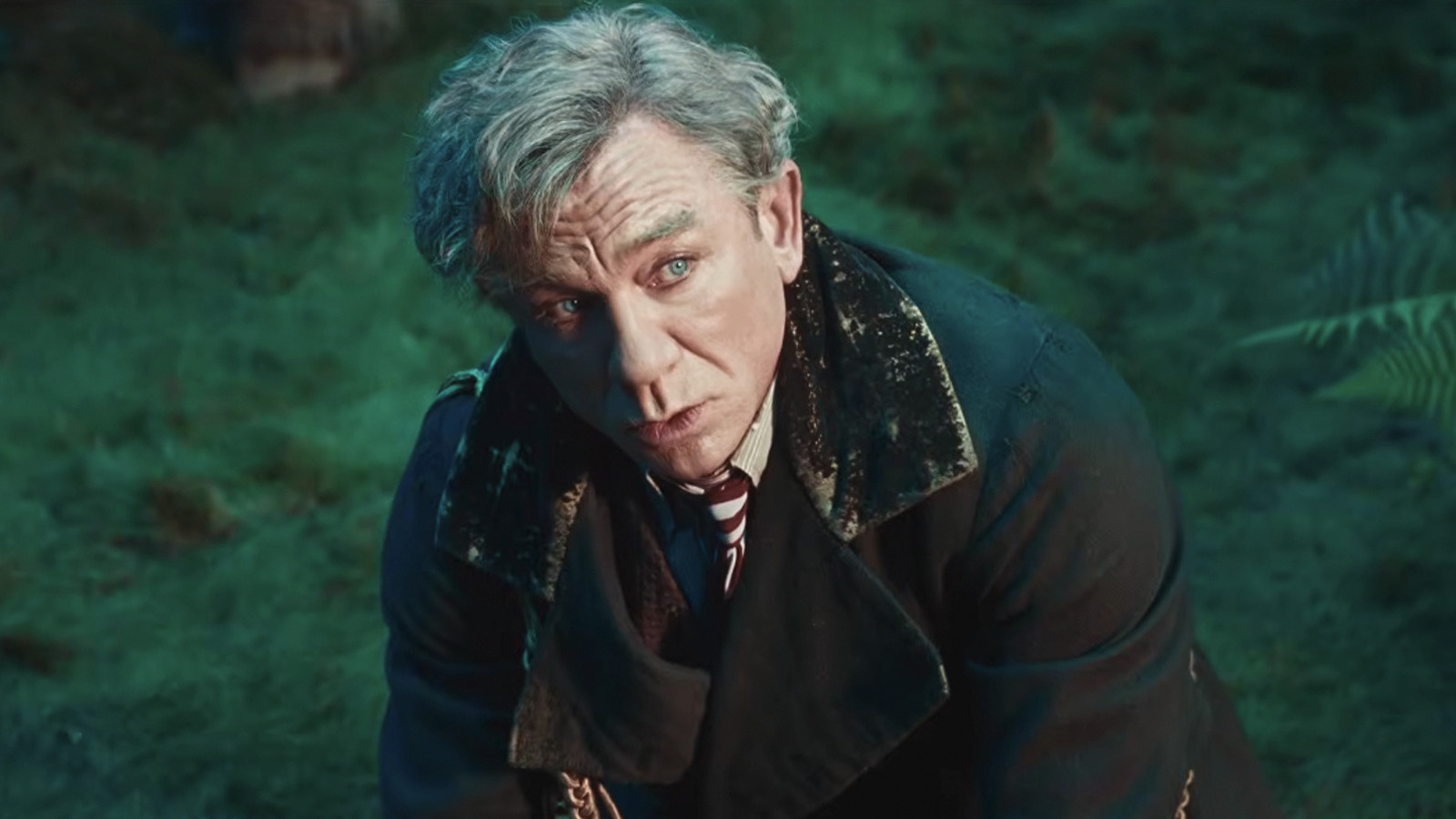
Gerwig has assembled a cast that bridges the gap between prestige drama and blockbuster spectacle. The casting of Meryl Streep as the voice of Aslan—the divine, world-creating lion—is a stroke of casting genius that imbues the character with an immediate, transcendent weight. Meanwhile, Daniel Craig is set to inhabit the role of Uncle Andrew, the titular magician whose hubris drives the plot. Emma Mackey, a Gerwig regular, has been tapped to play Jadis, the ruthless queen who will eventually ascend to the throne as the White Witch.
The "Stairway" Gamble
The trailer for the film, which features a haunting, atmospheric use of Led Zeppelin’s "Stairway to Heaven," serves as a testament to the marketing muscle behind the project. Historically, the band has been notoriously protective of their catalog, famously denying usage rights for high-profile projects like Almost Famous. The fact that Netflix has secured the rights for this trailer speaks to the studio’s willingness to spare no expense in positioning this film as a cinematic event.
Supporting Data: Why Gerwig is the Right Choice
Critics and audiences alike have noted that Gerwig’s transition from independent character studies to massive blockbusters has been remarkably smooth. Her work on Barbie proved that she could handle intellectual property with both commercial savvy and critical depth.
- The Gerwig Effect: Across her three major directorial features, Gerwig has established a reputation for "considered" filmmaking. Unlike many modern blockbusters that rely on "pea-green slop"—shorthand for unfinished, muddy CGI—Gerwig’s footage for The Magician’s Nephew shows a clear eye for composition and color theory.
- A Personal Passion: In recent press statements, Gerwig has been vocal about her lifelong connection to the source material. "I was a child when I first read The Magician’s Nephew," Gerwig noted. "I fell in love with the gorgeously improbable but completely brilliant concept of a cosmic lion singing the world of Narnia to life." This personal attachment suggests that the film will be treated with the narrative care usually reserved for smaller, more intimate projects.
Official Responses and Industry Implications
The film’s announcement has sent shockwaves through Hollywood. By moving away from the "direct-to-streaming" model for a project of this magnitude, Netflix is attempting to dismantle the stigma that its original films lack the "cinematic" quality of traditional studio releases.
The Theatrical Strategy
Industry analysts suggest that the February 12, 2027, release date is a calculated move to capture the post-holiday, early-year audience. It allows the film to dominate the box office during a typically quiet period, ensuring it remains the focal point of the pop-culture conversation. If successful, The Magician’s Nephew could establish a new hybrid model where Netflix uses prestige theatrical releases to anchor its platform, effectively bridging the gap between theater owners and streaming subscribers.
Technical Craftsmanship
Early leaks and trailer breakdowns highlight a massive leap in visual effects quality. The production design—particularly the depiction of the "Wood between the Worlds" and the creation of Narnia itself—appears to emphasize practical, textured environments over flat digital backdrops. This attention to detail has been a hallmark of Gerwig’s previous work, and it appears to have been scaled up significantly for this production.
The Road Ahead: A New Standard for Fantasy
As we look toward the 2027 release, the implications for the fantasy genre are immense. The genre has often suffered from a "franchise fatigue" characterized by formulaic storytelling and diminishing returns. Gerwig’s approach—prioritizing the emotional resonance of the source material while utilizing a massive budget to realize the impossible—offers a potential blueprint for future fantasy adaptations.
The success of The Magician’s Nephew will not just be measured in dollars; it will be measured in the film’s ability to capture the sense of wonder that defined Lewis’ writing. If the early trailers are any indication, the film is not merely an adaptation; it is a re-imagining.
A Masterclass in Directing
What sets this project apart from its predecessors is the intentionality behind the camera. While previous Narnia films were often critiqued for their inconsistent tone, Gerwig’s track record suggests a cohesive vision that respects the source material’s theological and philosophical undertones without sacrificing the "buoyancy" that makes for great entertainment.
In conclusion, the combination of a legendary cast, a visionary director, and a massive, uncompromising budget has created a perfect storm of anticipation. Whether you are a devotee of C.S. Lewis or a casual fan of blockbuster cinema, The Magician’s Nephew demands attention. As the February 2027 release date approaches, all eyes will be on Gerwig to see if she can indeed make lightning strike for a fourth consecutive time, cementing her status as the most bankable and respected filmmaker of her generation.
