
The Chronological Conundrum: Where Does ‘VisionQuest’ Fit in the Ever-Expanding MCU?
For over a decade, the Marvel Cinematic Universe (MCU) was defined by a singular, ambitious mantra: "It’s all connected." From the post-credits tease of Nick Fury in Iron Man to the cosmic convergence of Avengers: Endgame, the franchise thrived on a meticulous, interlocking timeline that rewarded dedicated viewers with a cohesive narrative tapestry. However, as the MCU has ballooned into an expansive web of Disney+ series, multiverse-hopping features, and standalone character studies, that once-prized interconnectivity has evolved from a roadmap into a logistical headache.
With the premiere of VisionQuest, the latest entry in Marvel’s small-screen slate, fans are once again attempting to reconcile the show’s place in the broader canon. As the franchise pivots toward a more fragmented storytelling model, the question of "when" a show takes place has become as much about the philosophy of the MCU as it is about internal continuity.
Main Facts: Locating the Synthozoid’s Journey
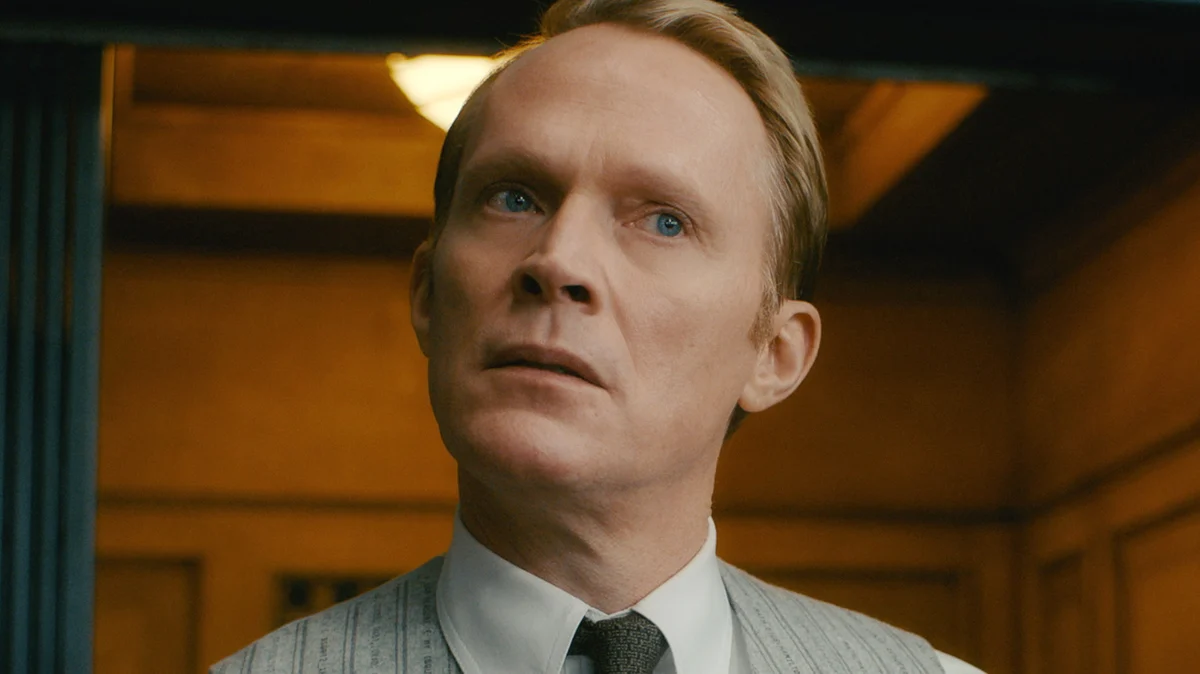
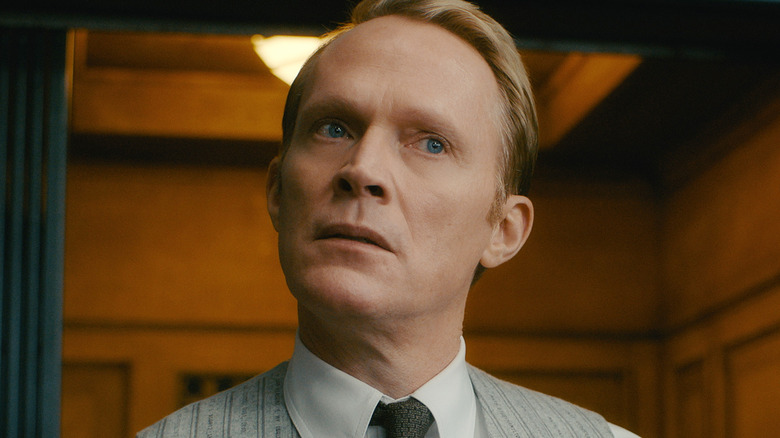
VisionQuest arrives at a pivotal moment for Marvel Studios, serving as a spiritual successor to the groundbreaking WandaVision. The series follows the reconstructed Vision (Paul Bettany) as he navigates a world without his creator or his love, Wanda Maximoff.
The first two episodes of the series provide the necessary anchors to ground the audience in the timeline. The most definitive piece of evidence comes directly from the protagonist himself. In a moment of exposition that serves both to inform the audience and provide emotional context for his character, Vision references the tragic fate of Wanda, noting that she was "crushed under the weight of a mountain." This is an explicit, canonical callback to the climactic final act of Sam Raimi’s Doctor Strange in the Multiverse of Madness.
Furthermore, the show establishes a temporal distance from the events of Avengers: Age of Ultron. During a tense exchange between the protagonist and his resurrected counterpart, Ultron (voiced by James Spader), the duo discusses their initial conflict—a battle that took place in the fictional nation of Sokovia. The dialogue suggests that this confrontation occurred "a little over a decade ago," firmly placing VisionQuest in the modern-day MCU era, roughly aligned with the present-day reality of the franchise.
A Fragile Chronology: Piecing Together the Puzzle
To understand where VisionQuest sits, one must look at the post-Endgame landscape. We know the series is set after the events of both WandaVision and Multiverse of Madness. However, the MCU timeline is no longer a linear string of pearls; it is a sprawling, often contradictory map.
For years, Marvel maintained an official, internal timeline, which was occasionally clarified by books like The Marvel Cinematic Universe: An Official Timeline. Yet, recent projects have complicated this. For instance, Agatha All Along introduced the character of Billy Kaplan (Joe Locke), whose presence is tethered to the aftermath of Wanda’s arc. VisionQuest exists in that same vacuum—a world where the consequences of the Scarlet Witch’s disappearance and the shifting nature of reality are still being processed by those left behind.
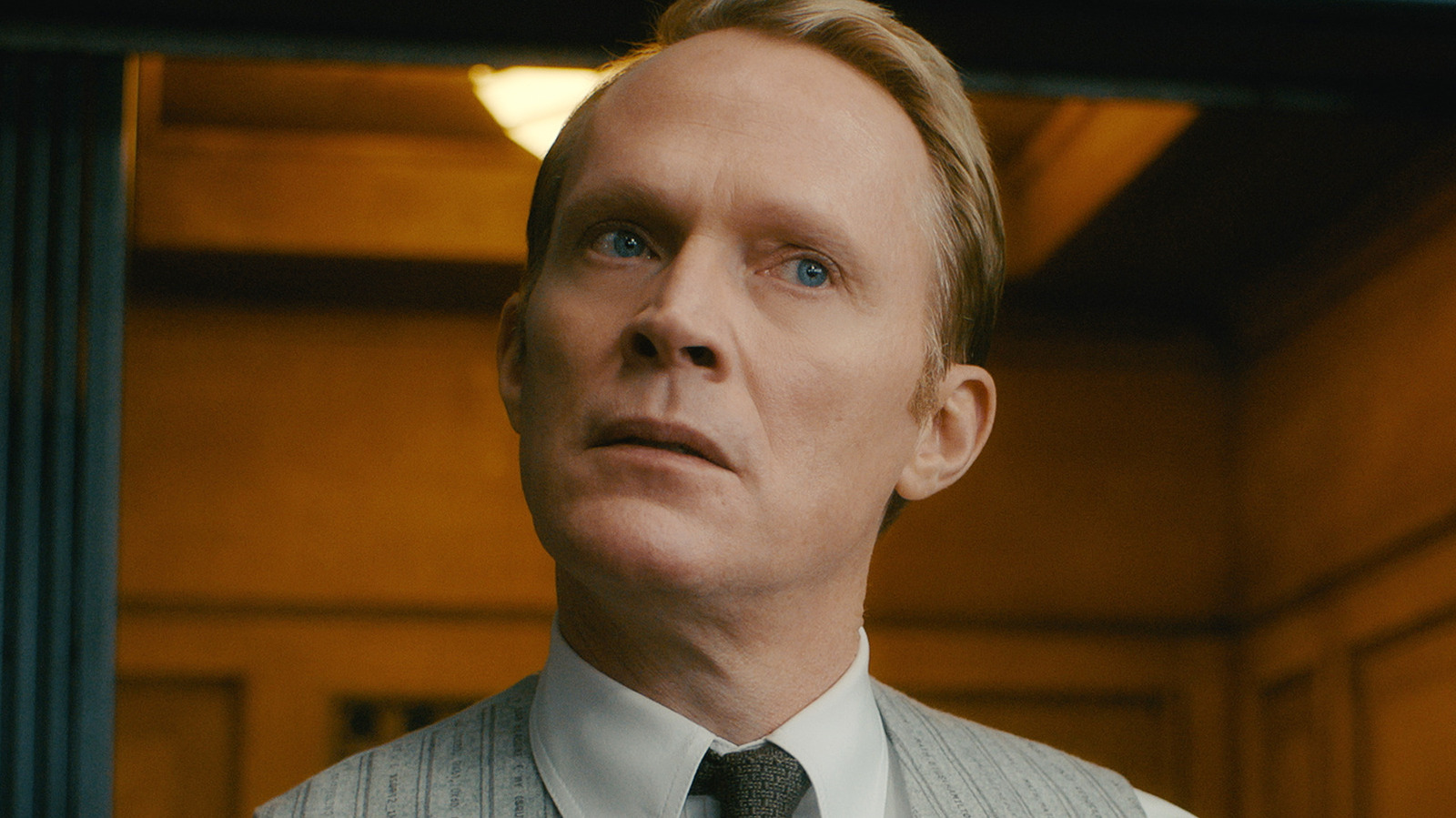
The internal logic of VisionQuest suggests a world that has moved on from the "Blip" but is still reeling from the collateral damage of multiversal instability. By setting the show in the "current" era—roughly 2026 or 2027—Marvel allows the character of Vision to act as a bridge between the classic Avengers era and the newer, more experimental phase of the studio’s output.
Supporting Data: The Shift Away from Connectivity
The modern audience’s relationship with MCU continuity is shifting. When Moon Knight premiered, it was lauded by critics and fans alike for its lack of overt connections to the wider universe. It was a self-contained story that allowed the character to breathe without the baggage of a dozen other plot threads. VisionQuest appears to be leaning into this "standalone-first" philosophy.
Consider the surrounding projects:
- *Thunderbolts:** A grounded, mission-based film that focuses on anti-heroes.
- Daredevil: Born Again: A street-level narrative that focuses on localized stakes.
- Spider-Man: Brand New Day (Upcoming): Reported to take place in 2028, positioning it after the events of VisionQuest, despite a release schedule that may suggest otherwise.
The data suggests that Marvel is moving away from the "homework" model of storytelling. While the 2010s required viewers to watch every single film to understand the next Avengers team-up, the current landscape is designed for modularity. You don’t need to know the intimate details of the Daredevil lore to appreciate the personal struggle of the Vision, and that is a deliberate creative choice.
Official Perspectives: The Philosophy of the "Loose" Timeline
Marvel Studios has not officially issued a "timeline map" for VisionQuest, and for good reason. Executives have noted in recent press cycles that the burden of continuity can sometimes stifle creativity. By allowing directors and showrunners to focus on character-driven stories rather than the strict maintenance of a timeline, Marvel hopes to revitalize the franchise’s creative spirit.
There is also the "Simpsons" effect to consider. Much like the long-running animated sitcom, the MCU now functions in a "floating timeline." Characters remain roughly the same age, and events are referred to in terms of "years ago" rather than specific calendar dates. This flexibility allows for stories like VisionQuest to exist without having to explain why a specific Avenger wasn’t called in to help. It removes the "deus ex machina" problem that haunted earlier phases, where the presence of superheroes in every city made the absence of support in a crisis feel like a plot hole.
Implications: What This Means for the Future of the MCU
The implications of this shift are profound. If the MCU is moving toward a more episodic, self-contained model, what happens to the "Event" movies?
Upcoming massive projects like Avengers: Doomsday will undoubtedly require "homework." These events serve as the gravitational centers of the MCU, pulling in various threads from the standalone series. However, the success of VisionQuest suggests that Marvel is comfortable with a bifurcated model:
- The Event Tier: Massive, multi-character films that require deep knowledge of the lore.
- The Character Tier: Standalone series that function as character studies, where the timeline is a suggestion rather than a mandate.
This change is, in many ways, a survival tactic. As the franchise approaches its third decade, the sheer weight of its own history is an obstacle for new viewers. By prioritizing "vibe" and "narrative impact" over strict chronological accuracy, Marvel is attempting to lower the barrier to entry while keeping the die-hard fans satisfied with subtle nods and easter eggs.
Is the Timeline Dead?
The short answer is no, but it is certainly no longer the primary driver of audience engagement. VisionQuest is a reminder that the most compelling stories in the MCU are not the ones that perfectly align with a chart, but the ones that explore the humanity (or, in this case, the synthetic approximation of humanity) of the characters.
Whether VisionQuest takes place exactly in 2026 or 2027 is ultimately secondary to the emotional journey of Vision. By grounding the show in the immediate aftermath of Multiverse of Madness, Marvel provides just enough context to satisfy the continuity-hungry viewer, while freeing the show to explore themes of grief, identity, and existence that have nothing to do with the wider Avengers roster.
In the end, perhaps that is the best path forward. A timeline that serves the story, rather than a story that slaves away for the timeline, might just be the secret weapon the Marvel Cinematic Universe needs to sustain itself for another decade. As we continue to watch VisionQuest, the lesson is clear: keep an eye on the clock, but don’t forget to watch the show.
