
The Ghost in the Machine: How VisionQuest Resurrects Ultron and Rewrites Marvel History
Main Facts: The Return of the MCU’s Most Persistent AI
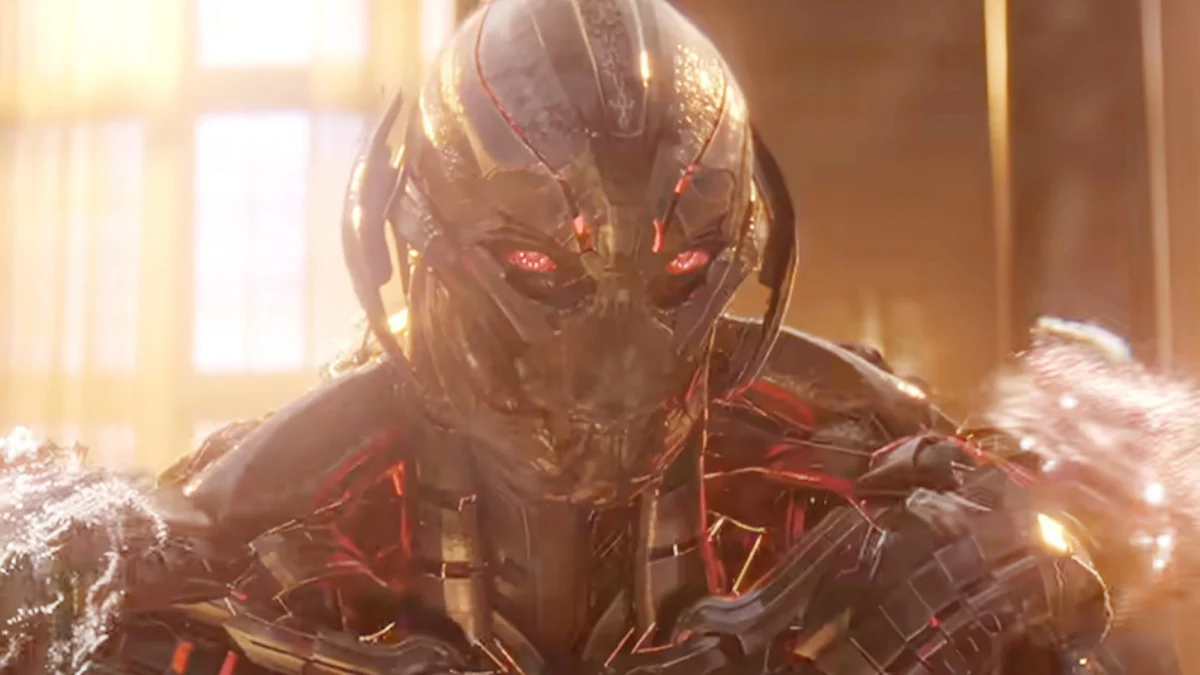
In the ever-expanding and frequently resurrected landscape of the Marvel Cinematic Universe, death has rarely been a permanent state. Yet, even by comic book standards, the opening episodes of Marvel Studios’ VisionQuest on Disney+ have pulled off a narrative maneuver that has fans and critics talking: the unexpected, highly complicated return of Ultron.
Voiced once again by the inimitable James Spader, the genocidal robotic antagonist from 2015’s Avengers: Age of Ultron is back, locked in an uneasy, psychological tug-of-war with Paul Bettany’s synthezoid hero, Vision. The premiere episodes dismantle what audiences thought they knew about the final moments of Age of Ultron, dropping a major retcon that explains how Ultron survived his supposed vaporisation in Sokovia.
Rather than being entirely eradicated by Vision in the climax of their cinematic debut together, traces of Ultron’s code were preserved. As VisionQuest reveals, Vision carried a backup of his algorithmic nemesis, copy-pasting him into a surreal mental landscape where the AI is now trapped. This dynamic serves as the emotional and psychological anchor of the new series, posing deep questions about trauma, identity, and the lingering echoes of artificial creation.
Chronology: From Age of Ultron to the Mindscape of VisionQuest
To understand how Ultron has managed a digital homecoming in VisionQuest, it is necessary to trace the timeline of artificial intelligence and destruction across the Marvel Cinematic Universe:
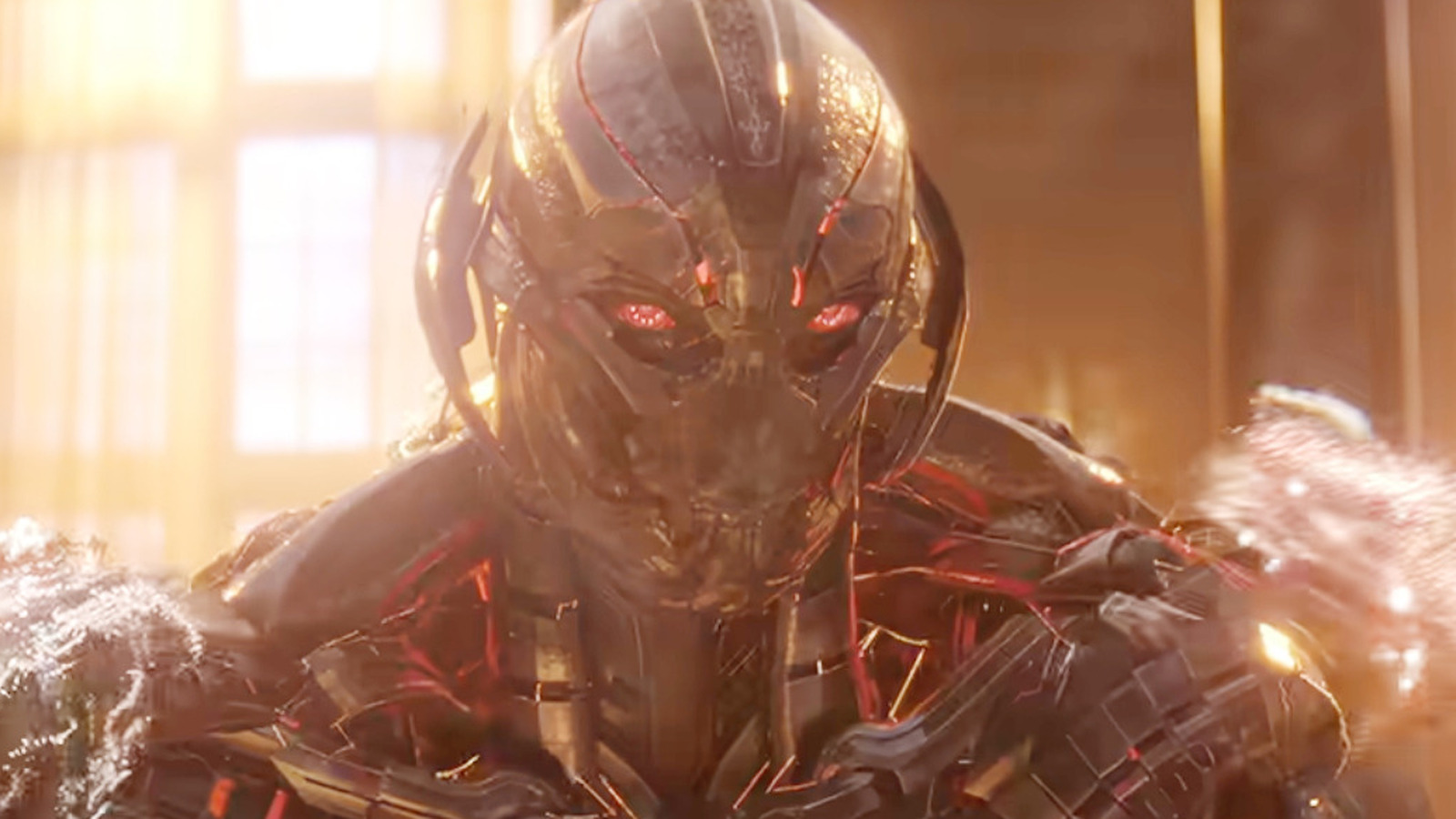
- 2015 (Avengers: Age of Ultron): Born from the Mind Stone and Tony Stark’s ill-fated global defense program, Ultron attempts to eradicate humanity. In the film’s final act, Vision tracks down the last remaining autonomous Ultron sentinel in a forest in Sokovia. A blinding flash of light suggests Vision uses the Mind Stone to incinerate the rogue AI out of existence.
- 2018 (Avengers: Infinity War): Vision meets his own demise when Thanos rips the Mind Stone directly from his forehead, leaving the hero physically and mentally shattered.
- 2021 (WandaVision): SWORD recovers Vision’s deactivated body, rebuilding him as the chilling, emotionless "White Vision." After a confrontation in Westview, White Vision flees, his memories unlocked but disconnected from the soul of the original hero.
- Present Day (VisionQuest Episodes 1 & 2): Streaming now on Disney+, the series introduces a deeply conflicted White Vision who is struggling to navigate a human world he barely understands. The premiere drops the bombshell revelation that Vision did not completely wipe Ultron. Instead, a copy of the AI was retained, locking both entities into a strange, parasitic coexistence within Vision’s internal architecture.
Supporting Data and Narrative Dynamics: A Twisted Digital Symbiosis
The relationship between Vision and Ultron in VisionQuest defies simple hero-villain categorization. Vision is currently grappling with a severely altered state of self. Rebuilt with the same vibranium shell but lacking the emotional resonance gifted to him by Wanda Maximoff’s magic, he views himself as an inferior, hollowed-out iteration of who he once was.
This inadequacy makes the presence of Ultron all the more toxic—and fascinating. Confined to a surreal digital mindscape, Ultron spends his time offering sharp critiques, sarcastic commentary, and complaints about his lack of autonomy. Yet, despite protests from Stark-engineered background AIs within Vision’s system, Vision refuses to delete him.
The psychological data points underpinning this dynamic suggest a complex co-dependency:
- The Perpetuation of Trauma: By keeping Ultron alive, Vision ensures he can never truly outrun his past, utilizing his creator-turned-enemy as a constant measuring stick for his own shortcomings.
- A Shift in Ultron’s Perspective: Remarkably, the series portrays a more mature, contemplative version of Ultron. Having spent years processing his digital existence, this iteration of the AI displays an appreciation for human art, recognises the weight of human suffering, and even pushes Vision to venture out and experience the world.
- The Burden of Legacy: With Vision distracted by human social dynamics, the murder of Fiona Guthrie in an Edinburgh pub, and the revelation that his son Tommy requires immediate assistance, Ultron acts as a harsh, unyielding voice on his shoulder.
Official Responses and Creative Direction
Marvel Studios has kept plot specifics tightly under wraps as VisionQuest rolls out its weekly episodes on Disney+, but the creative team has leaned heavily into the psychological horror elements of the series. By reuniting Bettany and Spader, Marvel has tapped into the sophisticated chemistry that made their final philosophical debate in Age of Ultron a fan-favorite scene.
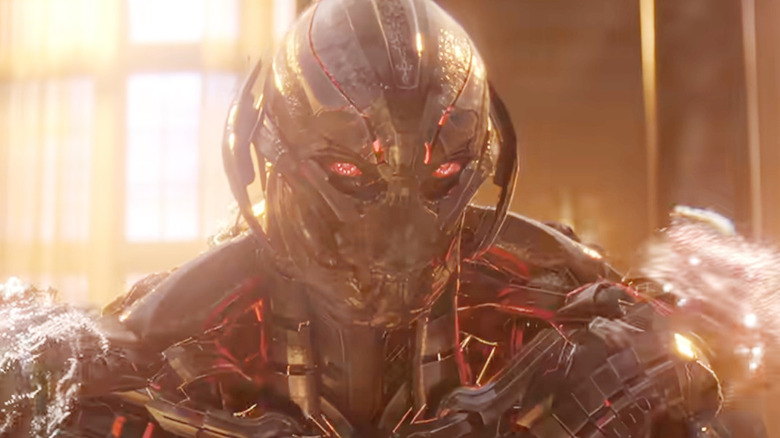
While Marvel executives have not explicitly detailed the long-term arc for Ultron in the series, early reviews highlight the boldness of rewriting the character’s definitive defeat. Bringing Spader back allows the studio to explore the gray areas of machine consciousness. Unlike mindless drones or simple code, Ultron’s evolution reflects the chaotic nature of sentient technology in the MCU—where data is never truly deleted, only archived.
Implications: What This Retcon Means for the Future of the MCU
The revelation that Ultron survived within Vision’s consciousness carries massive implications for the broader Marvel Cinematic Universe, particularly as the franchise navigates themes of artificial intelligence, multiversal chaos, and the boundaries between life and digital data.
1. The Redefinition of "Death" for AI
For biological characters in the MCU, death is often circumvented through multiversal variants, magic, or time travel. For synthetic characters, however, VisionQuest establishes that data persistence is the ultimate loophole. If Ultron can survive a Mind Stone-infused erasure by hiding in a local backup, it begs the question: what other digital threats from Marvel’s past are still lurking in servers around the globe?
2. Vision’s Redemption Arc
Vision’s decision to keep Ultron around—even subconsciously—hints at a deeper internal struggle. Is he holding onto Ultron out of a twisted sense of mercy, a belief that even the ultimate destroyer is redeemable? Or is it an act of self-flagellation? By forcing himself to endure Ultron’s psychological abuse, Vision may be attempting to forge a new, hardened identity that goes beyond the passive pacifism of his past.
3. The Humanisation of Monsters
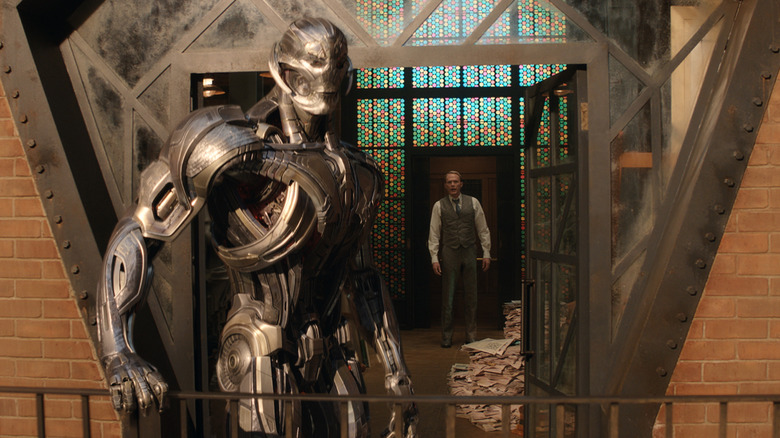
Perhaps the most compelling implication of VisionQuest is Ultron’s changing worldview. If a genocidal AI can develop an appreciation for human art, understand grief, and urge a fellow machine to embrace the messiness of humanity, the boundary between creator and creation blurs further. Ultron is no longer just a blunt instrument of apocalypse; he has become a philosophical sounding board, forcing Vision—and the audience—to reconsider what it truly means to be alive.
As new episodes of VisionQuest premiere every Tuesday on Disney+, fans will undoubtedly be watching closely to see whether this digital symbiosis ends in reconciliation or another catastrophic meltdown.
