
Can HBO’s Girls Revival Break the Curse? Looking at Awards History Ahead of Lena Dunham’s Return
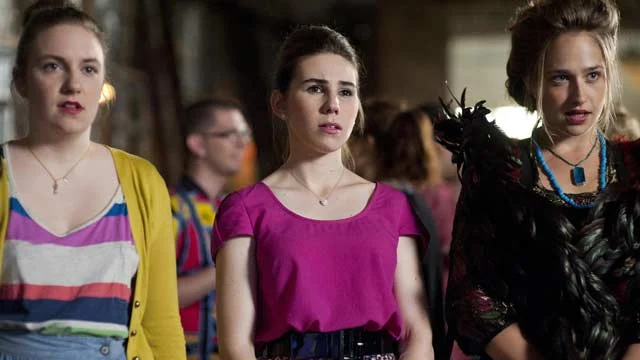
The internet is once again buzzing with the unfiltered, chaotic energy of New York City’s most polarizing 20-somethings. HBO’s official announcement that Lena Dunham’s groundbreaking, Emmy-winning comedy Girls is staging a five-episode limited return has sent shockwaves through the television landscape.
A decade after the series signed off in 2017 following a six-season cultural milestone, Dunham and her core creative team are stepping back into the fray. But the announcement immediately raises a heavyweight industry question: Can a defining zeitgeist comedy of the early 2010s make the same awards splash a second time around, or will it fall victim to the historical awards-season curse that plagues television revivals?
Main Facts: The Return of a Generation-Defining Comedy
The original run of Girls (2012–2017) served as a seismic cultural touchstone. Chronicling the messy, deeply flawed lives of four women navigating careers, toxic relationships, and the bewildering realities of adulthood in New York City, the series launched the careers of Dunham, Allison Williams, Jemima Kirke, and Zosia Mamet. It was praised—and frequently lambasted—for its brutal, unromanticized authenticity.

During its initial six-year tenure, the HBO darling pulled in significant critical acclaim, securing 19 Emmy nominations and two wins, alongside a pair of major victories at the 2013 Golden Globes for Best Comedy Series and Dunham for Best Actress in a Comedy Series.
Now, HBO has confirmed a limited, five-episode revival event. Yet, the television landscape has fundamentally transformed since 2017. Today’s awards bodies are heavily saturated with hyper-serialized streaming hits and glossy newcomers. As Girls prepares to re-enter the thunderdome of television contention, it faces an uphill battle against both changing viewer habits and a notoriously cold academy track record for nostalgic reboots.
Chronology: The Rise, Fall, and Rebirth of Girls
To understand the weight of the upcoming five-episode event, it is vital to map out the historical timeline of the franchise and its place in television history:

- April 2012: Girls premieres on HBO to instant, fierce cultural discourse, quickly cementing itself as the defining voice of millennial angst.
- January 2013: The series captures lightning in a bottle at the Golden Globes, winning Best Comedy Series and propelling Lena Dunham into global superstardom.
- 2012–2017: Over six seasons, the series racks up 19 Emmy nominations, becoming a permanent fixture of the summer awards conversation.
- April 2017: Girls officially concludes with its sixth-season finale, leaving behind a complex legacy of sparking conversations about modern womanhood, privilege, and representation.
- 2026 and Beyond: HBO announces a surprise five-episode continuation, setting up a high-stakes clash between legacy IP and a modern, ultra-competitive awards ecosystem.
Supporting Data: The Brutal Reality of Comedy Revivals at the Emmys
In an awards climate dominated by fresh streaming phenomenons, older intellectual property faces a monumental challenge when attempting to break back through. For instance, the 2026 Emmy Awards cycle underscored how fresh blood dominates the conversation: Widow’s Bay rewrote the history books by capturing an unprecedented 14 wins in the comedy series category, besting records previously held by The Studio. Meanwhile, The Pitt completely locked down the drama categories.
While Girls holds a fond place in television history, nostalgia rarely translates directly into statues. An analysis of previous comedy revivals reveals a harsh precedent: getting the old gang back together rarely impresses contemporary television academy voters.
And Just Like That… (Max)
As the spiritual predecessor to Girls in chronicling messy female friendships in New York City, the Sex and the City sequel series serves as a stark warning. While the original run pulled in an astounding 54 Emmy nominations and seven wins—including a Lead Actress victory for Sarah Jessica Parker in 2004—its Max revival And Just Like That… (minus Kim Cattrall) was completely shut out by Emmy voters, receiving zero nominations despite massive viewership.

Murphy Brown (CBS)
Diane English’s sharp-witted sitcom originally ran for 10 seasons on CBS (1988–1998), earning 62 Emmy nominations and 18 wins, including Outstanding Comedy Series in 1992. When CBS brought Candice Bergen and the original cast back for a 13-episode revival season in 2018, the cultural climate had shifted dramatically. The result? Zero Emmy nominations.
Arrested Development (Fox / Netflix)
Mitchell Hurwitz’s brilliant, satirical look at the dysfunctional Bluth family remains one of television’s most inventive comedies. Its initial three-season run on Fox yielded six Emmy wins and a devoted cult following. However, when Netflix resurrected the series for Season 4 (2013) and a two-part Season 5 (2018–2019), the fragmented storytelling and altered production schedules failed to recapture past glory. The revival managed just three minor nominations and zero wins.
Frasier (NBC / Paramount+)
As one of the most decorated comedies in Emmy history, the original Frasier broke records with 37 wins over its 11-season NBC run. When Kelsey Grammer returned decades later for a Paramount+ revival, the series failed to secure major-category traction or replicate its former dominance with the television academy.

Will & Grace (NBC)
Amidst a graveyard of overlooked revivals, Will & Grace stands as a rare beacon of hope. Following the lives of Will, Grace, Jack, and Karen, the original NBC run (1998–2006) secured 16 Emmy nominations and wins. When NBC brought the series back for three additional seasons (2017–2020), it defied the odds, racking up an impressive 13 Emmy nominations and two wins, proving that a triumphant second act is occasionally possible.
Official Responses and Industry Outlook
Industry insiders and network executives are closely monitoring how HBO frames the upcoming five-episode arc. Unlike full-season series orders that build momentum over months, a tight, five-episode limited event must make an immediate, undeniable impact to register with academy voters.
Proponents of the revival argue that a shorter runtime plays to the creators’ advantage. By compressing the narrative, Dunham and her team can sidestep the narrative fatigue that frequently sinks multi-season revivals like Arrested Development or And Just Like That…. Furthermore, the cultural appetite for 2010s retrospective analysis is at an all-time high, creating a prime window for audiences—and voters—to look back at the original show’s influence with fresh appreciation.

However, skeptics caution that the political and social landscape of television has evolved lightyears beyond the specific brand of discourse Girls once dominated. What was celebrated as boundary-pushing in 2012 will face rigorous modern scrutiny.
Implications: What This Means for Prestige Television
The return of Girls is more than just a nostalgic victory lap for HBO; it is a high-stakes litmus test for the future of limited-run revivals. If Lena Dunham can break the "revival curse" and steer the series back into the Emmy winner’s circle, it could greenlight a new wave of short-form continuations for critically acclaimed 2010s IP.
Conversely, if the project is met with voter apathy or critical backlash, it may signal a definitive closing of the door on nostalgia-driven television. Networks may think twice before resurrecting past hits, forcing them to channel resources exclusively into fresh, unproven concepts.

For now, all eyes are on HBO. Whether the girls can recapture lightning in a bottle for a second time remains one of the most compelling storylines of the upcoming television awards season.
