
The Architecture of Resonance: Mengge Qin and the Evolution of Cross-Media Storytelling
In the rapidly shifting landscape of contemporary independent cinema, few creators manage to bridge the chasm between literary profundity and cinematic visuality with the deliberate focus of Mengge Qin. A filmmaker, writer, and interdisciplinary artist based in New York, Qin has spent the last several years constructing a creative body of work that defies the traditional, high-velocity demands of industrial screenwriting. Instead, she has opted for a path defined by sustained accumulation—a methodology that prioritizes emotional architecture, spatial tension, and the slow, rhythmic unveiling of human destiny.
As a recent graduate of Columbia University’s MFA in Film program, with a concentration in screenwriting, Qin’s rise is not marked by the overnight success of a singular viral project. Rather, her emergence is the result of a meticulously built cross-media framework that integrates literature, screenplay development, and visual art into a unified, coherent artistic voice.
The Foundations: A Creative Path Outside Industrial Constraints
Long before her formal training in screenwriting, Qin’s creative intuition was forged in the world of fine arts and digital moving-image practices. This early exposure to the visual arts serves as the bedrock of her current aesthetic, allowing her to approach film not merely as a narrative vessel, but as a space for sensory exploration.
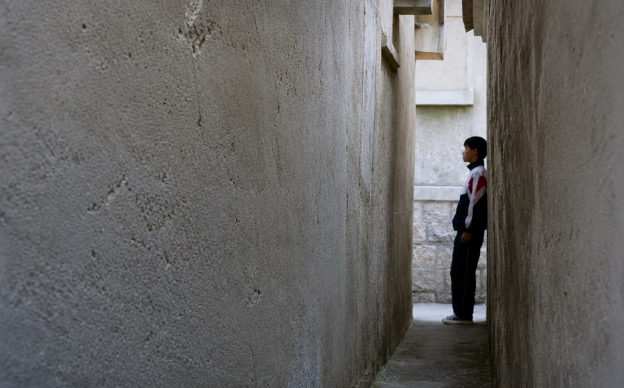
In an industry often obsessed with "plot efficiency"—the relentless, often sterile pursuit of genre beats and structural tropes—Qin’s work feels like a deliberate counter-narrative. She frequently builds her stories around what she calls "emotional spaces where a character feels trapped." Her screenplays are characterized by claustrophobic interiors, the weight of humid atmospheres, and the unspoken tension inherent in long-suppressed relationships. Rather than forcing her characters to serve the mechanics of a plot, Qin allows them to reveal their internal realities through the environments they inhabit.
“Most of the time, I do not begin with plot,” Qin explains. “I begin with an emotional space where a character feels trapped. I believe that after enough years of accumulation, there will eventually come a day when the world truly sees the work.”
Chronology of Recognition: From Manuscript to Industry Spotlight
Qin’s transition into the professional sphere has been marked by a consistent trajectory of validation from international development platforms. Her work, which frequently sits at the intersection of fiction and cinematic adaptation, has garnered significant attention for its literary sensibility.
2025: A Breakthrough Year
The year 2025 served as a definitive milestone for Qin. Her manuscript Three Hearts secured the Grand Prize in the feature manuscript category at the ScreenCraft Cinematic Prose Competition. This victory was significant, as ScreenCraft specifically seeks projects that bridge the gap between high-level literary expression and commercial cinematic potential.
Following this win, Three Hearts ascended to the #1 position on the Coverfly Red List for the Book/Manuscript category, a premier industry benchmark for tracking high-performing scripts and manuscripts. This ranking is more than a mere accolade; it is a signal to development executives, agents, and producers that a project possesses the structural integrity and market viability required for professional production.
Development Ecosystems and Mentorship
Qin’s rise has been bolstered by her strategic integration into professional development networks, including the Coverfly Writer Development Program and the "Roadmap Marketing Consideration" initiative by Roadmap Writers. These platforms provide more than just exposure; they offer mentorship and industry-wide dissemination. By engaging with these ecosystems, Qin has ensured that her projects—which focus on themes of immigration, female labor, and social displacement—reach the desks of decision-makers who value nuance over formula.
The Stowe Narrative Lab and Beyond
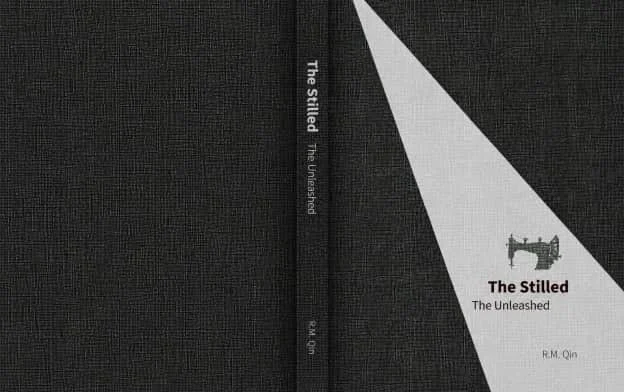
Further solidifying her industry standing, the feature screenplay version of her novel, The Stilled, The Unleashed, was officially selected for the prestigious Annual September Stowe Narrative Lab. As one of the most selective development platforms in the American independent film industry, the Stowe Lab provides a rare environment for deep creative incubation, connecting emerging voices with organizations like the Sundance Institute and the Writers Guild of America.

The Cross-Media Ecosystem: Literature as Narrative DNA
One of the most distinct aspects of Qin’s career is her refusal to view literature and screenwriting as competing formats. Instead, she treats them as symbiotic parts of a singular creative ecosystem.
Her novel, The Stilled, The Unleashed, which centers on the Chinese immigrant female labor community in 1980s New York Chinatown, serves as a masterclass in this approach. By publishing the work as a literary text while simultaneously developing it as a screenplay, Qin creates a "narrative IP" that carries the weight of history and the visual scope of cinema. This dual-track development—where the novel informs the film’s atmosphere and the film clarifies the novel’s visual potential—is increasingly viewed by industry observers as the gold standard for independent creators.
Industry Participation: From Creator to Evaluator
As Qin’s reputation as a writer has matured, her role within the film industry has expanded to include the responsibilities of a professional evaluator. This shift toward "industry citizenship" provides a unique perspective on the power dynamics of the festival circuit.
In December 2025, Qin was appointed to the Screening Committee for the Santa Fe International Film Festival, an Academy Award® Qualifying event consistently ranked among the top festivals on FilmFreeway. Her work reviewing over 100 feature films, documentaries, and shorts has served to sharpen her own understanding of what constitutes "genuine life" in cinema.
“When you begin watching a large number of other people’s films,” Qin observes, “you realize again that what truly matters is not technique itself, but whether a work possesses genuine life.”

This role as an evaluator, coupled with her experience as a filmmaker (notably with her shorts Butterfly and Greenhouse and her work as a producer on NOMAD), positions her not just as an outsider looking in, but as a participant helping to define the quality of the industry’s output. Her involvement in the 2024 Palm Springs International ShortFest and the 2025 Diversity and Inclusion Film Festival at Lincoln Center underscores her commitment to projects that resonate with contemporary social, cultural, and political concerns.
Implications for Independent Filmmaking
What are the implications of Mengge Qin’s career model for the broader film landscape? First, it suggests a move away from the "sprint" mentality that has dominated digital content creation for the last decade. By focusing on long-term project development, literary IP expansion, and meaningful participation in industry evaluation, Qin is building a career that is inherently more resilient than one built on singular, flash-in-the-pan successes.
Secondly, her work highlights the increasing demand for "literary cinema." As audiences become more sophisticated and platforms seek original, high-quality IP, the demand for writers who can craft deep, character-driven narratives—without relying on the crutch of standardized genre tropes—is at an all-time high.
Finally, Qin’s focus on the Asian female immigrant experience provides a necessary expansion of the cinematic canon. By documenting the specific struggles of female labor and the nuances of migration with a lens that is both tender and critical, she contributes to a broader cultural conversation about identity, displacement, and the meaning of "home."
Conclusion: Leaving a Distinct Voice
As Mengge Qin continues to develop her slate of projects—spanning animation visual development, interdisciplinary media, and feature film production—her primary objective remains consistent: longevity. She is not interested in the brief flicker of popularity, but in the enduring impact of a voice that speaks clearly across decades.

For the independent film industry, writers like Qin represent the future of creative development. They are creators who are also architects of their own systems, utilizing the tools of the modern industry to protect the integrity of their vision. In a world of transient content, Qin’s commitment to the "long-term creative path" serves as a reminder that the most compelling stories are not the ones that arrive the fastest, but the ones that possess the weight and complexity to remain in the world long after the screen goes dark.
As she continues to build her body of work, the industry watches with increasing interest, recognizing that her unique fusion of literary depth and cinematic visuality is not just a trend, but a new, sustainable paradigm for the modern independent artist.
