
The Ever-Evolving Spirit: Why "Avatar: Seven Havens" Finally Breaks the Franchise Cycle
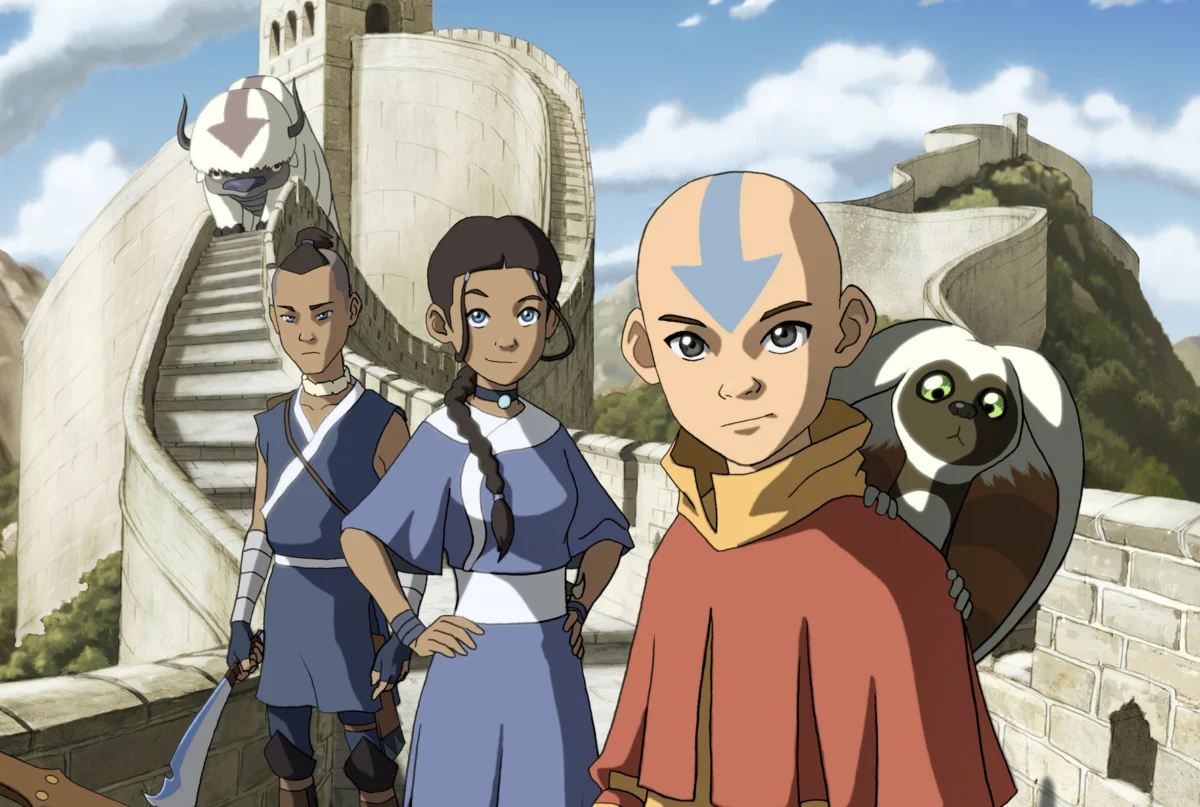
If there is an object lesson in the modern entertainment landscape regarding the diverging paths of long-running franchises, it is currently being played out by the "Avatar" universe. Created by Michael Dante DiMartino and Bryan Konietzko for Nickelodeon Animation Studios in 2005, Avatar: The Last Airbender (ATLA) stands as a monolithic achievement in television history. Its recent exclusion from several major "Best TV Shows of the 21st Century" lists was considered so egregious by critics and fans alike that it sparked a minor cultural uprising.
For the uninitiated, the premise is simple: in a world where individuals can "bend" the elements of water, earth, fire, and air, only the Avatar can master all four to maintain global balance. Yet, the show was far more than its high-concept pitch. It was a masterclass in serialized storytelling, featuring a three-season structure that concluded with arguably the most structurally flawless finale in the history of the medium.
However, as the franchise expands with new projects, it faces the "Shadow of the Masterpiece" dilemma. How does a creative team iterate on perfection without merely mimicking it? The answer, it seems, has finally arrived in the form of Avatar: Seven Havens.

A Chronology of a Cultural Phenomenon
To understand the weight of the new series, one must look at the lineage of the franchise.
- 2005–2008: The Original Run. The initial series established the "Four Nations" aesthetic, deeply rooted in Asian and Aboriginal cultures, from the bureaucracy-coded Earth Kingdom to the industrial, imperialist Fire Nation.
- 2010: The M. Night Shyamalan Adaptation. A live-action film that is now largely relegated to the "least said, the better" category of pop culture history.
- 2012–2014: The Legend of Korra. DiMartino and Konietzko’s direct sequel evolved the world, trading the expansive landscapes of Aang’s journey for the urban, riveted, and angsty complexity of Republic City.
- 2021: The Birth of Avatar Studios. Paramount+ established a dedicated production arm to house the franchise’s future, signaling a massive corporate investment in the IP.
- 2024: Avatar Aang: The Last Airbender. A feature film that struggled to move beyond the tropes of "fan service."
- 2026: Avatar: Seven Havens. The latest entry, marking a radical departure in aesthetic and tone.
Supporting Data: The Struggle of Adaptation
The franchise has frequently stumbled when attempting to replicate the "magic" of the original. The recent Netflix live-action adaptation, while featuring a standout performance by Dallas Liu as Prince Zuko, faced significant criticism. The central issue was an understandable but misguided desire to replicate the animation’s specific design language in a live-action space.
Animation allows for a level of expressive, "unreal" physicality—color, line weight, and distorted perspective—that carries emotional information in ways live-action cannot easily mirror. When creators focus solely on the look of the original, they often miss the soul of it. The original series was an exuberant blend of anime-influenced expressiveness and precise martial arts choreography. By contrast, projects like The Legend of Korra shifted the visual language to prioritize weight, impact, and mechanical, industrial scale. While Korra succeeded by evolving, many subsequent attempts at the franchise felt like pale imitations, trapped in the "Fire Lord of design aesthetics."

Breaking the Cycle: The Arrival of "Seven Havens"
Avatar: Seven Havens, currently streaming on Paramount+, represents a tectonic shift. Set hundreds of years after the events of Korra, the series presents a world that is fundamentally transformed—a post-apocalyptic, sandstorm-ravaged landscape that feels alien to the Four Nations of the past.
The showrunners have wisely adopted a "Ghibnalogy" approach, leaning into the environmental melancholy of Hayao Miyazaki’s Nausicaä of the Valley of the Wind rather than the whimsical spirit of My Neighbor Totoro or the steampunk kinetics of Howl’s Moving Castle. By shifting the design language to a "broken stained-glass" aesthetic, the creators have finally given the franchise the breathing room it desperately needed.
Thematic Evolution
The narrative framework of Seven Havens is undeniably familiar—young protagonists with animal companions, a recurring voiceover, and a balance of high-stakes conflict with character-driven humor. Yet, it gets away with these "Star Wars-esque" tropes because it surrounds them with a mystery that feels fresh: the cataclysmic fallout of an era defined by Korra, and a provocative re-examination of the Avatar’s role in a world where the lines between order and chaos have blurred.

Implications for the Future of Animation
The success of Seven Havens—driven by the creative risks taken by the French studio La Chouette Compagnie—offers a roadmap for the future of the Avatar brand and, perhaps, all long-running animation franchises.
- Aesthetic Autonomy: The most successful franchises are those that allow for stylistic evolution. Forcing a uniform "house style" limits the narrative potential of the world.
- Cultural Expansion: By incorporating Hindu and Jainist influences into the design of the new city, Ellora, the show moves beyond the established visual lexicon of the Four Nations, making the world feel larger and more lived-in.
- Survival Through Difference: The industry consensus, often driven by a fear of alienating existing fans, is to play it safe. Seven Havens proves that the opposite is true. Fans of the franchise are loyal, but they are also hungry for the same level of innovation that made the 2005 series a masterpiece in the first place.
The Verdict: A Necessary Pivot
When we consider the vast, sprawling history of the Avatar IP—the comics, the tie-in novels, the video games, and the failed film experiments—it becomes clear that the franchise has spent nearly two decades trying to recreate the past. It was only when it finally embraced a different, more experimental visual identity that it regained its footing.
Avatar: Seven Havens is not just another spin-off; it is a declaration of intent. It acknowledges the legacy of the original without being crushed by it. As the series progresses, the burning question will be whether Paramount+ allows for even further experimentation. If the goal of the "Avatar" franchise is to remain a cultural cornerstone for another two decades, it must continue to prioritize these bold, stylistic leaps.

The original series was a perfect moment in time, but as any airbender will tell you, the essence of the wind is that it is always moving. Seven Havens has finally caught the breeze.
The first three episodes of "Avatar: Seven Havens" are now streaming on Paramount+.
