
The Horror of Misplaced Intentions: An In-Depth Look at Jill Marie Sachs’ Taga
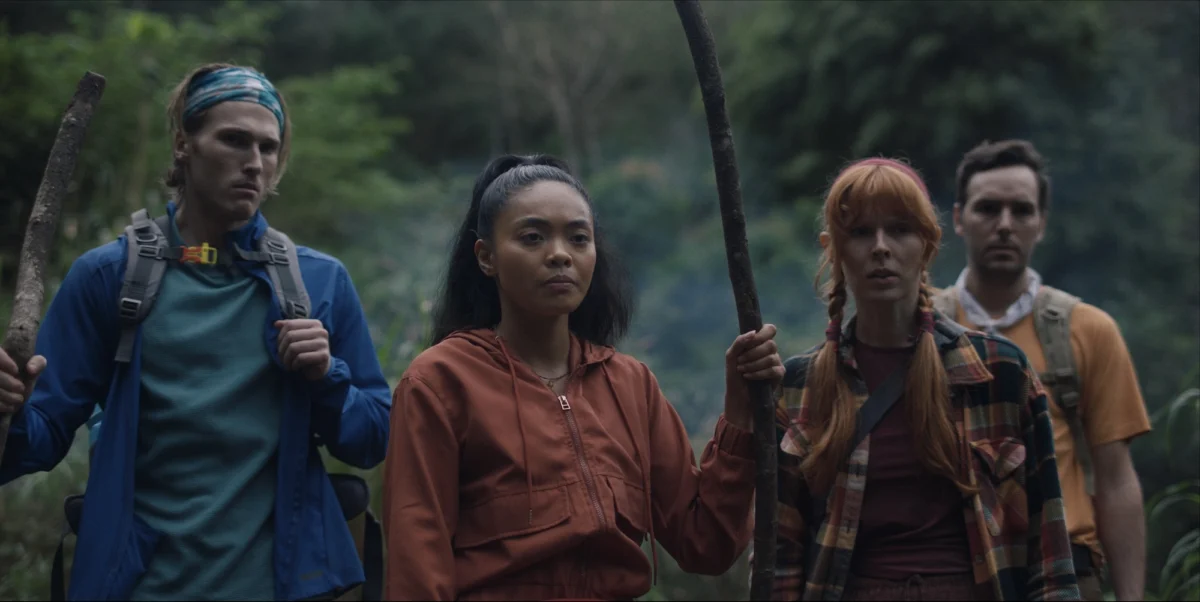
When the locals warn you to stay indoors after dark, and the sight of nails driven into doorframes—a traditional ward against the unknown—becomes a common sight, the wise traveler listens. But for Vivi and her band of well-meaning Western eco-volunteers, the boundaries of local wisdom are easily dismissed in favor of their own agenda.
In her chillingly satirical horror short Taga, writer-director Jill Marie Sachs crafts a narrative that functions as both a visceral folk-horror experience and a sharp-edged critique of modern Western liberal "voluntourism." Through the protagonist’s fraught quest for identity, Sachs subverts the "final girl" trope, offering a story that is as intellectually demanding as it is terrifying.
The Genesis of Fear: A Personal Odyssey
At the heart of Taga lies a deeply personal exploration of displacement. Sachs, a mixed Filipino-American filmmaker, drew directly from her own experiences growing up in a small mountain town where she often felt like an outsider.
"I never quite felt like I belonged anywhere," Sachs reveals, noting that this lifelong search for a "home" led her to examine the intersections of culture and identity. By delving into the spiritual landscape of her Filipino heritage—the myths, monsters, and gods that have persisted through centuries of colonial and cultural shifts—Sachs discovered a unique horror vocabulary.
Taga is not merely a ghost story; it is an interrogation of where culture truly resides. By placing a group of Westerners in the heart of the Cordillera mountains, Sachs forces the audience to confront the uneasy friction between modern global travelers and the ancient, enduring traditions they seek to "save" or "study."
Chronology of Production: Bringing the Cordillera to Life
The development and production of Taga were marked by a commitment to authenticity and atmosphere.
- Pre-Production: Sachs spent extensive time researching Filipino folklore, specifically the Nangangatok—a haunting entity known for knocking on doors. The decision to center the narrative on this figure allowed for a grounded, intimate horror that contrasts sharply with the broader, more cynical comedy of the volunteers.
- Principal Photography: Filmed on location in the Cordillera mountains of the Philippines, the production prioritized the environment as a primary character. Cinematographer Geia De Vera captured the lush, suffocating beauty of the forest, ensuring that the landscape felt like a living, breathing entity rather than a backdrop.
- Post-Production: Editor Joey Scoma, known for his work on HAAW, played a pivotal role in shaping the film’s unique rhythm. By balancing the self-indulgent, comedic banter of the tourists against the slow-burn dread of the horror elements, Scoma constructed a pacing that mimics a roller coaster—inviting the audience to laugh before pulling the rug out from beneath them.
Supporting Data: Crafting the Creature
One of the most impressive feats of Taga is its creature design. In an era dominated by CGI, Sachs and her team opted for a tactile approach. The Nangangatok was brought to life through practical makeup and physical performance.
Digital enhancements were used sparingly, relegated primarily to wisps of smoke that surround the entity, intended to "enhance rather than replace" the work captured on set. This commitment to practical effects anchors the horror, making the creature feel tangible and immediate—a reflection of the "real" history and folklore that the Western characters are so eager to consume but unable to comprehend.
The Satirical Lens: Deconstructing the "Eco-Volunteer"
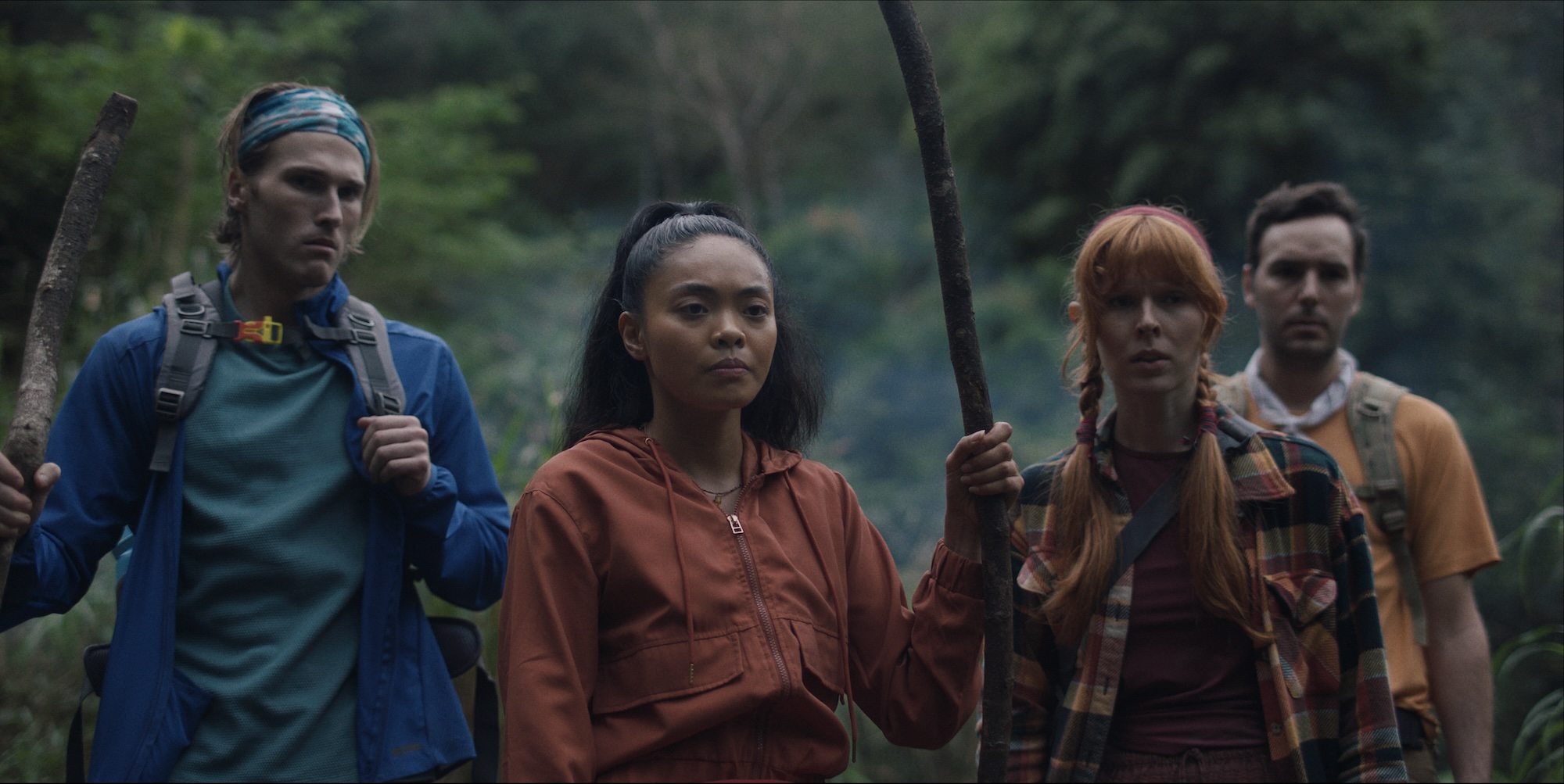
The ensemble cast of Taga excels in portraying the specific brand of tone-deafness often found in modern Western tourism. The characters, blinded by their own sense of moral superiority, act as a lens through which Sachs critiques modern colonial dynamics.
The film highlights how, even when well-intentioned, tourism can inadvertently echo the colonial power structures of the past. The volunteers’ inability to read the room—or the ominous warning signs of the village—serves as the primary engine of the film’s dark comedy. Lead actress Kim Adis delivers a standout performance, capturing the internal conflict of a woman caught between her desire to belong and the realization that she is an intruder in a world that does not want her.
Official Responses and Festival Reception
Taga has enjoyed a successful run on the international film circuit, signaling a strong critical reception. Its premiere at the Sundance Film Festival in the Midnight section solidified its reputation as a standout in the folk-horror genre. Subsequent screenings at festivals such as Leiden and Galway further cemented the film’s status as a must-see for horror enthusiasts.
Sachs has not slowed down following the success of Taga. Her recent short, Marisol, premiered as part of Tubi’s Bite Size Terror anthology, further demonstrating her range as a storyteller. Currently, she is developing several feature-length projects, with a full-length adaptation of Taga already in the works.
Implications: The Future of Folk Horror
The significance of Taga lies in its refusal to be just one thing. It manages to balance the "monster movie" requirements—the scares, the tension, the creature—with a sophisticated, biting social commentary.
Why It Matters
- Cultural Stewardship: By utilizing Filipino folklore, the film acts as a vehicle for the preservation and reinterpretation of indigenous myths, preventing them from being diluted by Westernized horror standards.
- The Ethics of Storytelling: The film challenges viewers to consider the impact of their presence in foreign lands. It forces us to ask: Are we listening to the local stories, or are we simply waiting for our turn to speak?
- The Evolution of the Final Girl: By the end of the film, the question of whether Vivi is a survivor or merely a cog in the machine of her own identity crisis remains poignantly unanswered. She is a final girl of a different sort—one defined by her awakening to the world around her.
Conclusion: A Masterclass in Atmospheric Dread
Taga is a testament to the power of genre storytelling. Through the lens of horror, Sachs manages to distill complex issues of identity, colonial heritage, and cultural erasure into a compact, unsettling, and undeniably entertaining experience.
As we await the feature-length adaptation, Taga stands as a reminder that the most effective horror is that which forces us to look in the mirror. When the door knocks, the question is no longer just "Who is there?" but rather, "Do you have the right to answer?"
For those looking to engage with contemporary horror that carries the weight of history, Taga is an essential watch—a haunting, beautiful, and deeply uncomfortable journey into the heart of the mountains, and perhaps, into the heart of the filmmaker herself.
