
From Tax Write-Off to $100 Million Box Office Hit: The Improbable Triumph of Coyote vs. Acme
Main Facts
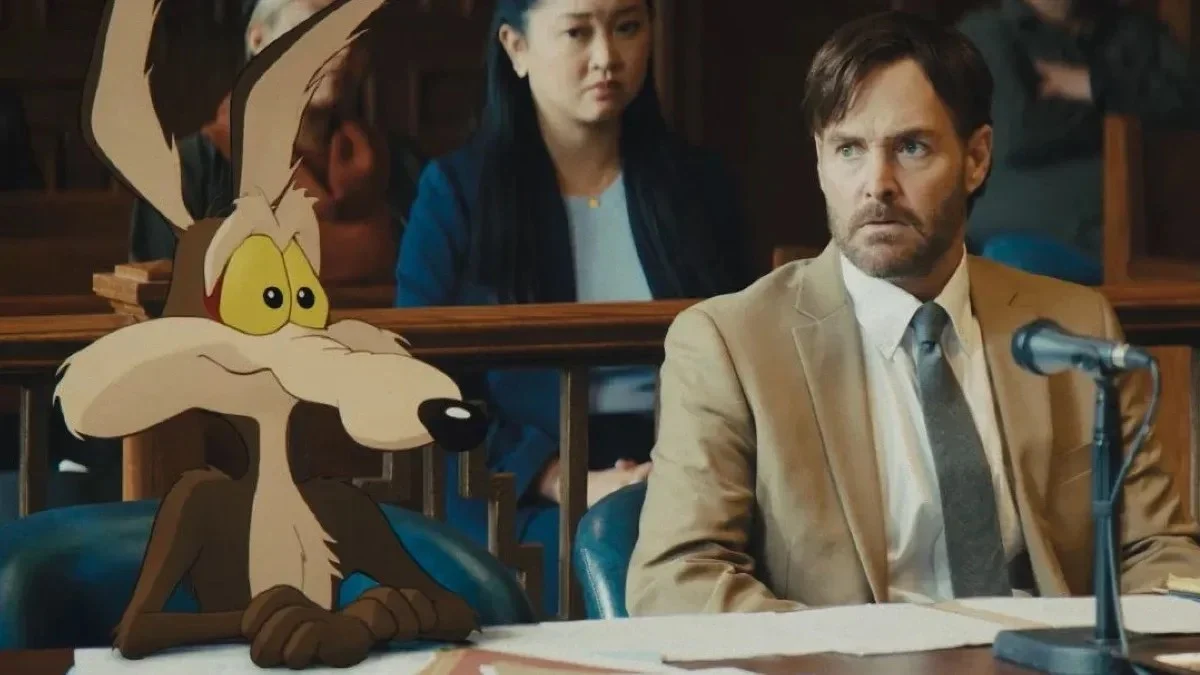
Against all odds, the live-action/animated hybrid comedy Coyote vs. Acme has officially crossed the $100 million threshold at the global box office. The milestone marks a stunning vindication for a project that was once aggressively written off as a financial loss and shelved by Warner Bros. Discovery as an unmarketable asset.
According to box office tracking data provided by Rentrak, the film has grossed $54.7 million internationally and $44.3 million domestically. This unexpected commercial momentum sets the stage for its upcoming digital release on September 28 at 9:00 p.m. PT (midnight ET on September 29), giving the film a second financial wind just as its theatrical footprint begins to wind down.
The movie’s improbable resurrection was made possible by Ketchup Entertainment, which stepped in to acquire the distribution rights for roughly $50 million. To mitigate its financial exposure, Ketchup strategically sold off select foreign territories prior to the film’s theatrical rollout. With global revenues now eclipsing nine figures against a $70 million production budget, the film is poised to turn a profit—a stunning outcome for a movie that major studio executives once deemed too commercially unviable to even release.
Chronology of a Corporate Casualty
The journey of Coyote vs. Acme from development hell to box office triumph is one of the most tumultuous in recent Hollywood history, highlighting the shifting strategies of major media conglomerates.
- Development and Production: Conceived as a high-concept comedic spin on the classic Looney Tunes shorts, Coyote vs. Acme follows the iconic, perpetually thwarted Wile E. Coyote as he finally hires a human personal injury law firm to sue the Acme Corporation for its defective, backfiring products. Boasting a $70 million budget, the film combined state-of-the-art computer-generated animation with live-action performances, wrapping production with high internal hopes.
- The Write-Off (November 2023): In a move that shocked the creative community, Warner Bros. Discovery announced it was shelving the completed film entirely, choosing to take a tax write-off estimated around $30 million rather than distribute it theatrically or via streaming. The decision mirrored the controversial shelving of the almost-completed Batgirl feature film and drew fierce backlash from filmmakers, guilds, and fans alike.
- The Rescue Mission (Early 2024): Following intense industry outcry and rare internal studio screening permissions granted to prospective buyers, Warner Bros. reversed its stance slightly, permitting the filmmakers to shop the project to other studios. After months of stalled negotiations, Ketchup Entertainment emerged as the savior, securing the rights in a deal valued around $50 million.
- The Theatrical Rollout and Digital Milestone: After mitigating financial risks through foreign pre-sales, Ketchup successfully shepherded the film into theaters. Buoyed by positive word-of-mouth and genuine audience curiosity over its turbulent history, Coyote vs. Acme steadily accumulated ticket sales, officially crossing the $100 million global mark ahead of its late-September digital debut.
Supporting Data and Industry Context
The financial success of Coyote vs. Acme arrives at a particularly painful time for its original parent company, Warner Bros., which has endured a difficult box office climate throughout the year. While 2025 proved to be a golden period fueled by major commercial hits like Sinners and Weapons, the subsequent slate has been plagued by expensive underperformers.
Recent studio releases have struggled to find traction with audiences:

- The Bride! grossed a meager $23.9 million worldwide against a steep $90 million budget.
- Supergirl stumbled with a $126.4 million global haul against a massive $180 million price tag.
- The End of Oak Street brought in $120.6 million globally against an $85 million budget.
- Practical Magic 2, the studio’s major tentpole sequel, pulled in $76.8 million in its first two weeks, though its exorbitant production costs mean it will fight an uphill battle to turn a profit.
The contrast has grown so stark that industry analysts have highlighted anomalous shifts in market dominance. Notably, Variety recently reported that independent powerhouse A24 managed to outgross Warner Bros. over the summer box office season, largely driven by the massive breakout success of Backrooms. A24 captured 5.5 percent of the domestic market share ($237 million total), while Warner Bros. lagged behind at 5 percent ($165 million).
Had Warner Bros. retained Coyote vs. Acme, the film’s $44.3 million domestic contribution could have meaningfully narrowed that gap and provided a much-needed morale boost to the studio’s balance sheet.
Official Responses and Creative Backlash
The decision by Warner Bros. to shelve a finished, high-budget family film for tax purposes ignited a firestorm across Hollywood, permanently altering the discourse surrounding corporate "tax write-downs" of artistic works.
When the news first broke in late 2023, directors, animators, and writers openly condemned the studio’s logic. Director Dave Green expressed heartbreak over the shelving, noting that the crew had poured years of passion into crafting a heartfelt, funny tribute to classic animation lore. Prominent filmmakers took to social media to voice solidarity, arguing that treating completed motion-grade art as mere ledger adjustments undermines the cultural and labor value of cinema.
While Warner Bros. executives defended the move at the time by quietly whispering to trade publications that the movie was "unreleasable" or simply too offbeat to justify the millions required for print and advertising (P&A) marketing campaigns, subsequent events have poked holes in that narrative. Ketchup Entertainment’s calculated acquisition and subsequent profitability suggest that the studio’s risk-averse algorithm miscalculated both the enduring appeal of the Looney Tunes brand and the public appetite for quirky, meta-comedies.
Warner Bros. has declined to comment extensively on the film’s recent box office milestones, maintaining a tight-lipped silence as independent distributors successfully monetize an asset the studio once considered worthless.

Implications for the Industry
The unexpected triumph of Coyote vs. Acme carries profound implications for Hollywood’s business models, risk management strategies, and the future of completed media assets.
1. Re-evaluating the "Write-Off" Strategy
For years, major conglomerates like Warner Bros. Discovery and Disney viewed shelving completed or near-completed projects as a clean, guaranteed way to offset quarterly losses through tax codes. The commercial success of Coyote vs. Acme introduces a sobering counter-argument: studios may be actively destroying viable, profit-generating IP out of an excess of corporate caution. The reputational damage and loss of future upside resulting from fan boycotts and creative alienation may well outweigh short-term tax savings.
2. Empowering Independent Distributors
The rescue of Coyote vs. Acme by Ketchup Entertainment underscores the vital role that mid-tier and independent distributors play in the modern cinematic ecosystem. By stepping in where major studios fear to tread—and intelligently hedging risk through foreign pre-sales—independent players can rescue stranded works and turn them into lucrative properties. This success story may encourage other filmmakers whose projects are trapped in corporate vaults to aggressively lobby for the release of their rights.
3. The Changing Landscape of Nostalgia and Meta-Comedy
Finally, the film’s box office run proves that audiences remain hungry for inventive, self-aware takes on legacy characters. By blending classic cartoon physics with a sharp, cynical legal satire, Coyote vs. Acme delivered something distinct from standard franchise sludge. As the film heads to digital platforms on September 28, its journey from trash-bin casualty to global hit will undoubtedly be studied by studio executives for years to come—serving as a permanent reminder that in Hollywood, one man’s tax write-off can easily become another distributor’s goldmine.
