
The Art of the Impossible: How DNEG Brought ‘Coyote vs. Acme’ to Life
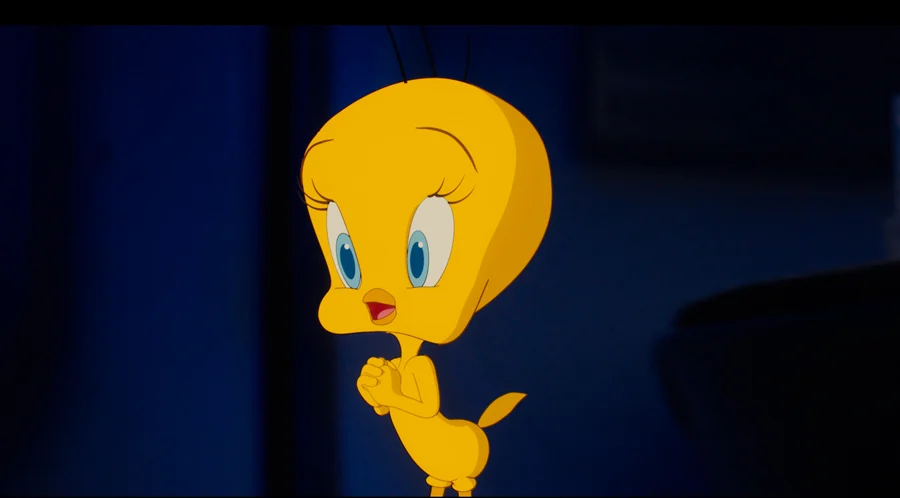
The story of Coyote vs. Acme is perhaps the most compelling "underdog" narrative in modern Hollywood history. Initially shelved by Warner Bros. in a move that sparked global outcry, the film was ultimately rescued by Ketchup Entertainment, finding its way into theaters and, ultimately, into the hearts of audiences. Yet, beneath the corporate drama lies a technical marvel: a live-action/animation hybrid that captures the anarchic, elastic spirit of Chuck Jones’ legendary Looney Tunes in a way that feels both classic and revolutionary.
At the center of this creative triumph is Ben Anderson, the animation supervisor from DNEG. In an exclusive discussion, Anderson peels back the curtain on the grueling, meticulous process of translating 2D icons into a 3D environment, proving that even in the face of corporate uncertainty, artistry can endure.
The Genesis: A Blueprint for Chaos
The journey of Coyote vs. Acme began long before the cameras rolled. In 2021, the production team initiated a robust SketchViz and storyboarding process. This wasn’t merely about planning shots; it was about solving the fundamental "physics problem" of placing a 2D cartoon character into the live-action reality of Albuquerque.
"The filmmakers used SketchViz on set to help with shot composition," Anderson explains. "The shots were framed to complement the character performances as much as possible, which made our job in animation much simpler. We were able to focus on the performance, and I think that’s why the characters feel so believable in the human world."
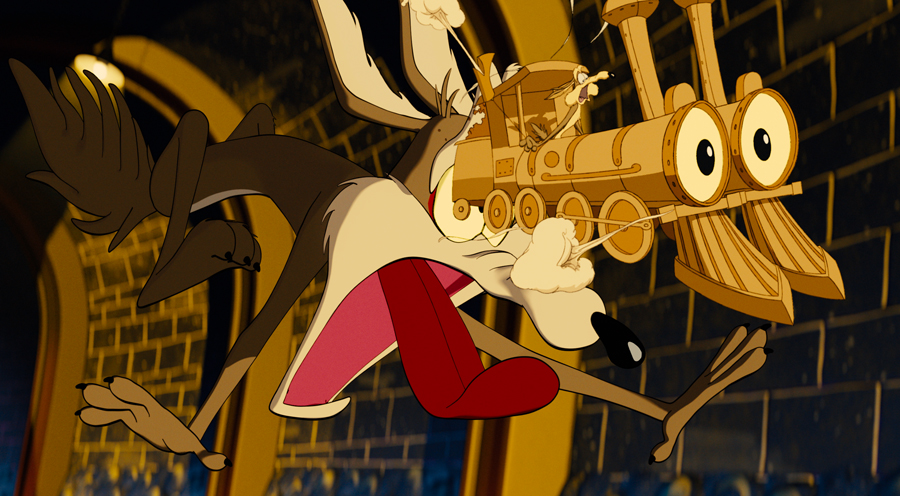
By the time Anderson joined the project midway through filming, a collaborative pipeline was already in motion. He maintained constant contact with DNEG Animation Director Keith Roberts—who was on-set in Albuquerque—to strategize around the technical obstacles of integrating the characters into real-world plates.
Technical Mastery: Preserving the "Chuck Jones" DNA
The central challenge for DNEG was the paradox of their task: to make a 3D model that didn’t look like a 3D model. To honor the legacy of Chuck Jones, the team had to eschew the "perfection" often associated with modern CGI.
The Rigging Revolution
"We really wanted to treat this like a 2D film," says Anderson. This required a level of rigging sophistication rarely seen in hybrid films. The DNEG team modified their models to allow for extreme, non-linear posing.
"We needed to adjust where the neck connects to the skull for more dynamic posing," Anderson notes. "We added small details like extra tufts of fur on Wile E.’s hands in close-ups. Everything was designed to facilitate that classic 2D exaggeration."
The "Boil" and the Line
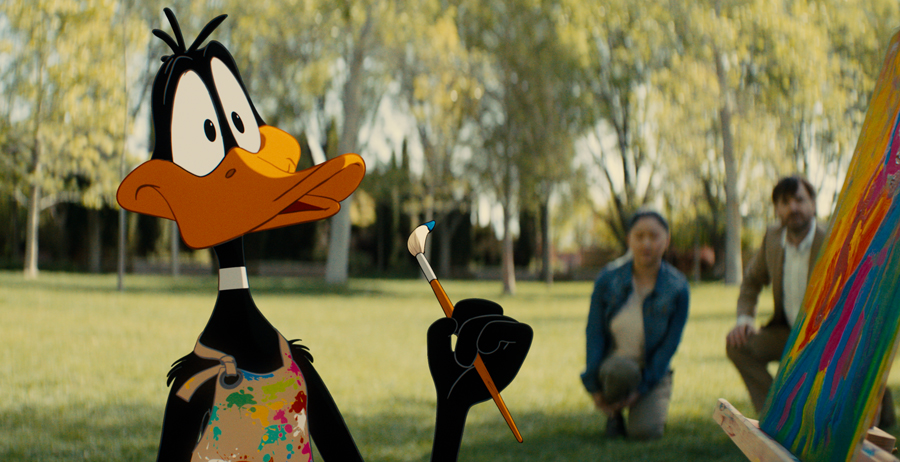
Perhaps the most striking technical feat is the recreation of the "line boil"—the slight, flickering instability of hand-drawn lines that gives 2D animation its organic warmth. In a medium where computers are programmed to produce static, perfect geometry, DNEG had to program "imperfection."
"Computers are very good at making things look perfect, so we spent the time to make things feel handcrafted," Anderson reveals. The team developed a flexible toolset for line weight and thickness, ensuring that even when a character held a pose, the lines would gently "boil" as if they had been redrawn by an artist. Each shot received individual attention, with Anderson performing manual drawovers to ensure the characters never strayed from their classic model sheets.
Chronology of Production
- 2021 (Pre-Production): Early SketchViz and storyboarding begin to define the integration of 2D characters into live-action plates.
- Mid-Production: Ben Anderson joins the team. Coordination between the London-based DNEG studio and the on-set team in Albuquerque becomes the primary workflow.
- Development Phase: Creation of proprietary tools for "toon lines" and dry-brush speed lines.
- The "Shelving" Crisis: The project is halted by studio leadership, leading to a period of uncertainty.
- The Rescue: Ketchup Entertainment acquires the film, allowing the DNEG team to finalize the animation and post-production.
- Release: The film debuts to critical acclaim, serving as a testament to the crew’s dedication.
Supporting Data: The Physics of the Gag
The film balances two distinct environments: the hyper-active, slapstick "cartoon physics" of the desert sequences and the subtle, nuanced pantomime of the courtroom and office settings.
- Classic Timing: The team studied the original Looney Tunes extensively, analyzing how characters like the Road Runner "anticipate" movement before a zoom. They experimented with animating on 1s and 2s to match the timing of classic animation.
- Dry Brush Effects: To recreate the iconic "speed lines" of the Chuck Jones era, the team categorized different types of dry brush strokes and created planar rigs with animated textures. These were used in tandem with extra limbs to sell the illusion of high-speed movement.
- Prop Integration: A critical rule was established: if a character interacts with a cartoon prop, the effect is a "toon explosion." If a character interacts with the real world, the effect is realistic. This contrast heightens the comedy, such as the sequence where Wile E. triggers a cartoon explosion that leaves behind a room full of very real, physical smoke.
Official Responses and Creative Philosophy
The film’s success is owed largely to the "in-house" culture at DNEG’s London studio. By fostering an environment where artists were encouraged to study the history of animation—including consulting the works of animation historians like Jerry Beck—the team developed a profound emotional connection to the material.
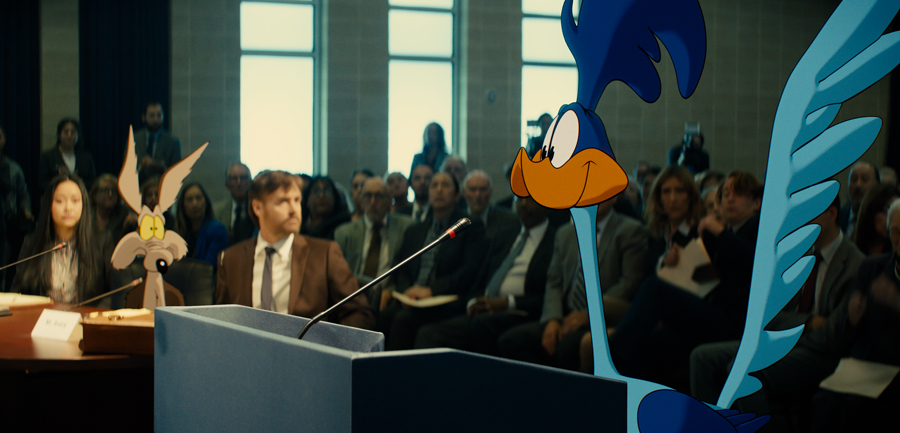
"I am a Chuck Jones fan, so this felt like a chance to raid the closet of all the cartoons that have been stuck in my brain for years," Anderson reflects. When asked about the most difficult sequence, he points to the courtroom scenes. "Wile E. and Road Runner don’t speak, so the pantomime and posing had to be perfect. We had to make his thought process and intent instantly clear without a single word of dialogue."
The team’s dedication even extended to the "green suit" references. For the character of Foghorn Leghorn, actor Joe Cobden provided on-set performance capture in a suit, providing a grounded, physical baseline that the animators could then "cartoon-ify" to match the visual language of the film.
Implications: The Future of Hybrid Cinema
The "surreal journey" of Coyote vs. Acme serves as a powerful reminder of the value of creative persistence. The film was not just a job; it was a passion project for every artist involved. When the news of the shelving broke, the crew was devastated, but they were bolstered by the knowledge that they had created something special.
"Just like Wile E., a little adversity was not going to stop this movie," says Anderson.
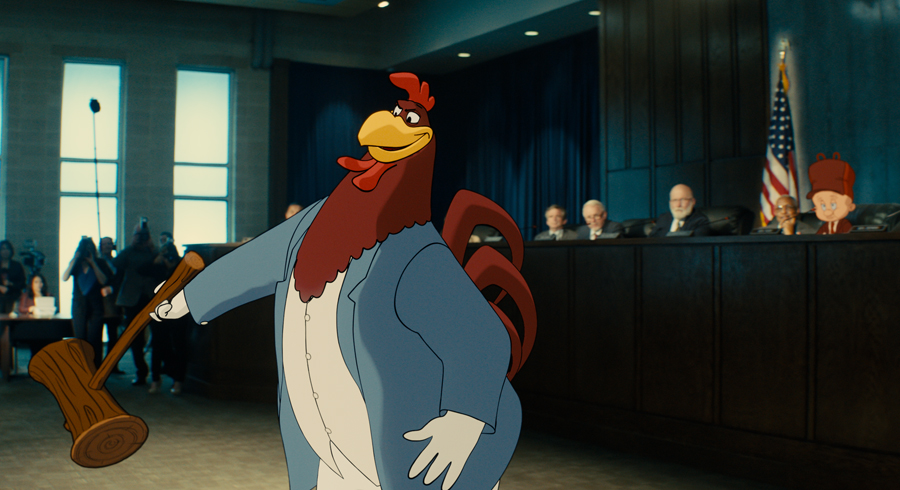
The success of Coyote vs. Acme may well influence how studios approach hybrid projects in the future. By proving that audiences respond to the "handcrafted" aesthetic and that the 2D visual language can be successfully translated into 3D, DNEG has set a new benchmark. The film proves that technology should not be used to replace the artistic "boil" of traditional animation, but rather to amplify it.
As the industry continues to evolve, the legacy of Coyote vs. Acme will likely be remembered not just for the corporate saga that surrounded it, but for the moment when a team of animators decided to ignore the limits of CGI and, instead, chase the ghost of Chuck Jones. In doing so, they didn’t just animate a cartoon—they animated a miracle.
