
The Rise of the Playbill: Pantaloon’s Human-Centric Challenge to Indie Game Curation
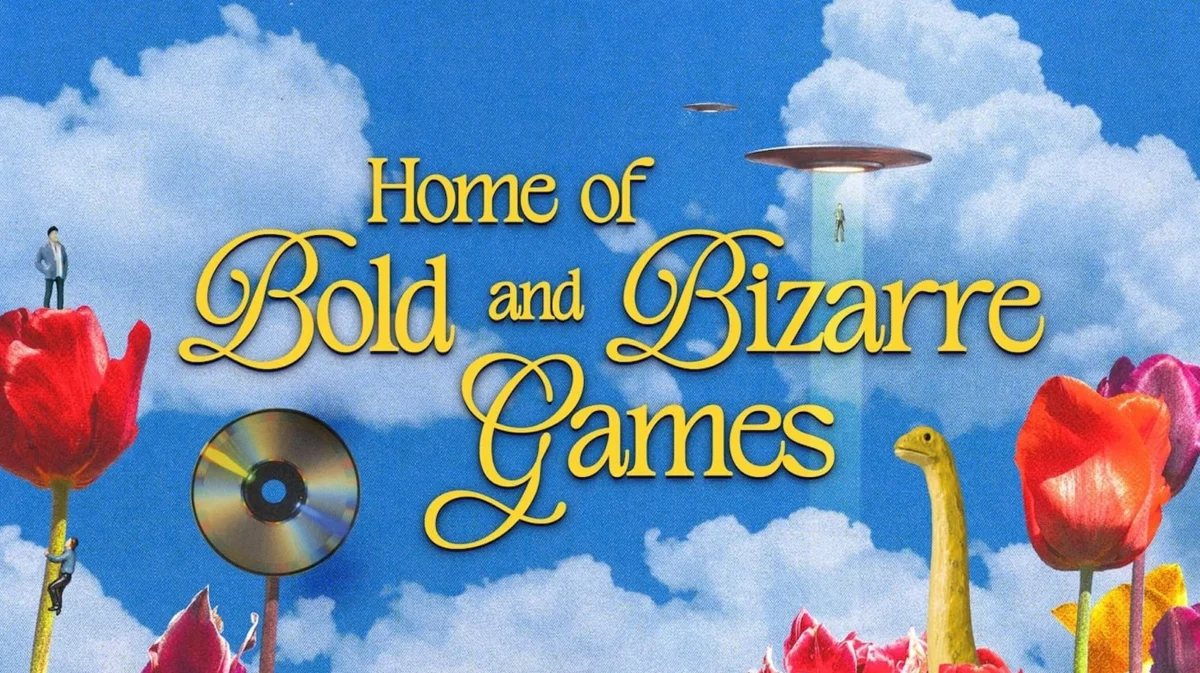
In an era defined by algorithmic discovery, massive corporate subscription services, and the encroaching shadow of generative AI, a new player has emerged to offer a radically different proposition. Pantaloon, a publisher that built its reputation through a cult-favorite newsletter and an ingenious puzzle-based distribution model, has officially launched "The Playbill."
The Playbill is a subscription service that markets itself not as a bottomless content well, but as a curated gallery of the "bold and bizarre." By focusing on the experimental fringes of the independent game scene, Pantaloon is positioning itself as the antithesis of the hyper-optimized, algorithm-driven storefronts that currently dominate the PC gaming landscape.
The Core Proposition: A Sanctuary for the Eccentric
At its heart, The Playbill is an attempt to solve the "discoverability crisis" that plagues modern indie developers. With thousands of games launching on platforms like Steam every month, many unique, experimental titles are buried by recommendation engines that favor established genres and safe, mass-market appeal.
Pantaloon’s founder, Jamin Smith, envisions the platform as a digital space for the weird, the unconventional, and the daring. The launch library is a testament to this philosophy. It includes titles such as the high-stakes Buckshot Roulette, the atmospheric Silt, the unsettling Cabin Factory, and the rhythm-focused Offbeat.
The service is divided into two distinct experiences. The primary library offers a rotating selection of high-quality indie titles, while the "Green Room" provides users with access to demos, early-stage playtests, and "abandoned prototypes." This transparency—allowing players to peek behind the curtain at works-in-progress like Isle Goblin or Lemonade Apocalypse—is a deliberate move to foster a deeper connection between creators and their audience.
Chronology: From Newsletter Puzzles to Full-Scale Publishing
To understand why The Playbill feels so distinct, one must look at the trajectory of Pantaloon itself. The company did not begin as a traditional publisher; it began as an audience.
Pantaloon cut its teeth by building a community of over 50,000 newsletter subscribers. Rather than simply selling keys in a transactional manner, they turned distribution into a game. Subscribers were invited to solve complex puzzles, with successful completion rewarded by access to game keys. This gamified approach to retail established a loyal, highly engaged community that valued the act of discovery as much as the games themselves.
Having cultivated this base, the transition to publishing was a natural evolution. By moving into the subscription space, Pantaloon is essentially scaling the "curator" model. The Playbill isn’t just a list of games; it is a manifestation of the brand’s history of rewarding curiosity. It bridges the gap between the chaotic, often frustrating experience of hunting for indie gems and the streamlined convenience of modern subscription models like Xbox Game Pass.
Supporting Data and Financial Models
Pantaloon has opted for a tiered structure designed to balance accessibility with long-term sustainability. The "Primo" subscription is priced at $5 per month or $60 annually.
The mechanics of the service reveal a careful attempt to manage the economics of indie publishing. Because the service relies on a key-based system, the library is not static; titles cycle in and out based on key availability.
For the annual subscriber, the value proposition is straightforward: full access to the current 13-game library and all future additions. Monthly subscribers, however, face a different set of rules. They are guaranteed one specific, partner-defined game per month. To prevent "hit-and-run" subscriptions—where users join for a month to drain the library and then cancel—Pantaloon has implemented a six-month threshold. Only after maintaining a subscription for half a year does the user unlock the full, cumulative catalog of titles.
This structure suggests that Pantaloon is playing a long game, prioritizing the stability of its developer partners and the health of the community over the explosive, ephemeral growth often sought by venture-backed startups.
Official Stances and the "No-AI" Mandate
Perhaps the most defining characteristic of The Playbill is its rigid stance on technology. In an official statement, Jamin Smith made it clear that the platform will not host, support, or platform any games that utilize generative AI.
"The Playbill is a celebration of the craft of making games," Smith stated. This policy is more than just a marketing talking point; it is a fundamental value proposition for an audience increasingly concerned about the homogenization of creative media. By positioning the platform as an "AI-free zone," Pantaloon is effectively branding itself as a sanctuary for human-led, labor-intensive creative work.
This stance is likely to resonate strongly with the indie development community, where concerns about AI-generated assets devaluing the work of artists, writers, and musicians are at an all-time high. It serves as a clear differentiator from larger platforms that have yet to establish or enforce meaningful guardrails against the flood of AI-generated content.
Implications: The Future of Curated Distribution
The launch of The Playbill signals a shift in how smaller developers and publishers are approaching the market. For years, the industry has been obsessed with "scale"—the idea that success is measured by the number of users and the volume of content. Pantaloon is betting on the opposite: that the future of indie games lies in curation, community, and the deliberate restriction of content to maintain a high "quality-of-weirdness" ratio.
The Impact on Discovery
By circumventing the "Steam algorithm," Pantaloon is essentially creating a curated "walled garden" that actually helps developers. When a game is included in The Playbill, it is highlighted as a piece of art worth exploring, rather than a line item in a massive, overwhelming store database. This could set a precedent for other small publishers to bundle their titles into community-driven subscription services rather than fighting for visibility on global storefronts.
The "Bespoke" Publishing Model
The success of the service will depend on its ability to maintain high-quality partnerships. By treating the monthly games as "bespoke" offerings, Pantaloon is treating game distribution as an editorial process. This mimics the subscription box models seen in other creative industries, such as independent literature or vinyl records, where the curator’s taste is the primary value-add.
Ethical Consumerism in Gaming
Pantaloon’s decision to remain an AI-free platform taps into the growing movement of ethical consumerism in digital media. As players become more discerning about the origins of the media they consume, platforms that can guarantee human-authored, artisan-crafted experiences may find themselves with a significant competitive advantage among a dedicated, loyal demographic.
Conclusion
The Playbill is not designed to replace the massive subscription giants, and it likely never will. That is not the point. By focusing on a "bold and bizarre" aesthetic, maintaining a human-only creative mandate, and leveraging a gamified distribution history, Pantaloon has carved out a distinct identity in a crowded market.
For the player who is tired of the endless, algorithmically-curated churn, The Playbill offers a refreshing alternative: a place where the games are strange, the curators have taste, and the human hand remains visible in every pixel. Whether or not this model can scale remains to be seen, but for the indie scene, it is a welcome experiment in how we value, find, and support the games that dare to be different.
