
A Legacy Unearthed: Inside the Making of ‘Once Upon A Time in Harlem’
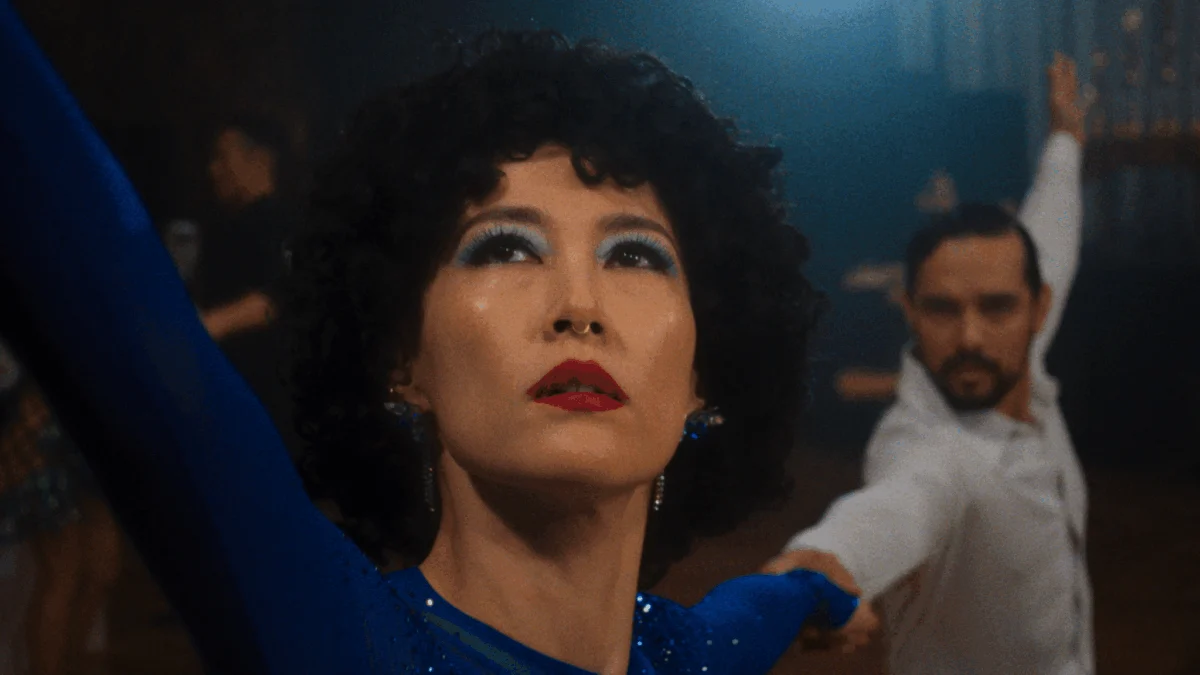
The Sundance Film Festival has long served as a hallowed ground for independent cinema, a place where the pulse of culture is measured through the lens of visionary storytellers. As the 2026 festival approaches, one of the most anticipated entries in the Premieres section is Once Upon A Time in Harlem, a documentary that feels less like a film and more like a time capsule opened after fifty years of dormancy. Directed by David Greaves and the late, legendary filmmaker William Greaves, the project offers an intimate, fly-on-the-wall perspective of the architects of the Harlem Renaissance—the luminaries who defined a generation and shaped the trajectory of Black identity in America.
The Genesis of an Irresistible Invitation
The film opens with a deliberate, atmospheric invitation. As Duke Ellington’s soulful, melancholic composition "Black Beauty" fills the soundscape, a title card appears, beckoning the audience: “You are invited to a cocktail party at the home of Duke Ellington. It will be a gathering of artists and intellectuals — the living luminaries of the Harlem Renaissance. I hope you will join me for this special afternoon. Yours truly, William Greaves.”
This was not a scripted reenactment, but a genuine archival treasure. In 1972, William Greaves, a pioneer whose career spanned five decades of barrier-breaking nonfiction cinema, orchestrated an afternoon gathering in the apartment of the legendary Duke Ellington. His son, David Greaves, was behind the camera, capturing the unscripted, revelrous, and profoundly intellectual exchanges of poets, musicians, critics, and photographers who formed the backbone of a cultural movement. The resulting footage, having sat in archives for decades, now serves as the foundation for a documentary that bridges the gap between the past and the present.
Chronology of a Visionary: The Life and Work of William Greaves
To understand the significance of Once Upon A Time in Harlem, one must understand the man who initiated it. William Greaves was far more than a documentarian; he was a truth-teller who used the camera to dismantle the pervasive stereotypes of Black life in the mid-20th century.
- 1968: Greaves receives critical acclaim and an Emmy nomination for Still a Brother: Inside the Negro Middle Class, a film that challenged mainstream American perceptions of Black socioeconomic status.
- 1972: The year of the Harlem gathering. Greaves recognizes the historic importance of these figures and captures their conversations, creating an invaluable, if unseen, historical record.
- 1980: Greaves is inducted into the Black Filmmakers Hall of Fame, cementing his status as a titan of the craft.
- 1985: He joins the Sundance Institute Directors Lab to develop The Sweet Flypaper of Life, marking the beginning of a long and fruitful relationship with the festival.
- 1992: The premiere of Symbiopsychotaxiplasm: Take One at Sundance. This boundary-pushing, experimental work cemented his reputation as an avant-garde master.
- 2001–2005: Greaves returns to Sundance with Ralph Bunche: An American Odyssey (2001) and Symbiopsychotaxiplasm: Take 2½ (2005).
The elder Greaves passed away more than a decade ago, but his son David has taken up the mantle, ensuring that his father’s "artistic well" does not run dry. By completing Once Upon A Time in Harlem, David is not merely editing footage; he is fulfilling a paternal promise to share the essence of the Harlem Renaissance with a new, digital-age audience.
Contextualizing the Harlem Renaissance
The Harlem Renaissance was not merely an artistic period; it was a sociopolitical awakening. It was a time when African American writers, artists, and thinkers asserted their humanity and intellectual prowess in the face of systemic oppression.
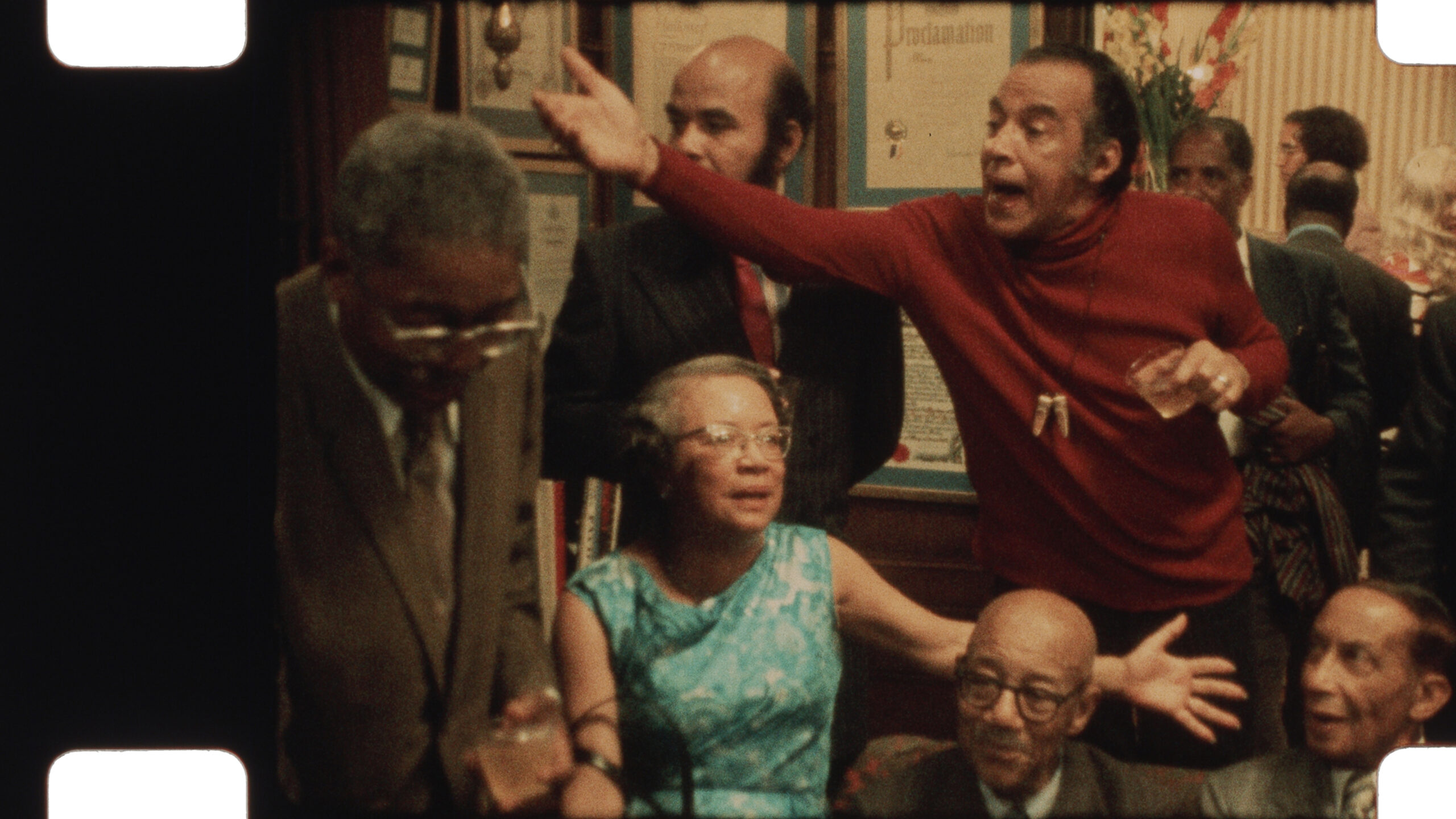
In the documentary, the viewer is transported into a space where these giants are stripped of their public personas. We see them not as historical icons in a textbook, but as human beings—mingling, reminiscing, and debating the future of their culture. For the contemporary viewer, this is a rare window into the "creative epicenter" that William Greaves believed was essential to understanding the African American experience after 400 years of enslavement.
Insights from the Director: An Interview with David Greaves
In an exclusive discussion regarding the film’s significance, David Greaves reflected on the necessity of this project in the current cultural climate.
On the Urgency of the Story:
"At a time when Black history is being officially erased wherever possible," David notes, "it is important that the story of the Harlem Renaissance be told by the people who lived it." He views the film as a bulwark against historical amnesia, a way to ensure that the voices of the past remain audible in the cacophony of modern discourse.
On the Philosophy of Filmmaking:
When asked about what he hopes his film achieves, David emphasizes the "nature and complexity of creativity." He cites his father’s own words, written four decades after the footage was shot: "I see this film as an exploration and an appreciation of African American culture and the role the artist plays in creating that culture and defining who we are as a people."
On the Craft of Truth:
David’s advice to aspiring documentarians is as poetic as it is practical: "The camera loves truth. Let the story unfold as it was meant to, and you’ll be fine." This philosophy aligns perfectly with the cinéma vérité style his father mastered—a style that favors the raw, unvarnished moment over the polished, artificial narrative.
Implications for Modern Documentary Filmmaking
Once Upon A Time in Harlem serves as a poignant reminder of the power of the documentary medium. In an era where digital content is often ephemeral and disposable, Greaves’ work reminds us that a film can act as a "time capsule."
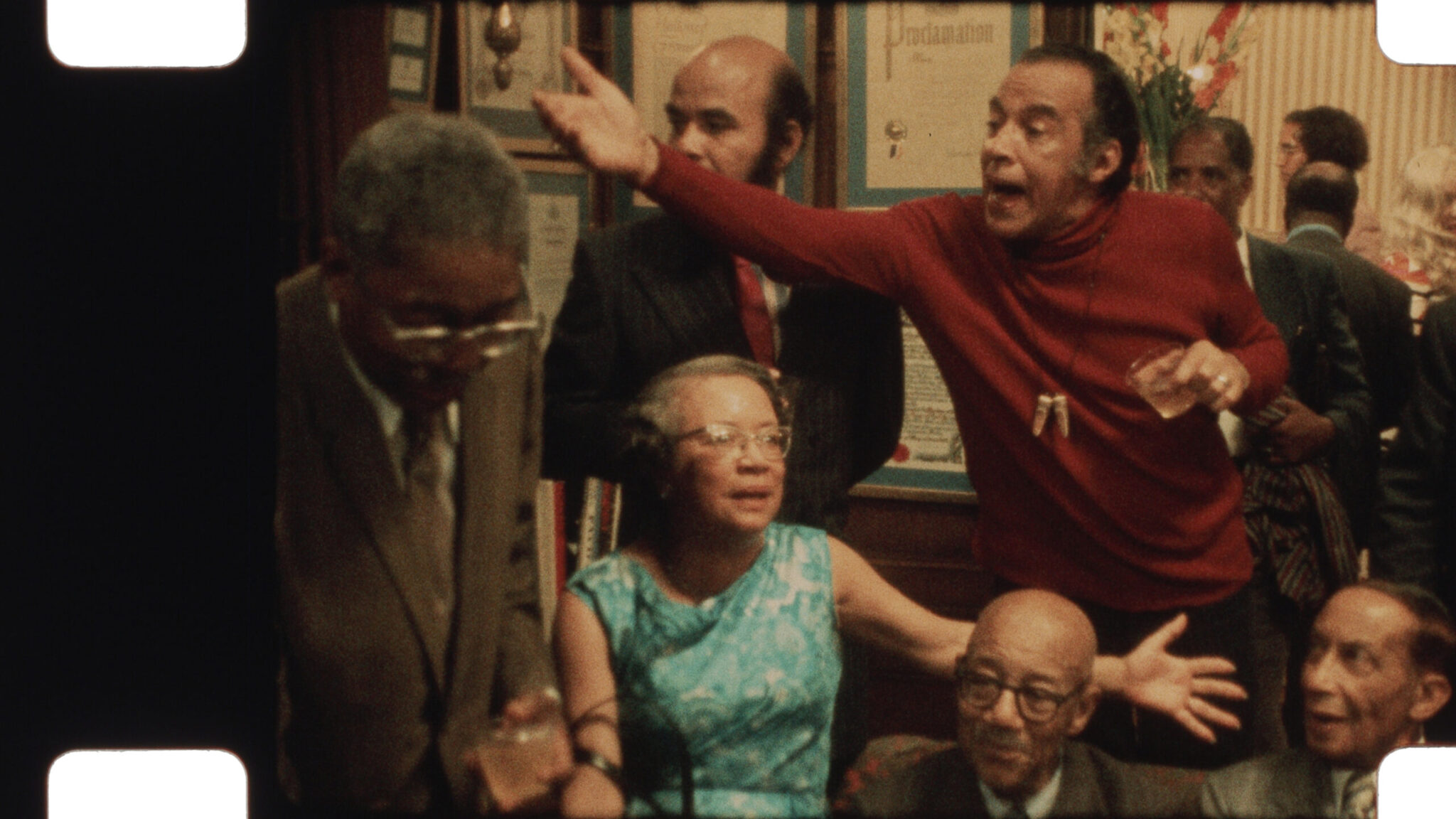
By treating the camera as an instrument of history rather than just a tool for entertainment, the Greaves family has provided a masterclass in stewardship. The film challenges current filmmakers to look at their own subjects not just as characters in a plot, but as vessels for time and culture. It suggests that the role of the filmmaker is that of an observer who allows the truth to surface, rather than an author who forces a narrative onto the subjects.
The Future of Independent Storytelling
As the Sundance Film Festival 2026 gears up, Once Upon A Time in Harlem stands as a centerpiece for discussions on heritage, preservation, and the evolution of the Black voice in cinema. The film’s inclusion in the Premieres section is a testament to the enduring relevance of William Greaves’ vision and the skill of David Greaves in translating that vision for a contemporary audience.
In a landscape where the "bright future of independent filmmaking" is often discussed in terms of new technologies and AI-assisted workflows, this documentary anchors us in the human element. It reminds us that at the heart of every great film is a story waiting to be told—a story that, if captured with integrity and patience, can echo through the ages, providing identity and inspiration to those who come after.
Ultimately, Once Upon A Time in Harlem is more than a film; it is an invitation. It invites us to sit at the table with the architects of a movement, to listen to the cadence of their voices, and to understand that our history is not a static thing, but a living, breathing process of creation. As David Greaves suggests, when we look at these figures, we are looking at the architects of our own cultural identity. And thanks to his work, that conversation continues.
