
The Physics of Spin-offs: Ranking the ‘Big Bang Theory’ Universe
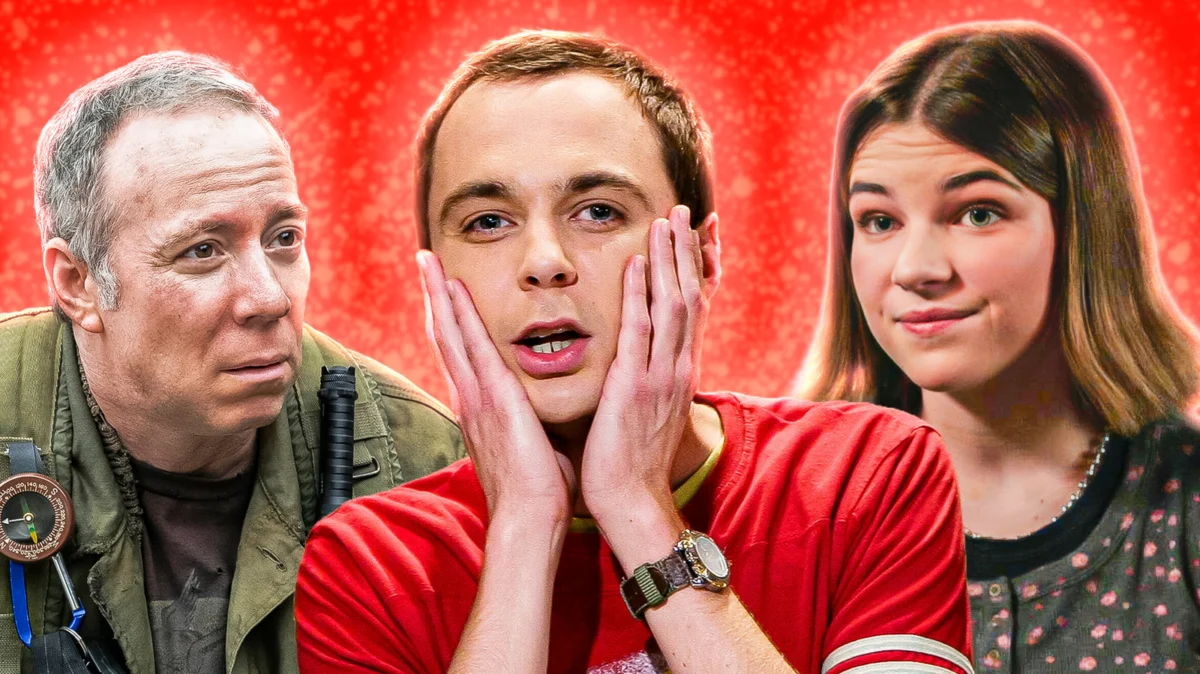
Since its humble beginnings in 2007, Chuck Lorre and Bill Prady’s The Big Bang Theory evolved from a quirky CBS sitcom about socially awkward physicists into a cultural phenomenon that defined a decade of television. Even five years after the original series concluded its record-breaking 12-season run in 2019, the franchise remains a juggernaut in the streaming era, finding a permanent home on platforms like Max and Netflix.
However, as with any massive intellectual property, the expansion of the Big Bang universe into spin-offs has produced mixed results. From the heartfelt growth of a child genius to experimental multiversal adventures and domestic dramedies, the quality of these shows has varied significantly. Below, we examine the four entries in this expanding television ecosystem, ranking them from the most disappointing to the undisputed gold standard.
1. The Original Benchmark: The Big Bang Theory (2007–2019)
It is a rare feat for a series to sustain momentum for 279 episodes, but The Big Bang Theory remains the definitive entry in the franchise. The show’s premise—the collision of Caltech physicists Sheldon Cooper and Leonard Hofstadter with their aspiring actress neighbor, Penny—was a simple, effective engine for comedy.
The Chemistry Factor
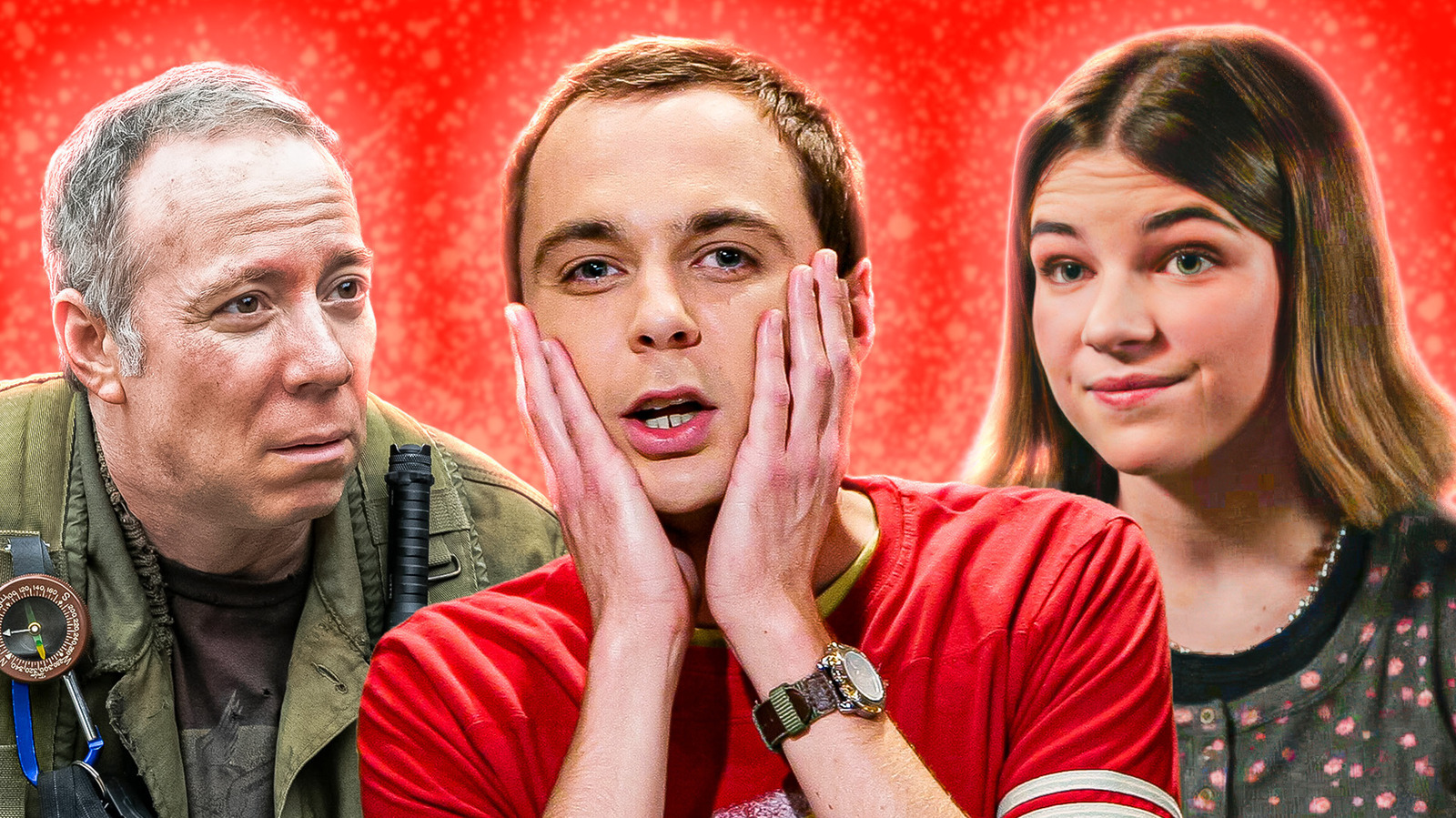
The secret to the show’s longevity was its ensemble. While the initial seasons relied heavily on "nerd tropes," the series matured by adding powerhouse performers like Mayim Bialik (Amy Farrah Fowler) and Melissa Rauch (Bernadette Rostenkowski). The chemistry between the cast members became the show’s greatest asset. Even when the writing leaned into repetitive gags, the genuine rapport between Johnny Galecki, Jim Parsons, and Kaley Cuoco kept audiences tethered to the characters’ personal milestones.
Cultural Legacy
Despite criticisms regarding its portrayal of "geek culture," The Big Bang Theory ultimately humanized its protagonists, turning them into household names. Penny, in particular, underwent one of the most satisfying character arcs in sitcom history, evolving from a caricature of a "bubbly neighbor" into a self-assured, successful career woman. For better or worse, the original series remains the gold standard against which all subsequent efforts are measured.
2. The Prequel Success: Young Sheldon (2017–2024)
Few spin-offs successfully pivot in tone while maintaining the spirit of the parent show, but Young Sheldon managed to carve out its own identity. By shifting from the traditional multi-camera setup with a laugh track to a single-camera, cinematic style, the show allowed for a more grounded, emotional exploration of the Cooper family.
A Different Kind of Intelligence
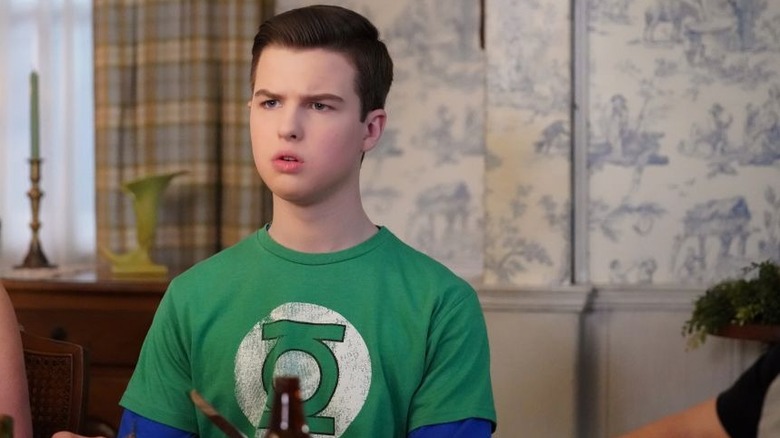
Iain Armitage’s portrayal of the young Sheldon Cooper captured the idiosyncrasies of the character without simply mimicking Jim Parsons. The series provided a necessary backstory for Sheldon’s development, but it truly excelled when focusing on the family dynamic—specifically the relationship between the pragmatic Mary Cooper (Zoe Perry) and the salt-of-the-earth father, George Cooper Sr. (Lance Barber).
The Emotional Weight
Unlike its predecessor, Young Sheldon was not afraid of genuine tragedy. The narrative arc surrounding George Sr.’s death—an event established as inevitable by the original series—was handled with a level of gravity that caught many viewers off guard. It transformed the sitcom into a poignant drama about the nature of family, making it the most well-rounded spin-off to date.
3. The Experimental Misfire: Stuart Fails to Save the Universe
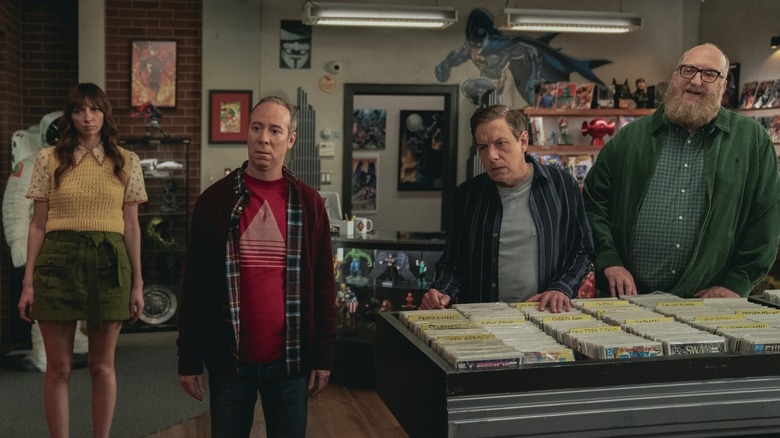
When it was announced that Kevin Sussman’s fan-favorite character, Stuart Bloom, would lead his own series on Max, expectations were high. The shift to a streaming platform suggested a departure from the restrictive nature of network television, hinting at a more creative, perhaps surreal, narrative.
The Failure of Scope
The premise—Stuart finding himself embroiled in a multiversal conflict—was an ambitious departure from the grounded nature of the Big Bang universe. While the return of beloved side characters like Denise (Lauren Lapkus), Barry Kripke (John Ross Bowie), and Bert Kibbler (Brian Posehn) provided a dose of nostalgia, the execution felt disjointed.
Why It Stumbled
The primary issue was structural. A show built entirely around secondary and tertiary characters requires a narrative anchor that Stuart Fails to Save the Universe lacked. The constant multiversal "zigs and zags" proved more exhausting than engaging, leaving viewers yearning for the character-driven banter of the original show rather than the high-concept sci-fi antics of the spin-off. While the series has been confirmed for a second season, it currently stands as a cautionary tale about the perils of over-expanding a comedic universe.
4. The Domestic Slog: Georgie & Mandy’s First Marriage (2024–Present)
At the bottom of the list is Georgie & Mandy’s First Marriage, a series that feels like a vestigial limb of the Young Sheldon success story. As a spin-off of a spin-off, the show struggles to justify its own existence, serving as a bleak, often mean-spirited look at young parenthood that lacks the warmth of its predecessors.
The Creative Crisis
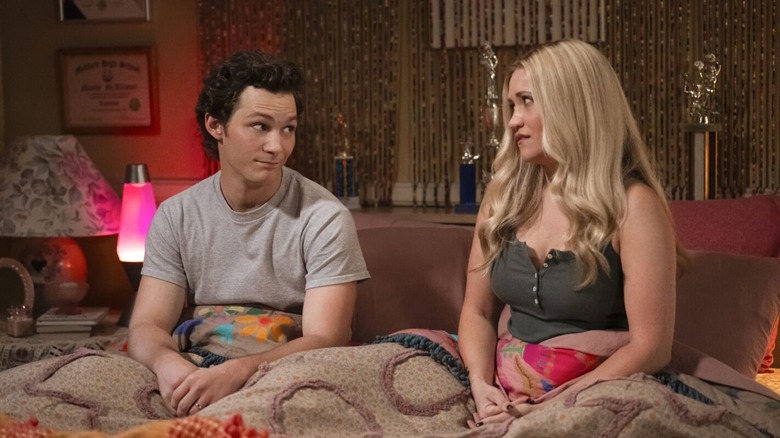
The series centers on Georgie Cooper (Montana Jordan) and Mandy McAllister (Emily Osment) navigating their new life while living with Mandy’s parents. The inclusion of Will Sasso and Rachel Bay Jones as the in-laws should have been a comedic goldmine, yet the writing feels anchored in dated tropes.
The Problem with the Laugh Track
Perhaps the most egregious element is the decision to return to a traditional multi-camera setup with a laugh track. In an era of television where audiences have become accustomed to the more nuanced, single-camera style of Young Sheldon, the forced laughter of Georgie & Mandy feels jarring and archaic. The characters lack depth, the pacing is labored, and the show feels less like a narrative expansion and more like a cynical attempt to keep the Big Bang machine churning. Despite its strong ratings, it represents the creative fatigue currently plaguing the franchise.
Implications for the Future of the Franchise
The disparity between these four shows highlights a critical lesson for network television: popularity is not synonymous with quality. The Big Bang Theory universe has become a test case for how to expand a brand in the streaming age.
Official Responses and Industry Reception
While CBS and Chuck Lorre Productions maintain that the ratings for Georgie & Mandy’s First Marriage justify its production, critics have been less kind. The industry at large is watching closely to see if the franchise can recover from the creative stagnation of its latest entry. The shift from network-dictated formats to streaming-led experimentation has provided a wider array of options, yet it has also revealed that the heart of the franchise lies in the specific, intimate relationships between characters—not the gimmicks surrounding them.
Looking Ahead
The legacy of The Big Bang Theory is firmly cemented, but its future remains uncertain. For a franchise that once commanded the eyes of millions, the path forward requires a return to the fundamentals that made the original show work: compelling character development, genuine chemistry, and a willingness to evolve beyond the constraints of the "nerd sitcom" label. Whether the universe continues to expand with more spin-offs or eventually recedes into the archives of television history, these four shows remain a fascinating snapshot of how one series can alter the landscape of the medium.
