
Beyond the Puppet: Why ‘Wildwood’ Director Travis Knight Is Embracing a Mature Vision for Laika’s Latest Epic
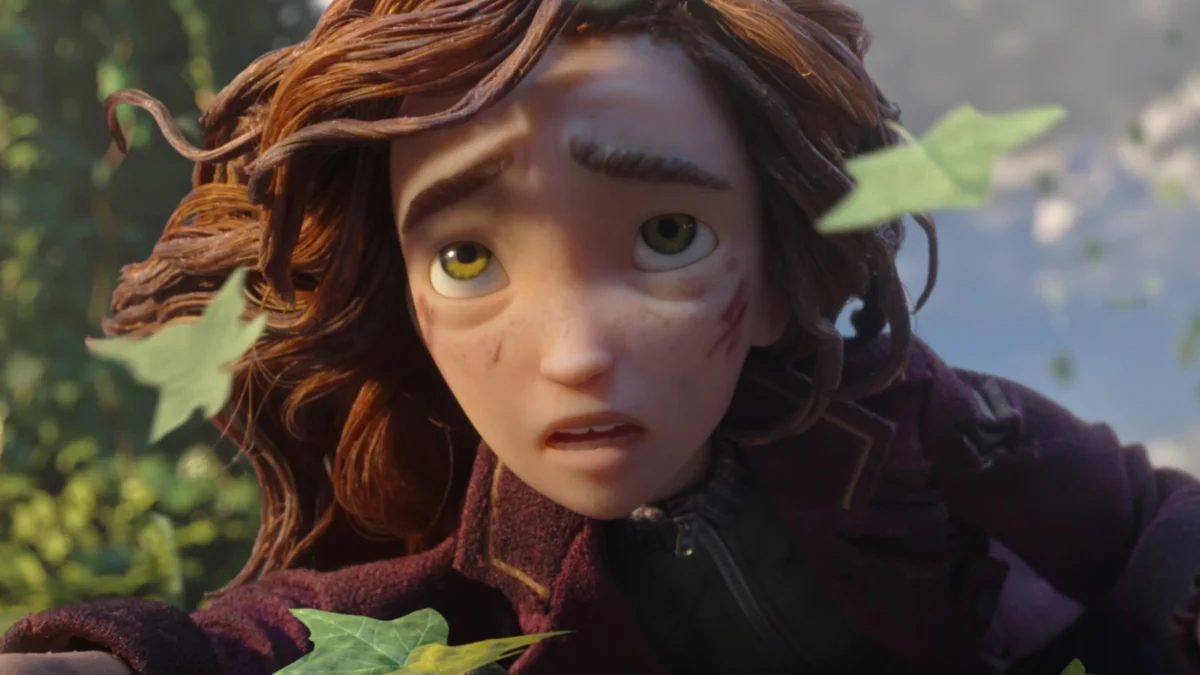
In the meticulous, frame-by-frame world of stop-motion animation, Laika Studios has long stood as the gold standard for blending technical wizardry with emotionally resonant storytelling. With the release of their latest fantasy epic, Wildwood, directed by Laika CEO Travis Knight, the studio is pushing boundaries once again. However, this time, the conversation isn’t just about the breathtaking animation—it’s about the grit.
Wildwood marks a historic milestone for the studio: it is the first Laika production to receive a PG-13 rating. The Motion Picture Association (MPA) cited "strong fantasy violence, bloody images, thematic material, and suicide-related content" as the primary drivers behind the classification. For a studio traditionally associated with the slightly eerie, family-friendly atmosphere of Coraline or ParaNorman, this shift has sparked a wider conversation about the responsibility of storytelling and the necessity of portraying conflict with honesty.
The Evolution of the Laika Aesthetic
To understand the gravity of Wildwood, one must look at the lineage of Laika’s filmography. Since its inception, the studio has been defined by a distinct "dark whimsy." From the button-eyed nightmares of Coraline to the gothic, suburban hauntings of ParaNorman, Laika has never shied away from challenging younger audiences.
However, Wildwood represents a structural evolution. Heavily inspired by the grand-scale cinematic warfare seen in Peter Jackson’s The Lord of the Rings trilogy, Knight has crafted a film that demands to be taken seriously as a war epic. During the film’s climactic final battle, the viewer is not merely watching puppets move; they are witnessing a complex choreography of loss, strategy, and consequence. Knight employs a sophisticated editing style that balances the "macro" scale of massive armies with the "micro" emotional stakes of individual combatants, ensuring that every clash feels earned and every strike carries weight.
Chronology of a Creative Choice
The path to Wildwood becoming a PG-13 film was not a result of studio mandates or executive interference, but rather a byproduct of the narrative’s inherent demands.

- Early Development: When adapting the source material, the creative team determined that to honor the gravity of the story, they could not sanitize the realities of the fantasy world’s conflicts.
- Production Phase: Throughout the grueling years of stop-motion production, the team focused on the psychological toll of the narrative. Even as the visual scope expanded, the focus remained on the character arcs.
- The Rating Process: Upon submitting the final cut to the MPA, the rating board returned with a PG-13 classification. While some studios might have entered a cycle of re-edits to secure a broader PG rating, Knight and his team held firm.
- The Release: Following its theatrical premiere, the discussion surrounding the film’s "intensity" became a focal point for critics and parents alike, leading to a public defense of the film’s tonal integrity by its director.
The Philosophy of "Earned" Violence
In an exclusive interview, Travis Knight clarified that the decision to include "bloody images" and "strong fantasy violence" was never about shock value or "fetishizing" combat. Instead, it was about transparency regarding the cost of war.
"There is violence in the movie, and there are battles in the movie, and there’s war in the movie, and the intention was to show the cost of these things," Knight explained. "The intention was not to try to fetishize violence. The intention was to actually show that violence is terrible and violence is traumatic. And if that’s part of the story that you’re telling, you have to show it."
This philosophy is most visible in a pivotal, spoiler-heavy scene where a character commits an act of violence. Rather than focusing on the mechanics of the act, the camera lingers on the character’s body language and facial micro-expressions. The audience sees the exact moment the character’s soul is fractured by their own actions. It is a moment of profound psychological weight that elevates Wildwood from a standard fantasy adventure to a character study on the lingering trauma of conflict.
Supporting Data: Why PG-13 Matters for Animation
The industry standard for animated films has historically been a PG rating, which is often viewed as the "sweet spot" for box office success. By moving to PG-13, Wildwood theoretically limits its reach among the youngest demographic. However, industry analysts suggest that this "maturation" of animation is a growing trend.
Studies into audience demographics for animated features show that the average viewer is no longer just a child, but a "family unit" that includes teenagers and adults. By adhering to a PG-13 rating, Laika is signaling that they are not making "cartoons" in the traditional sense; they are making cinema that respects the maturity of their audience. This move aligns with the success of mature-themed animated works that have proven that audiences are hungry for stories that don’t shy away from complex, life-affirming, yet dark themes.
The Director’s Stance: No Watering Down
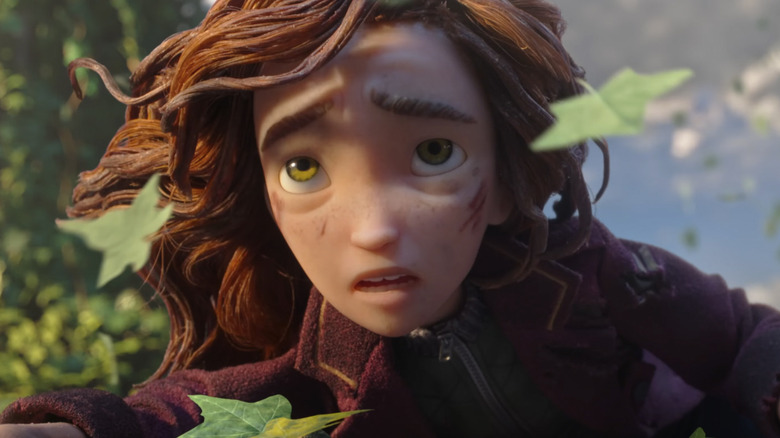
Knight’s commitment to his vision was absolute. When asked if there was ever a consideration to trim scenes to secure a lighter rating, he noted that the physical realities of stop-motion animation make last-minute changes nearly impossible—but more importantly, they were unnecessary.
"In my mind, there was never a version where we were going to water this movie down in any way because I wanted us to tell this story sincerely," Knight remarked. His argument rests on the idea that "light and joy" are only truly meaningful when they are contrasted against the dark, harsh realities of the world. By refusing to compromise on the intensity of the film, Knight believes he has provided a more honest, "life-affirming" experience for the audience.
Implications for the Future of Animation
The release of Wildwood acts as a watershed moment for the medium. If the film performs well, it may embolden other studios to treat their animated projects with the same narrative freedom.
- Creative Autonomy: Directors in the animation space may feel empowered to pursue darker or more intense themes without fear of being forced into a PG box.
- Parental Engagement: The rating acts as a guide rather than a barrier. It encourages parents to engage with the material alongside their children, fostering discussions about the consequences of violence and the complexity of the human—or in this case, puppet—condition.
- Artistic Legitimacy: By treating the "strong fantasy violence" as a necessary component of the narrative, Laika is further cementing the idea that animation is a medium, not a genre. It is capable of hosting the same level of nuance and gravity found in live-action war dramas.
Conclusion: A Bold New Chapter
As Wildwood continues its theatrical run, the discourse surrounding its PG-13 rating serves as a testament to the film’s integrity. Travis Knight has successfully navigated the tightrope between fantasy escapism and the harsh, often uncomfortable truths of a world in conflict.
Ultimately, Wildwood proves that animation is not merely a tool for lighthearted entertainment. When placed in the hands of a director who respects the intelligence of his audience, it can be a profound, challenging, and deeply moving art form. By choosing to show the cost of war rather than hide it, Knight has created a film that is not just worth watching—it is worth feeling. In the dark, the light shines brightest, and Wildwood is proof that, sometimes, you have to go to the darkest places to find the most meaningful joy.
