
Reclaiming the Narrative: A Curated Journey Through Indigenous Cinema
Introduction: Shifting the Perspective
For years, the editorial team at Short of the Week (S/W) has marked Indigenous Peoples’ Day with curated lists, reviews, and thematic playlists. However, as the media landscape evolves, so too must the editorial process. Recognizing the limitations of external observation, the S/W team recently pivoted to a more collaborative, authentic approach: inviting an Indigenous voice to lead the conversation.
The result is a transformative collection of short films curated by Quechua and Aymara filmmaker Sisa Quispe. Meeting at the 2026 Ouray International Film Festival, where Quispe presented a compelling program of Andean shorts, S/W Managing Editor Rob Munday recognized that her expertise and profound passion for Indigenous storytelling offered a vital opportunity to elevate the discourse.
"After spending time with Sisa, it quickly became clear that her knowledge and passion for Indigenous filmmaking was something I wanted to share with our audience," Munday notes. "We asked her to put together a collection of films that move beyond the superficial, inviting her to define what these works mean—not just as entertainment, but as lived experience."
The Philosophy of Autonomy: Defining Identity on Indigenous Terms
At the heart of this curated collection is a challenge to the traditional, often romanticized, framing of Indigenous communities in cinema. Sisa Quispe’s curation is not a monolith; rather, it is a deliberate exploration of the diverse ways Indigenous identities are lived, negotiated, and defined.
"I wanted to bring together films that reflect the many ways our identities are lived, questioned, and defined on our own terms," Quispe explains. "Across different genres and communities, these films explore family, land, humor, belonging, and, above all, ownership—ownership of our stories, our identities, and our cultures."

By moving the authorship of these stories into the hands of Indigenous creators, the playlist serves as an act of reclamation. It rejects the historical trend of Indigenous people being viewed as static, historical subjects, and replaces it with a dynamic reality where the past and present coexist.
Chronology and Thematic Interplay: A Deep Dive into the Films
The films selected by Quispe are not merely a list; they are a conversation. They speak to one another across genres, bridging the gap between ancestral wisdom and the complexities of modern life.
The Quest for Self-Understanding
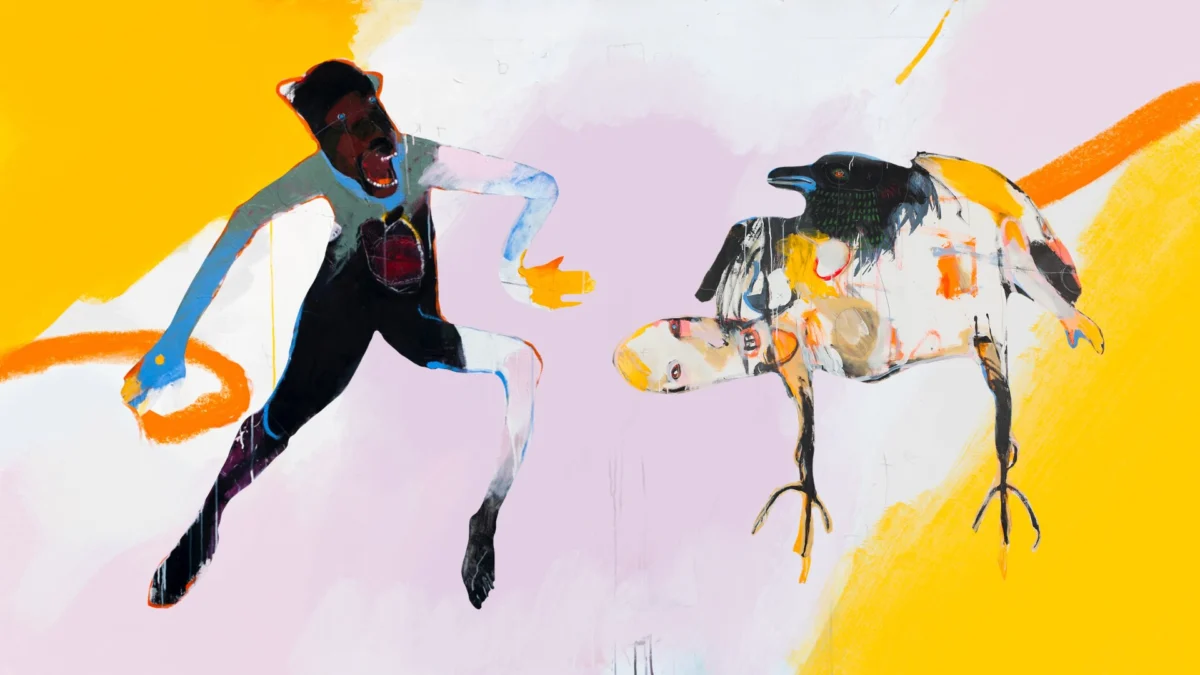
Films like Things You Know But Cannot Explain (dir. Michelle Hernandez and Chantal Jung) and Urpi: Her Last Wish (dir. Sisa Quispe) serve as bookends to the theme of identity reclamation. In Things You Know But Cannot Explain, the work of Wiyot artist Rick Bartow is animated through stop-motion, visualizing the awakening of an identity that had long been suppressed. Similarly, in Urpi: Her Last Wish, a Peruvian-American protagonist journeys to the Sacred Valley, finding that her cultural heritage is not a fixed relic but a living, breathing experience that evolves through human connection.
These films suggest that identity is a journey of healing—a deliberate choice to look past the definitions imposed by colonial structures and, instead, define oneself through one’s own lens.
Confronting Extractivism and Appropriation
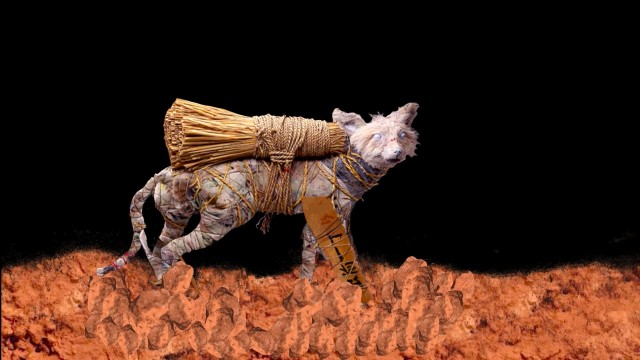
A significant portion of the collection tackles the darker reality of cultural consumption. Waska: The Forest Is My Family (dir. Nina Gualinga, Boloh Miranda, and Elizabeth Swanson) provides a sobering look at environmental destruction and the commodification of Indigenous knowledge. Through the eyes of Nina Gualinga of the Kichwa People of Sarayaku, the film questions the very foundations of the modern world’s relationship with the earth.
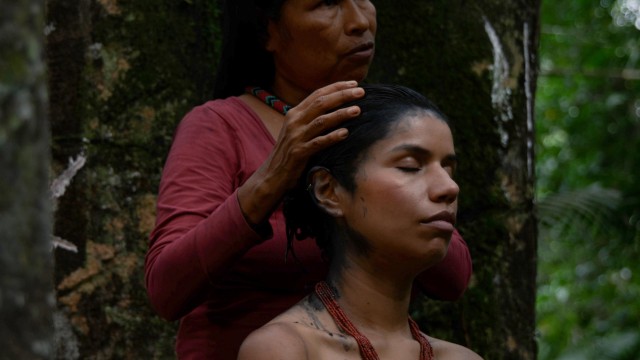
Contrasting this with a sharper, more biting critique, The Beguiling (dir. ishkwaazhe Shane McSauby) utilizes satire and comedy to dissect the fetishization of Indigenous culture. By exposing the absurdity of appropriation, McSauby’s work serves as a reminder that the "romanticization" of Indigenous people is, in itself, a form of erasure.
The Vitality of Joy and Contradiction
Perhaps the most crucial aspect of this playlist is its refusal to center trauma. As Quispe emphasizes, Indigenous life is defined as much by humor, playfulness, and family dynamics as it is by struggle.
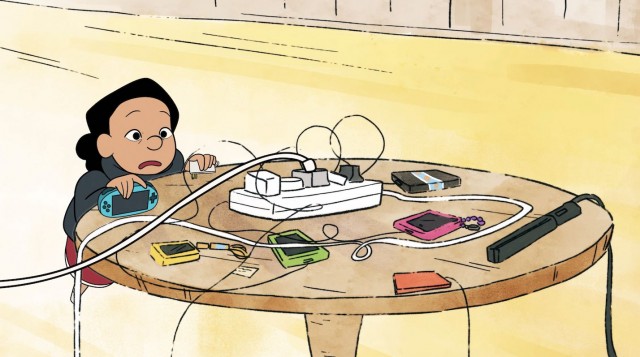
- Pow! (dir. Joey Clift): A lighthearted, relatable look at an Indigenous youth navigating a modern intertribal powwow while desperately trying to keep his video game console charged. It is a reminder that Indigenous youth are fully integrated into contemporary digital culture.
- Legend of Fry-Roti: Rise of the Dough (dir. Sabrina Saleha): This film highlights the beautiful, humorous duality of a Navajo/Bengali heritage, as the protagonist navigates a culinary clash between frybread and roti.
- I Am Home (dir. Kymon Greyhorse): This film poignantly argues for the modernity of the Indigenous experience. It posits that connection to the land and to ancestral traditions is not a barrier to being a contemporary person; rather, it is a foundation for it.
Supporting Data: The Impact of Community-Led Narratives
The necessity of such a collection is supported by the changing demographics of the film industry. According to recent industry reports on inclusive storytelling, films directed by Indigenous filmmakers see significantly higher engagement rates when they are marketed as "author-driven" rather than "issue-driven."
By shifting the focus from "trauma-porn"—the tendency for Western media to focus exclusively on the suffering of marginalized groups—to the multi-faceted reality of Indigenous life, filmmakers like those included in Quispe’s list are creating a new lexicon for global audiences. The data suggests that when audiences are exposed to these nuanced narratives, their understanding of cultural appropriation, land rights, and historical legacy increases, as these topics become contextualized within personal, relatable human stories rather than abstract political debates.
Implications: The Future of Indigenous Media
The implications of this shift are profound. By providing a platform for Indigenous filmmakers to act as curators, Short of the Week is modeling a new standard for media organizations.
1. Breaking the "One-Story" Myth
The primary implication of this playlist is the dismantling of the idea that there is only one "Indigenous story." Whether it is the documentary exploration of environmental justice or the satirical take on identity, the diversity of the films suggests a vibrant, growing, and incredibly varied cinematic movement.
2. The Role of the Institution as Ally
For media outlets and film festivals, the role is evolving from "gatekeeper" to "facilitator." As Rob Munday indicated, the goal was not to speak for the community, but to provide the resources for the community to speak for themselves. This collaborative model ensures that the editorial output is not only more accurate but also more impactful.
3. Sustainability and Leadership
Finally, the inclusion of Through the Storm (dir. Fritz Bitsoie and Charles Frank) underscores the importance of leadership. The film explores a struggling football program in Red Lake, illustrating how community resilience is built through the mentorship of younger generations. This mirrors the trajectory of the Indigenous film industry itself—as current creators like Sisa Quispe gain wider recognition, they, in turn, create a roadmap for the next generation of Indigenous storytellers.
Conclusion: A Call to Action
The curation provided by Sisa Quispe is an invitation to the viewer. It asks us to set aside our preconceived notions and engage with these stories with openness and intellectual honesty. It reminds us that Indigenous people are not subjects of history; they are the authors of the present and the future.
As we continue to observe Indigenous Peoples’ Day in the years to come, the standard set by this collection is clear: we must move beyond the act of marking a day and toward the act of active, inclusive, and empowered listening.
For those looking to engage further with this movement, the message is simple: support these creators, watch their films, and recognize that the most powerful stories are those told by the people who lived them.
For those interested in contributing their own perspectives or pitches to Short of the Week, the editorial team welcomes submissions at [email protected].
