
The Return of the Living Dead: Aftermath Set for Halloween 2026 Release
Main Facts
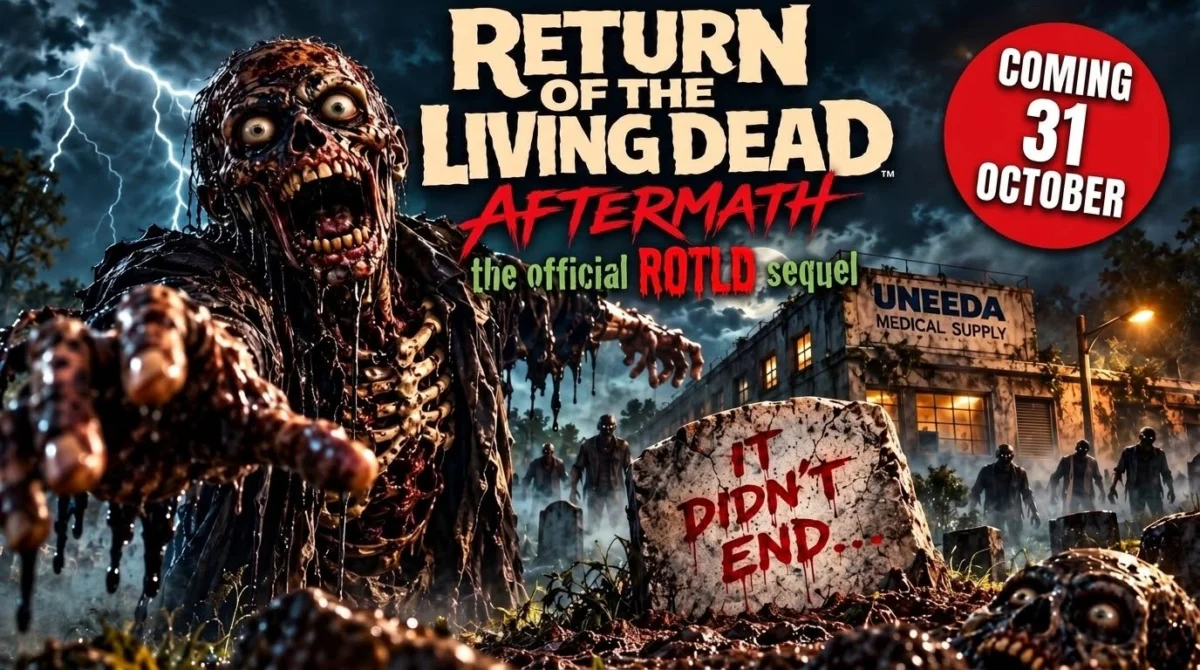
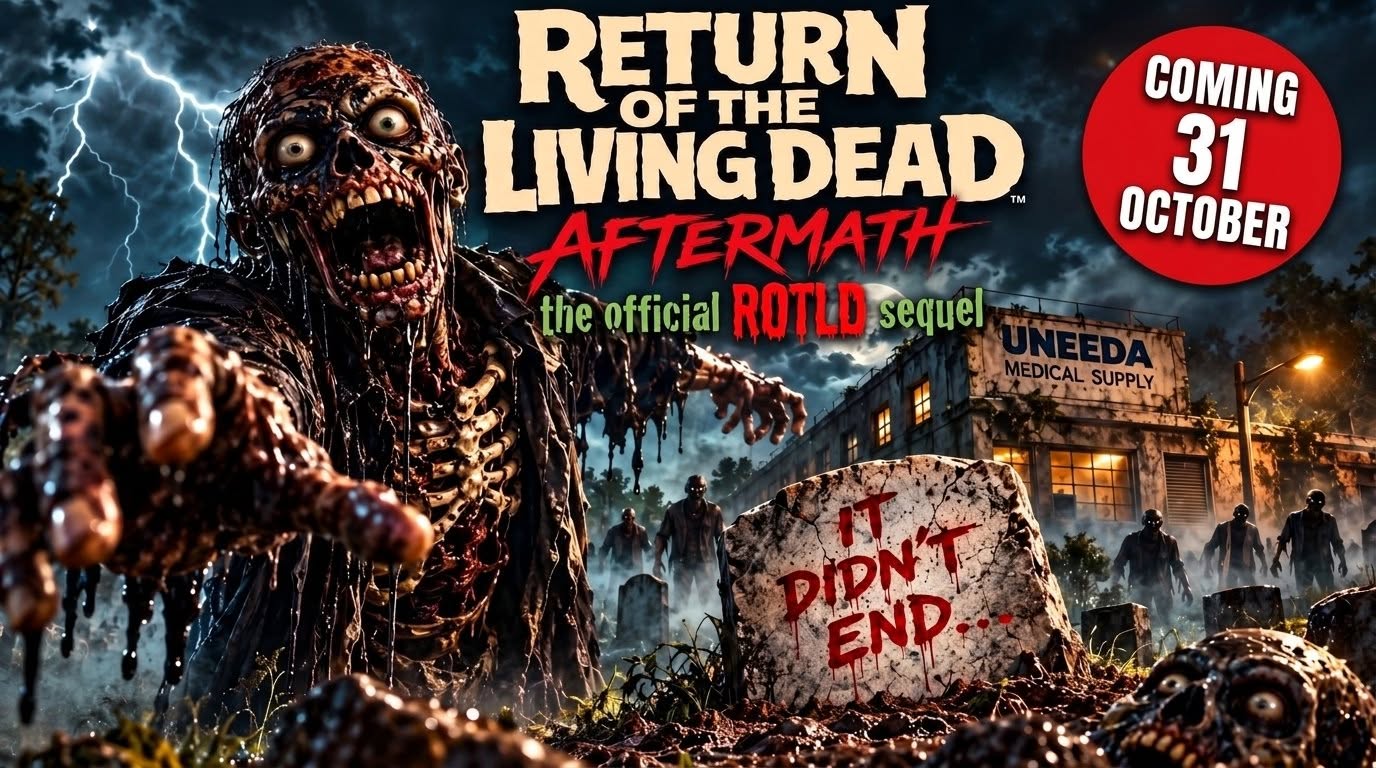
The landscape of cult horror cinema is poised for a monumental resurrection. Marketing Macabre, in partnership with premier independent digital distributor DragonFlix, has officially announced the upcoming release of Return of the Living Dead: Aftermath. Set to debut exclusively on streaming and digital platforms on October 31, 2026, this feature film acts as a direct continuation of the beloved 1985 punk-horror masterpiece, The Return of the Living Dead.
Far from a standard reboot or loose spiritual successor, Aftermath reunites the original creative forces and iconic cast members who helped define the zombie-comedy genre four decades ago. Billed as the ultimate Halloween release, the project is now officially available for pre-order at dragonflix.uk for a flat rate of $19.00.
What sets this release apart in an increasingly crowded digital marketplace is the sheer breadth of content packed into the pre-order package. Rather than simply offering a standard digital rental or purchase, DragonFlix and Marketing Macabre have curated a multi-dimensional collector’s edition. The package includes three distinct feature-length cuts of the film—tailored for traditional screens as well as immersive modern virtual reality (VR) headsets utilizing Full SBS 3D technology—alongside an extensive trove of exclusive bonus material. Fans will also receive deep-dive retrospectives, behind-the-scenes documentaries featuring the original cast, and the original PDF shooting script.
The film boasts a powerhouse ensemble of franchise favorites, bringing back legendary names such as Linnea Quigley, Beverly Randolph, Miquel Nunez, John Philbin, Don Calfa, Thom Mathews, and Drew Deighan. For horror enthusiasts who grew up watching Trioxin-tainted corpses stagger out of medical supply warehouses while demanding "brains," Aftermath promises to deliver the ultimate nostalgia trip combined with cutting-edge digital exhibition.
Chronology of a Cult Legacy and Production
To fully understand the weight of Return of the Living Dead: Aftermath, one must look back at the chaotic, brilliant history of the 1985 original directed by Dan O’Bannon. Unlike George A. Romero’s atmospheric and sociological Living Dead series, O’Bannon’s film injected an unapologetic punk-rock ethos, hyper-kinetic pacing, pitch-black humor, and an entirely new mythos into zombie lore. It introduced the world to the idea that zombies could run, talk, feel pain, and specifically crave human brains because the sensation of being eaten alive somehow dulled the excruciating agony of being dead.
Over the decades, the original film spawned several sequels of varying quality, but none managed to recapture the specific lightning-in-a-bottle chemistry, visual style, and counter-culture attitude of the 1985 classic. The demand for a true, direct continuation featuring the surviving original cast members remained a holy grail for horror fandom.
The development of Return of the Living Dead: Aftermath marks the culmination of years of passion, fan demand, and meticulous behind-the-scenes planning. While independent horror projects often struggle with resource allocation, the team behind Aftermath focused heavily on leveraging modern digital distribution platforms like DragonFlix to bypass traditional studio gatekeepers. By taking the project directly to the fans via targeted digital pre-orders, the filmmakers maintained absolute creative control.
The timeline leading up to the October 31, 2026 premiere has been carefully orchestrated by Marketing Macabre, a premier horror public relations firm known for bridging the gap between independent creators and fiercely loyal genre audiences. By rolling out the pre-order campaign well in advance, the production team has allowed enthusiasts to secure not just a movie, but a comprehensive digital archive celebrating the franchise’s enduring legacy. The release date itself—Halloween night—serves as a deliberate nod to the calendar setting of many classic horror milestones, cementing the event as a holiday destination for genre devotees.
Supporting Data and Package Breakdown
The $19.00 digital pre-order tier for Return of the Living Dead: Aftermath functions less like a conventional movie purchase and more like a definitive, interactive digital box set. In an industry-first presentation for the franchise, DragonFlix has engineered a multi-format release strategy designed to maximize terror across a variety of viewing environments.
The Three Feature Cut Formats
Recognizing the evolution of home entertainment and personal technology over the past decade, the producers decided against a one-size-fits-all approach. The pre-order package grants access to three distinct feature-length versions of the movie:
- The Standard Feature Cut: Optimized for traditional widescreen displays, televisions, monitors, and mobile devices, ensuring a cinematic experience for purists who prefer classic viewing setups.
- Alternative and Director-Driven Sequences: Integrated within the package are alternate viewing iterations that offer distinct pacing, extended scenes, and narrative tweaks designed to reward repeat viewings and superfans.
- Full SBS 3D Version for VR Headsets: In a major leap forward for independent horror distribution, the film has been formatted for modern virtual reality headsets utilizing Side-By-Side (SBS) 3D technology. This allows viewers to step directly inside the world of the film, placing them shoulder-to-shoulder with the cast in an immersive, depth-enhanced nightmare.
Definitive Collector’s Edition Bonus Material
Beyond the multi-format main feature, the comprehensive digital bundle is packed with archival treasures and modern retrospectives:
- Exclusive Documentaries: Deep-dive features exploring the production history of Aftermath, detailing the technical and creative hurdles of bringing the living dead back to the screen.
- Cast Retrospectives: Extensive sit-down interviews and casual conversations with the returning "ROTLD Originals." These segments capture the camaraderie, behind-the-scenes anecdotes, and emotional weight of the cast reuniting decades after filming the 1985 classic.
- Original PDF Script: A rare collector’s inclusion, allowing fans to analyze the raw text, deleted dialogue, and structural blueprints that guided the production of the sequel.
Official Responses and Industry Perspectives
The announcement of Return of the Living Dead: Aftermath has generated immense excitement across the independent film community, largely due to the collaborative vision shared by the distribution partners and the returning talent.
In an official statement released by DragonFlix, the platform emphasized its commitment to respecting franchise history while aggressively embracing technological innovation:
"We wanted to give the fans the ultimate sequel package that respects the history of the original film while delivering cutting-edge tech like the Full SBS 3D version for VR headsets," DragonFlix stated. "Bringing back the ROTLD Originals—including Linnea, Beverly, Miquel, John, Don, Thom, and Drew—and pairing them with unreleased archival material, scripts, and insights makes this the definitive horror event of 2026."
The involvement of Marketing Macabre has also proven instrumental in framing the release as a community-driven celebration rather than a sterile corporate product. Known for specializing in independent genre cinema, Marketing Macabre has built its reputation on connecting visionary creators with the most passionate fan base in the entertainment industry. By positioning Aftermath as an interactive, multi-format event, the PR firm has successfully tapped into the potent currency of nostalgia while offering tangible modern value.
The return of iconic performers such as Linnea Quigley (whose graveyard striptease in the 1985 original is etched into horror history), Beverly Randolph, Miquel Nunez, John Philbin, Don Calfa, Thom Mathews, and Drew Deighan adds an undeniable layer of authenticity. For these actors, stepping back into the universe of The Return of the Living Dead offers a rare opportunity to engage directly with generations of fans who have kept the cult classic alive through decades of midnight screenings, home video releases, and convention appearances.
Implications for Independent Horror and Digital Distribution
The launch of Return of the Living Dead: Aftermath on DragonFlix carries significant implications for the broader independent horror landscape, particularly regarding how cult franchises can bypass traditional Hollywood structures to reach global audiences.
For years, legacy horror properties often languished in legal limbo or fell victim to uninspired, direct-to-video studio reboots that alienated core fan bases. Aftermath demonstrates a viable alternative model: independent producers partnering with specialized digital platforms and targeted public relations firms to crowdfund, curate, and distribute content directly to the consumers who care about it most. By cutting out middle-man studio executives, projects like Aftermath can retain their edgy, uncompromising punk spirit—a crucial element for a franchise rooted in the counter-culture aesthetic of the 1980s.
Furthermore, the integration of cutting-edge technology—specifically the Full SBS 3D version tailored for virtual reality headsets—highlights how independent distributors are beginning to leverage emerging mediums to compete with major studio offerings. While blockbusters rely on massive theatrical marketing campaigns, independent genre distributors are finding success by turning digital releases into immersive, multi-platform collector’s events. Offering three distinct cuts of the film alongside scripts, documentaries, and cast retrospectives for a flat $19.00 price point establishes a high benchmark for digital value.
As October 31, 2026, approaches, all eyes in the horror community will be on DragonFlix and Marketing Macabre. If Return of the Living Dead: Aftermath successfully delivers on its ambitious promises, it may well serve as a blueprint for how classic cult franchises can be successfully resurrected in the digital age—proving once and for all that you can keep the dead down, but you can never truly kill a great horror legacy.
