
Sixteen Years in the Making: Inside LAIKA’s Most Ambitious Stop-Motion Masterpiece, Wildwood
Main Facts: Bringing the Impassable Wilderness to Life
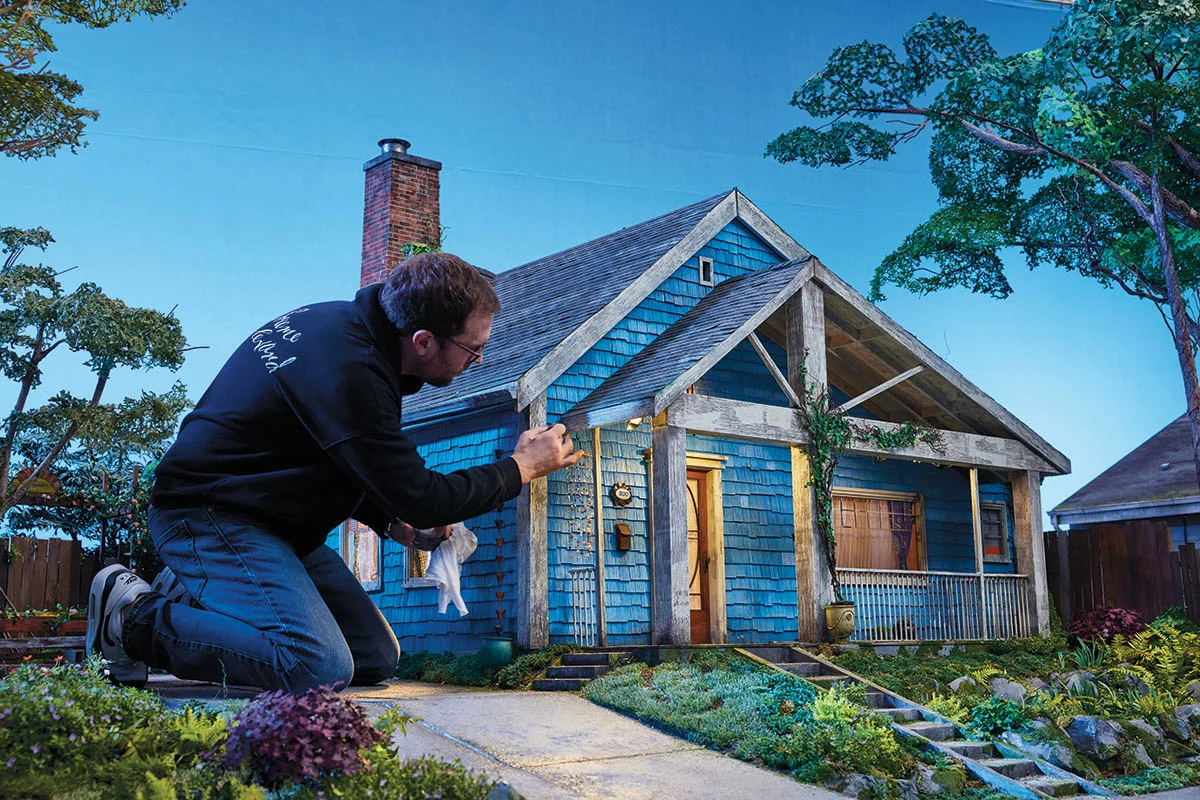
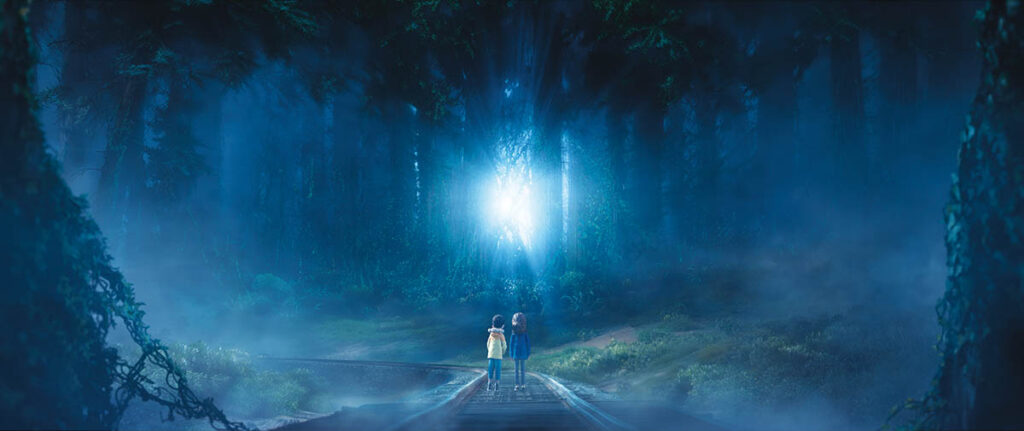
For stop-motion animation powerhouse LAIKA Studios, pushing the boundaries of physical craftsmanship and digital innovation has always been the baseline. However, with its latest fantasy epic, Wildwood, the studio has shattered its own internal records. Directed by Travis Knight and based on the beloved children’s novel by Colin Meloy—with whimsical illustrations by Carson Ellis—Wildwood tells the story of 12-year-old Prue McKeel. When a murder of crows abducts her baby brother, Mac, Prue ventures deep into Portland’s forbidden Forest Park, reimagined in the film as the "Impassable Wilderness," a magical realm populated by talking animals, rival factions, and deep-seated political peril.
The production stands as a monument to sheer tenacity. Spanning a monumental 16 years of development and production in various forms, Wildwood doubled LAIKA’s traditional scope, scaling up from an average of 1,400 shots in previous films to a staggering 2,800 shots. To achieve this unprecedented scale, the studio expanded its visual effects (VFX) team from 90 to 300 artists and, for the first time in its history, enlisted external collaboration by partnering with Wētā FX.
The resulting film is a meticulous love letter to Portland, Oregon, blending the tactile authenticity of handmade miniatures with cutting-edge 21st-century digital tools. Yet, as the creative team readily admits, it was unequivocally the most grueling project in LAIKA’s history.
Chronology: A 16-Year Journey Through Crises and Creativity
The timeline of Wildwood is a testament to perseverance against a backdrop of historic challenges. Director Travis Knight, who remarkably steered two major motion pictures simultaneously—juggling Wildwood alongside a live-action costume drama (Masters of the Universe)—describes the simultaneous production schedule as something that "took years and years off my life."
- The Early Conception (Years 1–5): Knight first encountered Colin Meloy’s novel over a decade and a half ago. After successfully establishing LAIKA’s cinematic footprint with five distinct stop-motion features (Coraline, ParaNorman, The Boxtrolls, Kubo and the Two Strings, and Missing Link), the studio felt confident enough to tackle the sprawling fantasy landscape of Wildwood. "We got to a point where we had made five movies, and then I thought, ‘We can do it.’ And boy, was I wrong!" Knight laughs.
- Production Hurdles: When physical production finally ramped up, the studio encountered a relentless wave of global and local crises. The COVID-19 pandemic halted standard workflows, catastrophic wildfires ripped through the state of Oregon, and civil unrest unfolded in the streets of Portland. "It was one thing after the next when we were trying to make this movie," Knight recalls.
- The Multi-Year Technical Evolution: Because production stretched across multiple years, Visual Effects Supervisor Steve Emerson notes that the team did not have the luxury of locking down their technical pipeline early on. Recognizing that rendering technology would rapidly evolve, LAIKA maintained a flexible pipeline, allowing them to continuously adapt their software and hardware approaches throughout the six-year production cycle.
Supporting Data: Production Scale, Technical Breakthroughs, and Puppet Engineering
The sheer metrics behind Wildwood illustrate an unprecedented leap in stop-motion scale and engineering:
- Shot Count: Wildwood features 2,800 shots, roughly double the volume of previous LAIKA features like Missing Link (which utilized approximately 1,450 shots).
- Team Expansion: The internal VFX crew tripled in size, growing from 90 artists to 300, supplemented by external VFX partners Wētā FX.
- Puppet Production: Puppet Fabrication Supervisor Ollie Jones oversaw the creation of 236 fully functional puppets, a massive output made possible by adopting parallel digital and physical fabrication pipelines using Maya, AutoCAD, and Inventor.
- Innovative 3D Printing: The studio introduced a new wax 3D printer for supreme accuracy. This allowed artists to model organic shapes that were printed, melted, and investment-cast in bronze to create bespoke metal parts for armatures, props, and wardrobe. Wax molds were also used to produce intricate coyote fur cast in silicone.
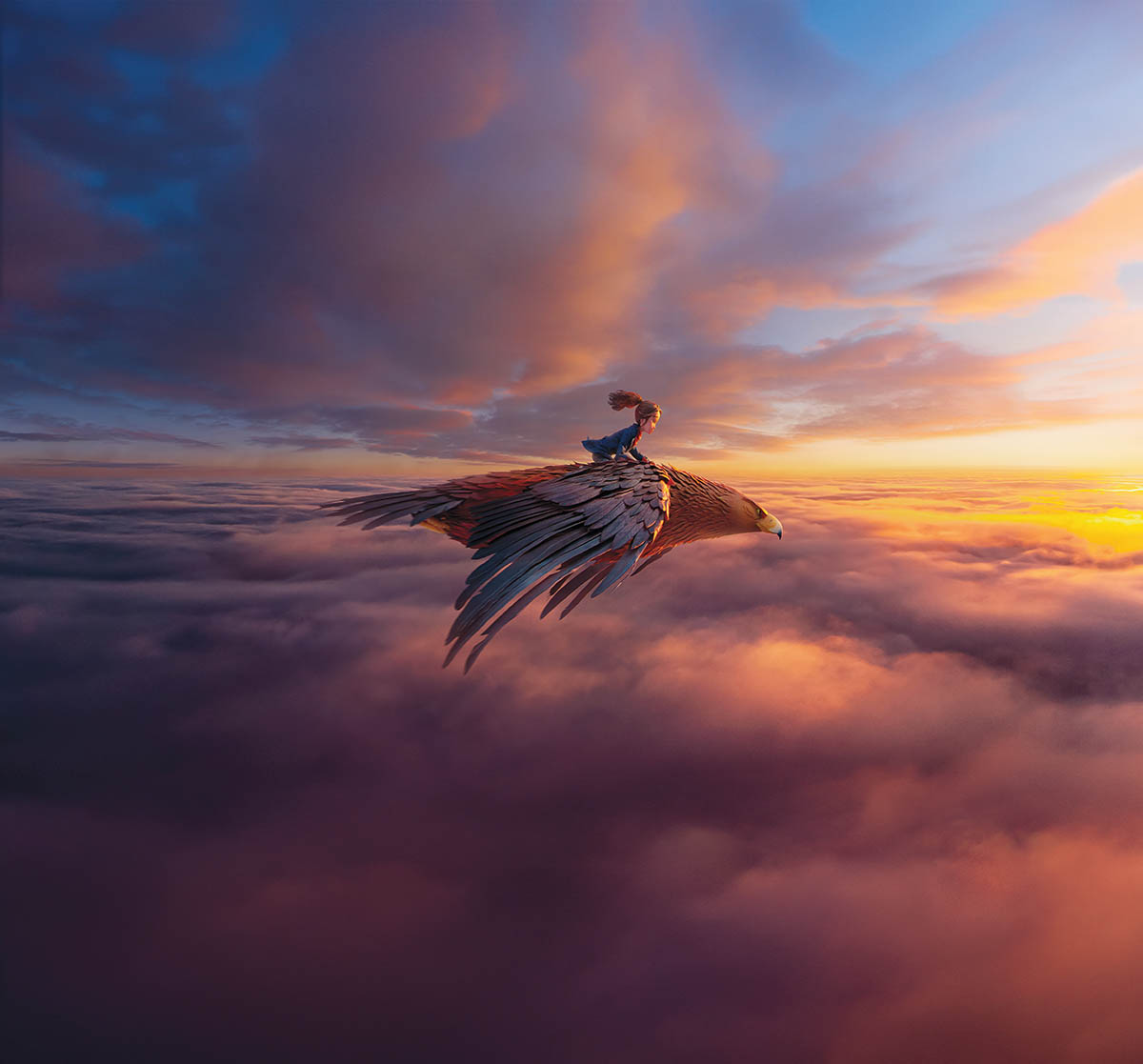
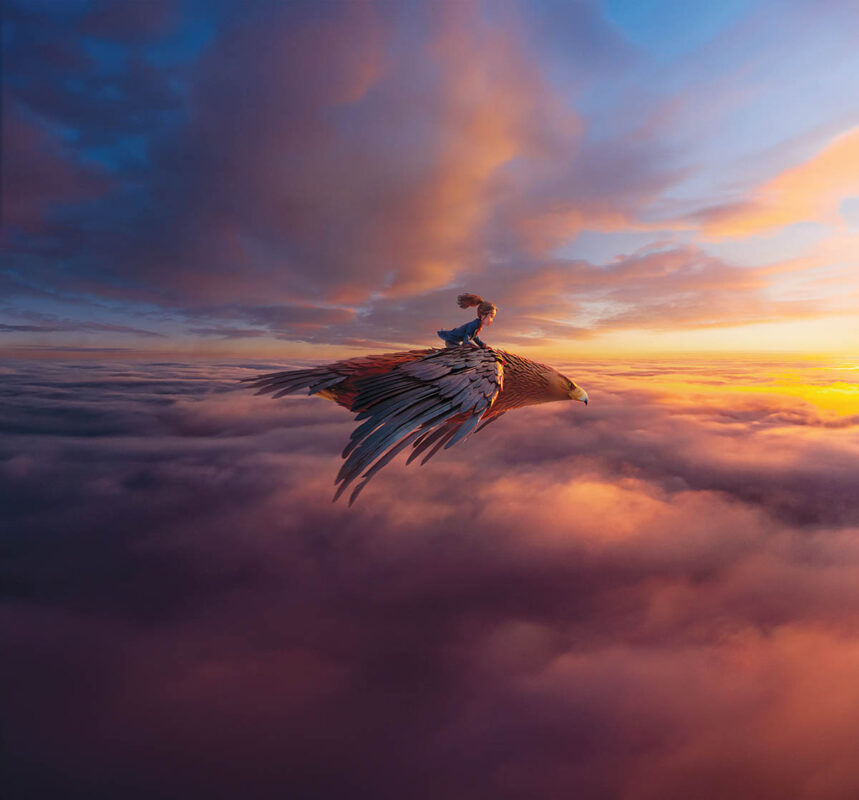
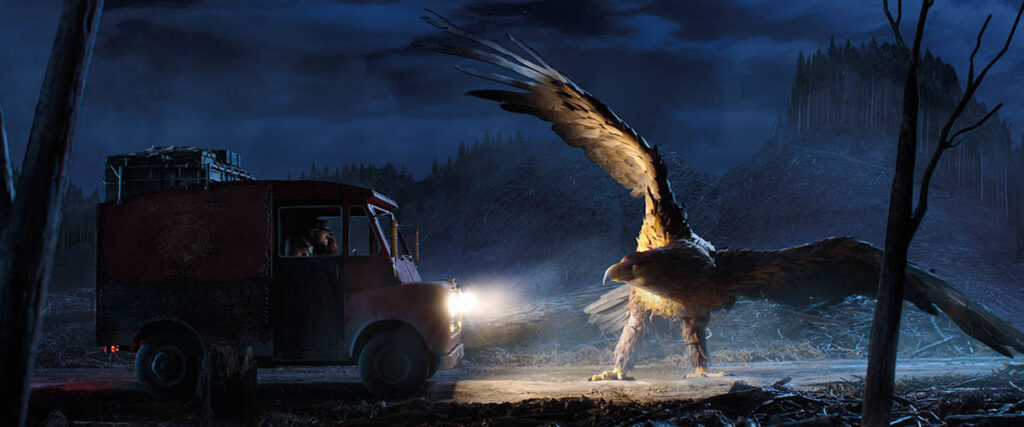
- The General: The film’s largest puppet, a golden eagle named The General, featured an awe-inspiring five-foot wingspan and 3,000 individual feathers constructed from poly-satin with woven gold threads to catch the dawn light.
Cinematographer Caleb Deschanel spent months running early lighting and depth-of-field experiments, studying real-world optics to translate human-scale reality into miniature stop-motion environments. Furthermore, the physical sets underwent massive logistical splintering. A simple interior like a kitchen would be built, torn apart, and moved across four different soundstages to accommodate varying camera angles and character eyelines.
Official Responses: Insights from the Creative Leads
The masterminds behind Wildwood have opened up about the philosophy, trials, and artistic triumphs that defined the production:
- On Embracing Difficulty: Visual Effects Supervisor Steve Emerson champions the studio’s refusal to take shortcuts.
"We will choose to do things the difficult way because it’s uncomfortable, and other studios flat-out don’t do it; that goes back to the spirit of stop-motion animation… If we make it too easy on ourselves, then we’re doing it wrong."
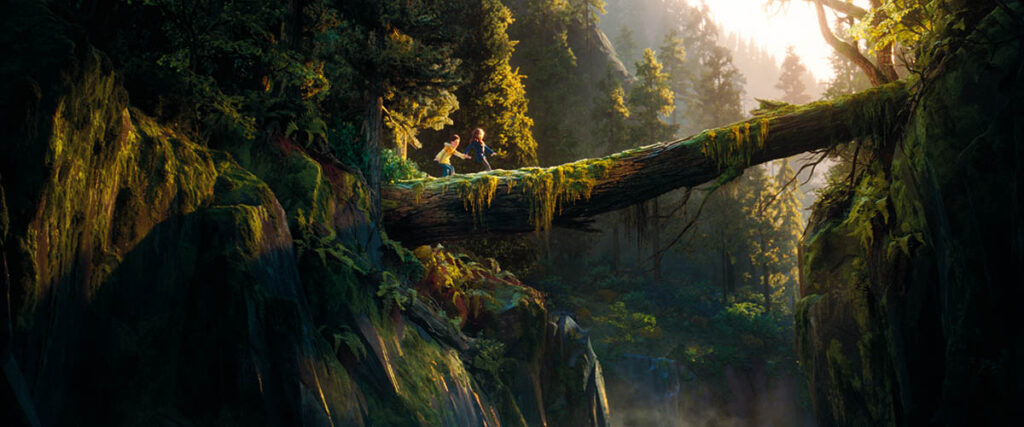
- On the Marriage of Practical and Digital: Director Travis Knight emphasizes that LAIKA’s identity rests in the symbiotic relationship between handmade artistry and digital enhancements.
"Visual effects have always been an absolutely indispensable part of what we do, and it’s one of the things that actually makes LAIKA unique in that handcrafted, practical, virtual and digital are entwined together."
- On Cinematographic Adjustments: Director of Photography Caleb Deschanel notes the unique mindset required for stop-motion cinematography.
"In stop-motion, the thing that’s missing is the serendipity of an actor coming in and performing something, then you reacting to that and adjusting yourself. You have to accept that it’s going to be animated a certain way, and where it goes is going to create its own reality."
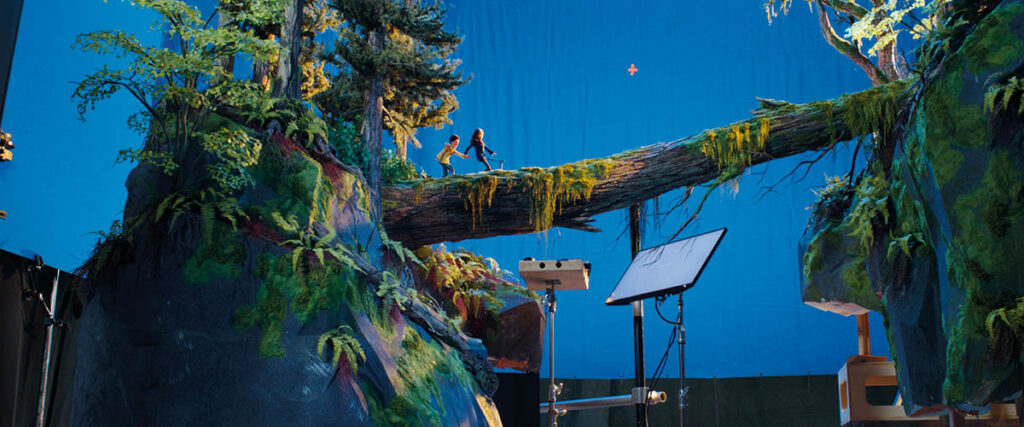
- On Narrative Liberation: Editor Christopher Murrie-Green points out how modern VFX freedom changes the editorial process.
"We’re at the point with visual effects now, where you can pretty much do anything that you want with time and budget. It’s liberating… It doesn’t matter whether it’s 20% practical and 80% visual effects—that math never enters my mind."
Implications: Setting a New Standard for Animated Filmmaking
The completion and eventual release of Wildwood carry significant implications for the future of stop-motion animation as an art form. For decades, the industry has faced economic and logistical pressures to transition entirely to computer-generated imagery (CGI), where workflows are faster, more malleable, and less physically taxing.
LAIKA’s uncompromising dedication to physical miniatures—augmented by state-of-the-art 3D printing, digital rigging, and seamless visual effects integration—proves that tactile cinema can not only survive but expand its canvas to rival the grandest CGI blockbusters. By successfully managing 2,800 shots, incorporating external studio partnerships like Wētā FX without losing its bespoke identity, and reimagining local geography into epic fantasy landscapes, LAIKA has redefined what is achievable in stop-motion.
Ultimately, Wildwood stands as a defiant statement against creative complacency. It demonstrates that the painstaking process of moving puppets frame-by-frame, though wildly inefficient by modern commercial standards, yields a tangible soulfulness that resonates deeply with audiences. As Knight and his team look toward the horizon, Wildwood cements LAIKA’s legacy not just as a studio that preserves an antique art form, but as a fearless innovator aggressively propelling it into the 21st century.
