Apple Unleashes Final Cut Camera 2.4 and Final Cut Pro 12.4: A New Era for Mobile Cinematography and Post-Production
Apple has once again shifted the paradigm of mobile filmmaking and professional post-production with the simultaneous release of Final Cut Camera 2.4 and Final Cut Pro 12.4. Headlined by deep hardware integration with the newly minted iPhone 18 Pro, this massive software update brings a sweeping visual and functional redesign to Apple’s dedicated mobile capture application. Alongside professional-grade monitoring scopes, clean SDI output capabilities, and advanced desktop editing workflows, Apple is aggressively closing the gap between pocket-sized capture devices and traditional Hollywood-grade cinema cameras.
Available as a free download, Final Cut Camera 2.4 leverages the unique physical architecture of the iPhone 18 Pro—most notably its revolutionary Fusion Main camera featuring hardware-level variable aperture control—while empowering older compatible devices with a suite of high-end analytical tools and a streamlined user interface.
Main Facts: What’s New in the Apple Ecosystem
The latest software ecosystem update introduces two massive pillars of functionality: mobile capture enhancements via Final Cut Camera 2.4 and robust desktop editing expansions via Final Cut Pro 12.4.
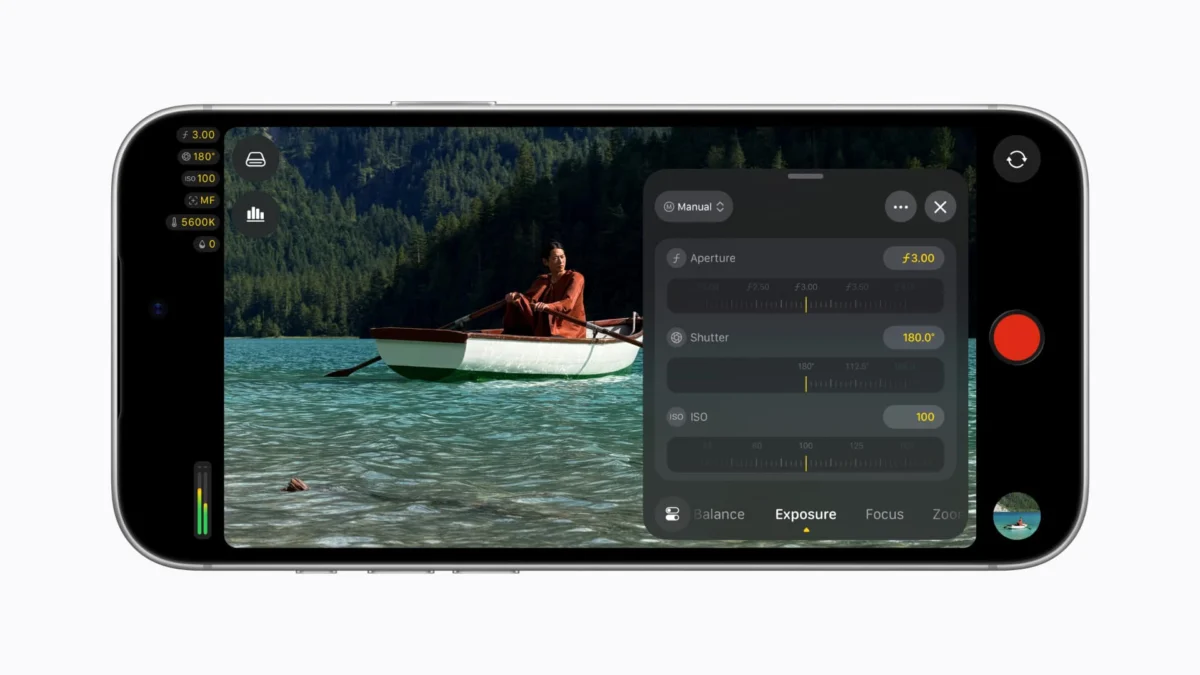
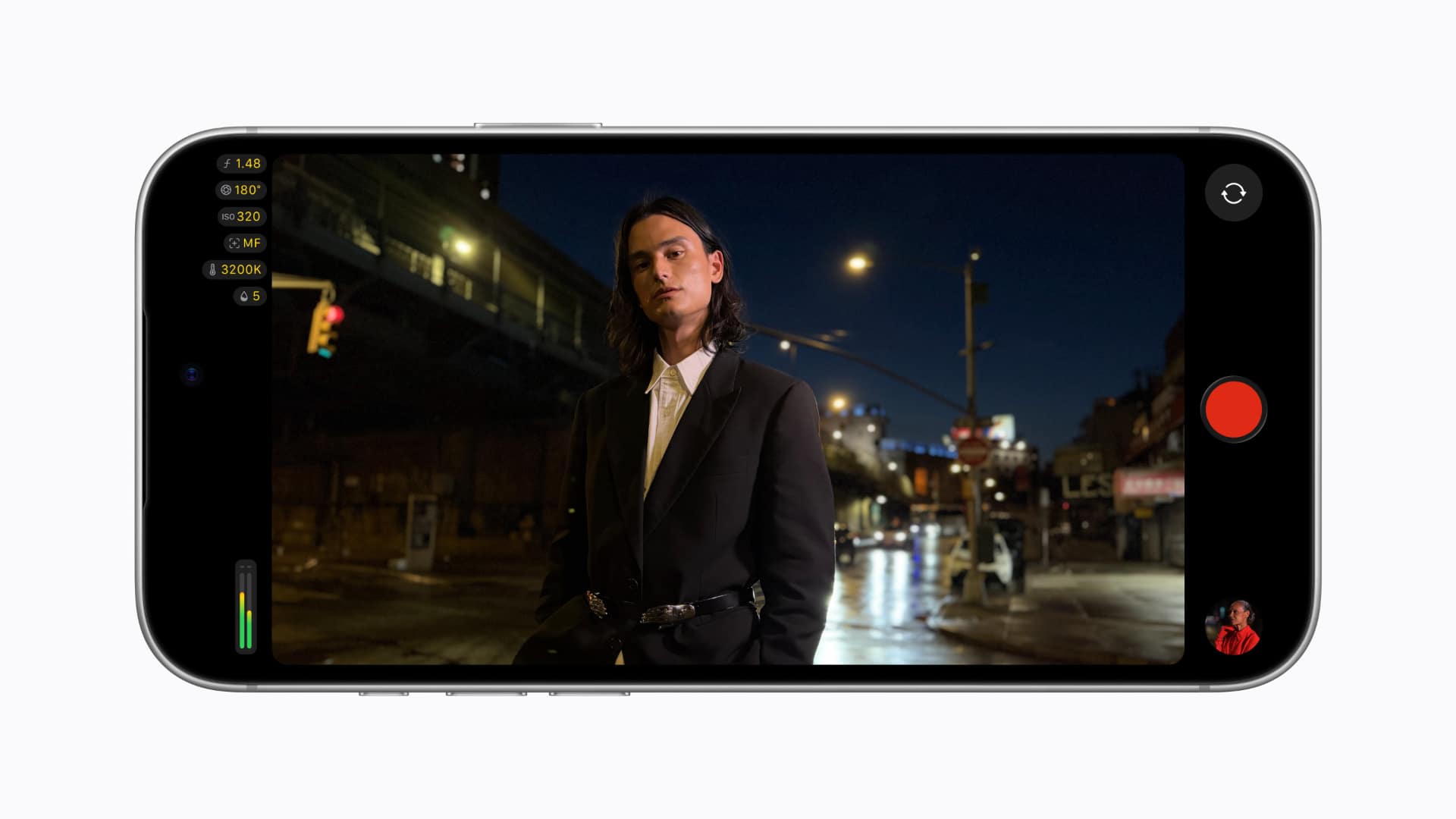
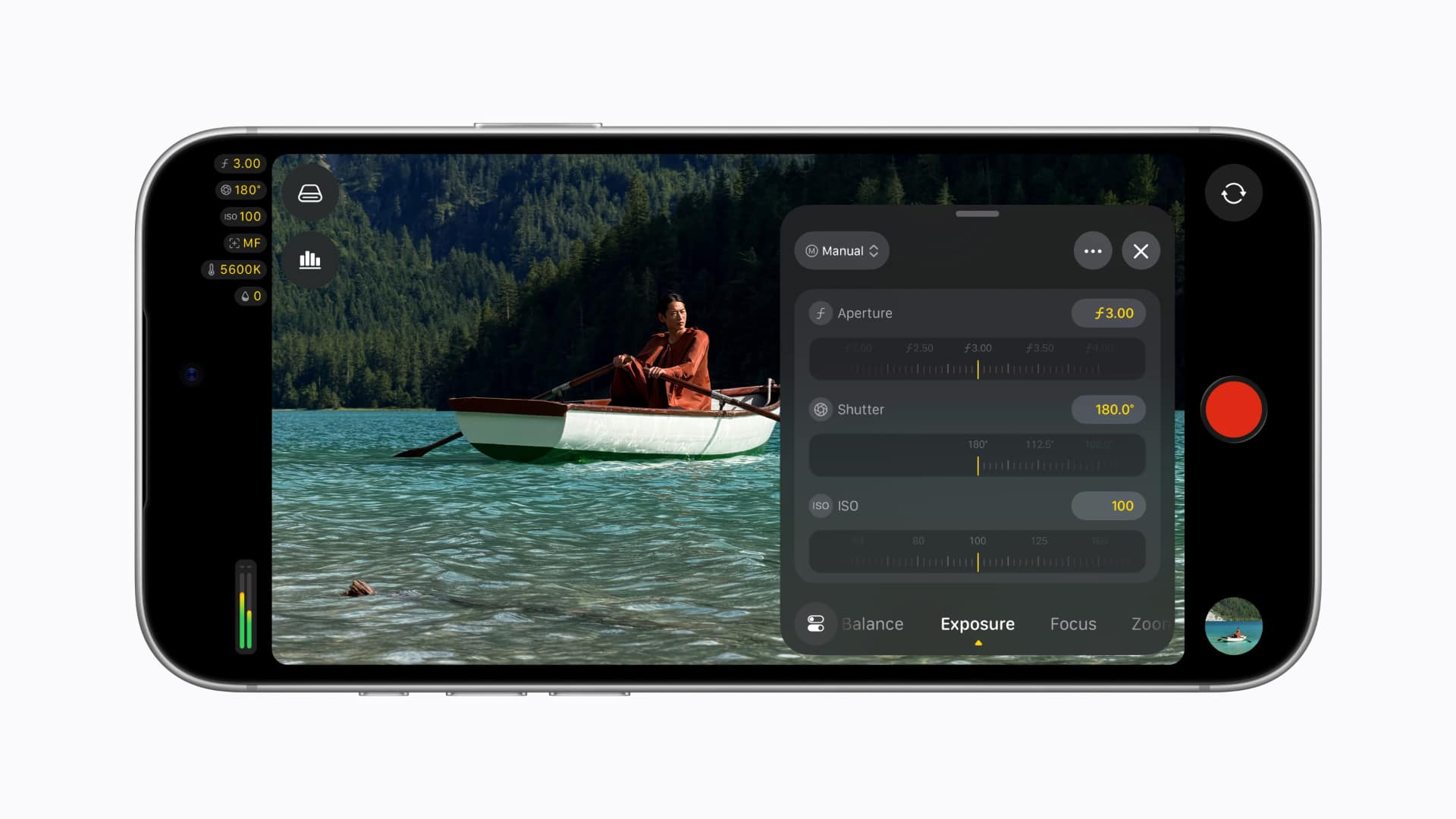
Final Cut Camera 2.4 Redesign: The app features a ground-up UI overhaul, heavily influenced by professional feedback and the recent integration of top-tier industry talent into the Apple engineering ranks. It offers granular access to shutter angle, ISO, white balance, and sophisticated focusing metrics.
Variable Aperture Control: Exclusively harnessing the iPhone 18 Pro’s new Fusion Main camera, Final Cut Camera 2.4 introduces dedicated manual, shutter-priority, and aperture-priority exposure modes, allowing users to physically manipulate the lens aperture.
Advanced Monitoring and Scopes: Running natively on iOS 27, the app now supports RGB Parade, histogram scopes, false color, clipping indicators, and enhanced focus peaking with adjustable sensitivity.
Professional Input/Output: Filmmakers can now utilize clean SDI output using a standard HDMI-to-SDI converter, alongside genlock offset to eliminate rolling artifacts and match external multi-camera live environments.
Final Cut Pro 12.4 Integration: Desktop editors can now natively import, manipulate, and keyframe Cinematic mode depth-of-field and focus points captured on the iPhone 18 Pro directly within the timeline.
Chronology: The Evolution Leading to the 2.4 Release
To understand the weight of the Final Cut Camera 2.4 release, it is essential to trace the rapid acceleration of Apple’s pro video strategy over recent years.
The Foundation of Mobile Production
Apple initially launched Final Cut Camera to bridge the gap between casual smartphone videography and professional multicam field monitoring. By turning iPhones into remote-controlled wireless camera nodes capable of feeding live angles directly into an iPad running Final Cut Camera, Apple established a blueprint for modern, lightweight documentary and indie film production.
The Talent Acquisition Wave
Rumors and industry reports intensified following structural industry shifts, notably when Halide co-founder Sebastiaan de With joined the Apple team. De With’s legendary expertise in computational photography, human interface design, and granular manual exposure control instantly mapped onto speculation about how Apple would handle future hardware upgrades—specifically rumors surrounding a variable aperture lens mechanism.
The Arrival of iPhone 18 Pro and iOS 27
With the official unveiling of the iPhone 18 Pro and its groundbreaking Fusion Main variable aperture camera system, the hardware finally caught up with Apple’s software ambitions. iOS 27 laid the underlying framework for heavy-duty video processing pipelines, paving the way for Final Cut Camera 2.4 to drop as an immediate, free update for creators worldwide.
Supporting Data & Technical Breakdown
A deep dive into the technical specifications reveals that Apple is no longer just playing in the sandbox of computational photography—it is directly challenging dedicated cinema camera manufacturers like Sony, Canon, and Blackmagic Design.
1. Hardware Integration: The iPhone 18 Pro Fusion Main Camera
The introduction of a variable aperture on a smartphone marks a seismic shift in mobile optics. Traditionally, mobile lenses operate at a fixed, wide-open aperture (often around f/1.78), requiring internal digital neutral density (ND) filters or high shutter speeds to manage bright daylight—which can introduce unnatural motion judder.
Final Cut Camera 2.4 allows shooters to step down the physical aperture. By moving to narrower apertures (such as f/3.0 or beyond), operators can:
Manage exposure levels dynamically without blowing out highlights.
Widen the depth of field when capturing group shots or landscapes, ensuring everything remains razor-sharp.
Retain optimal shutter angles (the cinematic standard of 180 degrees) even under harsh, direct sunlight without resorting to digital compromises.
2. Monitoring Tools and Exposure Scopes
Historically, professional cinematographers relied on external field monitors (such as SmallHD or Atomos units) to evaluate exposure via waveforms, vectorscopes, and false color overlays. Final Cut Camera 2.4 internalizes these workflows:
RGB Parade & Histograms: Essential for grading colorists to spot color channel clipping before a single frame is committed to storage.
False Color: Maps exposure values onto a distinct heat-map color scale, ensuring skin tones fall safely within legal broadcast ranges.
Focus Peaking & Tally Lights: Enhanced focus peaking sensitivity ensures manual pull-focus artists never miss a mark, while a newly integrated software tally light flashes cleanly to confirm recording states during complex multicam takes.
3. Broadcast and Live-Set Interoperability
By introducing clean SDI out (via an HDMI-to-SDI signal converter) and genlock offset, Apple has deliberately targeted live event broadcasting, corporate streaming, and multi-camera studio environments. Genlock synchronization ensures that multiple iPhones locked into a switcher do not suffer from frame-timing latency or sync drift, neutralizing visual artifacts when recording LED walls or displaying active screens.
Official Responses and Industry Reception
The professional video community has responded with a mixture of awe and validation. Early reactions from independent filmmakers and veteran DPs highlight the staggering utility of carrying an entire broadcast monitoring suite and a variable-aperture cinema rig inside one’s pocket.
"We are witnessing the absolute erasure of the line between consumer tech and professional cine gear," noted a prominent digital cinematography reviewer. "By opening up hardware aperture control and pairing it with pro monitoring tools like RGB Parade and false color, Apple has essentially shrunk a multi-thousand-dollar monitoring rig into a device that fits inside a pair of jeans."
Apple’s software division has emphasized that these updates were born directly out of listening to frontline creators. By refining the user experience—such as the simple yet effective addition of a two-finger tap to clear the viewfinder—Apple demonstrates a profound understanding of fast-paced, high-stress production environments where every fraction of a second counts.
Implications for the Future of Filmmaking
The release of Final Cut Camera 2.4 and Final Cut Pro 12.4 carries profound implications for the media and entertainment landscape.
Democratization of High-End Aesthetics
The ability to capture high-bitrate ProRes and Apple Log footage with native variable aperture control means that student filmmakers, indie directors, and budget-constrained content creators can achieve authentic optical depth transitions and cinematic exposure control without investing in expensive prime lens kits and cinema bodies.
The Post-Production Powerhouse
Crucially, the desktop counterpart—Final Cut Pro 12.4—ensures that the magic doesn’t stop at capture. By allowing editors to manipulate Cinematic mode depth-of-field and shift focus points directly on the timeline, Apple has eliminated the traditional rigidity of shooting smart-focus video. Mistakes made on set can be corrected in post-production, transforming raw computational video files into malleable creative assets. Furthermore, Compressor’s new HEVC and MPEG-4 export presets streamline the delivery pipeline, ensuring that high-end masters can be instantly formatted for modern social media consumption without sacrificing visual fidelity.
A Warning to Traditional Hardware Manufacturers
Traditional camera giants must take note. While dedicated large-sensor cinema cameras will retain dominance in extreme low-light environments and long-form Hollywood feature filmmaking, the convenience, connected ecosystem, and rapid iteration cycle of Apple’s hardware-software ecosystem make the iPhone an increasingly formidable competitor for commercials, music videos, documentaries, and digital journalism.
Conclusion
Final Cut Camera 2.4 and Final Cut Pro 12.4 represent a watershed moment for digital video production. By bridging physical camera engineering—such as the iPhone 18 Pro’s variable aperture—with sophisticated software scopes, clean broadcast outputs, and intuitive timeline-level depth editing, Apple has solidified its commitment to the professional creative community. The tools of professional filmmaking are no longer locked behind prohibitive financial barriers; they are evolving rapidly in the palm of our hands.