
The Enigma of Elizabeth Holmes: Inside the Complicated Reception of ‘You Can See Everything’
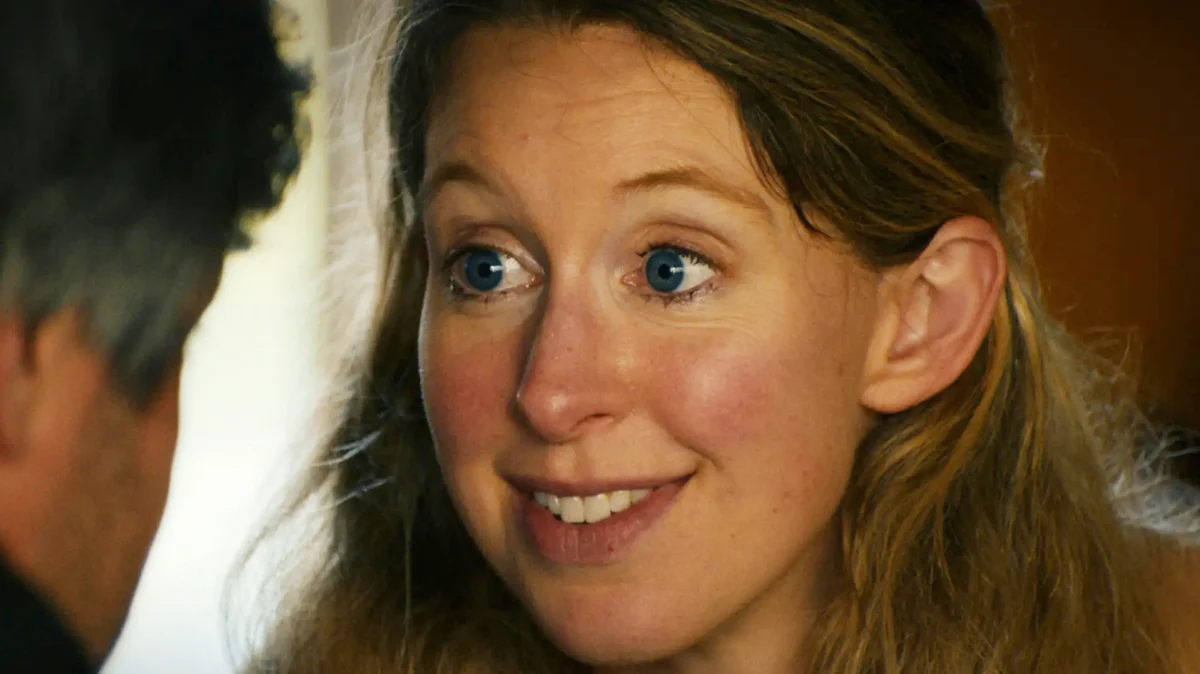
In the annals of corporate malfeasance and Silicon Valley hubris, few figures loom as large—or as inscrutably—as Elizabeth Holmes. Once hailed as the youngest self-made female billionaire, the former CEO of Theranos now resides in federal prison, her legacy defined by a multi-billion dollar blood-testing fraud that shook the foundations of venture capital. Yet, even behind bars, the “Holmes phenomenon” persists.
The latest exploration into her psyche, the A24 documentary You Can See Everything, directed by Nathan Fielder and Lance Oppenheim, has emerged as a cultural flashpoint. Far from a standard investigative procedural, the film is a disquieting, three-year-long descent into the private world of a woman who remains a Rorschach test for public perception. As the film secures its status as an Oscar frontrunner and a surprise box-office hit, a lingering question remains: How does the subject herself feel about being the prism through which audiences view their own anxieties about truth, power, and manipulation?
The Anatomy of an Intimate Portrait
Unlike previous accounts—such as HBO’s The Inventor or the dramatized The Dropout—You Can See Everything eschews a chronological breakdown of Theranos’ technological failures. Instead, it captures a specific, claustrophobic temporal window: the 34 days leading up to Holmes’ incarceration.
Fielder and Oppenheim were granted unprecedented access, filming Holmes as she navigated the transition from free citizen to inmate. The documentary captures her in the quietude of her domestic life with partner Billy Evans, documenting the mundane aspects of a life lived under a microscope. By focusing on the liminal space between her former life as a tech titan and her current reality, the directors created a portrait that feels less like a traditional documentary and more like a psychological thriller. The result is a film that /Film’s Ethan Anderton aptly described as a "mystifying masterwork of mind-melting manipulation."
A Chronology of Access and Intent
The production of You Can See Everything was a long-term commitment that spanned three years, beginning well before the sentencing phase of the Theranos trial.
- Pre-Sentencing Access: During the months following her conviction, Holmes began allowing the film crew into her orbit. The intent, according to industry observers, was ostensibly to reshape her public image—a final attempt to humanize the woman who had been characterized as a cold, calculated fraudster by the federal government.
- The 34-Day Countdown: The core of the narrative focuses on the final month before her surrender to prison authorities. This period serves as the emotional bedrock of the film, highlighting the surreal nature of her daily existence as she prepared for a decade-long absence from public life.
- Post-Release Discourse: Following the film’s premiere, the discourse has shifted from the events of the trial to the ethics of documentary filmmaking itself. The documentary has defied box-office expectations, proving that audiences remain deeply invested in the "Holmes mystery" despite the exhaustive coverage of her crimes.
The Fielder-Holmes Connection: The "I Trust You" Enigma
Perhaps the most startling development since the film’s release is the revelation regarding the relationship between the subject and her director. In a candid interview with Wired, Nathan Fielder—known for his own brand of meta-documentary work in The Rehearsal—detailed a recent phone call he received from Holmes from prison.
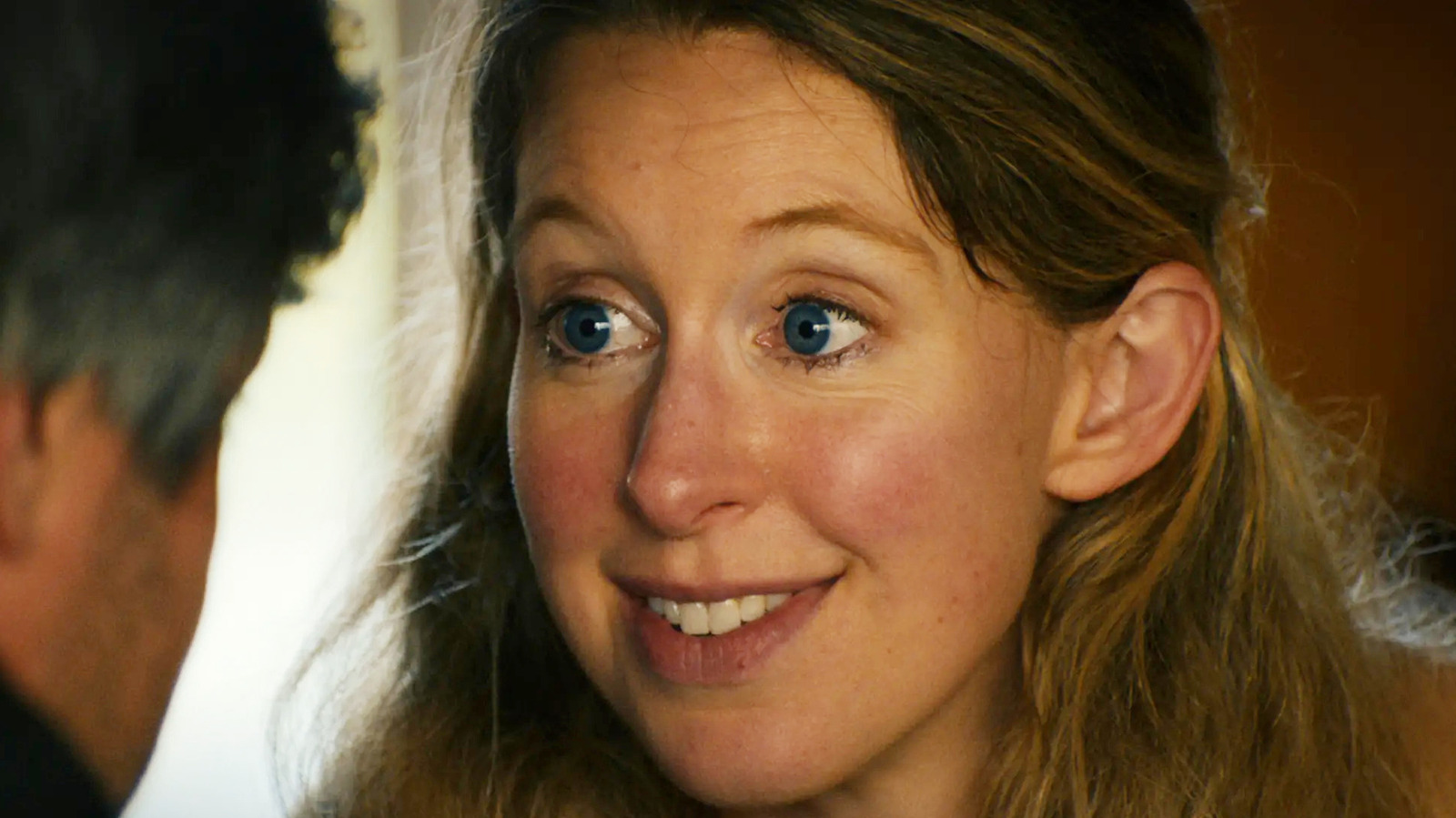
The conversation, as described by Fielder, was surprisingly mundane. They discussed her children and various updates on her life. However, the weight of the conversation shifted when Fielder asked her about the film. Holmes admitted that while she had heard reports about the public reception, she had not read most of the coverage herself.
The climax of the conversation came when Holmes delivered a simple, yet loaded, statement: "I trust you."
For Fielder, who has spent his career exploring the architecture of human trust and performance, the statement was baffling. "I don’t know what she meant by that," he confessed. This admission highlights the core tension of the film: Does Holmes view the documentary as an authentic representation of her truth, or is this another layer of performance—a calculated attempt to maintain a connection to the world she has lost?
Implications for Documentary Ethics and Public Image
The reception of You Can See Everything raises profound questions about the responsibility of filmmakers when documenting subjects of public controversy. By allowing Holmes to have a say in the narrative, even if only through the tacit approval of her presence, are Fielder and Oppenheim complicit in her attempt to rehabilitate her image? Or, as the film suggests, is the act of filming itself the ultimate form of exposure, where the subject’s own behavior serves as the indictment?
The "Humanization" Trap
Critics have noted that the documentary succeeds in making the viewer feel moments of empathy for Holmes—a dangerous territory given the gravity of her crimes. By juxtaposing her role as a mother and partner against the backdrop of her professional deception, the film forces the audience to reconcile the human being with the myth.
The Role of the Filmmaker
Nathan Fielder’s presence is felt throughout the film, though he remains largely behind the camera. His style of questioning, which often pushes subjects into uncomfortable realizations, is notably absent or transformed here into a more observational, almost detached, style. This suggests a shift in Fielder’s approach, moving from active participant to passive witness, which has left audiences questioning where the line between observation and enablement lies.
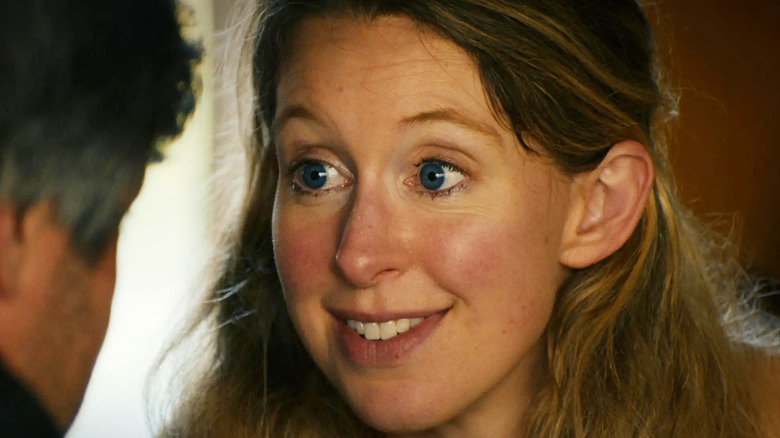
The Verdict of the Public
The fact that You Can See Everything is a major awards contender suggests that the public is not finished with Elizabeth Holmes. Her story has become a permanent fixture in the cultural conversation about the dark side of American entrepreneurship.
Whether or not the documentary achieves the goal of humanizing her, it has undeniably solidified her status as a figure of eternal fascination. Holmes’ decision to "trust" Fielder, despite the potentially unflattering nature of the project, may be the most "Holmesian" act of all—a calculated gamble that, in the long run, she can maintain control over the narrative of her life, even from behind bars.
As the film continues its theatrical run, viewers are left to grapple with their own conclusions. Is You Can See Everything an exposé, a tragedy, or a final, elaborate performance by a master manipulator? Perhaps the answer lies in the title itself: everything is visible, yet the truth remains just out of reach. In the end, Holmes’ own words—"I trust you"—remain the film’s most haunting, and perhaps most dishonest, line of dialogue.
As the credits roll, the audience is left with a sobering reality: we may have seen everything, but we still do not truly know the woman behind the black turtleneck. And perhaps, that was the intention all along.
