
Building the Grand Line: How ‘LEGO One Piece’ Bridged the Gap Between Plastic Bricks and Manga Ink
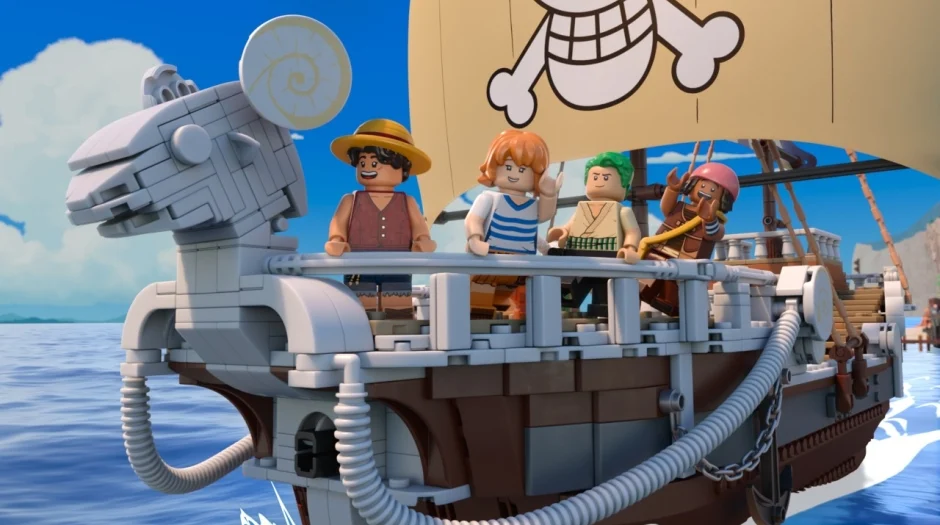
When the LEGO Group, Shueisha, and Netflix announced LEGO One Piece, the reaction from the animation community was a mix of bewilderment and excitement. How does one reconcile the rigid, geometric nature of a plastic brick with the fluid, rubber-limbed, and high-energy world of Eiichiro Oda’s One Piece? The answer, as it turns out, lies in a strategic blend of strict design rules and the creative bravery to break them.
Released globally on Netflix on September 29, the two-part animated special serves as a unique bridge between mediums. It retells the seminal East Blue saga—the foundational arc of the long-running series—while positioning itself comfortably between the live-action Netflix adaptation and the upcoming The One Piece anime remake.
The Genesis of the Special: A Triple-Threat Collaboration
The production of LEGO One Piece is a testament to modern cross-media synergy. Directed by Chelsea Ker, the project features a script by Tom Hyndman, who previously cut his teeth writing for the live-action One Piece series. The project was produced by Vancouver’s Atomic Cartoons, acting as the creative engine for a coalition that included the LEGO Group, Shueisha, and Tomorrow Studios.

The executive production team reads like a "who’s who" of the One Piece franchise, featuring Oda himself alongside Hyndman, Jill Wilfert, Keith Malone, and Lars Danielsen from LEGO, and Marty Adelstein and Becky Clements from Tomorrow Studios. Takuma Naito and Taro Goto rounded out the production efforts.
The special features a star-studded voice cast, with the live-action series actors reprising their roles: Iñaki Godoy as Luffy, Emily Rudd as Nami, Mackenyu as Zoro, Jacob Romero as Usopp, and Taz Skylar as Sanji. They are joined by Charithra Chandran as Nefertari Vivi, Mikaela Hoover as Tony Tony Chopper, Katey Sagal as Dr. Kureha, Jeff Ward as Buggy the Clown, and Callum Kerr as Captain Smoker.
Chronology and Narrative Context
The narrative of the special is framed through the eyes of Usopp, the Straw Hat crew’s resident storyteller. In an effort to explain how a group of ragtag individuals came together to conquer the East Blue and enter the Grand Line, Usopp recounts the crew’s battles against pirates, marines, and fishmen.

This project arrives at a critical juncture for the franchise. With the live-action series’ third season, One Piece: The Battle of Alabasta, currently in development for next year, the LEGO One Piece special serves as a palate cleanser—a stylized, bite-sized recap that respects the source material while exploring the visual possibilities of a brand-new medium.
The Design Challenge: Where Rubber Meets Brick
The primary tension in the production was philosophical: One Piece is defined by "speed lines," visceral impact frames, and, most importantly, the elastic, rubbery physiology of its protagonist, Monkey D. Luffy. LEGO, by its very essence, is the antithesis of rubbery.
Tom Hyndman, speaking with Animation World Network, explained that the styling process was largely informed by the existing line of One Piece LEGO sets. However, translating these physical models into a moving, breathing animated world required more than just digital assets.

Integrating 2D Manga Language
"What we decided on was bringing in a hand-drawn 2D element to certain things," Hyndman noted. To prevent the show from feeling like a standard LEGO production, the team incorporated matte-painted backgrounds and hand-drawn effects for water and smoke. This decision was deliberate, designed to ground the plastic characters in a world that felt like it had been pulled directly from the pages of the manga.
Breaking the Rules of the Brick
The most contentious design element was Luffy’s signature "Gum-Gum" stretching. Early development involved intense discussions about whether Luffy’s limbs should animate brick-by-brick or if they should defy the physics of the toy.
"We had to figure out that perfect balance of how much do we want to show? What’s it actually going to look like?" Hyndman said. Ultimately, the LEGO team provided the production with enough leeway to bend—and occasionally break—the physical constraints of the bricks. This flexibility allowed for the dynamic, kinetic action that defines One Piece without sacrificing the aesthetic integrity of the LEGO brand.

Supporting Data: The "LEGO-fication" Process
A core focus during production was determining the "LEGO-ness" of the show. While the team wanted to pay homage to the anime’s visual language, they also wanted to ensure the viewer knew they were watching a LEGO special.
This was achieved through:
- Layering: The team looked for opportunities to add "more bricks," creating depth and environmental storytelling through the construction of the sets.
- Comedy: The inherent humor of LEGO animation—where the limitations of the medium themselves become the punchline—was leaned into heavily to mirror the lighthearted side of the Straw Hat crew’s dynamic.
- Manga-Based Impact Frames: Because the contract stipulated that the production had to rely on the manga as the primary source material, the animators utilized "color cards" and high-contrast, black-and-white explosion sequences to mirror the intensity of Oda’s original drawings.
"It was about not trying to jam that stuff in, but finding more organic places," Hyndman explained. "There’s a really cool moment in the second episode where there’s a big explosion and it flashes black and white for a second. Using those big moments really helped."

Implications for the Future of Franchise Adaptations
LEGO One Piece serves as a fascinating case study in brand management. It demonstrates that a rigid IP, like LEGO, does not have to act as a creative cage. By allowing the animators at Atomic Cartoons to treat the manga’s visual language as a primary source rather than an afterthought, the team created something that feels distinct from previous LEGO adaptations like Star Wars or Ninjago.
The success of this special also hints at the viability of "bridging" content. As global franchises grow increasingly complex, the use of animated specials to summarize lore or bridge the gap between live-action seasons is becoming a staple of the streaming era. It provides a low-barrier entry point for new fans while offering long-term devotees a fresh perspective on familiar beats.
A Personal Triumph for the Crew
Beyond the technical achievements, the project represents a triumph of pace. Hyndman highlighted that the entire special was produced in roughly 18 months—a blistering speed for high-quality animation.

"I’m just proud of my ability to get it all done in such a short timeframe," Hyndman reflected. "And just the love, and kind of, we wanted to honor it. And I really think that we did such a great job with that."
As the audience continues to engage with the sprawling world of One Piece, the LEGO One Piece special stands as a testament to the idea that even the most disparate worlds—one built on ink and imagination, the other on plastic bricks—can find a common ground when the creative team is willing to let the rules stretch a little.
Whether you are a lifelong fan of the Straw Hat pirates or a casual viewer who enjoys the charm of a well-built LEGO set, this special proves that when it comes to the Grand Line, there is always room for another creative adventure.
