
The Archival Turn: Why Cinema is Turning Toward Its Own Past
By [Your Name/Journalistic Desk]
In the modern cinematic landscape, the traditional release calendar—governed by the high-stakes, big-budget machinery of the blockbuster—is increasingly finding itself eclipsed by a different kind of fervor. From the vaulted archives of London to the cutting-edge screening rooms of Berlin, a "repertory boom" is underway. However, this is not merely a nostalgic retreat into the classics. As film scholar Erika Balsom observes, a quiet revolution is occurring: the fetishization of the "deep cut," the unfinished, and the long-lost.
The cinema, once defined by the anticipation of what is new, has begun to pivot toward the excavation of what was, but was never truly seen. This shift represents a fundamental "archival turn" in film culture, where the restoration of forgotten works is no longer a niche hobby for academics, but a central pillar of the contemporary viewing experience.
The Chronology of an Archival Renaissance
The surge in interest regarding historical materials has been building for several years, but 2023 served as a watershed moment for the movement. While mainstream audiences were preoccupied with the "Barbenheimer" phenomenon—a cultural blip that signaled the current disconnect between commercial releases and cinephilic inquiry—the true action was happening in the basements and archives of Europe.
- June 2023 (Bologna & Berlin): The season was marked by the perennial success of Cinema Ritrovato in Bologna, which continues to grow in attendance. Simultaneously, the Archival Assembly #2 at the Arsenal in Berlin presented a radical confrontation with the past.
- The Badnam Basti Screening: During the Assembly, audiences were treated to the sole surviving 35mm print of Prem Kapoor’s 1971 film Badnam Basti, widely recognized as India’s first queer film.
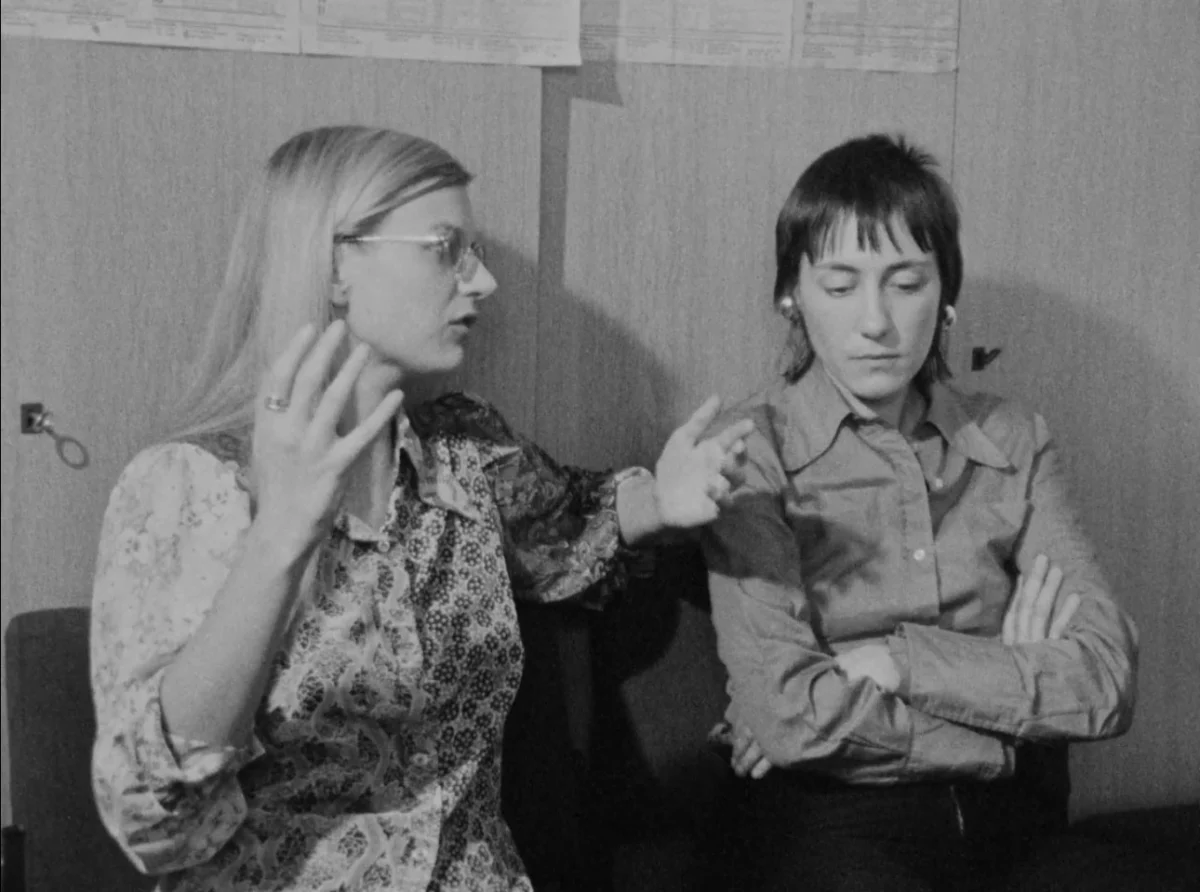
- The 1973 Women’s Film Seminar: Perhaps the most significant event of the year was the premiere of 109 minutes of digitized 16mm footage documenting the First International Women’s Film Seminar, held in West Germany in 1973. Shot by Norwegian filmmaker Vibeke Løkkeberg, the footage had been presumed lost for decades before resurfacing in the National Library of Norway in 2019.
This chronology suggests that the "repertory boom" is not a static loop of known titles, but a dynamic, unfolding process of discovery. We are not just watching history; we are participating in its recovery.
The "Time Witness" Phenomenon
The screening of the Løkkeberg footage in Berlin provided a unique case study in how the past can be mediated. Because the sound elements of the 16mm reels were not yet synced or available, the film was presented in silence. This potential disaster was transformed into an electrifying, collaborative event through the intervention of "time witnesses"—women who had attended the 1973 seminar and were present in the theater to provide live commentary.
This spontaneous oral history, featuring figures like filmmaker Claudia von Alemann, turned the screening into a living, breathing archive. The audience watched women from 1973 converse, argue, and debate on screen, while their older selves sat in the front row, bridging the half-century gap in real-time. This "doubleness" of the experience challenged the traditional, static nature of film exhibition. It forced the audience to engage with the past not as a finished artifact, but as a space of negotiation, speculation, and shared memory.
Supporting Data: The Feminist Historiographical Method
The shift toward the "unfinished" is not merely aesthetic; it is deeply rooted in new academic frameworks. In the 2023 collection Incomplete: The Feminist Possibilities of Unfinished Film, editors Alix Beeston and Stefan Solomon argue that the obsession with "finished" works—the 35mm, feature-length, narrative-driven fiction—is a hegemonic construct that obscures a vast swath of cinematic history.
By prioritizing the "unfinished," researchers are able to:

- Expose Barriers: Acknowledging why a film was never completed (lack of funding, systemic misogyny, political censorship) provides a more accurate view of history than a sanitized, finished product ever could.
- Transvalue Deficiency: The "deficiencies" of unfinished works—the missing audio, the jumpy cuts, the narrative gaps—are recast as "signs of possibility."
- Widen the Frame: This method moves beyond the "center" of the canon to include the margins, where much of the most radical work by women and marginalized creators resides.
This historiographical shift explains why contemporary audiences are drawn to the "deep cut." It is an act of reclaiming lost potential. When we watch a completed, polished film, we are consuming a product. When we engage with an archival fragment, we are engaging with the "might have been" of history.
Implications for Modern Curatorship
The success of the "repertory boom" brings with it a complex set of implications for museums, festivals, and theaters. We may be approaching what some curators are calling "peak archive"—a point where the desire for obscurity threatens to outweigh the intrinsic quality of the material.
The Durational Problem
Unlike the gallery space, where a visitor can view an artifact at their own pace, the cinema remains a medium of "emphatic duration." You must sit through the entire film. When the material is genuinely brilliant, this is a gift. When the material is historically significant but technically or narratively flawed, it poses a challenge to the curator. The risk is that we begin to value "discovery" for its own sake, turning the archive into a novelty shop rather than a site of meaningful reflection.
The Digital Paradox
The irony of the current moment is that the digital age is both the destroyer and the savior of this history. While the glut of digital content has created a "hyperavailable sameness" that bores modern viewers, the same digital tools allow for the high-quality restoration and distribution of these long-lost reels. We are currently witnessing a "delirium" of content where it is easier than ever to access the obscure, yet harder than ever to find context.
A Reckoning with the Future
Is the archival fever merely a symptom of a "bleak present"? Some critics argue that our obsession with the past is a way to avoid addressing the challenges of our current time. In the 1970s, organizers like von Alemann and Sander focused on the future, showing contemporary films because they were building a movement. Today, we seem more interested in looking backward.
However, this pessimism might be misplaced. As cultural theorist Hal Foster suggested in his exploration of the "archival impulse," the desire to connect with the past is often a desire to "turn belatedness into becomingness." By unearthing the radical, utopian possibilities of films from the 1970s, we are not necessarily retreating; we are searching for a blueprint.
Cinema has become an "irrevocably old medium." Attempting to compete with the rapid-fire content cycles of streaming platforms is a losing battle for those who cherish the medium’s history. The way forward may lie in accepting this age, not as a sign of decline, but as an opportunity for expansion. By celebrating the rich, expansive, and tragically underappreciated histories that have been buried by the mainstream, we are not just curating the past—we are ensuring that the future of cinema remains as vast and diverse as the history that preceded it.
The fever burns on. In the silence of the archival screening, in the crackle of a restored 16mm print, and in the voices of the "time witnesses," the cinema continues to find new ways to speak. The question for the next decade of film culture is not what new content we can create, but what visions are still waiting to be unearthed from the delirium of our own past.
