
The Ghost of Potential: Revisiting Matthew Perry’s Cinematic Debut and His Tragic Parallels with River Phoenix
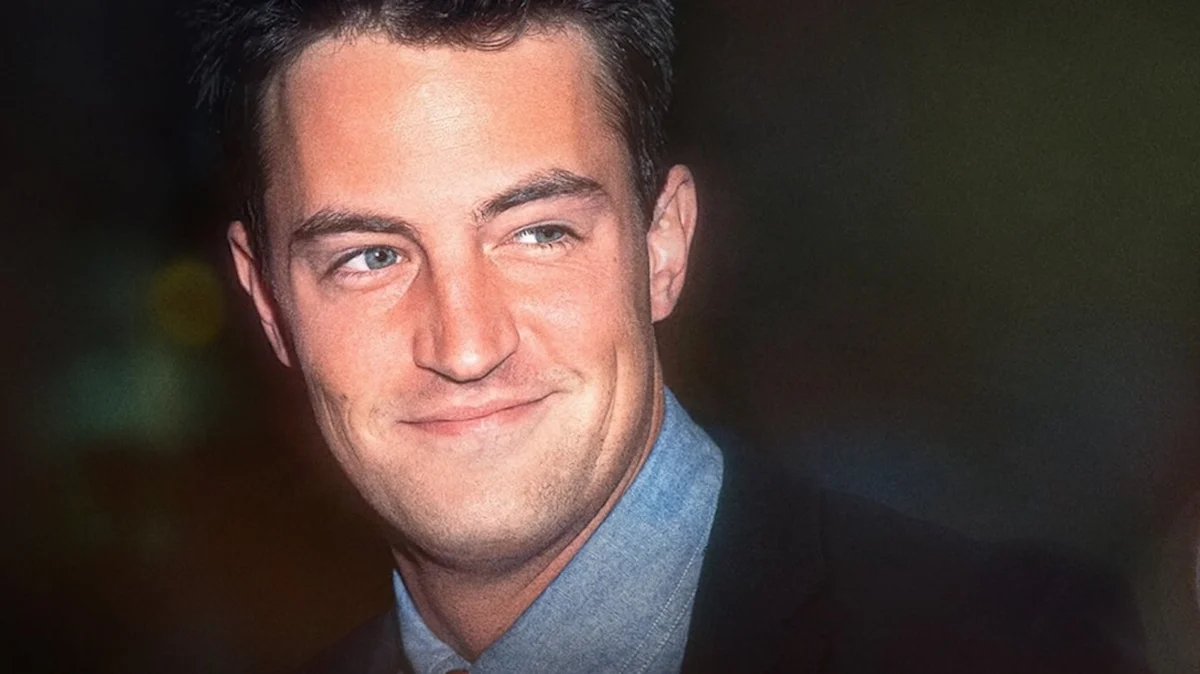
The recent release of Mary Robertson’s documentary, The One About Matthew Perry, has served as a poignant, if devastating, mirror held up to the life of a man whose global fame could never quite mask the profound isolation of his private struggle. A play on the iconic naming convention of the sitcom Friends, the documentary is more than a retrospective; it is a clinical, often brutal examination of the fallacy that wealth and adoration are antidotes to the inherent human condition of suffering.
For audiences who knew Matthew Perry primarily as the sardonic, lovable Chandler Bing, the documentary acts as a harrowing counter-narrative. It reminds us that Perry’s life was not a linear trajectory of success, but a complex, lifelong battle with substance abuse. As he candidly admitted in his own voice within the film, his reliance on alcohol and pills was not a search for euphoria, but a desperate flight from a perceived "joylessness" that plagued him even at the height of his career.
A Forgotten Collaboration: The Origins of a Tragedy
Against the backdrop of this reflection, film historians and fans have returned to a largely forgotten piece of cinema that now feels hauntingly prophetic: the 1988 film A Night in the Life of Jimmy Reardon. This coming-of-age drama serves as the official movie debut of a young, burgeoning Matthew Perry, casting him alongside another star whose life would be cut tragically short: River Phoenix.
The film, directed by William Richert and adapted from his own novel Aren’t You Even Gonna Kiss Me Goodbye?, was intended to capture the zeitgeist of the late 80s—a ribald, hormone-fueled look at adolescence that shared DNA with the success of Fast Times at Ridgemont High. Yet, in hindsight, the film serves as a somber artifact of two young men who, though seemingly destined for different paths, were navigating the same turbulent internal currents.
Chronology: The Parallel Paths of Perry and Phoenix
To understand the significance of their pairing, one must look at the trajectories of both actors during the late 1980s.
- 1987-1988: During the filming of A Night in the Life of Jimmy Reardon, both Perry and Phoenix were essentially teenagers finding their footing in Hollywood. Perry, according to his own autobiographical accounts, had been struggling with alcohol consumption since the age of 14.
- The Intersection: While the two actors moved in different social circles—Perry described as a "cheeseburger dude" who thrived on conventional humor, and Phoenix as a deeply sensitive, practicing vegan—their off-screen struggles were eerily similar. As documented in Gus Van Sant’s book Pink, Phoenix’s own descent was, much like Perry’s, fundamentally rooted in a dependency on alcohol, often overshadowed by the later, more publicized rumors of hard drug use.
- Post-Film Trajectories: Following the film’s release, Phoenix’s career skyrocketed toward critical acclaim before his sudden death in 1993, which shattered the collective consciousness of a generation. Perry, conversely, found his "stratosphere" in 1994 with Friends, beginning a decade-long run as one of the most recognizable faces on the planet while secretly spiraling through a cycle of addiction that would define his later years.
Supporting Data: The Dynamics of the Performance
In A Night in the Life of Jimmy Reardon, the chemistry between the two is palpable, though it functions in a way that feels almost uncomfortable to watch today. Phoenix stars as the title character, a disillusioned, beatnik-leaning youth desperate to escape the constraints of Chicago. Perry plays Fred Roberts, his wealthy, Harvard-bound best friend.
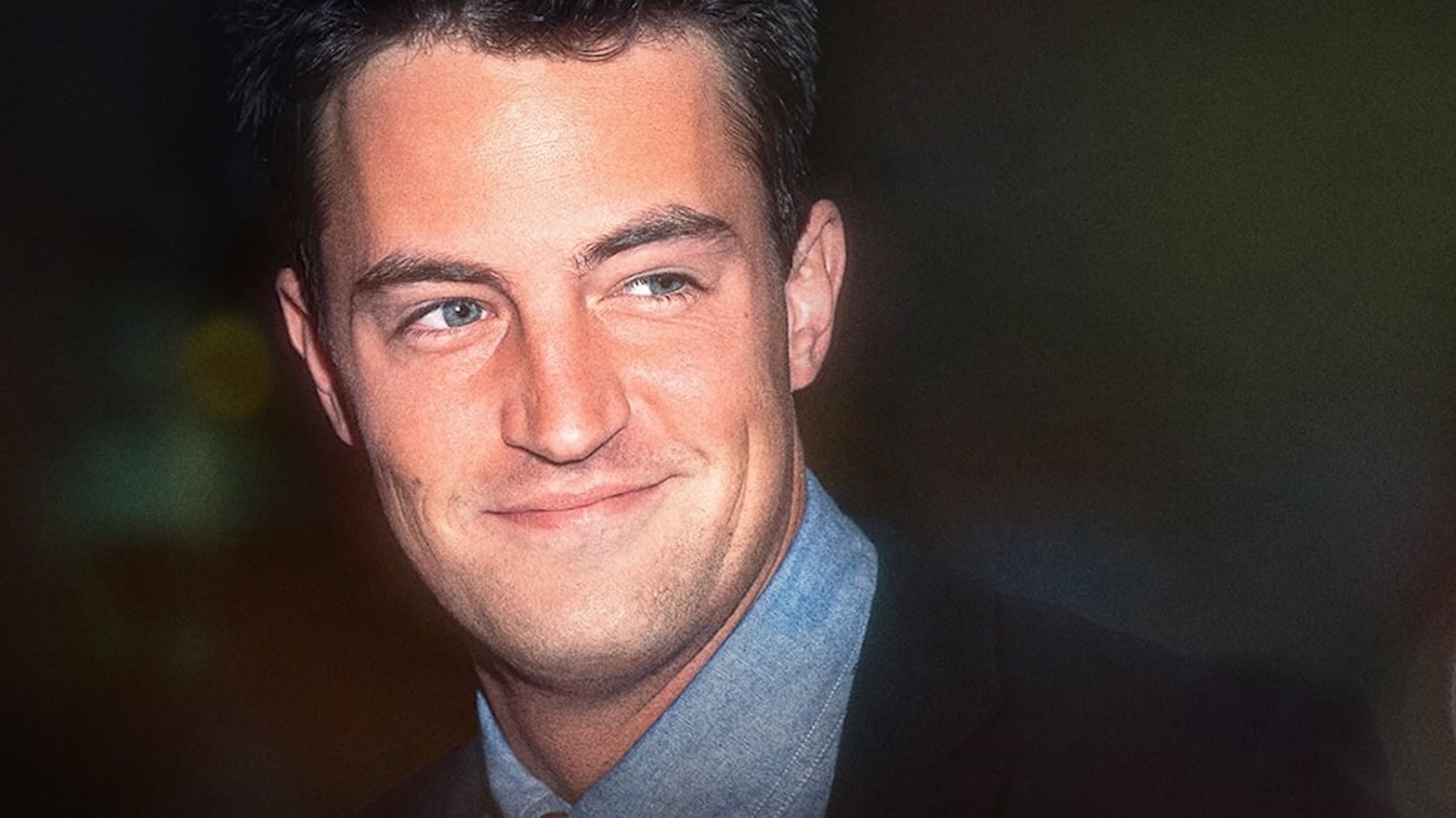
The dynamic is striking because it is one of the few times in Perry’s career where he was cast as the "dupe." Typically, Perry’s screen presence was defined by a rapid-fire, defensive wit—a shield he used to deflect intimacy and vulnerability. In Jimmy Reardon, however, he plays a character who is easily manipulated, desperate for validation, and ultimately subordinate to Phoenix’s character.
The plot revolves around an abortion scam to fund college tuition, a premise that highlights the darker, more cynical undertones of the film. While the movie failed to achieve the cultural dominance of its contemporaries, it remains a vital piece of evidence regarding Perry’s range. He was, by all accounts, a malleable and hungry actor, yet he was rarely given the opportunity to explore roles that required the kind of raw, unvarnished vulnerability he possessed.
Implications: The "Richard Cory" Effect
The death of Matthew Perry, and the subsequent discourse surrounding his life, brings us back to the "Richard Cory" archetype—a reference to the Edwin Arlington Robinson poem about a man who, despite having every appearance of success, grace, and wealth, ends his life in the shadows.
The implications of his early work with Phoenix are profound. When we see them together in Jimmy Reardon, we are not just watching two young actors; we are watching two individuals who were clearly carrying the weight of internal burdens that the camera could not fully capture. The tragedy lies in the fact that while the industry recognized their charisma, it failed to recognize the symptoms of their distress until it was too late.
In the documentary The One About Matthew Perry, the narrative emphasizes that fame is not a cure for the human condition. For Perry, the "halcyon escape" he sought in substances was a symptom of a much larger, more pervasive struggle with self-worth. His collaboration with Phoenix acts as a bookend to a life spent in search of something that neither fame nor fortune could provide.
Official Responses and Resources
The release of the documentary has prompted a wave of advocacy from mental health professionals and the Perry estate, emphasizing that the battle against addiction is not a character flaw, but a chronic health condition.
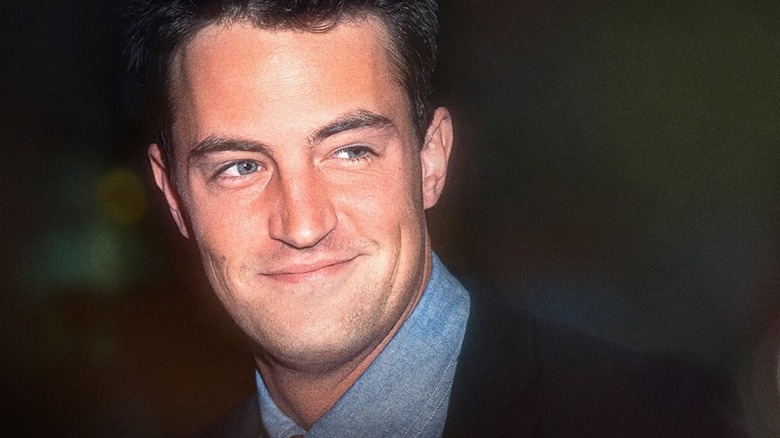
The Substance Abuse and Mental Health Services Administration (SAMHSA) continues to stress that early intervention and destigmatization are the primary tools in preventing the kind of outcomes seen in the lives of actors like Perry and Phoenix.
- SAMHSA National Helpline: 1-800-662-HELP (4357).
- Website: www.samhsa.gov
Final Thoughts: The Actor We Never Got to See
Ultimately, the tragedy of Matthew Perry is not that he failed to reach the heights of stardom, but that the industry—and perhaps the culture at large—only valued him insofar as he could make us laugh. His performance in A Night in the Life of Jimmy Reardon reveals an actor who was capable of so much more than the "snarky, sincere heart" of a sitcom character.
He was an artist who possessed a deep well of empathy and a willingness to please, but who found himself trapped in a cycle of performance that demanded he remain the "funny guy," even when his own life was turning increasingly gray. As we look back at his early, forgotten work with River Phoenix, we are left with a haunting realization: we missed out on the actor he could have become had the world provided the space for his humanity to exist outside of the spotlight.
Matthew Perry’s legacy is a reminder that behind every laugh, there is a person; and behind every celebrity, there is a story that deserves to be heard, understood, and supported long before the final act.
