
Discord’s Shift Toward Public Indexing: A New Era for Community Discovery and Privacy
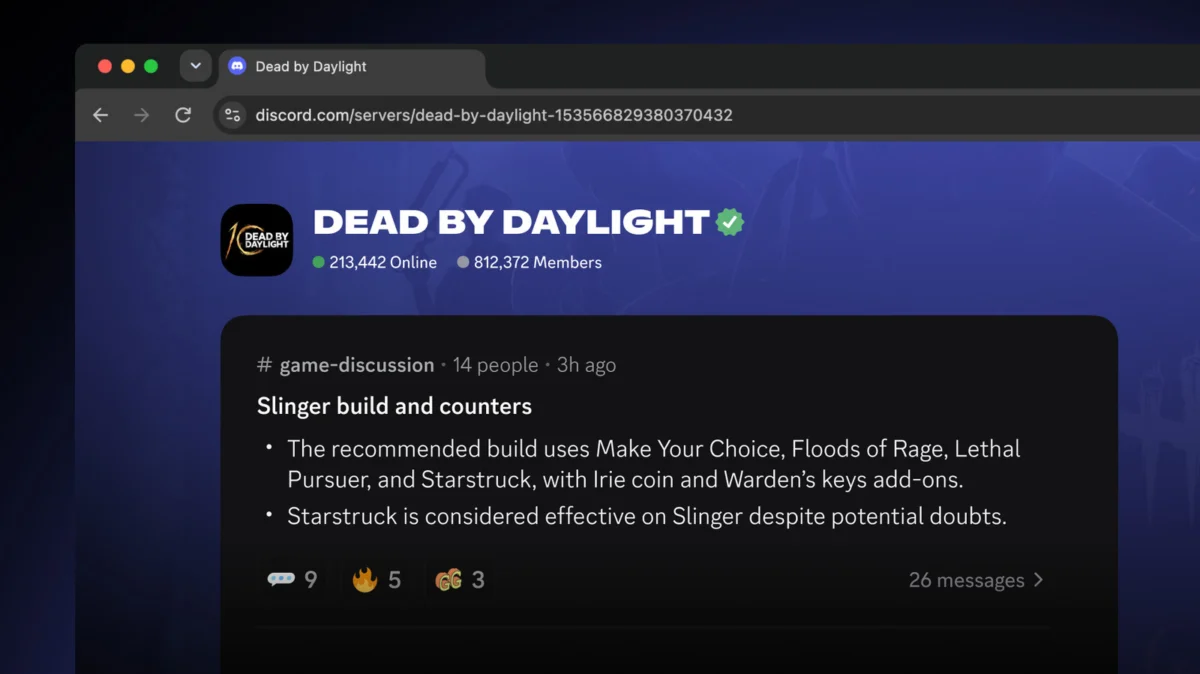
Discord, once a walled garden for gamers and niche hobbyist communities, is undergoing a profound structural evolution. In a move that signals the platform’s intent to compete more directly with open-forum giants like Reddit, Discord has announced a sweeping policy change: messages posted within its largest public communities—known as "Discoverable Servers"—will soon be indexed by search engines like Google.
This transition marks a departure from Discord’s historical identity as a platform defined by ephemeral, private communication. By surfacing internal discussions in public search results, Discord is attempting to transform its massive archive of human knowledge into a searchable public resource. However, this shift has ignited a firestorm of debate regarding digital privacy, data ownership, and the fundamental nature of online discourse.
The Mechanics of Change: How Discoverability Works
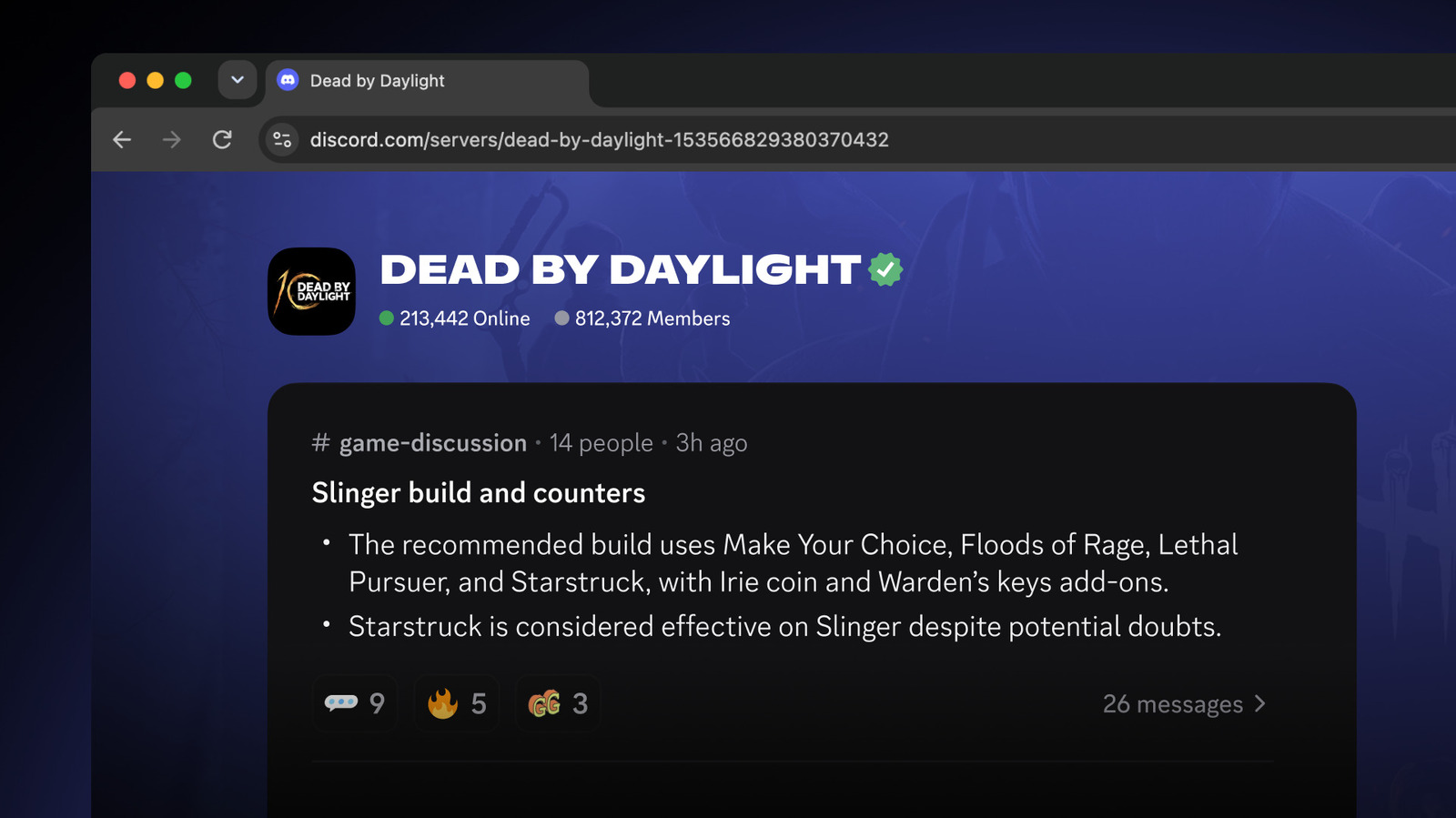
Starting November 16, Discord will roll out "Server Web Pages" for all Discoverable Servers. These pages are designed to act as SEO-friendly landing hubs that provide outsiders with a snapshot of a community’s culture and current topics of interest. These hubs will feature descriptions of the server alongside automated summaries of ongoing discussions within public channels.
The more significant update, slated for mid-December, is the integration of these conversations into the broader web. Discord intends to allow search engines to crawl and index the content of public channels. While the platform has confirmed that these messages will appear "word-for-word" in search results, there is a critical safeguard: individual usernames and user avatars will be stripped from the content. In effect, the text will appear as anonymous, searchable discourse, mirroring the way forums like Reddit or Stack Overflow currently function.
A Chronology of the Transition
- Mid-2023: Discord begins evaluating the "discoverability" gap, noting that valuable information buried in large communities is inaccessible to those who are not active members of the server.
- Early November 2024: Discord announces the official rollout schedule for Server Web Pages, confirming the mid-December target for full search engine indexing.
- November 16, 2024: The launch of Server Web Pages begins, providing a public-facing front end for communities with over 1,000 members.
- Late November/Early December 2024: Server administrators are granted the tools to curate which channels are indexed, allowing them to opt out of the search engine crawl.
- Mid-December 2024: Full integration with search engine crawlers is expected to go live for all opted-in Discoverable Servers.
The Rationale: Discord’s Quest for Utility
Discord’s primary justification for this move is "discoverability." For years, the platform has functioned as a "dark social" silo; if you were not invited to a server, the knowledge contained within—whether it be complex technical troubleshooting, niche game strategy, or specialized academic discourse—was effectively lost to the wider internet.
By aligning itself with search engines, Discord is essentially positioning itself as a repository of human expertise. If a user searches for a specific software bug or a niche hobbyist question, they will now be able to land directly on a Discord conversation rather than having to join a server, navigate the UI, and search within the platform itself. From a growth perspective, this is a masterstroke: it lowers the barrier to entry for new users and increases the total addressable content that Google can serve to its users.
Privacy Implications and Regional Variations
The announcement comes on the heels of a turbulent period for Discord, which has recently faced significant pushback regarding its age-verification policies and data handling. Predictably, this latest shift has raised red flags among privacy advocates.
Discord is attempting to mitigate this backlash through a layered approach to consent. Server administrators—the moderators and owners of these communities—are currently authorized to opt out specific channels from indexing. Furthermore, individual users have been granted the ability to prevent their specific messages from being indexed via the "Data and Privacy" section of their User Settings.
Regional regulations have also forced Discord to adopt a fragmented deployment strategy:
- The "Opt-In" Markets: In jurisdictions with stringent data protection laws—including the EU, UK, Canada, Brazil, Australia, and South Korea—channel messages will remain private by default. In these regions, users must manually opt in to have their messages indexed.
- Age Restrictions: Perhaps the most vital safeguard is the exclusion of teen users. Discord has confirmed that accounts belonging to teenagers will not have their messages indexed, regardless of server settings, until they reach adulthood. This is a clear response to the intense scrutiny the platform has received regarding the safety of younger users.
Official Responses and Platform Positioning
In its official blog post, Discord emphasized that the goal is to make the platform feel less like a "chat room" and more like a "knowledge base." A spokesperson for the company noted: "Our goal is to ensure that the unique and valuable conversations happening on Discord are as useful to the wider world as they are to the people who are currently in those servers."
However, industry analysts suggest that the move is also a defensive one. As AI companies look to scrape the open web to train large language models (LLMs), platforms like Reddit have already begun charging for access to their data. By making its public servers indexable, Discord is taking control of how its data is presented to the world, rather than allowing third-party scrapers to do it surreptitiously.
Implications for the Future of Online Discourse
The shift towards public indexing fundamentally alters the "social contract" of Discord. Historically, users participated in Discord servers under the assumption of a "community-only" audience. This expectation of privacy, even in public servers, fostered a specific type of casual, rapid-fire, and often uninhibited communication.
1. The Death of Ephemerality
When a user knows their message could be the first result on a Google search, their tone changes. We are likely to see a shift toward more formal, polished, and guarded language in public servers. The "chat" nature of the platform may begin to feel more like a permanent, searchable record, which could inadvertently stifle the very community-driven atmosphere that made Discord successful.
2. The Burden on Moderators
Server administrators are now being tasked with the responsibility of "webmaster." They must decide which channels are "public-facing" and which remain "private." This adds a significant layer of administrative burden to volunteer moderation teams, who must now curate content not just for community standards, but for public searchability.
3. SEO and the "Discord-ification" of Search
If this initiative succeeds, Google search results will change. Users will see a blend of traditional websites, Reddit threads, and now, Discord conversations. This could lead to a cleaner search experience, but it also means that Discord users must now be hyper-aware that they are effectively publishing content to the open web every time they hit "Enter."
4. Data Ownership and AI
By making this data indexable, Discord is indirectly feeding the engine of AI training. While the company claims this is to help human users find information, the reality of modern search is that AI crawlers will consume this data to synthesize answers for users. Discord is positioning itself to be a primary source of training data, which could be a lucrative pivot, but one that raises further questions about how much of a user’s digital footprint they actually own.
Conclusion: A New Frontier
Discord’s decision to open its doors to Google represents a pivot from being a closed ecosystem to a cornerstone of the public internet. While the potential for discovery and the democratization of knowledge is clear, the implications for user privacy and the sanctity of private conversation are profound.
As mid-December approaches, the success of this initiative will hinge on two factors: the willingness of users to participate in this new "public" paradigm and the effectiveness of Discord’s opt-out controls. For now, the platform is betting that the utility of an indexed, searchable internet outweighs the loss of the private, "walled-garden" intimacy that once defined it. Whether the user base agrees remains the biggest question of the year for the company. Users should be advised to review their privacy settings immediately to ensure they understand exactly what is being shared with the world.
