
The Architecture of Immersion: Decoding the Principles of Professional Game Design

Video games are more than mere software; they are sophisticated engines of experience, capable of transporting players into meticulously crafted realities. From the adrenaline-fueled corridors of a first-person shooter to the expansive, choice-driven landscapes of a role-playing epic, the "magic" of a great game is rarely accidental. It is the result of rigorous application of game design principles—a discipline that balances psychology, engineering, and art to command a player’s attention.
For those looking to understand the mechanics behind their favorite titles, it is essential to peel back the curtain on the decision-making processes that transform abstract concepts into playable, immersive worlds.
The Foundation: What Are Game Design Principles?
At its core, game design is the systematic process of developing the rules, mechanics, objectives, and emotional arcs that define a player’s journey. It is a balancing act; designers must curate levels, iterate on character abilities, calibrate reward systems, and weave narrative threads into a cohesive, functional loop.

Game design principles serve as the industry’s "North Star." They are foundational guidelines that ensure a title is not only functional but inherently engaging. Without these pillars—which include flow, feedback, and balance—a game risks becoming a collection of disjointed assets rather than a compelling experience. A designer’s primary mandate is to ensure that every mechanical decision serves the player’s agency, providing a path that is challenging enough to be meaningful but accessible enough to remain enjoyable.
Core Mechanics: The Heartbeat of Gameplay
If the narrative is the soul of a game, the mechanics are its heartbeat. Core mechanics represent the fundamental interactions available to the player. Whether it is the precise, rhythmic jumping of a platformer or the tactical resource management of a strategy game, these rules dictate what a player can do and how the world responds.
Building Upon the Core
Once the foundational mechanics are set, designers expand the scope to prevent monotony. Variety is the antidote to predictability. By introducing environmental hazards, varying enemy AI patterns, or unlocking new traversal abilities, designers ensure that the player is constantly learning.

For instance, in a first-person shooter like Call of Duty, the core mechanic—aiming and shooting—is simple. However, the depth comes from how that core is framed: through complex level design, weapon recoil physics, and situational variables that force the player to adapt their strategy. Conversely, non-core mechanics—such as the cosmetic collectibles found in Little Nightmares 2—do not alter the fundamental gameplay loop but add a layer of texture and world-building that rewards exploration and personal expression.
The Fine Line: Balance and Fairness
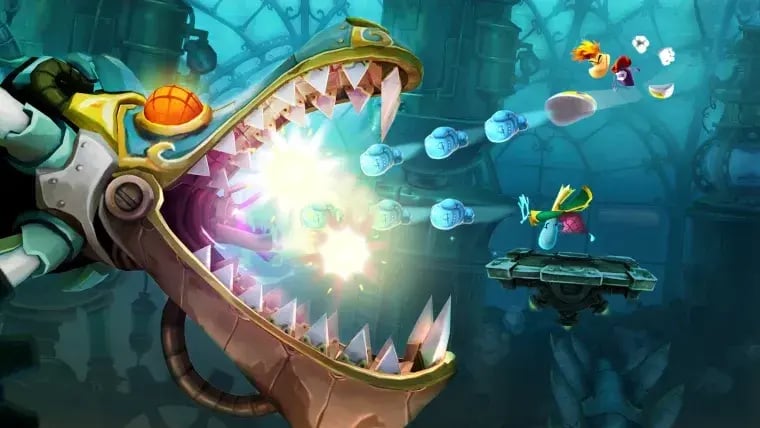
A common pitfall in amateur game development is the failure to manage difficulty. A game that is too easy lacks the satisfaction of mastery; a game that is too hard breeds frustration and abandonment. Professional design relies on the concept of "Fair Challenge," a state where the player feels the obstacle is surmountable if they utilize their skills or learn from past failures.
The Challenge of Calibration
Consider Cuphead, a title renowned for its brutal difficulty. While it can be frustrating for some, it remains a gold standard for "fair" challenge because it relies on pattern recognition. The player isn’t losing due to a glitch or an unfair advantage held by the AI; they are losing because they haven’t yet mastered the timing. When the player finally succeeds, the sense of accomplishment is profound.
To maintain this balance, developers utilize several strategies:
- Difficulty Scaling: Implementing dynamic systems that adjust enemy health or damage based on player performance.
- Meaningful Choices: Offering multiple strategies to overcome a single obstacle, allowing players to rely on their strengths rather than being forced into a single, potentially "overpowered" path.
- Telegraphing: Providing clear visual or audio cues before a major attack, ensuring the player has a fair chance to react.
Player Motivation and the Feedback Loop
Why do players continue to play? The answer lies in the "Feedback Loop." In game design, a feedback loop is the system through which a player’s actions influence the state of the game, which in turn influences their subsequent actions.
Positive vs. Negative Loops
- Positive Feedback Loops: These reward success with power. When a player performs well and receives an upgrade or a currency bonus, it makes the next challenge slightly easier. This creates a "snowball effect" of satisfaction that keeps the player engaged.
- Negative Feedback Loops: Often used as a balancing mechanism, these loops act as a "rubber band." If a player is struggling, the game may offer extra health packs or weaken enemies to prevent them from hitting a wall of frustration.
These systems are the invisible hands that guide the player’s emotional journey, ensuring they stay in a state of "flow"—the optimal mental zone where the challenge perfectly matches the player’s skill level.

Immersion: Storytelling Beyond Words
Modern game design has moved far beyond the "cutscene" model of storytelling. Today, we focus on "environmental storytelling"—the art of conveying narrative through the world itself.
In The Last of Us, the environment is a storyteller in its own right. Overgrown buildings, abandoned supplies, and the layout of a room tell a silent history of the collapse of civilization. By placing the narrative into the world, designers allow players to discover the story at their own pace. This "show, don’t tell" philosophy is crucial to immersion; it keeps the player in the driver’s seat, actively interpreting their surroundings rather than being a passive recipient of information.
The Future: Where Technology Meets Psychology
As we look toward the future, the integration of Artificial Intelligence and advanced haptic feedback promises to push the boundaries of immersion even further. We are moving toward a future where procedural generation can create unique worlds for every individual player, and where NPC (Non-Player Character) interactions are governed by complex behavioral AI rather than scripted dialogue trees.

These innovations will not replace the fundamental principles of design; rather, they will amplify them. The core requirements—meaningful choice, balanced challenge, and emotional resonance—will remain the hallmarks of high-quality interactive entertainment.
Implications for the Industry
The professionalization of game design is a direct response to a more discerning audience. As gaming moves from a niche hobby to a dominant global medium, the expectation for polish and engagement has skyrocketed. Developers who adhere to these principles of balance, motivation, and immersion are those who craft the titles that leave a lasting cultural footprint.
For those aspiring to enter the industry, understanding these principles is the first step. Whether you are interested in level design, narrative, or systems, your work must always be anchored in the player experience. By prioritizing the user’s journey—their frustrations, their triumphs, and their curiosity—you can move from being a consumer of digital worlds to an architect of them.

Pursuing a Career in Game Design
The path to becoming a professional game designer is rigorous, requiring a blend of technical proficiency and creative empathy. Industry-led education, such as the programs offered by CG Spectrum, provides the bridge between passion and professional output. By learning from mentors who have worked on industry-defining titles like Halo or Resident Evil, aspiring designers can gain the insights necessary to turn their creative visions into reality.
As the industry continues to evolve, the demand for designers who can balance the art of storytelling with the science of mechanical engagement will only grow. The canvas is infinite; the only limit is the designer’s ability to master the principles that make a game truly unforgettable.
