
Behind the Scenes of ‘The Social Reckoning’: How Aaron Sorkin’s Rigorous World Demanded Perfection
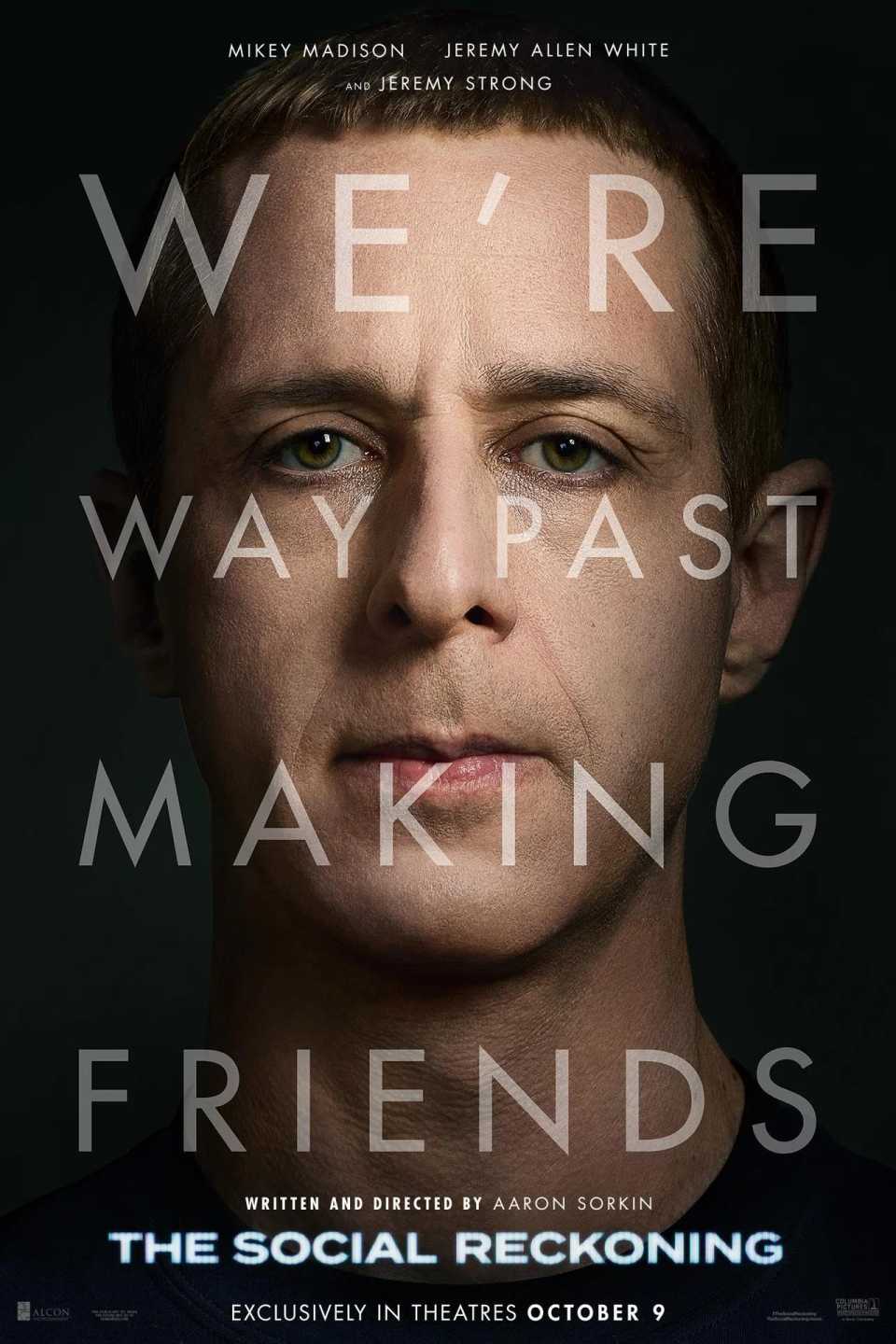
Sixteen years after The Social Network redefined the cinematic portrayal of the digital age, Academy Award-winning writer-director Aaron Sorkin has returned to the fractured landscape of Silicon Valley. His latest project, The Social Reckoning, serves as a spiritual companion to his 2010 masterpiece, shifting the focus from the birth of a platform to the consequences of its unchecked growth. While the film navigates the high-stakes intersection of whistleblower testimony and corporate damage control, the production itself was defined by the relentless, high-pressure environment that is the hallmark of a Sorkin script.
For actress Wunmi Mosaku, who portrays Raya Akinola, a fictionalized Facebook crisis PR strategist, the experience was a trial by fire. In a candid conversation with Collider’s Steve Weintraub, Mosaku revealed the intense preparation required to inhabit Sorkin’s world, including a sobering piece of advice from her friend and colleague, Idris Elba.
The Sorkin Standard: "There Is No Chill"
Entering a Sorkin production is rarely a casual endeavor. Known for his rapid-fire, rhythmic dialogue and dense, information-heavy scenes, Sorkin demands a level of precision that borders on theatrical. For Mosaku, the challenge was compounded by the fact that she was transitioning directly from another project, This Is How It Goes, while navigating the demands of being a new mother.
"I was very scared about getting my lines in," Mosaku admitted during her interview. The pressure was palpable, and she found an unlikely mentor in Idris Elba. Having worked with Sorkin previously, Elba understood exactly what the The Social Reckoning set would demand.
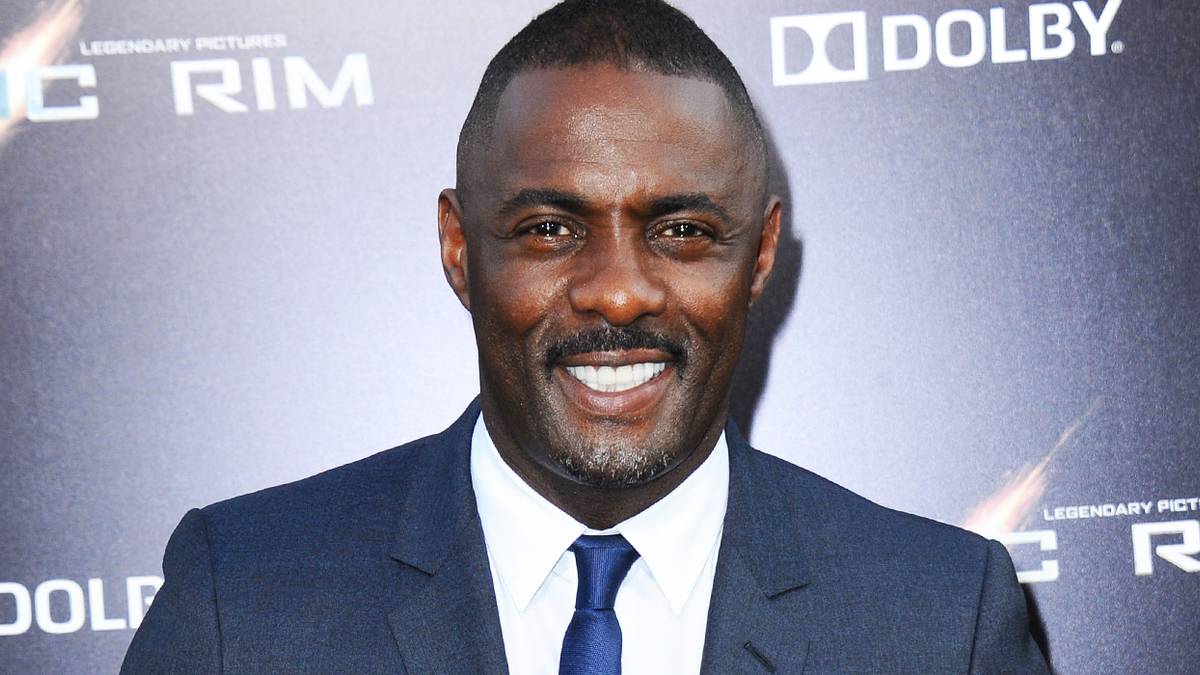
"I was working with Idris, and he was asking me every day, ‘Wunmi, do you know your lines yet?’ And I’m like, ‘Idris, chill. Chill,’" she recalled. Elba’s response was immediate and uncompromising: "No, there is no chill, because if you don’t know your lines, you’re in trouble."
This warning became the mantra for Mosaku’s preparation. She described a process that felt more akin to elite stage acting than modern film production. "I studied it like I did at drama school," she explained. "I have not marked a script like I did with this… since drama school. I really was very meticulous about learning everyone else’s lines, too, so that I knew exactly where I was going." For the cast, the film required total immersion in the cadence and syntax of Sorkin’s writing, where a single missing punctuation mark or misplaced cue could derail the entire momentum of a scene.
Chronology of a Corporate Crisis
The Social Reckoning centers on the explosive intersection of two lives: Frances Haugen (played by Oscar winner Mikey Madison), a Facebook engineer who uncovers the company’s internal awareness of its harmful algorithms, and Jeff Horwitz (Jeremy Allen White), the Wall Street Journal reporter who breaks the story.
The narrative is structured around the tension leading up to the historic Congressional hearings, placing the audience within the walls of Meta’s headquarters. It is here that Mosaku’s character, Raya Akinola, functions as the moral and professional pivot point. As a crisis PR strategist who has spent years defending the company, her arc—a gradual, internal collapse of loyalty—mirrors the broader societal disillusionment with the platform.

The film meticulously charts the timeline of the leak, the internal panic of the executive team, and the cold, calculated maneuvers of Mark Zuckerberg, portrayed with eerie intensity by Jeremy Strong. By grounding the narrative in the perspective of those within the machine, Sorkin provides a fly-on-the-wall view of how a global entity manages—or fails to manage—a public relations catastrophe of this magnitude.
The Method: Working Opposite Jeremy Strong
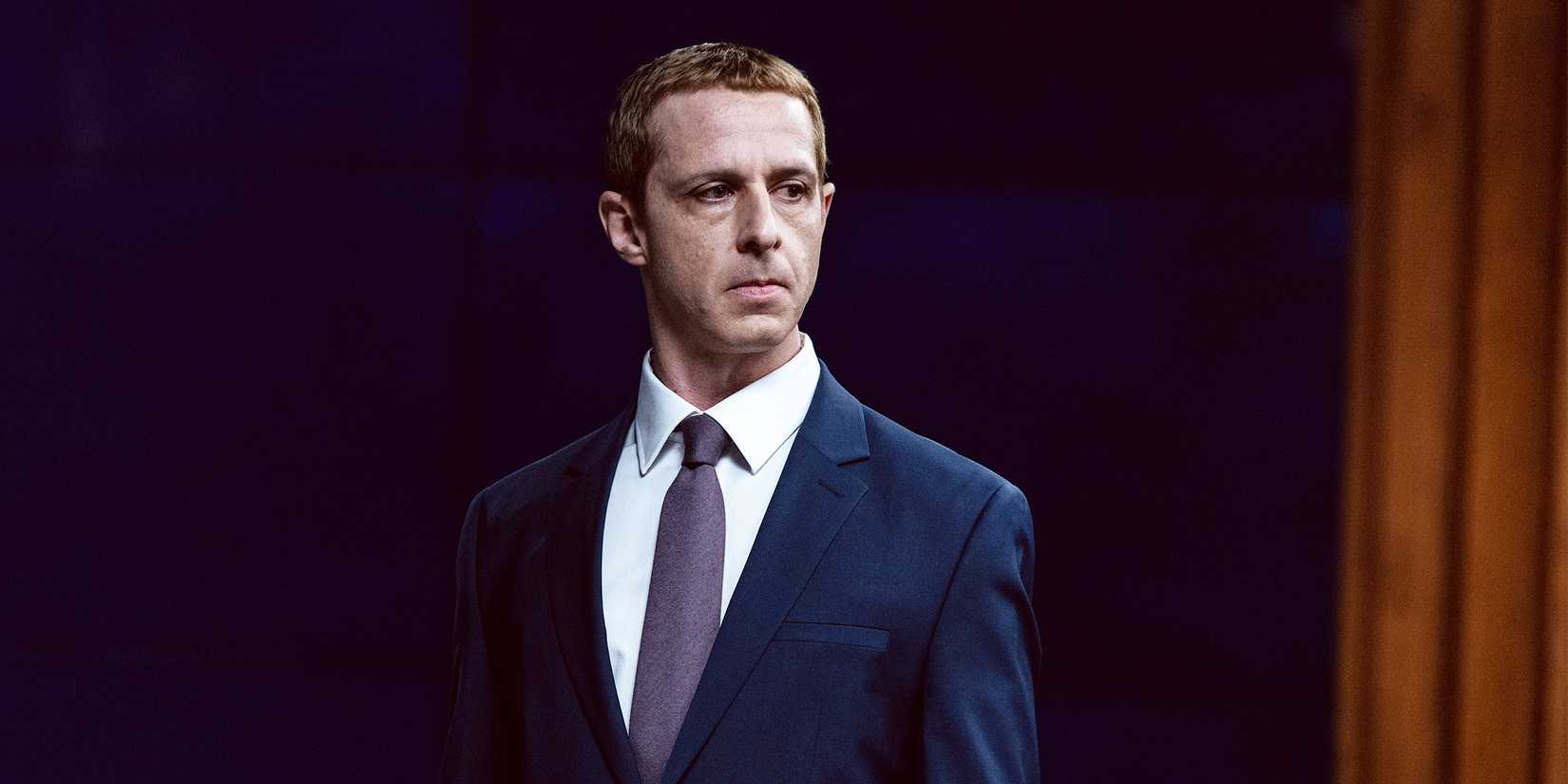
Perhaps the most talked-about element of the production has been the performance of Jeremy Strong. Known for his deeply immersive, often controversial approach to "method" acting, Strong’s transformation into the Meta CEO provided a unique challenge for his co-stars.
Mosaku offered a nuanced take on sharing a scene with someone so thoroughly committed to their character. "I have worked with people who think their method, but no one has come as close to Jeremy in that regard," she noted. "Jeremy just felt like he was living, breathing Mark."
When asked if this intensity disrupted the flow of the set, Mosaku was quick to clarify that it remained a professional environment. "He’s doing it in a way that isn’t affecting my process," she said. "I really liked that because I felt like he was very respectful. He kind of did his thing, and then it didn’t affect us. We didn’t have to change the way we were in between takes and in between setups. We were all able to do our own thing, whatever that thing is."
This distinction is vital. In professional acting, the "method" is often criticized when it encroaches on the comfort or focus of others. Mosaku’s endorsement suggests that Strong’s process, while transformative and all-consuming, allowed for a harmonious working dynamic, a testament to the mutual respect maintained by the cast.
Implications for the Tech Giants
While The Social Reckoning is a piece of narrative cinema, it carries the weight of a documentary-style investigation. By choosing to focus on the human cost of algorithm-driven engagement, Sorkin moves beyond the "move fast and break things" ethos of the early 2000s into the modern era of "move fast and manipulate things."
The implication of the film is clear: the institutions we created to connect us have developed their own, often predatory, internal logic. By casting a spotlight on the PR strategies used to distract the public and the legislative efforts to regulate the industry, Sorkin asks the audience to consider whether the "social" experiment has finally hit a wall.
Furthermore, the film’s focus on the fictionalized characters, like Mosaku’s Raya Akinola, highlights the role of the "enablers"—the employees who eventually realize that their expertise is being used to obscure truth rather than facilitate it. This moral awakening is the heartbeat of the film, providing a human anchor to what could otherwise be a dry, corporate procedural.
A Return to Theatrical Roots
The production of The Social Reckoning has been noted for its adherence to a classical filmmaking style. In an era where many tech-focused films rely heavily on visual effects or stylized digital aesthetics, Sorkin has opted for a grounded, performance-driven approach.
The collaboration between Sorkin, Madison, White, and Mosaku underscores the importance of the actor’s voice. As Mosaku noted, "It was very much like, oh, this is back to theater world, like making sure that you have every single word, every single punctuation in." This discipline is what separates a standard biopic from a Sorkin production. It is a world where the dialogue is the action, and the conflict is found in the clash of ideologies within a boardroom.
As the film continues its theatrical run, the industry response has been largely positive, particularly regarding the ensemble cast’s ability to navigate the complex, often technical, subject matter without sacrificing emotional resonance. For Wunmi Mosaku, the experience has been a career milestone, a grueling but rewarding testament to the value of preparation and the camaraderie found under the pressure of a master craftsman like Aaron Sorkin.
Conclusion
Whether one is a devotee of Sorkin’s fast-paced screenwriting or a casual observer of the shifting tech landscape, The Social Reckoning offers a compelling look at the power of narrative to distill complex systemic issues into individual, human stories. Through the eyes of those on set—from the warning calls of Idris Elba to the quiet intensity of Jeremy Strong—we gain a clearer picture of the dedication required to bring such a potent subject to the screen.

As we continue to live in the world that Mark Zuckerberg and his contemporaries built, films like The Social Reckoning serve as both a reflection of our current reality and a cautionary tale about the architects of our digital existence. It is a film that demands to be watched, dissected, and debated—much like the platforms it seeks to critique.
