Beyond the Red Balloon: Why Mike Flanagan’s Doctor Sleep Succeeded Where Andy Muschietti’s IT Franchise Stumbled
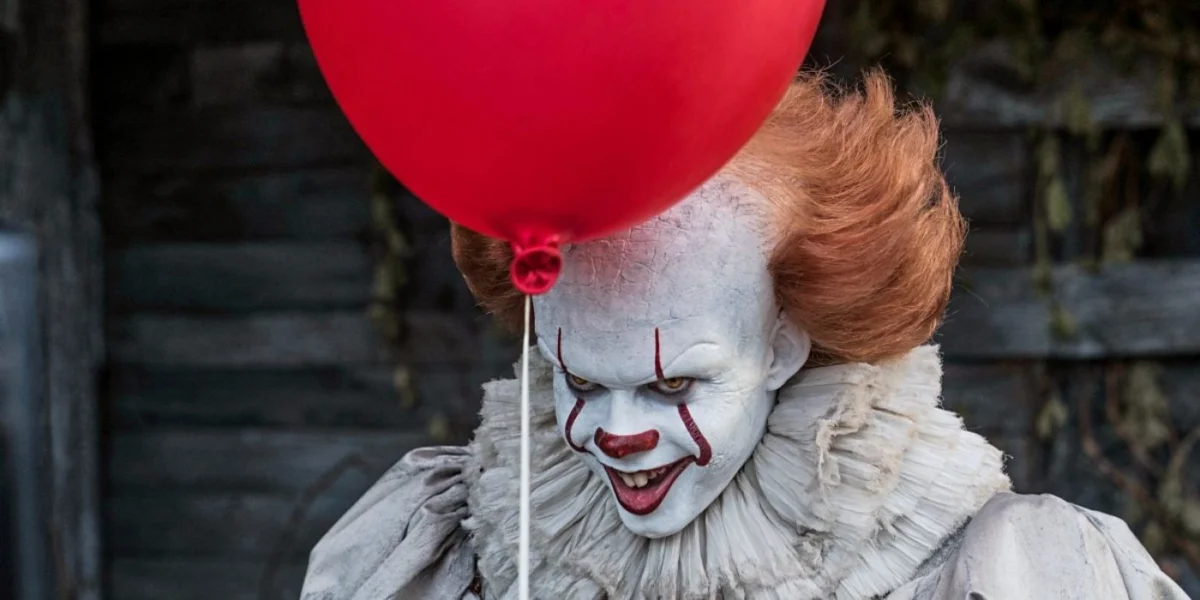
When AndyMuschietti’s cinematic adaptation of Stephen King’s seminal 1986 horror epic IT arrived in 2017, it felt like a watershed moment for the genre. Armed with a modern aesthetic, a shift in nostalgia from the 1950s to the 1980s, and Bill Skarsgård’s chilling, hypnotic portrayal of Pennywise the Dancing Clown, IT: Chapter One shattered box office records to become the highest-grossing horror film of all time. Yet, looking back at the complete two-part cinematic journey—which concluded with IT: Chapter Two in 2019—the overarching franchise ultimately buckled under the immense weight of its source material.
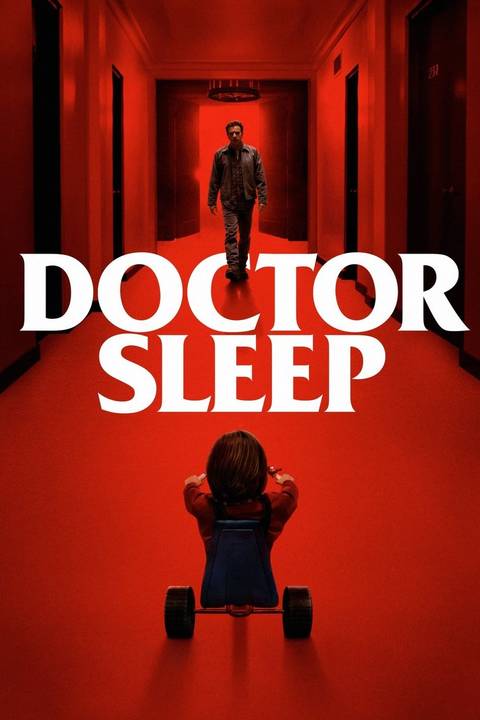
In contrast, another multi-layered, legacy-defining Stephen King adaptation released that same year—MikeFlanagan’s DoctorSleep—managed a nearly impossible feat. By expertly threading the needle between Stanley Kubrick’s cinematic masterpiece The Shining and King’s original literary sequel, Flanagan crafted a masterclass in adaptation. While IT struggled to maintain its narrative momentum and emotional resonance as it transitioned from childhood to adulthood, Doctor Sleep proved that creative freedom and a willingness to honor conflicting canons can yield a far superior cinematic triumph.
Main Facts: The Tale of Two Adaptations
To understand why Doctor Sleep ultimately triumphed where the IT franchise faced structural imbalances, one must examine the distinct hurdles both properties faced.
The IT Duology: Split into two distinct films to manage King’s massive 1,138-page novel, IT: Chapter One captured lightning in a bottle through the infectious chemistry of its young cast—the Losers’ Club. However, IT: Chapter Two, which followed the characters as traumatized adults returning to Derry, Maine, struggled to replicate that magic. The adult cast, while star-studded (featuring Jessica Chastain, James McAvoy, and Bill Hader), lacked the effortless chemistry of their younger counterparts. Furthermore, the narrative was constrained by a strict adherence to the book’s sprawling mythology, resulting in pacing issues and a bloated runtime.
Doctor Sleep: Directed by Mike Flanagan and released in November 2019, Doctor Sleep adapted King’s 2013 novel of the same name. The project faced a monumental creative challenge: it had to serve simultaneously as a direct sequel to King’s book and a respectful continuation of Stanley Kubrick’s 1980 film The Shining—a movie that King famously despised due to its sweeping deviations from his text. Flanagan achieved the unthinkable by weaving Kubrick’s cinematic visual language and iconic score with King’s narrative beats, culminating in a cohesive, emotionally resonant story about trauma, addiction, and redemption.
Chronology: The Evolution of Modern King Adaptations on Film
The trajectory of Stephen King adaptations over the last decade highlights a fascinating shift in how filmmakers approach the master of horror’s vast bibliography.
2017–2019: The Era of the Blockbuster Duology
September 2017: Warner Bros. releases IT: Chapter One, directed by Andy Muschietti. It receives widespread critical acclaim and dominates the global box office, proving that R-rated horror can pull blockbuster numbers.
September 2019:IT: Chapter Two hits theaters. While commercially successful, critical reception is more mixed. Reviewers point out that the adult-cast narrative dynamic fails to capture the visceral terror and heart of the first film, exposing the limitations of strict book-to-screen translation.
November 2019: Warner Bros. unleashes Mike Flanagan’s Doctor Sleep. Despite strong reviews from critics and horror aficionados, the film underperforms at the box office during its opening weekend, overshadowed by audience fatigue and confusion over whether it was a sequel to the book or Kubrick’s film.
Post-2019 to Present: Re-evaluation and Legacy
The Pandemia Era and Re-discovery: In the years following its theatrical run, Doctor Sleep finds a massive second life on home video, streaming platforms, and cable. Audiences and critics re-evaluate the film—particularly its extended director’s cut—hailing it as one of the best Stephen King adaptations ever produced.
The Ongoing Expansion: While the IT universe continues to expand via television projects like HBO’s upcoming prequel series Welcome to Derry (designed to explore Pennywise’s backstory without the narrative constraints of the original novel), filmmakers like Flanagan continue to champion artistic liberty over blind fidelity, with projects like his upcoming modernized take on Carrie.
Supporting Data: Box Office, Runtime, and Critical Reception
Underperformed theatrically (~$72 million worldwide against a $45–55 million budget)
Rotten Tomatoes Score
86% (Chapter One) / 62% (Chapter Two)
78% (Certified Fresh)
Core Adaptation Challenge
Translating an 1,100+ page coming-of-age horror novel across two distinct eras
Bridging the bitter creative divide between Stanley Kubrick’s The Shining film and Stephen King’s original novel
As the data illustrates, while IT triumphed commercially by casting a wide net across mainstream audiences, Doctor Sleep suffered from a challenging theatrical rollout. However, its enduring critical legacy demonstrates that artistic depth and narrative cohesion often outlive initial box office returns.
Official Responses and Creative Insights
The success of Doctor Sleep and the structural hurdles of IT are best understood through the perspectives of the artists who shaped them.
Mike Flanagan has spoken extensively about the tightrope walk required to honor both Stanley Kubrick and Stephen King. Bridging the gap between a director who altered the ending of a book and an author who publicly criticized those changes seemed like a fool’s errand. Yet, Flanagan approached the project with profound reverence for both masters.
"You can’t make a sequel to Kubrick’s The Shining without acknowledging the massive footprint it left on cinema," Flanagan noted during the press tour for Doctor Sleep. "At the same time, you cannot ignore Stephen King’s heart. Our goal was to find the intersection where both visions could coexist without tearing each other apart."
Stephen King himself, who famously spent decades vocalizing his disdain for Kubrick’s cold, emotionally detached cinematic vision, ultimately softened his stance regarding Flanagan’s work. King praised Doctor Sleep, noting that Flanagan managed to take his book and Kubrick’s film and forge something that satisfied both entities.
On the other side of the cinematic spectrum, Andy Muschietti and the producers of IT faced the opposite problem: an almost religious devotion to the source material. While fidelity to King’s novel was celebrated in Chapter One, it became a narrative anchor in Chapter Two. The film felt obligated to include nearly every supernatural manifestation, ritual, and monster from the back half of the book, diluting the emotional core of the Losers’ Club reunion.
Implications: The Future of Horror Adaptations
The stark contrast between the trajectories of IT and Doctor Sleep carries profound implications for how studios and filmmakers adapt massive, beloved literary works moving forward.
1. The Death of Blind Fidelity
For decades, fans demanded panel-by-panel, page-by-page accuracy from film adaptations. However, the success of Doctor Sleep proves that cinematic translation requires artistic freedom. A book and a film are fundamentally different mediums; what works on the printed page—such as the cosmic, mind-bending mythology of IT—often risks feeling disjointed or campy when translated literally to the screen. Filmmakers must be given the latitude to alter, trim, and modernize stories to fit a visual narrative structure.
2. The Power of Spiritual Successors
While IT: Chapter Two struggled because it was shackled to the exact plot points of its predecessor, television and streaming formats are now proving to be a safer haven for expansive lore. Projects like HBO’s Welcome to Derry demonstrate that exploring the spirit of a fictional universe—its atmosphere, lore, and thematic weight—yields better storytelling than forcing a complex, multi-decade narrative into a rigid two-part movie structure.
3. Re-evaluating Cult Classics
The post-theatrical rediscovery of Doctor Sleep serves as a reminder that box office receipts do not dictate artistic longevity. As streaming platforms continue to curate audiences who seek out nuanced, character-driven horror over jump-scare-heavy blockbusters, films that respect their audience’s intelligence will always find their rightful place in horror history.
Conclusion
Both Andy Muschietti’s IT and Mike Flanagan’s Doctor Sleep represent monumental efforts to bring the complex, sprawling nightmares of Stephen King to life. While IT captured the global box office with its terrifying imagery and nostalgic charm, its reliance on strict book accuracy ultimately left its second half unmoored.
Conversely, Doctor Sleep faced an insurmountable creative barrier and shattered it through sheer narrative bravery. By respecting the cinematic architecture of Stanley Kubrick while embracing the emotional soul of Stephen King, Mike Flanagan delivered a legacy sequel that not only eclipsed the structural pitfalls of the IT franchise but cemented itself as a timeless masterwork of modern horror.