
The Enduring Power and Complex Legacy of Frank Darabont’s The Green Mile: A Free-Streaming Resurgence
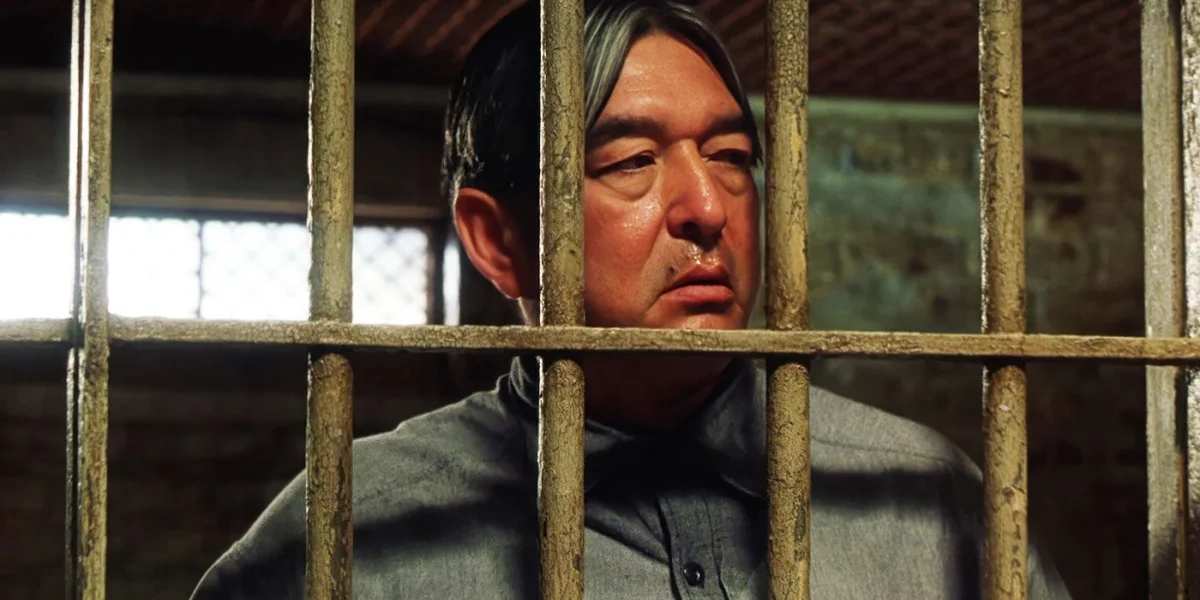
Nearly three decades after its initial theatrical release, Frank Darabont’s cinematic adaptation of Stephen King’s serialized novel The Green Mile is experiencing a major resurgence. Fueled by a wave of nostalgic viewing and the enduring popularity of free-to-stream platforms, the 1999 Tom Hanks-starrer has recently claimed the number-one spot on Tubi, according to tracking data from FlixPatrol.
This unexpected streaming dominance highlights a broader cultural phenomenon: the relentless staying power of Stephen King adaptations, combined with Frank Darabont’s rare status as a filmmaker whose selective filmography continues to yield massive, multi-generational home-viewing audiences.
Main Facts: A Streaming Phenomenon Nearly 30 Years Later
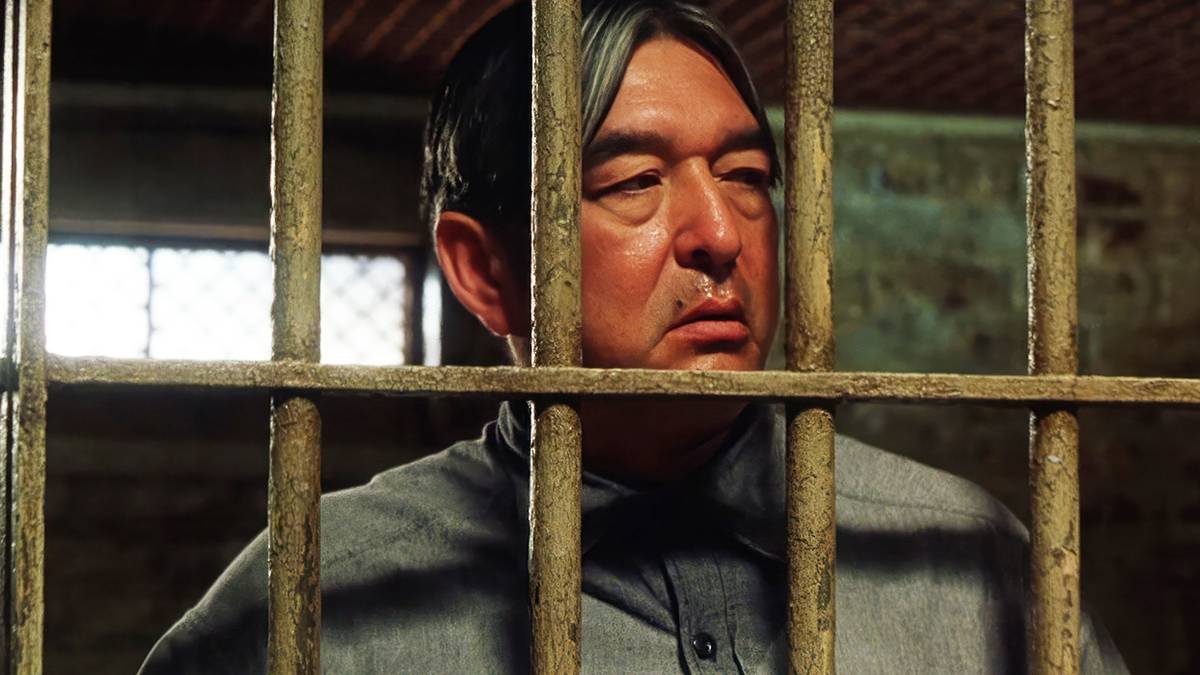
The resurgence of The Green Mile on free ad-supported streaming television (FAST) platforms demonstrates how classic Hollywood dramas find a second life in the digital age. Released in December 1999, the film stars Tom Hanks as Paul Edgecomb, a head death row prison guard during the Great Depression who discovers that an incoming inmate, John Coffey (played by the late Michael Clarke Duncan), possesses miraculous, supernatural healing powers.
Key metrics surrounding the film’s current milestone include:
- Platform Dominance: The Green Mile recently surged to the #1 spot on Tubi, showcasing a massive appetite for long-form, prestige dramas on free streaming tiers.
- Historical Scale: Upon its initial release, the film carried a hefty production budget of $65 million—matching blockbusters like Saving Private Ryan and far exceeding contemporary dramas like Apollo 13.
- Critical Reception: The film earned four Academy Award nominations, including Best Picture, Best Supporting Actor for Michael Clarke Duncan, Best Adapted Screenplay, and Best Sound, alongside a "Certified Fresh" 78% rating on Rotten Tomatoes.
Chronology: From Serialized Fiction to Cinematic Milestone
To understand the cultural footprint of The Green Mile, it is essential to trace its journey from page to screen, and ultimately to digital streaming dominance.
1996: Stephen King’s Serial Experiment
In the spring of 1996, Stephen King did something unusual. Instead of publishing a standard standalone novel, he released The Green Mile as a series of six monthly paperback installments (The Two Dead Girls, The Mouse on the Mile, Coffey’s Hands, The Bad Death of Eduard Delacroix, Night Journey, and Coffey on the Mile). The publishing gamble paid off brilliantly, with all six volumes dominating the New York Times Best Seller lists simultaneously and proving that King’s storytelling could capture a serialized, suspense-driven audience.
1999: The Theatrical Gamble
Hot off the massive home-video success of The Shawshank Redemption (1994)—which initially underperformed at the box office before becoming a beloved cultural touchstone—director Frank Darabont reunited with King’s literary universe. Warner Bros. poured $65 million into the production, securing Tom Hanks at the height of his box-office powers. Released on December 10, 1999, the nearly three-hour runtime (189 minutes) tested theatrical norms, yet the film grossed over $286 million worldwide, establishing itself as a commercial and awards-season player.
2007–Present: The Home Media and Streaming Era
Following The Green Mile, Darabont directed 2007’s The Mist, another Stephen King adaptation that found its true, appreciative audience on home video and cable. Meanwhile, The Green Mile transitioned seamlessly through every phase of home entertainment—from VHS and special-edition DVDs to premium subscription streaming networks. Its current ascension to the top of Tubi in late 2026 marks its transition into the golden age of free, ad-supported digital distribution.
Supporting Data: Budgetary Comparisons and Cultural Reach
The production of The Green Mile represents a fascinating chapter in late-90s Hollywood filmmaking, where mid-to-high budget dramas could command theatrical exclusivity for months.
| Metric / Film | The Green Mile (1999) | Saving Private Ryan (1998) | Apollo 13 (1995) |
|---|---|---|---|
| Estimated Budget | $65 Million | $65–70 Million | $52 Million |
| Runtime | 189 Minutes | 169 Minutes | 140 Minutes |
| Primary Star | Tom Hanks | Tom Hanks | Tom Hanks |
| Box Office Gross | ~$286.8 Million | ~$481.8 Million | ~$355 Million |
Beyond financial metrics, the film’s resurgence coincides with a broader commercial boom for Stephen King adaptations across television and streaming ecosystems. Prime Video’s upcoming limited series adaptation of Carrie (helmed by Mike Flanagan) and Netflix’s supernatural thriller Below (starring Josh Hartnett) demonstrate that the literary footprint of King remains as formidable today as it was in the 1990s.

Official Responses and Industry Perspectives
Neither Frank Darabont nor Warner Bros. have issued formal statements regarding the film’s sudden spike on Tubi, which is largely driven by algorithmic discovery and shifting consumer preferences toward free, ad-supported streaming options. However, industry analysts and entertainment journalists have frequently pointed to Darabont’s selective career choices as a blueprint for long-term artistic and financial security.
Having helmed The Shawshank Redemption, created AMC’s The Walking Dead television franchise, and directed The Green Mile and The Mist, Darabont occupies a rare tier of creators. Speaking about his selective output in past interviews, industry observers note that his meticulous dedication to long-form storytelling has allowed him to work on his own terms.
Furthermore, the ongoing reappraisal of The Green Mile involves complex critical discussions. While praised for its emotional resonance, power-house performances (particularly by Tom Hanks, Michael Clarke Duncan, and David Morse), and atmospheric direction, contemporary cultural critics have frequently noted how the film employs the "Magical Negro" trope. This narrative device centers a marginalized Black character whose primary purpose is to bestow spiritual or supernatural healing upon white protagonists. This critical dialogue forms an essential part of the film’s modern legacy, balancing its widespread commercial appeal with necessary socio-cultural critique.
Implications: What the Resurgence Means for FAST Platforms
The dominance of a 189-minute, R-rated 1990s drama on a free streaming platform carries several important implications for the future of digital entertainment:
- The Maturation of FAST Platforms: Free ad-supported streaming television is no longer merely a dumping ground for low-budget B-movies or syndicated television reruns. Major studio catalogs are increasingly utilizing FAST services to reactivate older, prestige library titles that no longer fit the subscriber-acquisition strategies of premium subscription-video-on-demand (SVOD) platforms.
- The Enduring Value of A-List IP: When paired with recognizable names like Tom Hanks and Stephen King, legacy intellectual property holds infinite replay value. Modern audiences raised on binge-watching are increasingly willing to sit through nearly three-hour runtimes if the narrative pacing and emotional stakes—hallmarks of Darabont’s direction—hold up.
- The Cycle of Nostalgia: As Hollywood leans heavily into reboots, remakes, and serialized universes (such as current King projects on Prime Video and Netflix), audiences naturally seek out the foundational classics that inspired them.
As The Green Mile continues to captivate new generations of viewers on Tubi, it cements its status not only as a defining cinematic achievement of the late 20th century, but as a masterclass in how timeless storytelling transcends the boundaries of changing distribution models.
