
Elevating the Studio: RØDE Launches the LPA1, a High-Capacity Low-Profile Studio Arm
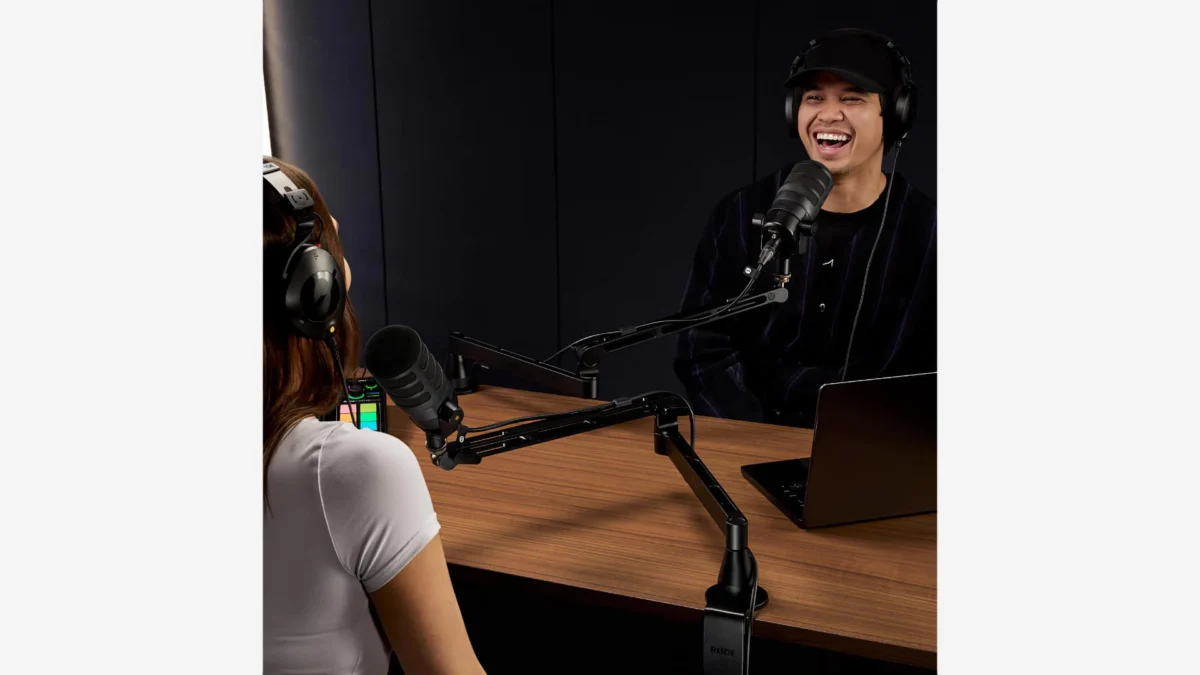
The modern digital studio has evolved rapidly. No longer confined to the sterile, acoustic-tiled rooms of professional radio stations, broadcasting and podcasting have migrated into home offices, vibrant content-creation suites, and multi-functional workspaces. As video has become an inseparable component of audio production, the "clean look" has become the gold standard for creators. Addressing this aesthetic and functional demand, RØDE has officially launched the LPA1, a premium low-profile studio arm designed to reconcile the need for professional-grade microphone stability with the requirement for an unobstructed on-camera presence.
Main Facts: A Heavy-Duty Solution for Modern Creators
The RØDE LPA1 enters the market as the company’s most robust and capable studio arm to date. Engineered with a focus on both structural integrity and ergonomic flexibility, the LPA1 is designed to support the heaviest equipment in a professional’s arsenal.
- Payload Capacity: The arm boasts a significant 2 kg (4.4 lb) payload, allowing it to support a wide variety of equipment, ranging from lightweight podcasting microphones to heavy-duty, large-diaphragm broadcast condensers and even small cameras or lighting units.
- Design Philosophy: The "low-profile" moniker is the defining feature. By sitting below the camera’s line of sight, the LPA1 ensures that the user’s face remains the primary focal point of the video, effectively removing the visual "clutter" often created by traditional, upright boom arms.
- Technical Specifications: The arm features a generous horizontal reach of 750 mm (29.5 inches). Its articulation is equally impressive, offering 360-degree rotation and a vertical adjustment range of 90 degrees up and 60 degrees down.
- Versatility: To cater to a diverse array of hardware, the LPA1 includes thread adapters for 1/4", 3/8", and 5/8" mounts, ensuring compatibility across the RØDE ecosystem and beyond.
- Pricing and Availability: Currently retailing for $139 USD, the LPA1 is available globally in a sleek black finish, with a white variant confirmed to be in the production pipeline for release in the near future.
Chronology: From Concept to Global Launch
The journey of the LPA1 reflects RØDE’s iterative approach to hardware development. The product did not appear in a vacuum; it was born out of direct feedback from the global podcasting and streaming community.
The NAB Debut: The LPA1 first broke cover during the National Association of Broadcasters (NAB) show, where it was presented as a prototype. During the show, industry insiders noted that the arm addressed a specific "gap" in RØDE’s catalog—a heavy-duty low-profile option that could handle the weight of broadcast-standard microphones like the Shure SM7B or RØDE’s own PodMic, while maintaining a slim footprint.
Refinement and Testing: Following the NAB event, the RØDE engineering team spent several months refining the tension mechanisms and cable management systems. The goal was to ensure that the arm could hold its position under heavy loads without the "drift" often associated with cheaper, spring-based arms.
Official Launch: Following a period of anticipation, RØDE officially moved the product from prototype to mass production. By launching the LPA1, RØDE has signaled a shift in their strategy: moving away from entry-level accessory arms toward high-end, durable hardware that appeals to professional studios and high-end home setups alike.
Supporting Data: Why Payload and Geometry Matter
For the uninitiated, the "payload capacity" of a studio arm is often overlooked until it fails. When a microphone arm is pushed to its weight limit, it becomes prone to sagging, vibrations, and jerky movements—all of which are audible in a recording.
The Physics of the 2kg Payload
The LPA1’s 2 kg rating is not merely a number; it is a statement of mechanical stability. Large-diaphragm condenser microphones, especially when paired with heavy shock mounts and pop filters, can easily exceed the capacity of standard consumer-grade arms. By constructing the LPA1 with all-metal components, RØDE has eliminated the plastic hinges that frequently wear down over time.
Geometry and Ergonomics
The "low-profile" form factor changes the ergonomics of the workspace. Traditional boom arms mount to the desk and rise high into the air, creating a "barricade" between the creator and their screen or camera. By sitting flat against the desk surface and then reaching up only at the final moment to the mouth, the LPA1 maintains the "clean desk" aesthetic. This is critical for creators who use multiple monitors or need to maintain eye contact with their guests or audience.
The inclusion of an integrated ball-mount design is another critical technical detail. It allows the user to rotate the microphone 360 degrees, which is particularly useful in multi-person podcast setups where the microphone may need to be quickly moved between a host and a guest.
Official Responses and Strategic Positioning
RØDE has positioned the LPA1 as the "ultimate" solution for the modern professional. In official marketing materials, the company emphasizes that the LPA1 is designed to integrate seamlessly into existing workflows.
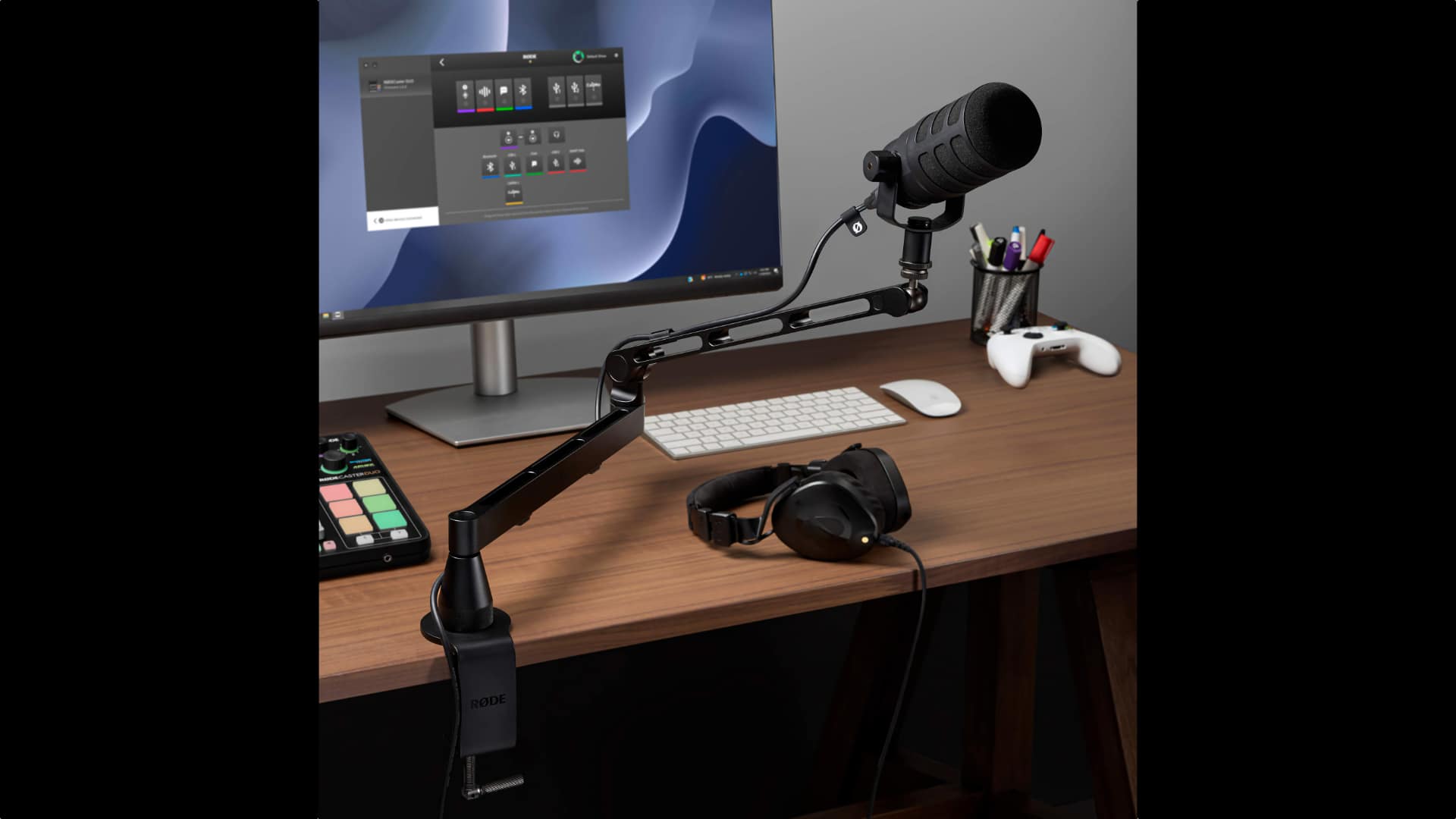
"The LPA1 is built for the creator who refuses to compromise on quality," says a company representative. "We wanted to create a solution that disappeared from the camera frame while providing the rock-solid stability required for high-end audio capture."
Industry analysts have observed that this product launch is part of a broader trend of "professionalization" in the creator economy. As streamers move from hobbyists to full-time professionals, they are upgrading their gear to reflect their status. By offering a product that feels like it belongs in a world-class radio station, RØDE is capturing the loyalty of the "pro-sumer" market.
Furthermore, the decision to launch the product in black, with white to follow, demonstrates an understanding of modern studio design. Many creators are moving toward "all-white" or "all-black" aesthetic builds, and having the hardware match the color scheme of the room is a significant selling point for influencers and aesthetic-focused content creators.
Implications: The Future of Studio Furniture
The release of the LPA1 has significant implications for the future of studio furniture and accessories.
1. The Death of the "Cluttered" Frame
As video podcasting becomes the dominant format, the "look" of the studio is now as important as the sound quality. The LPA1 sets a new standard for how gear should sit in the frame. We can expect to see an industry-wide shift toward low-profile designs, as creators move away from the "radio tower" aesthetic toward a more minimalist, high-end look.
2. Integration with Ecosystems
The LPA1 is not just an arm; it is a mounting platform. With its versatile thread options (1/4", 3/8", and 5/8"), it effectively becomes a desk-mounted utility rig. A user could, in theory, mount a camera for overhead shots, a ring light for face lighting, or a dedicated secondary microphone—all using the same base. This modularity reduces the need for multiple bulky desk stands, further decluttering the workspace.
3. A Higher Bar for Competitors
With a price point of $139, the LPA1 sits in a "premium-affordable" bracket. It is more expensive than generic budget arms found on e-commerce sites, but significantly cheaper than the high-end broadcast arms used by professional radio stations (which can cost upwards of $400). This puts immense pressure on competitors to match RØDE’s build quality and feature set at a similar price point.
4. The Cable Management Standard
Integrated cable management is no longer a luxury—it is a requirement. By routing XLR and USB cables through the arm, the LPA1 prevents the "cable spaghetti" that often plagues professional setups. This attention to detail is indicative of RØDE’s commitment to a seamless user experience, where the hardware fades into the background so the content can take center stage.
Final Thoughts: An Investment in Longevity
Investing in a high-quality studio arm is often the last thing a creator thinks about, yet it is one of the most vital components of a reliable recording setup. A microphone is only as good as the stand that holds it steady.
The RØDE LPA1 represents a mature approach to studio hardware. It combines the heavy-duty requirements of professional audio with the aesthetic demands of modern video production. Whether you are a solo streamer building your first professional studio or an established podcaster looking to clean up your desk space, the LPA1 offers a durable, elegant, and highly functional solution.
As we look toward the future of digital content creation, the tools we use must be as agile and high-performing as the creators themselves. With the LPA1, RØDE has provided a piece of hardware that is designed to last, to perform under pressure, and—most importantly—to let the focus remain exactly where it belongs: on the voice, the story, and the audience.
